
You want a kit that cleans well, protects surfaces, and fits how you use your car. The best interior car cleaning kit balances effective cleaners, the right tools (vacuum, brushes, microfiber towels), and products safe for leather, fabric, and plastics. A compact kit with a strong handheld vacuum, a gentle upholstery cleaner, a leather conditioner, glass cleaner, and several microfiber towels covers most needs.
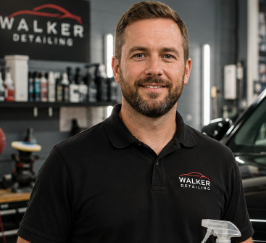
A technician like James Walker notes that kits which include targeted tools—crevice brushes, foam applicators, and a soft detailing brush—cut cleaning time and reduce damage from scrubbing. Choose a kit that matches your vehicle materials and driving habits, and look for refillable or multi-use products to save money over time.
Key Takeaways
- Pick a kit with cleaners safe for leather, fabric, plastic, and glass.
- Look for tools that speed work and prevent surface damage.
- Value kits that are refillable and fit your vehicle’s everyday needs.
Key Features to Compare
Choose a kit that gives good tools, the right cleaners, and durable parts. Look for items that match the vehicle’s materials and the owner’s cleaning habits.
Essential Cleaning Tools
A quality kit should include a range of brushes, microfiber towels, and at least one handheld vacuum or extractor. Soft-bristle brushes work on fabric and carpet; stiffer brushes help lift grime from floor mats. Microfiber towels in different weaves prevent streaks and trap dirt without scratching surfaces.
Small detail tools matter: crevice tools, foam applicators, and angled brushes reach vents, seams, and cup holders. A pump-spray bottle or trigger sprayer lets users control application on dashboards and upholstery. For leather, a dedicated soft brush and applicator pad make cleaning and conditioning easier and safer.
Types of Cleaning Solutions
Kits should contain or be compatible with a pH-neutral all-purpose cleaner, a leather cleaner/conditioner, and a fabric or upholstery shampoo. pH-neutral cleaners clean plastic, vinyl, and painted trim without fading or drying them out. Leather-specific products remove oils and grime while leaving conditioners that protect and soften.
Upholstery shampoos or foams target stains and embedded dirt in cloth seats; look for low-residue formulas to avoid re-soiling. Glass cleaner or an anti-fog spray improves visibility. Check labels for fragrance, VOC levels, and whether products are safe for touchscreens and coated trims.
Material and Build Quality
Tool handles, brush bristles, and zipper seams reveal a kit’s durability. Plastic spray bottles should be thick, not brittle. Metal or reinforced handles on brushes last longer than thin plastic; replaceable brush heads add value. Microfiber quality varies—look for high GSM (300–400) for plush towels and lower GSM (200–300) for quick-dry cloths.
Packaging matters: a rugged tote or hard case protects contents and makes storage easier. Consumables like cleaners should be in clearly labeled, leak-proof bottles. Below is a simple comparison table to check kit parts at a glance.
| Component | Good Sign | Warning Sign |
|---|---|---|
| Brushes | Replaceable heads, mixed bristle stiffness | Thin brittle handles, single brush only |
| Microfiber | Varied GSM, labeled purpose | Thin, unspecified GSM |
| Sprayers/Bottles | Thick plastic, adjustable nozzle | Leaky caps, flimsy trigger |
| Storage | Durable tote or case with compartments | Loose bag, no organization |
Top-Rated Kits for Specific Needs
This section highlights kits that match common cleaning goals: heavy soil removal, pet hair and odor control, and low-impact eco options. Each choice lists the tools and cleaners that matter most for the task.
Best Kits for Deep Cleaning
Kits for deep cleaning focus on high-tack cleaners, brushes, and a strong portable vacuum. Look for a kit that includes a concentrated upholstery cleaner, an enzyme or alkaline carpet solution, a motorized brush or drill brush attachment, and a vacuum with at least 5–7 kPa suction for carpets and crevices.
A sample comparison of useful features:
| Feature | Why it matters |
| Concentrated upholstery cleaner | Removes ground-in dirt and set stains more effectively than diluted sprays |
| Motorized brush | Agitates fabric fibers to lift dirt without over-wetting |
| High-suction vacuum | Pulls loosened grit from deep pile and seat tracks |
| Stain spotter | Treats oil and dye stains before shampooing |
Technicians often recommend a two-step approach: pretreat stains, then extract with a wet/dry vacuum or carpet extractor. Kits that bundle extractor-safe cleaners and replacement brush heads reduce extra purchases.
Recommended Kits for Pet Owners
Pet-focused kits center on hair removal, odor neutralizers, and safe upholstery cleaners. Good kits include a rubber pet brush, a micro-suction tool for vacuums, an enzyme-based odor eliminator, and fabric-safe stain remover.
Key features to check:
- A turbo or brush-tool for removing embedded hair from seats and carpets.
- Enzyme sprays that break down urine and fecal proteins rather than masking smells.
- HEPA-rated handheld vacuum or an included HEPA filter to capture dander.
- Fabric-safe protectant to repel future stains.
Pet owners should use enzyme treatments on odors and follow with a thorough vacuuming once dry. Replacing vacuum filters regularly keeps suction strong and reduces recirculated dander.
Eco-Friendly Kit Options
Eco kits pair plant-based cleaners, low-VOC formulas, and biodegradable wipes with reusable tools. They should list ingredients and avoid solvents like petroleum distillates or strong fragrances.
Compare typical eco features:
| Eco Feature | Benefit |
| Plant-based surfactants | Clean effectively with fewer harsh chemicals |
| Low-VOC formulas | Reduce in-cabin fumes during and after cleaning |
| Biodegradable wipes | Break down faster in landfill environments |
| Reusable microfiber tools | Cut waste and save money over disposables |
Users should test any eco cleaner on a hidden area first, since natural acids can affect some leather or dye. Choosing concentrated refill options also minimizes packaging waste.
Evaluating Usability and Convenience
This section looks at how easy the kit is to use, how simple it is to carry and store, and whether parts can be refilled or need replacing. Readers get practical details they can check when comparing kits.
User-Friendliness
A kit should let someone clean without a steep learning curve. Clear labels and simple instructions matter most. Look for bottles with spray triggers that work with one hand and nozzles that adjust between stream and mist. Tools should have ergonomic handles and brushes that reach under seats and into vents.
Kits that group products by surface—dashboard, fabric, leather—cut down on guesswork. Pre-measured wipes or concentrated formulas with a marked dilution line make dosing easier. Avoid kits with many small, unlabeled bottles; they slow the job and raise risk of using the wrong product on leather or screens.
Portability and Storage
A compact case with compartments helps keep everything organized and ready. Hard-sided cases protect glass bottles and maintain order in trunks or garages. Lightweight soft bags save space but can crush spray heads if not packed carefully.
Measure case dimensions against available storage spots, such as trunk cubbies or garage shelves. Kits under 10 pounds and roughly the size of a shoebox are easiest to move and store. Consider whether the kit has a built-in handle or a shoulder strap for carrying to a car for off-site detailing.
| Feature | What to look for | Why it matters |
|---|---|---|
| Case type | Hard case with compartments | Protects bottles and keeps tools organized |
| Weight | Under 10 lbs preferred | Easier to carry and store |
| Handles/straps | Sturdy handle or shoulder strap | Makes transport to the car simpler |
Refillable or Single-Use Components
Refillable bottles and bulk concentrates reduce long-term cost and waste. Kits with marked refill lines and reusable spray heads let users dilute correctly and keep performance consistent. Check whether the manufacturer sells concentrated refills; that indicates ongoing cost savings.
Single-use wipes and foam pads can be convenient for quick jobs but add recurring expenses. Replaceable brush heads are a middle ground: the handle stays, only worn bristles need swapping. Buyers should note which parts are proprietary; custom refill cartridges often cost more than plain bottles and limit options.
Understanding Product Safety and Compatibility
Read product labels and match cleaners to the material. Pick pH-neutral or manufacturer-recommended formulas for leather, vinyl, fabric, plastic, and glass to avoid damage.
Safe Use on Different Surfaces
Leather needs gentle, pH-balanced cleaners and a separate leather conditioner after cleaning. They should test a small hidden area first. Avoid alkalines or solvents that dry or crack hides.
Fabric and carpet respond best to foaming or spray cleaners made for upholstery. Use a soft brush to lift stains and a wet-vac or clean towel to remove residue. Overwetting can cause mold or shrinking, so work in small sections.
Plastic and vinyl tolerate multipurpose interior cleaners and protectants, but some protectants add a greasy film or attract dust. Apply lightly with a microfiber cloth and buff to remove excess.
Glass needs an ammonia-free glass cleaner to prevent streaks and haze on tinted windows. Use a lint-free microfiber and vertical then horizontal passes for clear results.
Chemical Sensitivity Concerns
People with allergies or asthma should choose low-VOC, fragrance-free products. Strong scents and solvents can trigger symptoms, so check ingredient lists for ammonia, benzene, or glycol ethers.
Pets and children need extra caution. Store products in sealed containers and rinse surfaces that touch skin or paws, like seats and seat backs. Consider non-toxic, plant-based formulas when frequent contact is likely.
Materials can react to ingredients over time. UV stabilizers in protectants help prevent fading, but repeated solvent use may strip coatings. Keep records of product types used to track long-term effects on the interior.
Value for Money Considerations
A buyer should weigh upfront cost, how well products work, and the support that comes with them. Practical durability, refill options, and parts coverage often matter more than a low sticker price.
Price Versus Performance
He should compare what the kit includes against real cleaning needs. A $25 kit with only a spray and one microfiber cloth may suit light upkeep but won’t remove set-in stains or clean leather safely. Kits in the $50–$120 range often include a multi-surface cleaner, dedicated leather care, several towels, brushes, and a small vacuum or extractor; those items deliver deeper results and save money over time by avoiding repeated single-use purchases.
Look for concentration (dilutable cleaners) and refill availability to lower long-term costs. Also check tool quality: metal-handled brushes and high-density microfiber last longer than flimsy plastic tools. Read tests and user reviews that measure stain removal and material safety rather than trusting marketing claims.
Warranty and Customer Support
He should check warranty length and what it covers before buying. A manufacturer warranty that covers defects for at least one year reduces risk, especially for electrical vacuums or battery-powered tools. Clear terms about replacement parts and return windows matter when brushes strip or nozzles clog.
Customer support responsiveness is important. Brands with easy online manuals, how-to videos, and reachable support phone lines or chat help resolve usage or compatibility questions quickly. Retailer return policies and third-party reviews can also indicate how well a company stands behind its kits. For general product safety and care guidelines, he can consult resources like Wikipedia’s overview of automobile interiors to match cleaners to materials.
Long-Term Maintenance and Reusability
Choose kits with parts that last and cleaners that won’t break down surfaces over time. Durable brushes, quality microfiber, and refillable cleaners cut long-term cost and waste.
Durability of Tools
They should use tightly woven microfiber and dense foam that keep shape after repeated washing. Microfiber with 300–500 GSM resists fraying and still lifts dirt after 50+ machine washes. Brushes need nylon or boar-hair bristles set in a solid handle; cheap glued heads fall off after heavy use.
Look for brush ferrules that are metal, not thin plastic, and handles with molded grips to avoid cracking. Spray bottles should have a metal or heavy-duty plastic trigger rated for alkaline and solvent cleaners. Zippers, seams, and carrying cases made of heavy nylon extend kit life and protect tools between uses.
Ease of Replacement Parts
Good kits let users replace worn pieces without buying the whole set. Common replaceable items include microfiber towels, brush heads, applicator pads, and spray nozzles. Brands that sell individual towels and brush refills make maintenance cheaper.
Refillable cleaner bottles or concentrate packets cut long-term cost and shipping waste. Users should check that thread sizes on bottles match common replacements (e.g., 28/400). Also note warranty and parts availability: brands with online stores and clear part numbers make it simple to keep the kit in working order.
Real-World Reviews and Expert Recommendations
Users rate effectiveness, ease of use, and value most highly. Detailers highlight surface safety, scent, and long-term protection as deciding factors when choosing a kit.
Customer Satisfaction Trends
Buyers repeatedly praise kits that clean plastics, fabric, and leather without leaving residue or strong chemical smells. Kits with clear instructions, multiple applicators, and refill-size bottles score higher in satisfaction surveys.
Common complaints center on poor brushes, weak stain removers for upholstery, and single-use wipes that add cost. Price sensitivity shows: mid-priced kits from familiar brands often hit the sweet spot between performance and value.
The table below summarizes typical customer ratings by trait:
| Trait | Typical Rating (out of 5) | What Buyers Look For |
|---|---|---|
| Cleaning Power | 4.2 | Removes spills and grime on first pass |
| Surface Safety | 4.0 | No discoloration or sticky finish |
| Value | 3.8 | Refill options and tool durability |
Specialist Endorsements
Professional detailers favor kits with pH-balanced cleaners and dedicated products for leather, vinyl, and fabric. They also recommend kits that include foam applicators, soft brushes, and microfiber towels to avoid surface damage.
Experts test on UV-faded plastics and old leather to check for safe restoration versus harsh stripping. Brands that publish ingredient lists and offer concentrated formulas earn more trust from professionals.
Many pros advise pairing a mild all-purpose cleaner with a dedicated protectant rather than relying on a single multi-surface bottle. They note that kit versatility matters: tools, protectants, and stain removers together reduce overall labor time and improve results.
FAQS
What should be in a good interior car cleaning kit?
A strong kit has a gentle all-purpose cleaner, a leather or fabric-specific cleaner, protectant, microfiber towels, and small brushes for crevices. It may also include a foam applicator and an interior-safe vacuum or attachment.
How often should they clean their car interior?
They should do a light clean weekly to remove crumbs and dust. A deeper clean with protectants and stain treatment is useful every 1–3 months depending on use.
Can one kit work for all surfaces?
Some products claim multi-surface use, but it is better to use cleaners labeled for leather, vinyl, fabric, or plastic. Tests show dedicated cleaners usually work safer and cleaner on each material.
Are professional-grade kits worth it?
Professional-grade kits often include concentrated formulas and durable tools. They cost more, but they can save time and give longer-lasting results for frequent detailers.
How to spot-test a cleaner?
They should apply a small amount in an inconspicuous area and wait 10–15 minutes. If no discoloration, fading, or texture change appears, it is safe to use.
What tools matter most?
Microfiber towels, soft brushes, foam applicators, and a crevice brush matter most. Good tools reduce surface abrasion and improve cleaning efficiency.
Which kit offers best value?
Value depends on vehicle needs and frequency of cleaning. Basic kits suit casual users; pro kits serve those who detail often or maintain high-end interiors.
Conclusion
A good interior car cleaning kit gives the user the right tools and cleaners for the surfaces they own. Kits that include microfiber towels, multiple brushes, a safe all-surface cleaner, leather cleaner/conditioner, and a glass cleaner cover most needs without extra expense.
They should balance performance with ease of use. Beginner kits work for routine maintenance, while pro-grade sets suit heavy-duty jobs or frequent detailers.
Price and contents matter, but compatibility matters more. Choose products labeled for leather, fabric, vinyl, and plastic as needed, and avoid harsh cleaners on sensitive surfaces.
Users should test products on a small, hidden area first. This protects finishes and shows if a cleaner changes color, texture, or shine before wider use.
A practical checklist helps pick the best kit:
- Microfiber towels (multiple)
- Soft-bristle brushes and crevice tools
- pH-balanced all-surface cleaner
- Leather cleaner + conditioner (if applicable)
- Streak-free glass cleaner
They will get the best results by matching kit contents to the car’s materials and the owner’s skill level. Regular, gentle care keeps the cabin clean and preserves value over time.
