
You want a clean car without wasting money. For most people, a basic professional interior detail runs about $100–$200, while deeper cleaning or luxury services can push the price to $300 or more depending on vehicle size and condition. Expect to pay more for larger cabins, heavy stains, or add-ons like odor removal and fabric protection.
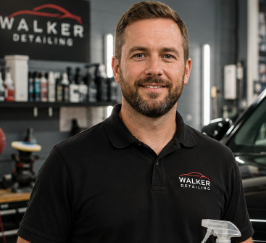
Tech9AutoRepair’s certified technician James Walker notes that condition matters most: quick cleanups cost far less than stain removal or full fabric restoration. This guide breaks down common services, real price ranges, and simple tips you can use to decide whether to hire a pro or tackle parts of the job yourself.
Key Takeways
- Prices vary mainly by vehicle size and how dirty it is.
- Basic details are affordable; specialty services add cost.
- Simple DIY steps can cut professional charges.
Factors Affecting Pricing
Several clear factors drive the price of interior car cleaning: the vehicle’s size, how dirty or damaged the interior is, where the service is done, and any add-on work requested. Each one changes time, materials, and labor needed, which directly affects the final bill.
Vehicle Size and Type
Vehicle size changes cleaning time and product use. Sedans usually cost less than SUVs, minivans, or full-size trucks because they have less floor area, fewer seats, and smaller cargo spaces to clean. Luxury cars and specialty interiors (leather with perforations, Alcantara, or carbon-fiber trims) require gentler, often more expensive products and trained technicians, which raises the price.
Commercial vehicles and vans often need extra effort to remove cargo debris, grease, or heavy dust. Convertibles and vehicles with panoramic glass or extensive electronics may require extra care. Expect a clear price step-up between compact, midsize, and large vehicle classes.
Interior Condition
The starting condition sets the effort level. A lightly used car with normal dust and crumbs takes far less time than one with pet hair, heavy stains, smoke smell, or mold. Technicians often quote by condition: basic clean (vacuum, wipe, window clean), deep detail (shampoo, steam, stain treatment), and restoration (odor removal, upholstery repair).
Stubborn issues need special treatments: enzyme cleaners for urine, high-heat extraction for set-in stains, and ozone or advanced filtration for smoke odors. Each treatment adds materials, machine time, and labor, so a vehicle with heavy soiling can cost two to three times a basic service.
Location and Local Market
Prices vary by city and region because labor and rental costs differ. Urban areas with higher wages and rent usually charge more than smaller towns. Local competition also matters: areas with many detail shops may offer lower base prices or promotions, while areas with few shops may show higher rates.
Season and demand affect cost too. Summer and spring may see higher demand and slightly higher prices. Rural customers might pay travel or mobile-service fees. Customers should compare local shop quotes and check whether price differences reflect included services or only location-driven costs.
Additional Services Requested
Add-ons change the final price quickly. Common extras include: leather conditioning, fabric shampoo, pet-hair removal, odor treatment, steam cleaning, stain extraction, and sanitizing. More specialized services like paint-touch interior trims, seat repair, or headliner replacement cost more and may be billed separately.
Use this simple table to compare typical add-on impacts:
| Service | Typical Time | Price Range (USD) | Why it Raises Cost |
|---|---|---|---|
| Leather conditioning | 15–30 minutes | $25–$75 | Special products and careful application |
| Pet-hair removal | 30–90 minutes | $30–$150 | Labor-intensive brushing and extraction |
| Stain extraction | 20–60 minutes | $30–$200 | Multiple treatments and machine use |
| Odor removal (ozone or enzyme) | 1–4 hours | $50–$250 | Special equipment and repeated cycles |
| Deep carpet/upholstery shampoo | 45–120 minutes | $75–$300 | Extraction machines and drying time |
They should request a detailed quote that lists included tasks and add-on pricing. That avoids surprises and helps compare true value between shops.
Types of Interior Cleaning Services
Most services fall into three common levels: quick maintenance cleaning, deeper restoration and protection, and specialized work for pet hair and odors. Each level uses different tools, time, and products, so prices and results vary.
Basic Interior Cleaning
Basic cleaning focuses on surface dirt and visible crumbs. Technicians vacuum seats, carpets, and floor mats; wipe down the dash, center console, door panels, and cup holders; and clean windows and mirrors. Light stains may receive a spot treatment, and vinyl or plastic trim often gets a quick protectant to reduce sheen and dust attraction.
Basic jobs usually take 30–90 minutes for a standard sedan. This service suits routine upkeep or preparing a car for sale when no heavy soiling exists. Expect lower cost and faster turnaround compared with deeper services.
Deep Cleaning and Detailing
Deep cleaning restores fabric, leather, and trim by removing embedded dirt and stains. Technicians shampoo carpets and upholstery, extract water with a wet-vac or extractor, clean air vents, and condition leather. They may use steam to sanitize and loosen grime, and apply protectants that help resist future stains and UV damage.
This work can take 2–6 hours depending on vehicle size and condition. It targets heavy stains, set-in odors, and ground-in dirt that basic cleaning won’t remove. Prices rise with the level of stain removal, fabric protection, and time required.
| Service | Typical Time | When to Choose |
| Basic Cleaning | 30–90 minutes | Light dirt, regular upkeep |
| Deep Detailing | 2–6 hours | Stains, heavy soiling, restoration |
Pet Hair and Odor Removal
Pet-focused services remove fur, dander, and animal odors that regular cleaning often misses. Technicians use specialty brushes, high-power vacuums, and rubber tools to pull hair from fabric and carpet fibers. For odors, they apply enzymatic cleaners or ozone/ozone-free oxidizers to break down odor-causing molecules rather than just masking smells.
This work can be time-consuming and may require repeat treatments for strong odors or heavy shedding. They often recommend fabric protection afterward to make future hair removal easier and to reduce odor absorption.
Average Price Ranges by Service
Prices change with vehicle size, stain or odor severity, and chosen add-ons like upholstery shampoo or pet-hair removal. Expect a basic interior detail to be far cheaper than a full restorative clean that includes deep stain and odor work.
Standard Costs for Sedans
Most sedans cost between $150 and $300 for a typical interior detail. This usually includes vacuuming, wipe-downs, window cleaning, and light upholstery cleaning.
If the sedan needs stain removal, heavy shampooing, or odor treatment, price commonly rises to $300–$450. Add-ons like steam cleaning or enzyme treatments for pet odors cost extra, often $50–$150 each.
Shops may charge flat rates or tiered packages labeled Basic, Full, and Deep. Customers should check whether the price covers fabric protection, dashboard conditioning, or seat leather cleaning, because those services often add to the total.
SUV and Truck Pricing
SUVs and trucks cost more due to larger interior volume and extra seats. Expect standard interior details to run $175–$350. That covers vacuuming, crevice cleaning, and basic surface treatments.
For larger or three-row SUVs, prices often climb to $300–$500 for deep cleaning. Trucks with heavy-duty use, mud, or work debris can require specialized tools and post-cleaning treatments, adding $75–$200.
Cargo areas, carpeted beds, and rear AC vents are common add-ons. Buyers should confirm whether the quoted price includes pet-hair removal, stain pre-treatment, or odor neutralizers.
Luxury and Specialty Vehicles
Luxury and specialty vehicles typically start at $250–$500 for interior detail work. Technicians use gentle cleaners and specific leather or Alcantara products to avoid damage.
High-end cars often need extra care: delicate surfaces, electronic controls, and specialty trims. Full restorative details, including leather conditioning, trim restoration, and fabric protection, can reach $500–$900.
Classic cars, convertibles, or vehicles with custom interiors may require spot testing and extra labor; shops may charge hourly rates or a custom quote. Customers should ask for materials and process details before booking.
Professional Versus DIY Costs
This section lays out the main cost differences: time and labor, the quality of products and tools, and extra fees that can raise the final price. It gives concrete numbers and trade-offs to help decide whether to hire a pro or clean the car yourself.
Labor and Time Investment
Professionals charge for time and skill. Typical U.S. interior detailing runs about $100–$300 for a standard job and $200–$350 for deep stain extraction. A small sedan often costs less than an SUV or minivan because of size and labor required.
DIY saves money on hourly labor but takes more time. A thorough interior clean at home can take 2–6 hours depending on experience and condition. Beginners spend longer and may need multiple sessions for tough stains.
If someone values convenience and faster results, paying a professional usually makes sense. If they want to save money and have the time, DIY will be cheaper but requires effort and learning.
Product Quality and Equipment
Detail shops use commercial gear that most consumers don’t have. Common pro tools: hot water extractors, truck-mounted vacuums, ozone or enzyme odor treatments, and specialty steamers. These tools improve stain removal and sanitization.
DIY kits cost $10–$50 for basic supplies. A higher-end home extractor or steamer can cost $100–$400 or more. Many DIY cleaners work for surface dirt, but they often fail on deep-set stains or heavy odor problems.
Shops also use professional-grade chemicals and leather conditioners formulated for longevity. That reduces risk of damage. DIY chemicals can be effective but require correct dilution and application to avoid fading, residue, or fabric damage.
Hidden Costs to Consider
Extra charges can appear on a pro invoice. Common add-ons: pet hair removal, tobacco odor treatment, heavy stain extraction, and multiple-seat shampooing. These can add $50–$200 to the base price depending on severity.
DIY hidden costs include buying replacement tools or repeated treatments. For example, a cheap cleaner might need multiple applications, driving costs above a single professional pass. Time lost is a hidden cost too; hours spent cleaning are hours not working or doing other tasks.
A simple HTML table helps compare typical out-of-pocket items:
| Cost Item | Professional | DIY |
|---|---|---|
| Base interior clean | $100–$300 | $10–$50 (supplies) |
| Deep stain extraction | $200–$350 | $100–$400 (equipment + products) |
| Pet hair/tobacco odor | $50–$200 extra | May require multiple products/treatments |
Optional Add-Ons and Their Prices
These add-ons target tough stains, deep sanitizing, and fabric or leather health. Prices vary by vehicle size, material, and how long technicians spend on the job.
Stain and Spot Treatments
Stain and spot treatments remove coffee, grease, ink, and pet stains that regular cleaning can’t lift. Technicians inspect the stain type, then use targeted solvents, enzyme cleaners, or oxidizers. Light surface stains often cost $25–$75 each. Deep-set or chemical stains can run $75–$200 per spot because they need multiple treatments and drying time.
They may charge a minimum fee if several spots exist. Expect higher prices for light-colored or specialty fabrics since they need gentler products and color-locking steps. Always ask for an itemized quote and a guarantee on stain removal attempts.
Steam Cleaning
Steam cleaning uses high-temperature vapor to loosen dirt, kill germs, and remove odors without harsh chemicals. Typical prices fall between $80 and $200 depending on cabin size and how saturated the seats or carpet are. Small cars usually sit at the low end; large SUVs, vans, or heavy-soiled interiors reach the high end.
Steam helps with allergens and mild odors but might not fix oil-based stains or set-in mildew. Technicians often combine steam with extraction; that combo can be listed as a package and may save money versus ordering both separately.
| Service | Typical Price Range | Best For |
|---|---|---|
| Single spot treatment | $25–$75 | Surface stains (food, drink) |
| Deep spot treatment | $75–$200 | Set-in stains, chemical spills |
| Steam cleaning | $80–$200 | Sanitizing, odor reduction, general deep clean |
Upholstery and Leather Care
Upholstery cleaning for cloth seats usually costs $80–$200. Technicians pre-treat stains, steam or shampoo, then extract moisture. Fabric protection (stain guard) adds $20–$75 depending on coverage. Leather care has different steps: clean, condition, and protect. Leather cleaning and conditioning runs $75–$250 based on seat count and wear.
Severely cracked or faded leather may need color restoration, which costs $150–$400. Ask whether the service includes a post-treatment protection layer; that layer prolongs results and often saves money over repeat cleanings.
Choosing a Service Provider
Pick a shop that matches the car’s needs, budget, and timeline. The next parts explain how to compare prices and check a provider’s reputation so readers can pick a reliable detailer.
Comparing Quotes
Ask for itemized quotes from at least three providers. Each quote should list tasks (vacuuming, shampoo, leather conditioning, stain extraction), estimated hours, and materials or chemical types. Compare price per task, not just the final number. A $180 “deep clean” might exclude stain extraction that another $250 quote includes.
Check whether the quote covers pickup/drop-off, interior odor treatment, and warranty on work. Note add-on fees like pet-hair removal or heavy-soil charges. If possible, get photos of the vehicle’s condition and an estimated timeline in writing. This reduces surprises and helps compare apples-to-apples.
Evaluating Reputation and Reviews
Look up local shops on Google, Yelp, and their Facebook page. Focus on recent reviews that mention the same services you need, like upholstery cleaning or mold remediation. Watch for repeated complaints about missed stains, hidden fees, or damage to trim.
Verify credentials such as certifications or training. A detailer trained in fabric care or using industry standards stands out. Check business listings for insurance and bonding; that protects the owner if damage occurs. For technique and product details, refer to a general cleaning standard like the one described on Wikipedia’s car cleaning page. Also consult a trade group for professional practices when evaluating promises and warranties: Specialty Coffee Association (used here only as an example of industry standards) helps illustrate how trade groups publish best practices.
Money-Saving Tips
Smart choices can cut interior cleaning bills without cutting quality. Focus on discounts, timing, and simple upkeep that prevent costly deep-cleaning or restoration later.
Package Deals and Loyalty Discounts
Many detail shops offer bundled services that reduce per-item cost. For example, combining an interior and exterior detail often saves 10–25% versus booking each separately. Ask about tiered packages (basic, standard, premium) and compare what each includes — seat shampoo, carpet extraction, and odor treatment often move a service into a higher tier.
Sign up for loyalty programs. Frequent customers commonly earn a free or discounted detail after a set number of visits. Some shops give recurring customers priority booking and periodic coupons. Always ask if the shop has a referral credit; referring one friend can often knock $10–25 off a future visit.
Request a written list of included tasks before booking. That prevents surprise add-on fees for stain removal or pet hair extraction, which commonly cost extra.
Seasonal Promotions
Detailers run predictable seasonal deals. Late winter and spring often bring discounts to remove salt and grime after harsh weather. Summer can offer bundled promotions tied to vacation or road-trip seasons, while fall may focus on odor and allergen treatments.
Watch local shops’ email lists and social media for flash sales and off-peak pricing. Weekday mornings typically cost less than weekend slots, and mid-month bookings sometimes yield lower rates than end-of-month weekends. Holiday promotions around Memorial Day, Labor Day, and Black Friday often include package upgrades or percentage-off coupons.
Compare 2–3 shops before committing. A quick call can reveal unadvertised specials or last-minute openings at reduced rates.
Maintenance to Reduce Future Costs
Regular upkeep prevents deep stains and costly restorations. Vacuuming seats and carpets every 1–2 weeks reduces embedded dirt that forces extraction services. Wiping spills immediately with a microfiber cloth and mild cleaner cuts stain-set time and avoids dedicated stain-removal fees.
Protect high-wear areas with seat covers or fabric protectant sprays applied after professional cleaning. Conditioning leather every 3–6 months extends life and prevents cracking that would require repair. For tips on fabric care and common cleaning methods, reputable references such as vehicle care guides can offer safe product suggestions.
Keeping a small cleaning kit in the car — microfiber cloth, gentle cleaner, and compact vacuum — lets owners handle minor issues and delay expensive deep cleans.
FAQS
How much does a basic interior clean cost?
A basic interior detail usually runs between $120 and $200 in many U.S. markets. It covers vacuuming, surface wipe-downs, window cleaning, and light dashboard and seat care.
What raises the price?
Deep stains, pet hair, smoke odor, and heavy soiling add time and equipment costs. Larger vehicles like SUVs and trucks also cost more than sedans.
Are there common add-ons and their costs?
Yes. Stain extraction, odor removal, leather conditioning, and steam cleaning are common add-ons. Each can add $30–$150 depending on complexity.
Is DIY cleaning a good option?
DIY saves money for light maintenance and basic messes. Professional detailers work faster and use stronger tools and chemicals for tough jobs.
How often should interior detailing be done?
Many recommend detailing every 3–6 months for upkeep. Less frequent detailing can lead to harder-to-remove stains and higher costs later.
Do prices vary by location?
They do. Urban areas often charge more than rural ones. Local competition and labor costs influence final prices.
What should a customer check before booking?
They should read reviews, ask what’s included, and confirm any extra fees. Clear communication prevents surprise charges and ensures the right service.
Conclusion
They can expect interior detailing to range widely based on service level, vehicle size, and condition. Basic cleans often cost around $100–$250, while deeper or specialty services can reach $200–$600+ for extensive restoration.
Customers should weigh needs against price. A simple refresh suits everyday upkeep. Deep cleaning, stain or odor removal, and leather care justify higher costs when the interior shows heavy wear.
Add-ons and location affect the final bill. Services like steam cleaning, pet-hair removal, and ozone treatments add time and fees. Urban shops and mobile detailers may charge different rates, so comparing estimates helps.
A quick checklist helps decide what to choose:
- Identify priorities: stain removal, odor control, protection.
- Get multiple quotes that list included tasks.
- Ask about products and warranties for treated surfaces.
They can save money by maintaining the interior regularly. Vacuuming, spot-cleaning, and using protectants extend the time between full details. For stubborn issues, professional service often gives better, longer-lasting results.
Informed choices lead to fair value. Knowing typical price ranges and what each package includes helps match services to budget and goals.
