
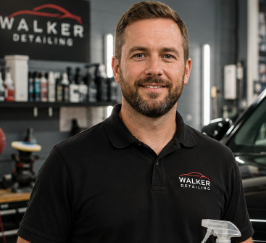
You might wonder whether to leave a tip after an interior car cleaning. Most of the time, tipping is expected for detailing work because technicians spend extra time and care on your vehicle; a tip of about 10–20% of the service cost is a common guideline. James Walker of Tech9AutoRepair.com notes that quality, effort, and whether the service is mobile or at a shop can change what feels fair.
If the job fixed tough stains, removed odors, or restored the interior following heavy wear, you may want to tip toward the higher end. If the cleaner is an owner-operator or the dealership charges a service fee, adjust your tip accordingly; a small cash tip or positive online review also rewards good work.
Key Takeways
- Tipping about 10–20% is a common and fair practice.
- Raise the tip for tougher jobs or exceptional care.
- Non-monetary thanks like reviews can also show appreciation.
Standard Practices in Car Interior Cleaning
Most customers tip based on service type, time spent, and visible results. Expectations change with the shop’s setup, whether it’s a mobile detailer or a fixed-location team.
Professional Detailing Service Etiquette
Detailing shops often run by appointment will usually list prices for packages like “basic clean,” “interior deep,” and “full detail.”
If a single technician works on the car, a tip of 10–20% of the service cost is common. For shops where employees share tasks, tipping the lead technician or leaving a tip at the front desk with a note specifying who cleaned the car helps ensure the money reaches the right person.
Customers should check the receipt for a service charge or gratuity included, especially for large jobs. Cash is preferred by many detailers, but most shops accept card tips; ask staff how they handle gratuities.
Differences Between Full-Service and Self-Service
Self-service bays and automated washes rarely expect tips. A basic self-serve vacuum or coin wash typically does not warrant a gratuity.
For full-service interior cleaning—vacuuming, shampooing carpets, leather conditioning—tipping resembles other service industries and is more common.
Mobile detailers who work at a customer’s home often spend extra time and bring their own supplies. That effort usually justifies tipping toward the higher end of the range. If the job includes stain removal, odor treatment, or pet-hair extraction, consider tipping more for the added labor and expertise.
Regional Variations in Tipping Customs
Tipping norms change by region. In many U.S. cities, tipping 10–15% for detailing is standard, while small towns may see lower or less common tipping.
Some regions have stronger service cultures where tips are expected at full-service car washes and detailing shops. Others treat detailing like a retail service where tips are optional.
The table below summarizes common practices by service and region to help customers decide.
| Service Type | Typical Tip | When to Tip More |
|---|---|---|
| Self-service / Automated | $0 – $2 | Exceptional help from staff or attendants |
| Basic full-service interior | $5 – $10 or 10% | Very thorough cleaning or quick turnaround |
| Deep detail / Mobile detailer | 15% – 20% | Stain removal, odor treatment, heavy pet hair |
Factors That Influence Tipping Decisions
Tipping decisions often depend on specific service details, the customer’s experience, and how much effort the job required. The next parts break down those elements so readers can judge tips based on real factors.
Quality of Cleaning Service
The visible result matters most. If the interior shows no stains, dust is removed from vents, carpets look refreshed, and leather or fabric is treated correctly, many customers tip more. Attention to small areas — cup holders, door jambs, under seats — signals higher skill and care.
Speed alone is not enough. A fast job that misses spots usually earns a standard or no tip. Conversely, a slower, meticulous clean that uses appropriate products and leaves the car smelling fresh often prompts a tip of 10–20% or a flat $10–30 for a typical sedan.
Use this quick checklist to judge quality:
| Criteria | What to look for |
| Surface cleanliness | No dust, streaks, or crumbs on visible surfaces |
| Detailing depth | Crevices, vents, and seams cleaned |
| Product use | Proper cleaners for leather, vinyl, and fabric |
Level of Customer Satisfaction
Customer feelings shape tipping more than rules. If the customer feels listened to, had clear communication about price and timing, and the detailer fixed a prior issue, tips tend to be higher. Friendly, professional behavior can increase a tip even when the job is standard.
If problems arise—missed stains, damage, or lack of promised services—customers often withhold tips or leave a minimal amount. Mobile services that arrive on time and respect the customer’s property (driveway placement, shoe covers) usually get better tips. Repeat customers may give smaller tips per visit but reward loyalty over time.
Complexity of Interior Job
The harder the job, the more tipping is typical. Jobs that include heavy pet hair removal, deep stain extraction, odor removal, or restoration of neglected interiors require extra time and tools. These tasks also risk faster wear on equipment and extra product costs for the detailer.
Detail level often affects tipping amounts:
| Job Type | Typical effort | Tip guidance |
| Basic vacuum and wipe | Low | 5–10% or $5–$15 |
| Deep interior detail | Medium–High | 10–20% or $15–$40 |
| Pet hair/stain/odor removal | High | $20+ or 15–25% |
Comparison With Other Automotive Services
Interior car cleaning usually earns a higher tip than a basic exterior wash and follows different norms than valet or shuttle services. Tips depend on time spent, skill, and whether the worker handled stains, fabric care, or odor removal.
Contrast With Exterior Car Wash Tipping
Exterior washes are often quick and automated. Customers commonly tip 2–5% or a small flat amount ($1–$5) for attendants who rinse or towel-dry by hand.
Interior detailing takes more time and skill. For deep cleaning, stain removal, or leather conditioning, tipping rises to about 10–20% or a fixed $10–$50, depending on job size and results.
Use the table below to compare typical tipping patterns:
| Service Type | Typical Tip | Why |
|---|---|---|
| Basic Exterior Wash | 2–5% or $1–$5 | Fast, often automated; low labor |
| Interior Detail (Standard) | 10–15% or $10–$30 | More time, vacuuming, wiping, light stain work |
| Interior Detail (Deep/Full) | 15–20% or $25–$50+ | Stain removal, shampooing, leather care; higher skill |
Distinctions From Valet and Shuttle Services
Valet attendants handle parking and retrieval quickly and often receive small flat tips. Common amounts are $2–$5 when leaving and $2–10 when the car is returned, with extra for exceptional service or help with bags.
Shuttle drivers who transport customers to nearby locations usually get modest tips, often $1–$5 per ride. They perform little vehicle care, so tips reflect convenience rather than labor intensity.
Interior detailers differ because they work on the car itself for extended periods. Tips reward visible results and effort, not just handoffs or short rides.
Guidelines for Appropriate Gratuity Amounts
When deciding how much to tip for interior car cleaning, consider the job size, time spent, and level of dirt or staining. Use a simple rule of thumb or a flat rate for standard jobs and adjust up or down for extra effort or poor results.
Suggested Tip Percentage or Flat Rate
For routine interior cleaning, a common guideline is 10% to 15% of the service price. If the job costs $50, a tip of $5–$8 is reasonable. For a full interior detail that costs $150, 10%–15% equals $15–$23.
Many customers prefer flat rates instead of percentages for small jobs. Use this quick table to pick a flat amount based on job type:
| Job Type | Service Cost Range | Suggested Flat Tip |
|---|---|---|
| Quick vacuum & wipe | $20–$50 | $3–$7 |
| Standard interior clean | $50–$100 | $5–$15 |
| Full interior detail | $100–$250 | $10–$30 |
If a shop includes a service charge or you prepay a packaged detail, check whether tips are shared. In that case, follow posted guidance or ask the staff.
Tipping for Exceptional or Poor Service
Increase the tip for extra work or tough conditions. If the detailer removed heavy stains, pet hair, or smoke odor, add 15%–25% or a larger flat amount. For example, add $20 for difficult stain removal on a $120 job. This rewards skill and time spent.
For poor service, reduce the tip or skip it. If the job misses promised tasks or causes damage, speak to the manager first. If the issue goes unresolved, leaving no tip signals dissatisfaction while keeping funds reserved for correction.
Alternatives to Monetary Tips
Customers can show thanks in ways that still help the detailer’s business and morale. Practical favors and public praise often matter as much as cash and can lead to future discounts or better service.
Non-Cash Appreciation
Offer tangible items or time that help the detailer work more easily or promote their business. Examples include providing bottled water on hot days, buying small supplies like microfiber cloths or interior cleaners, or supplying a shaded parking spot to keep the car cool during long jobs. These gestures reduce the worker’s costs and show respect for their effort.
Customers can also bring snacks or a quick lunch when a job runs long. A simple handshake and polite note left with the keys still go a long way. For repeat customers, asking for and following the detailer’s care instructions helps preserve their work and saves them return visits.
Writing Positive Reviews
A clear online review can drive new customers and is often worth more than a single tip. Mention specific details in reviews: the date, services performed (vacuum, steam-clean, leather conditioning), and results like “stain removed from rear seat” or “interior smells fresh.” This helps search engines and readers find the business.
Post on Google, Yelp, or the shop’s Facebook page. Linking to the business’s profile or website in a review gives extra SEO value. For guidance on writing useful entries and why reviews matter, see general review best practices on Wikipedia.
Cultural and Societal Considerations
Tipping for interior car cleaning reflects local social rules and changing attitudes about service jobs, pay, and fairness. People should consider how norms, wage structures, and personal values shape tipping decisions.
Impact of Social Norms
In many U.S. cities, tipping for detailed interior cleaning is common and often expected for hand work that takes time. Workers in smaller shops or mobile detail services often rely on tips to boost low hourly wages. In places where tips matter, customers usually tip 10–20% for full interior details or $5–20 for shorter jobs, depending on effort and cleanliness results.
Cultural differences matter. In countries with higher service wages or no tipping tradition, leaving a gratuity can surprise or confuse staff. Tourists should check local customs before tipping. For background on tipping customs and labor norms, readers can consult general overviews like tipping practices on Wikipedia.
Changing Attitudes Toward Tipping
Attitudes toward tipping have shifted as consumers question whether tips should replace fair wages. Some customers now prefer shops that pay higher employee wages and include service fees, removing the need for an extra tip. Shops increasingly display tipping policies or offer digital add-ons that clarify where money goes.
Workers and consumers sometimes clash: employees appreciate tips for extra effort, while some patrons see tipping as an unstable way to supplement income. Clear signage about pay and recommended tip ranges helps reduce confusion and supports fair expectations on both sides.
Advice for Both Customers and Professionals
This section covers clear actions customers can take to show appreciation and practical steps interior cleaning staff can use to improve customer interactions. It focuses on tipping etiquette, verbal thanks, and simple service touches that matter most.
Best Practices for Communicating Gratitude
Customers should tip 10–20% for full interior details and $5–10 for quick interior refreshes, adjusting for service quality. Cash tips handed directly to the worker feel immediate; otherwise use the business’s tip option and note which staff worked on the car.
A brief verbal thank-you and a specific compliment—like “The cup holders are spotless” or “Leather looks restored”—helps staff know what customers value. If the customer wants to praise publicly, leaving a positive online review that names the technician boosts their reputation.
If a customer discovers a missed spot, they should mention it politely before leaving. That gives staff a chance to fix it without reducing the tip. Clear, calm communication prevents misunderstandings.
Tips for Interior Cleaning Staff on Customer Interaction
Staff should introduce themselves and state the expected time for the job at drop-off. Short clarity about what the service includes avoids unmet expectations and increases chances of a tip.
When finishing, point out any added care taken—such as odor treatment or stain removal—so customers see the value. Offer simple, honest aftercare advice like “Use a damp cloth on leather once a month” to build trust.
If a customer raises an issue, listen without interruption and offer a quick fix or a way to correct it at no extra charge when possible. A polite, solution-focused reply turns complaints into positive experiences and can lead to repeat business and better tips.
FAQS
Do you have to tip for interior car cleaning?
Tipping is not required, but it is common and appreciated. Many customers tip to acknowledge time and effort, especially for deep or detailed work.
How much should someone tip?
Typical tips range from $5–$20 for basic cleanings. For full interior details, 10–20% of the service cost is a common guideline.
Does tipping differ for mobile cleaners or shops?
Yes. Mobile detailers often work alone and may expect a tip similar to in-person service workers. At a shop, tips may be pooled or given to a specific technician; asking the staff is fine.
What if the service is poor or extra work is needed?
If the job is unsatisfactory, the customer should first discuss the issue with management. They can withhold or reduce the tip until the problem is fixed.
How should someone give a tip?
Cash handed directly to the technician is simplest and often preferred. If paying by card, ask whether a tip can be added or if the shop will distribute it.
Are there exceptions, like ceramic coatings or dealership services?
High-value or warranty-covered services sometimes follow different expectations. For long, specialized jobs, a modest tip still shows appreciation but is less expected.
Conclusion
Tipping for interior car cleaning usually shows appreciation for time and effort. Many people give a small flat amount for quick jobs and 10–20% for deeper or longer services.
If the cleaner worked on stains, shampooed carpets, or conditioned leather, a larger tip fits the extra labor. For simple wipes and vacuuming, a $5–10 tip often feels fair.
Mobile detailers who travel to the customer often expect tips similar to shop workers. Dealership or chain services may pay staff differently, so tipping remains optional but appreciated.
They should consider service quality, complexity, and local norms when deciding how much to tip. When in doubt, rounding up the bill or asking the shop about tipping practices keeps things respectful and simple.
