
You can expect basic detailing to start around $100, full interior-and-exterior details to run $175–$400, and specialty services like ceramic coating or paint correction to cost $500–$2,500 depending on size and condition. If you want a clean car without surprises, budget by service level and vehicle size—basic, full, or premium—and plan for add-ons like stain removal or ceramic coating that raise the price.
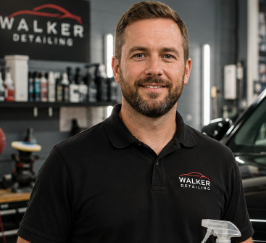
Tech9AutoRepair’s James Walker notes that condition and prep work drive most price differences; heavy stains, pet hair, or paint contamination add time and cost. You’ll learn which services fix specific problems, which DIY steps save money, and when a pro’s tools and treatments are worth the extra expense.
Key Takeaways
- Basic, full, and premium levels set the main price ranges.
- Vehicle condition and add-ons mainly determine the final cost.
- Smart DIY steps and the right pro services protect value and cut long-term costs.
Types of Car Detailing Services
Detailing services vary by focus and time spent. Prices and results depend on whether the job targets paint, interior surfaces, or both, and whether protective coatings are applied.
Exterior Detailing
Exterior detailing targets the vehicle’s paint, trim, wheels, and glass. It usually starts with a full wash and decontamination, including clay bar or mechanical decon to remove bonded contaminants. Technicians then correct paint defects using compounding and polishing to reduce swirl marks and light scratches.
After correction, they apply protection: wax, sealant, or ceramic coating. Wheel cleaning, brake dust removal, and tire dressing are standard. Headlight restoration and trim conditioning may be included or offered as add‑ons.
Typical time: 1–6+ hours depending on vehicle size and paint condition. Results improve resale value and protect surfaces from UV, road grime, and water spots.
Interior Detailing
Interior detailing focuses on cleaning and restoring seats, carpets, dash, door panels, and cup holders. It usually begins with a deep vacuum, followed by shampooing carpets and upholstery or steam cleaning leather and fabric.
Detailers clean vents, crevices, and electronics using brushes and compressed air. Stain removal, odor treatment (ozone or enzyme cleaners), and leather conditioning are common add‑ons. Interior plastic and vinyl get treated with protectants to reduce cracking and fading.
Typical time: 1–4 hours, depending on mess and vehicle size. A thorough interior detail improves hygiene, removes allergens, and restores cabin appearance.
Full-Service Packages
Full-service packages combine exterior and interior work into one job. They generally include wash, clay, polish, interior vacuum, shampoo, leather care, and basic paint protection. Premium full-service options add multi-stage paint correction, long‑lasting ceramic coatings, engine bay cleaning, and advanced odor removal.
Below is a simple comparison table of common full-package tiers:
| Tier | Typical Inclusions | Time | When to Choose |
|---|---|---|---|
| Basic | Wash, vacuum, window clean, tire shine | 1–2 hrs | Light maintenance, quick refresh |
| Standard | Deep clean interior, polish paint, protectant | 2–4 hrs | Regular upkeep, moderate wear |
| Premium | Multi-stage correction, ceramic coat, interior shampoo | 6+ hrs to multiple days | Showroom finish, severe wear, long-term protection |
Full packages save time and often cost less than buying services separately. They suit owners who want a complete refresh and longer-lasting protection.
Pricing Factors
Price depends on three main things: the car’s size and type, how complex the chosen services are, and how dirty or damaged the vehicle is. These drive most of the time, products, and skill needed for a detail.
Vehicle Size and Type
Vehicle size directly affects labor and product cost. Small sedans usually take less time and fewer cleaning agents than large SUVs or full-size trucks. Detailers often use tiered pricing like compact / midsize / large / extra large to reflect these differences.
Special vehicle types raise prices further. Luxury cars with delicate materials, older classics with fragile trim, and vehicles with raised suspensions or extra roof height require extra care. Additionally, convertibles and vehicles with third-row seating need more interior work compared with two-row cars.
| Vehicle Type | Typical Time | Why Price Changes |
|---|---|---|
| Compact sedan | 1.5–2.5 hours | Smaller cabin, less product use |
| SUV / crossover | 2.5–4 hours | Larger surfaces, more vacuuming |
| Truck / van | 3–5 hours | Bed, tall panels, extra cleaning |
Service Complexity
Simple packages cost less than multi-step services. A basic exterior wash and interior vacuum focuses on time-saving steps. Mid-level details add polish, shampoo, and leather conditioning. Premium packages include clay decontamination, machine polishing, paint correction, and ceramic coating.
Each added process increases labor, tools, and materials. Machine polishing needs pads and polish; paint correction requires skill and multiple passes. Ceramic coating adds product cost and several curing hours. Add-on items like pet hair removal, odor treatment, or headlight restoration are priced separately and can double labor time.
Condition of the Vehicle
A lightly used car with routine cleaning needs normal time and standard products. Vehicles with heavy stains, mold, pet hair, or ground-in dirt take far longer. Stain removal, smoke odor, and traffic film require stronger chemicals and repeat treatments.
Damage also raises price. Scratches, oxidation, and faded trim need corrective measures like compounding or trim restoration. Detailers often charge a condition fee or quote after inspection when they expect extra labor or specialty products.
Average Costs by Service Level
Prices vary by vehicle size, condition, and location. Readers can expect three main tiers: quick exterior washes and basic interior cleanups, mid-level packages with stain removal and light paint care, and premium services that include paint correction, ceramic coating, or protection film.
Basic Packages
Basic packages handle surface dirt and light debris for drivers who want a quick refresh. Typical services include an exterior wash, tire dressing, window cleaning, and a vacuum of carpets and seats.
Average cost range:
| Vehicle Size | Typical Price |
|---|---|
| Compact | $30–$75 |
| Sedan / SUV | $40–$100 |
| Large SUV / Truck | $50–$125 |
These packages usually take 30–90 minutes. They rarely include deep stain removal, shampooing, or paint correction. Add-ons such as pet hair removal or odor treatment raise the price.
Standard Services
Standard services go deeper to restore cleanliness and address minor wear. They commonly include full interior shampoo or steam cleaning, clay bar treatment, light polish, and more detailed trim and wheel cleaning. Technicians spend more time on crevices, fabric conditioning, and basic odor control.
Typical price range:
| Service Type | Price Range |
|---|---|
| Interior Detail | $100–$250 |
| Exterior Detail (polish + sealant) | $150–$350 |
| Full Detail (interior + exterior) | $175–$400 |
Standard jobs usually take 2–5 hours. Prices climb if seats are heavily soiled, if deep carpet extraction is needed, or if the vehicle is larger than average.
Premium Options
Premium options target paint correction, long-term protection, and show-quality finishes. Services include multi-stage paint correction, ceramic coating (often $500–$2,500), and paint protection film (PPF). These require skill, specialty products, and multiple hours or days of work.
Cost breakdown examples:
- Paint correction: $300–$1,500 depending on stages and panel count.
- Ceramic coating: $500–$2,500 by vehicle size and coating quality.
- PPF: $800–$4,000+ for partial to full coverage.
Premium work often carries warranties and maintenance plans. Customers should expect multi-day scheduling and higher labor and material charges.
Optional Add-Ons and Upgrades
These add-ons target specific problems and protect value. Prices vary by vehicle size and service level; expect higher costs for larger vehicles or heavy damage.
Paint Protection
Paint protection usually comes as wax, sealant, or ceramic coating. Wax and sealant last weeks to months and cost less. Ceramic coatings bond to the paint, last 1–5 years, and resist light scratches and chemical stains.
Detailers often include paint correction before applying protection. Paint correction removes swirl marks and oxidation and can add labor and cost. Ceramic coatings require careful surface prep and curing time, so the vehicle may need to stay at the shop for several hours or overnight.
Ask for specific durability claims, warranty terms, and maintenance needs. A clear price breakdown should list prep, coating product, labor hours, and any top coats or hydrophobic treatments.
Odor Removal
Odor removal targets smoke, pet smells, mildew, and food odors. Basic deodorizing uses ozone or enzyme sprays and may neutralize light odors in one session. Severe or embedded odors require deep cleaning of upholstery, carpets, and vents.
For smoke or pet urine, technicians often use a multi-step plan: deep shampoo, hot water extraction, targeted enzyme treatment, and an ozone or fogger session. This raises costs because of extra labor, repeat treatments, and possible part replacement like foam under seats.
Clients should request an odor assessment and an expected number of treatments. Detailers should state if they can guarantee odor elimination or only reduce it, and list any follow-up care to prevent return of the smell.
Advanced Stain Treatment
Advanced stain treatment handles oil, ink, dye transfer, and set-in food or drink stains. The process starts with spot testing to choose solvents that won’t damage fabric or leather. Technicians use targeted chemicals, agitation tools, and heated extraction when safe.
Some stains need multiple passes spaced over days to fully lift. Leather requires different products and conditioning after stain removal. Carpet backing or trim damage may mean partial replacement instead of repair, which increases final cost.
Ask for a written plan that lists products, number of passes, and risk of discoloration. Reputable detailers will provide before-and-after photos and explain when replacement is the only durable option.
Mobile vs. In-Shop Detailing
Mobile detailers come to the customer and save travel time. In-shop services use a controlled workspace and often offer bigger equipment and harder-to-find services.
Convenience and Accessibility
Mobile detailing saves the customer time by coming to a home, office, or event location. App-based booking and on-site payment often let the customer schedule within a day. Mobile teams usually work with limited water access and smaller generators, so multi-day jobs or heavy polishing may not be possible on-site.
In-shop detailing requires the customer to drive to the facility. Shops usually accept drop-offs and can store the vehicle for longer jobs. Because shops have fixed plumbing and larger power capacity, they can run high-speed polishers, steam machines, and paint-correction equipment that mobile units may avoid.
HTML table comparing access and logistics:
| Mobile | In-Shop | |
|---|---|---|
| Booking | On-site scheduling, flexible times | Appointment or drop-off windows |
| Travel | No travel for owner | Owner must drive vehicle to shop |
| Equipment limits | Smaller, portable gear | Full-size machines and bays |
| Weather impact | More affected by weather | Indoor work, weather-proof |
Service Inclusions
Mobile packages typically include wash, interior vacuuming, window cleaning, basic trim dressing, and light waxing. Many mobile detailers list add-ons like carpet shampoo, pet-hair removal, or clay-bar service for extra fees. Customers should check whether water, power, and disposal are included in the quoted price.
In-shop packages often feature the same basics plus heavier paint-correction, machine polishing, ceramic coating prep, and full steam extraction. Shops can offer bundled multi-step processes such as decontamination, compound polish, and protection layers more reliably. The customer should ask for a written list of included services, estimated time, and any possible upcharges before booking.
Regional Price Variations
Prices for car detailing change with location, demand, and local costs. Urban areas often charge more due to higher rent and labor, while rural areas can be cheaper but have fewer service options.
Urban vs. Rural Locations
Detailing in big cities like Houston, Los Angeles, or New York often runs 20–60% higher than in small towns. Shops in dense metro areas face higher rent and hourly wages, so a basic interior clean that costs $80 in a rural area may be $120–$160 in the city. High-end services such as ceramic coating or paint correction see even larger gaps because trained technicians and specialty materials cost more in urban markets.
Availability also differs. Cities usually offer more specialized detailers and mobile teams, which raises choice and price competition. Rural customers may travel farther for a full-service shop. Local taxes and permit fees can add to final costs in some states.
Seasonal Pricing Trends
Detailing prices rise in spring and fall when drivers prepare for or recover from harsh weather. Demand spikes after winter salt and spring pollen, pushing up same-week booking rates by 10–30% at many shops. Conversely, mid-summer and late winter can bring discounts as shops fill slow weekdays and keep staff busy.
Weather events affect materials and labor needs. After storms or road-salt periods, shops often add corrosion checks, deep carpet treatments, and extra drying time, which increases the bill. Some detailers offer off-season packages or bundled services to smooth demand; customers who book weekday or off-peak slots often save 10–20%. For background on climate and seasonal effects, see seasonal weather.
Ways to Save on Detailing Costs
Smart choices can cut costs without cutting quality. Picking the right package or doing parts of the work at home often saves the most money while keeping the car protected and looking good.
Package Deals
Package deals bundle services like wash, wax, interior vacuum, and trim dressing for a lower per-item price. Customers should compare what each package includes — look for minutes or hours of labor, number of steps for paint correction, and whether products like sealants or ceramic boosters are included.
Watch for seasonal promotions and loyalty discounts. Many shops offer reduced rates in slow months or percentage discounts after a set number of visits. Ask if mobile detailers charge a travel fee; bundling multiple services in one appointment can remove that extra cost.
Check reviews and warranties before buying a bundle. A cheaper package with poor results wastes money. If unsure about a ceramic product, read a neutral overview like the one on ceramic coating to understand longevity and maintenance needs.
DIY Alternatives
Doing parts of the detailing at home cuts labor costs. Basic tools — a microfiber wash mitt, two buckets, pH-balanced car shampoo, and a vacuum — handle regular maintenance. Concentrate on weekly washes and monthly interior cleaning to reduce the need for full professional details.
For paint protection, consider applying a polymer spray sealant yourself instead of paying for a professional ceramic job. Practice on a small panel first and follow product instructions. Use a clay bar only when contamination is obvious; overusing it can wear clear coat over time.
If time is short, hire pros for complex tasks like heavy oxidation, paint correction, or full ceramic application, and do routine upkeep at home. This split approach lowers annual costs while keeping results high.
FAQS
- How much does a basic detail cost?
A basic exterior and light interior clean often ranges from about $100 to $150. Price varies by vehicle size and local market. - What affects the final price?
Vehicle size, condition, and chosen services matter most. Extras like ceramic coating, paint correction, or deep stain removal raise the cost. - How often should a car be detailed?
Many recommend a full detail every 4–6 months for regular drivers. Light maintenance washes can be done more often to protect surfaces. - Is mobile detailing more expensive than shop service?
Mobile services can be similar or slightly higher due to convenience. Some shops charge less because of on-site equipment and fixed locations. - Will detailing fix paint damage or dents?
Detailing can improve light scratches and surface defects through polishing. It cannot repair dents or deep structural damage. - How long does a full detail take?
A full detail usually takes 2–6 hours. Complex jobs or larger vehicles can require more time. - Does detailing protect the car long-term?
Treatments like wax or ceramic coating add protection; longevity depends on product quality and care. Reapplication and regular maintenance extend results.
They should ask the detailer for a written list of included tasks and any guarantees before agreeing to service.
Conclusion
They can expect detail prices to fall into clear ranges: basic cleans are cheaper, full details cost more, and specialty services like ceramic coating carry the highest price. Vehicle size and the car’s condition change the final bill.
Choosing a detail depends on goals and budget. For regular upkeep, a basic or mid-level package keeps value and appearance. For long-term protection, investing in higher-end services makes sense.
To pick the right option, they should compare local providers, read recent reviews, and ask for itemized estimates. Simple questions about products, warranties, and included steps reveal value.
A quick checklist helps decide:
- Budget range (low, medium, high)
- Desired results (cleaning, shine, protection)
- Vehicle size and condition
- Warranty or follow-up services
They will get the best outcome by being clear about needs and confirming what each package covers. Booking sooner after noticing dirt or wear avoids tougher, more expensive work later.
