
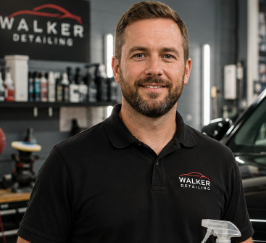
You can buy car cleaning products at big box stores, auto parts shops, specialty detailing stores, and online marketplaces that ship fast to your door. Local hardware and retail chains like Home Depot, Walmart, Lowe’s, Ace Hardware, and Target carry basic and mid-range cleaners, while specialty shops and online retailers offer pro-grade and eco-friendly options. Tech9AutoRepair’s James Walker notes that picking the right product depends on your surface, the type of soil, and whether you want quick maintenance or long-term protection.
If you prefer hands-on advice, visit a local detailing shop to see products and get tips on safe techniques for paint, upholstery, and glass. Shopping online gives a wider choice—including kits, ceramic coatings, and verified brand items—but always check product specs and authenticity before buying.
Key Takeaways
- Big-box and hardware stores cover everyday car cleaners and kits.
- Specialty shops and online sellers offer pro-grade and eco-friendly options.
- Match product type to surface and maintenance goals for best results.
Popular Retailers for Car Cleaning Supplies
This section lists places that stock a wide range of car cleaning items and notes what each type of store typically offers. It highlights product variety, price points, and shopping convenience so readers can choose where to buy for their needs.
National Automotive Chains
National automotive chains carry a broad selection of car cleaning products aimed at DIYers and professionals. They usually stock wash soaps, waxes, interior cleaners, tire dressings, and basic tools like microfiber towels and brushes. Staff often know product differences and can recommend suitable options for paint type, leather care, or wheel-safe cleaners.
Many chains offer loyalty programs, seasonal discounts, and online ordering with in-store pickup. Prices sit between big-box and specialty shops, making them a good middle ground. Chains also tend to carry national detailing brands and some specialty products like ceramic maintenance sprays and clay bars.
| Feature | Typical Offerings | Best For |
|---|---|---|
| Product range | Soaps, polishes, interior cleaners, tools | Everyday maintenance |
| Service | Knowledgeable staff, recommendations | Guided purchases |
| Pricing | Mid-range | Value without specialty markup |
Big-Box Stores
Big-box retailers sell car cleaning products alongside general household and outdoor goods. Shoppers can find mainstream car wash soaps, all-purpose cleaners, vacuums, and low-cost tool kits. These stores often offer the best prices on basic supplies and frequent sales on bulk items like microfiber packs.
They usually stock popular national brands and some private-label options. Availability of high-end detailing chemicals can be limited, so buyers seeking specialty compounds or professional-grade coatings should check product lists online or visit specialty shops. Big-box stores excel for budget shopping and one-stop convenience.
Local Auto Parts Shops
Local auto parts shops provide personalized service and often carry regional and specialty brands not found at larger retailers. Staff typically understand local car care needs, such as products suited to regional climate or road salt concerns. They can recommend products for older cars, rare finishes, or restoration projects.
Smaller shops may also offer niche items like paint-correction pads, high-strength degreasers, and professional-grade polishes. Prices vary; some items may cost more than at chains, but the expertise and tailored product mix can save time and reduce buying mistakes.
Online Shopping Platforms
Buyers can choose sites that focus on car care, large marketplaces with many brands, or buy directly from makers. Each route offers different choices, shipping speed, and product support.
Specialty Automotive Websites
Specialty sites sell professional-grade cleaners, waxes, and tools. They stock brands used by detailers and often list product specs like pH, dilution ratios, and intended surfaces. Customers can filter by product type (shampoo, sealant, clay bar), application method, or vehicle surface.
These sites usually offer expert advice through guides, how-to videos, and customer support that understands detailing terms. Shipping options sometimes include bulk kits or freight for heavy equipment.
| Benefit | What to Expect |
|---|---|
| Depth of selection | Multiple professional brands and specialty chemicals |
| Product detail | Technical specs, usage instructions, MSDS links |
| Support | Detailing advice, compatibility help |
E-commerce Marketplaces
Marketplaces host many sellers and brand options in one place. Buyers can compare prices, read many reviews, and see seller ratings. They can find everything from cheap wash mitts to high-end ceramic coatings.
Watch for inconsistent seller listings and counterfeit items. Check seller feedback and return policies before buying. Fast shipping and easy returns are often available for items sold by the marketplace itself.
Direct-from-Brand Stores
Buying from a brand’s own store gives true-source products and the best chance for authenticity. Brands often offer exclusive kits, limited editions, or loyalty discounts. They also publish exact instructions and warranty coverage for products they make.
Direct stores handle technical questions about their formulas and may offer samples or training. Shipping speed varies, but support for returns or warranty claims usually goes through the brand’s customer service.
Specialty Detailing Shops
Specialty detailing shops focus on high-quality products and expert advice. They sell hard-to-find items, offer testing-size options, and often provide polishing or coating services alongside retail sales.
Premium Detailer Boutiques
Premium detailer boutiques stock pro-grade waxes, ceramic coatings, and single-origin polishing compounds. They often carry brands like Meguiar’s, Gtechniq, and RUPES in small and full-size formats. Staff at these shops can explain pad choice, grit progression, and cure times for coatings, which helps buyers avoid common mistakes.
Many boutiques offer demo stations or on-car samples so customers can see results before they buy. They may also sell detail kits assembled for a specific task, such as swirl removal or paint protection. For more on coatings and chemical categories, see a reliable reference on surface coatings like coating chemistry.
Exclusive Product Lines
Exclusive product lines in specialty shops include small-batch formulations, collabs with pro detailers, and limited-edition scents. These items often use higher-quality abrasives, refined carrier oils, or unique polymers not found in mass-market products. Buyers get access to proprietary compounds, backing formulas, and advanced applicators.
Shops that carry exclusive lines frequently offer training sessions or printed tech sheets showing dilution ratios, dwell times, and safety steps. That guidance reduces wasted product and improves results. Some stores also provide refill programs or bulk pricing for repeat customers.
Choosing the Right Car Cleaning Products
Pick products that match the vehicle’s materials, the kind of dirt to remove, and how often the owner will clean. Prioritize gentle formulas for delicate surfaces, stronger cleaners for heavy grime, and protective finishes for paint and upholstery.
Considerations for Different Vehicle Types
Different vehicles have different surfaces and needs. For painted cars, use pH-balanced car wash soap and a soft microfiber mitt to avoid swirl marks. For older cars with thin clearcoat, choose a non-abrasive polish or a waterless wash to reduce wear.
Trucks and SUVs that see mud and road salt need a heavy-duty soap and an undercarriage-safe degreaser. Off-road vehicles benefit from fast-rinse formulas and wheel cleaners that remove brake dust and grime.
Leather seats require a pH-neutral leather cleaner and a conditioner to keep the leather supple. Vinyl and plastic dashboards clean well with a mild interior cleaner and a UV protectant to prevent cracking and fading.
Matching Products to Cleaning Needs
Match the product to the specific problem: dirt, stains, odor, or protection. Use these common pairings:
| Problem | Recommended Product |
| General exterior dirt | pH-balanced car wash soap + microfiber mitt |
| Brake dust / wheels | iron-remover wheel cleaner |
| Bug splatter / tar | tar and bug remover |
| Interior stains | fabric/upholstery cleaner or enzyme stain remover |
| Leather care | leather cleaner + conditioner |
| Paint protection | wax, sealant, or ceramic coating |
Read labels for dilution ratios and surface compatibility. Test any new cleaner on a hidden spot first. Follow manufacturer directions to avoid damage and to get the best results.
Distinguishing Professional vs. Consumer Grades
Professional-grade products often have higher concentrations and require dilution. They deliver stronger cleaning power and may need gloves or masks during use. Pros choose them for efficiency and repeatable results.
Consumer-grade products are usually pre-mixed and easier to use. They suit weekend detailers and people who want safer, simpler application. Many consumer products now borrow tech from pro lines, like polymers or ceramic-infused sprays.
Compare cost-per-use, not just sticker price. A concentrated pro product can be cheaper per wash if diluted correctly. Also check safety notes: pro products may not be safe for all materials without correction steps.
Availability of Eco-Friendly and Natural Options
Eco-friendly car care products now appear in mainstream stores and specialty outlets, with many labeled biodegradable, plant-based, or non-toxic. Buyers can find options that reduce harsh chemicals, limit VOCs, and use safer surfactants for runoff.
Biodegradable Cleaning Solutions
Biodegradable car soaps and cleaners break down into simple, non-harmful compounds after use. They often use plant-derived surfactants and avoid phosphates, ammonia, and strong solvents that harm waterways.
Shoppers will find concentrated formulas that dilute for multiple washes, which lowers packaging waste and shipping impact. Many waterless wash products also advertise biodegradability and let users clean without hose runoff.
When choosing, check third-party claims like OECD biodegradability tests or clear ingredient lists. If runoff goes into storm drains, look for “readily biodegradable” on the label and avoid products listing “contains petroleum distillates.”
Eco-Conscious Brands
Several brands focus on plant-based, low-VOC, and recyclable packaging for car care lines. They range from large retailers’ private labels to smaller companies that specialize in biodegradable detailing kits.
Retailers like national e-commerce sites and automotive stores stock full eco kits, including exterior wash, interior cleaners, and tire dressings. Smaller eco brands often highlight compostable concentrates, refill pouches, or reusable spray bottles.
Buyers should compare product performance, ingredient transparency, and packaging. Look for brands that publish ingredient lists, performance testing, or certifications like biodegradable claims verified by independent labs.
Price Ranges and Promotional Offers
Prices vary by product type, brand, and where it is bought. Shoppers can expect choices from low-cost basics to premium professional-grade chemicals, plus seasonal and volume discounts.
Budget-Friendly Selections
Many retailers offer inexpensive basics like car wash liquid, interior cleaner, and tyre shine for casual users. Typical single-bottle prices range from about $3–$10 for store-brand or economy options and $8–$20 for entry-level name brands. These suit routine washing and light interior cleaning.
Supermarkets, big-box stores, and online marketplaces frequently run multi-buy deals or weekly sales on these items. Look for “value” sizes (1–5 L) and carry promotions such as buy-one-get-one or percentage-off coupons to lower per-use cost.
Shoppers should check ingredient labels. Cheaper products often omit specialized polymers or paint-safe surfactants that protect wax and clear coat. For occasional use, the savings usually justify the trade-offs.
Bulk Purchase Discounts
Buying larger quantities cuts cost for businesses or owners who clean often. Professional-grade car shampoos, degreasers, and ceramic sealants commonly come in 5 L, 20 L, or drum sizes with steep unit-price drops.
| Volume | Typical Price Range | Best For |
|---|---|---|
| 1–5 L | $8–$40 | Home users, occasional detailers |
| 5–20 L | $30–$150 | Small fleets, mobile detailers |
| 200 L drum | $200–$800+ | Commercial shops, high-volume operations |
Wholesale suppliers, specialty distributors, and some online stores list tiered pricing or negotiated rates for repeat orders. They may also offer free shipping thresholds, account credit, or promotional samples to new customers. Buyers should compare unit price, shipping, and return policy before committing to large packs.
Verifying Product Authenticity
Buyers should check packaging details, seller credentials, and product codes before buying. Look for serial numbers, tamper-evident seals, and trusted seller proof like company websites or authorized dealer listings.
Avoiding Counterfeit Products
They should inspect labels and packaging closely. Genuine car care brands use consistent logos, batch codes, and clear ingredient lists. Faded printing, missing lot numbers, or odd spelling often signal fakes. Scan barcodes or GTINs when available and compare the code to the brand’s site or a global registry to confirm a match.
Use the product’s serial number or QR code to verify authenticity. Many brands offer verification tools or partner apps that cross-check codes against their databases. If a deal seems much cheaper than usual, assume higher risk and avoid buying.
Keep receipts and original packaging until they confirm the product works. That makes returns and fraud claims easier if something proves counterfeit.
Authorized Dealer Networks
They should prefer buying from authorized dealers listed by the brand. Authorized dealers get direct shipments and warranty support, which reduces the risk of counterfeit or expired items. Check the brand’s official website for a dealer locator or a statement of authorized sellers.
Online marketplaces can be safe if the seller displays proof of authorization. Look for seller storefronts with clear business names, contact info, and positive reviews over time. Brands sometimes publish authorized seller lists or use services like Verified by GS1 to confirm product and company identity.
When in doubt, contact the brand directly to confirm a seller’s status before purchase. For background on product identifiers and global registries, see barcode standards.
FAQS
What types of stores sell car cleaning products?
They can buy products from big retailers like Walmart and Amazon, auto parts stores such as NAPA, specialty detailing shops, and wholesale suppliers for professionals. Each option offers different price points and product ranges.
Are online stores reliable for these purchases?
Yes. Online stores often show customer reviews, full product details, and competitive prices. They also let buyers compare brands and find hard-to-get items.
What should they look for when choosing a product?
Check the product label for intended use (interior, exterior, paint, glass). Look for safety instructions and compatibility with the car’s surfaces. Reviews and brand reputation help too.
Can they buy professional-grade products without a trade account?
Many retailers sell professional products to the public, and some wholesalers offer bulk options without strict trade-only restrictions. Professional kits may cost more but often last longer.
Is it better to shop in-store or online?
In-store shopping lets them see labels and ask staff for advice. Online shopping offers wider selection and easier price comparison. They should choose what fits their needs and convenience.
How can they save money?
Buy kits that bundle multiple items, watch for sales at big-box stores, and consider bulk purchases for frequent use. Loyalty programs and coupons also lower costs.
Conclusion
They can buy car cleaning products from many places, each with clear benefits. Local auto shops and big-box retailers offer convenience and immediate pickup. Online specialist retailers and marketplaces provide a wider selection and customer reviews.
Shoppers should match the product to the task. Basic soap and a good microfiber cloth work for routine washes. For paint correction, waxes, polishes, and dedicated compounds give better results.
Price and expertise matter. Supermarkets and general stores often carry affordable basics. Specialist stores and detailing brands sell higher-performance items and offer guidance.
They should check reviews and ingredient lists before buying. This helps avoid products that harm paint or trim. Buying from trusted sellers reduces the risk of counterfeit or low-quality items.
A simple checklist helps when choosing:
- Purpose: wash, polish, interior, or protection.
- Compatibility: safe for paint, glass, or fabric.
- Reviews: real-user feedback and ratings.
- Value: cost per use, not just sticker price.
They can mix and match sources to meet different needs. Buy everyday supplies locally for speed, and order specialty items online for variety. This approach keeps the car clean without overspending.
