
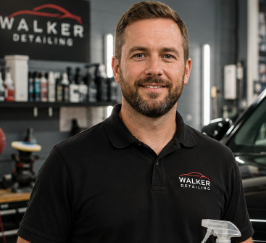
You can find car cleaning supplies at major retailers, auto parts stores, and online marketplaces, so you can pick what fits your budget and needs quickly. Local specialty shops and dealership service centers also carry pro-grade products and can offer advice on the best cleaners and protectants for your vehicle.
James Walker from Tech9AutoRepair.com notes that choosing the right product matters for paint, upholstery, and long-term protection; look for purpose-made cleaners, quality waxes or coatings, and safe tools to avoid damage. Buy common supplies at big-box stores or online for convenience, and visit specialty shops or service centers when you need professional-grade items or expert guidance.
They will find tips on saving money, eco-friendly options, and step-by-step care later in the article to help keep a car looking its best.
Key Takeaways
- Major retailers and online stores offer convenience and wide selection.
- Specialty shops and service centers provide pro-grade products and expert advice.
- Choose products that match the task to protect paint and interior materials.
Types of Car Cleaning Products
This section lists the main product categories used on vehicles and explains what each does, where to use it, and key selection tips. It focuses on practical choices for interiors, bodywork, and glass to help buyers pick the right items.
Interior Cleaners
Interior cleaners target upholstery, carpet, vinyl, leather, and plastics. Fabric and carpet cleaners use foaming or spray formulas to lift dirt and stains; they often require agitation with a brush and extraction or blotting to remove residue. For leather, pick a pH-balanced cleaner labeled safe for automotive leather to avoid drying or cracking. Vinyl and plastic cleaners often include conditioners or protectants to restore color and reduce UV damage.
Spot-test any product in an unseen area first. For tough stains, use a dedicated upholstery stain remover or an extractor machine. Many interior kits bundle microfiber towels, brushes, and applicator pads—those tools improve results more than a cheaper chemical alone.
| Surface | Recommended Product | Key Tip |
|---|---|---|
| Fabric/Carpet | Foam or spray carpet cleaner | Brush and blot or extract moisture |
| Leather | pH-balanced leather cleaner + conditioner | Wipe gently; avoid harsh chemicals |
| Vinyl/Plastic | All-purpose interior cleaner or vinyl cleaner | Apply protectant to prevent fading |
Exterior Formulas
Exterior products include car wash soap, wheel cleaner, bug and tar remover, clay bars, polish, and wax or sealant. Use a pH-neutral car shampoo with a two-bucket wash method and microfiber mitt to protect paint. Wheel cleaners come in acid-based and non-acid formulas; choose non-acid if wheels have delicate finishes. Clay bars remove bonded contaminants before polishing.
Polish corrects light swirls and oxidation; use a machine polisher for faster, more even results. Waxes and paint sealants protect the clear coat; sealants last longer while carnauba wax gives a deeper gloss. For wheels, tires, and wheel wells, include a dedicated brush and tire dressing that is water-based for a natural look.
Glass and Window Solutions
Glass cleaners remove fingerprints, road film, and water spots from windows and mirrors. Pick an ammonia-free glass cleaner to avoid tint damage. Spray on glass and wipe with a lint-free microfiber, using an S-pattern to avoid streaks. For heavy water spots, use a dedicated glass polish or a mild acid solution designed for automotive glass.
Rain repellents and hydrophobic coatings add water beading to aid visibility in rain. Apply these only to clean, dry glass and follow curing times on the label. For inside windshield haze, use a dedicated glass cleaner and a clean microfiber; ammonia-free formulas prevent fogging and protect tint.
Top Retail Chains for Car Care Essentials
Shoppers can find reliable car cleaning supplies at specialty auto parts stores, large retail chains, and some supermarkets. Each option varies by brand selection, price, and services like in-store pickup or same-day delivery.
National Auto Parts Stores
National auto parts chains stock a broad range of car care items geared to do-it-yourself owners and pros. They carry motor-safe cleaners, clay bars, polishers, waxes, and specialty chemicals like wheel and brake cleaners. Staff often know product differences and can recommend oil-safe interior cleaners or paint-safe polishes.
Many stores offer loyalty programs, online ordering, and curbside pickup. Availability of premium detailing brands is common, and some locations offer return policies friendly to testing new products.
| Store Type | Typical Strengths | Services |
| Auto parts chains | Wide specialty selection, brand name chemicals | Expert advice, online pickup, loyalty discounts |
Big-Box Retailers
Big-box stores sell both economy and mid-range car care products, plus tools like pressure washers and vacuums. They are strong on one-stop convenience: shoppers can grab soap, microfiber towels, wax, and clay kits in a single trip. Prices often beat specialty shops on basic items.
These retailers typically offer same-day pickup, delivery options, and seasonal sales. They also carry bulk or generic brands for routine maintenance and accessories like brushes and buckets.
Supermarkets with Auto Sections
Some supermarkets and warehouse clubs keep a modest auto section. They focus on essentials: car wash soap, glass cleaner, tire shine, and disposable wipes. These locations work well for quick replenishment or when someone needs a basic cleaner while grocery shopping.
Selection is limited compared with specialty stores, but prices are competitive. Warehouse clubs can be economical for frequent washers, offering larger packs of towels, soaps, or bulk cleaning chemicals.
Shopping Online for Automotive Cleaning Supplies
Online shops offer a wide range of products, from basic wash soaps to pro-grade polishes and tools. Buyers can compare prices, read user reviews, and choose fast shipping or specialty items not sold locally.
Dedicated Car Care Websites
Specialty sites focus only on auto detailing and car care products. They sell branded shampoos, sealants, clay bars, polishers, and tools aimed at enthusiasts and professionals. These sites often list product specs, usage guides, and compatibility notes for paint type and interior materials.
They usually stock full kits and rare items like paint-correction pads or PPF-safe cleaners. Expect higher product depth, technical customer service, and bundles for multi-step detailing. Warranties and authentic-brand guarantees are more common here than on general marketplaces.
| Benefit | What to Expect |
|---|---|
| Product depth | Wide selection of niche and pro-grade items |
| Technical support | How-to guides, compatibility notes, and FAQ |
| Brand authenticity | Direct partnerships and warranties |
E-commerce Marketplaces
Large marketplaces list thousands of automotive cleaning items from many sellers. Shoppers can filter by brand, price, ratings, and delivery speed. This makes it easy to compare common products like microfiber towels, tire cleaners, and multi-surface sprays.
Watch for seller ratings and verified reviews to avoid counterfeit goods. Shipping times vary by seller and location. Marketplaces often run sales and fast shipping options, which can lower costs for common supplies but may offer less expert guidance than specialty sites.
Subscription Services
Subscription services deliver recurring supplies such as wash soap, wipes, and microfiber replacements. They save time for owners who want a steady stock of basics and reduce the chance of running out mid-detail.
Plans vary by frequency and can include curated kits or custom picks. Subscriptions may offer a small discount versus single purchases and include free shipping. They work best for routine maintenance items, not one-off specialty products.
Specialty Stores and Local Shops
Specialty stores offer concentrated product lines and expert advice, while local shops provide fast access and often carry regional brands. Both types let buyers find professional-grade cleaners, tools, and niche items not always found at big-box retailers.
Detailing Supply Outlets
Detailing supply outlets sell pro-grade products like concentrated shampoos, ceramic coatings, and paint-correction compounds. They stock brands used by professionals and often sell in larger sizes, which lowers cost per use for frequent detailers. Staff typically know product chemistry and can recommend a paint-safe compound or a waterless wash for light maintenance.
Many outlets also sell tools: dual-action polishers, foam cannons, and microfibre bundles. Some offer small classes or demo days where buyers can test a polisher or see how a sealant looks on different trims. Use the table below to compare common outlet offerings.
| Product Type | Why It Matters | Typical Buyer |
| Concentrated cleaners | Lower long-term cost; stronger formulas | Enthusiasts, shops |
| Ceramic coatings | Long-lasting protection; professional application advice | Owners seeking durability |
| Polishers & pads | Better finish control; corrects paint defects | DIY detailers, pros |
Independent Automotive Stores
Independent automotive stores carry a mix of basic cleaning supplies and niche regional products. They often stock interior cleaners, glass sprays, tire dressings, and leather conditioners suited to local weather and driving conditions. Staff can give fast, practical advice about what works in the area—for example, products that resist road salt in winter.
These shops usually have immediate stock for quick purchases and sometimes accept special orders for hard-to-find items. Prices can vary; some independents match online deals while others focus on service and specialized knowledge. They also tend to support local detailers and can point customers to nearby service providers.
Dealerships and Service Centers
Dealerships and service centers often stock products that match a vehicle’s materials and warranty needs. They can advise on fluids, OEM-approved cleaners, and dealer-only items tailored to specific makes.
OEM Recommendations
Dealerships sell cleaning products that match a carmaker’s specifications. These include leather conditioners formulated for the brand’s seats, paint-safe shampoos approved for the factory clearcoat, and wheel cleaners tested for the factory wheel finish. Using these items helps maintain the vehicle’s original look and can avoid warranty issues tied to chemical damage.
Staff at service centers can point to the exact product codes or part numbers for each item. Customers can ask for packaged kits for model-year maintenance or for products listed in the owner’s manual. Prices may be higher than retail, but the match to the vehicle’s materials is the key benefit.
Dealer-Exclusive Products
Some dealers sell products that only they carry, often branded with the automaker’s logo. These items include branded microfiber towels, bespoke interior protectants, and limited-edition care kits made to the manufacturer’s testing standards.
Dealer-exclusive items can include specialty sealants or ceramic boosters that the manufacturer recommends for long-term protection. Availability varies by location; customers should call ahead if they need a specific kit or branded towel. Dealers sometimes bundle these with service packages, which can simplify buying and application.
Eco-Friendly and Specialty Alternatives
These choices reduce harm to people and waterways while still cleaning well. Buyers should look for clear labels, ingredient lists, and performance claims backed by testing.
Biodegradable Cleaners
Biodegradable cleaners break down naturally after use, so they reduce buildup in drains and rivers. Look for products labeled “readily biodegradable” and check for plant-based surfactants such as coconut or corn-derived cleansers.
Retailers: many auto parts stores and online marketplaces carry biodegradable car wash soaps and all-purpose cleaners. Brands often list biodegradability and percent plant-based on the product page.
Use tips: dilute concentrated formulas per the label to avoid excess runoff. Rinse on pervious surfaces when possible, and avoid washing on large impervious areas that lead directly to storm drains.
Packaging and disposal: choose concentrates or refill programs to cut plastic waste. Empty containers should be rinsed and recycled if allowed by local rules.
Chemical-Free Options
Chemical-free options remove synthetic detergents, solvents, and VOCs. These include waterless wash sprays with plant-derived polymers, simple soap-and-water mixes made from mild castile soap, and microfiber-only cleaning systems that rely on friction rather than chemicals.
Best uses: waterless sprays work for light dust and short-distance maintenance. Castile soap mixes suit exterior hand-washes when used with plenty of water. Microfiber-only methods work well for interior dust, glass, and screens.
Safety and limits: chemical-free does not mean risk-free—some plant extracts can still irritate skin or damage trim if overused. Test on a small area first and follow manufacturer directions for dilution and drying to avoid streaks or residue.
Factors to Consider When Choosing Cleaning Supplies
Choose products that match the car’s surfaces, protect finishes, and fit the owner’s budget and routine. Look for labels that list compatible materials, safety information, and cost per use to make faster, safer choices.
Material Compatibility
They must match the vehicle’s specific surfaces: paint, clear coat, chrome, rubber trim, leather, vinyl, cloth, and plastic. For paint and clear coat, use pH-balanced soaps and dedicated car shampoos to avoid stripping wax or sealant. Avoid household detergents that can dull finishes or remove protective coatings.
For interiors, pick cleaners labeled for leather, vinyl, or fabric. Leather cleaners and conditioners should state “for automotive leather” and not contain harsh solvents. Fabric cleaners should note stain types they treat (oil, dye, protein) to avoid setting stains.
Test any new product on a hidden spot first. Use microfiber towels for all surfaces to reduce scratches. When in doubt, consult the vehicle owner’s manual or manufacturer guidance for material limits.
Product Safety
Safety covers user health and surface protection. Check active ingredients: ammonia and bleach can harm fabrics and trim, while strong acids or alkalis can etch paint and glass. Look for SDS (safety data sheets) or clear hazard symbols on the label.
Ensure proper ventilation when using aerosols or solvent-based cleaners. Use gloves and eye protection for concentrated chemicals. Store chemicals away from heat and children, and never mix products (especially bleach and ammonia).
For eco-conscious buyers, seek biodegradable formulas and low-VOC claims validated by a recognized standard. Reliable product pages often include SDS downloads and full ingredient lists to confirm safety before purchase.
Cost Comparisons
Compare price by concentration and cost per use, not just bottle size. Many concentrated cleaners yield multiple gallons when diluted; that lowers the per-wash cost. Pre-mixed sprays may cost more per use but save time for spot cleaning.
Factor in tools: quality microfiber towels, a dual-action polisher, and brushes add upfront cost but reduce the risk of damage and lower long-term replacement expenses. Kits bundle items but sometimes include unnecessary pieces; buy only what fits the car’s needs.
Check reviews and verification from trusted sources for performance and longevity. For basic chemistry and dilution guidance, reputable references like cleaning agent summaries and manufacturer SDS pages offer useful specifics when comparing products.
Tips on Saving Money and Finding Deals
Smart shoppers can lower costs by planning purchases around promotions, buying larger packs for frequently used items, and joining store loyalty programs. Small changes like timing purchases and comparing brands save money over time.
Seasonal Promotions
Retailers run big discounts during spring cleaning season, Black Friday, and end-of-year clearance. Target, Walmart, Home Depot, and Amazon often mark down car care kits, microfiber packs, and pressure-washer accessories during these windows. Watch weekly ads and set price alerts on apps to catch drops.
Flash sales and manufacturer rebates also reduce price. Sign up for emails from major brands and stores to get early notice of coupon codes. Local auto parts shops sometimes offer seasonal coupons tied to oil-change specials or detailing clinics. Checking store apps on holiday weekends often reveals bundle deals not shown on web listings.
Bulk Buying
Buying bulk makes sense for items used often: microfiber towels, spray bottles, wash mitts, and all-purpose cleaner. A 24-pack of microfiber cloths can cost less per piece than buying singles. For liquids like shampoo, buy gallon jugs or concentrate refills and decant into smaller spray bottles to cut long-term cost.
Consider storage and shelf-life before bulk buying. Seal cleaners tightly and store in a cool place. If space or spoilage is a concern, split large buys with friends or family to keep per-item cost down. Compare unit prices on product pages or shelf tags rather than the sticker price to spot real savings.
Loyalty Programs
Loyalty programs reward repeat shoppers with points, coupons, and member-only sales. Big-box stores and auto chains give points for every dollar spent and offer periodic member coupons for car-care aisles. Signing up is usually free and often gives an initial discount on the next purchase.
Some credit cards offer extra cash back on home and auto store categories. Combine store loyalty offers with card rewards to stack savings. Save receipts and digital coupons in the store app; members sometimes get surprise discounts after making a qualifying purchase. For background on program types and consumer benefits, see loyalty program.
FAQS
What stores sell car cleaning supplies?
They can buy supplies at big-box retailers like Home Depot, Lowe’s, Walmart, and Target. Auto parts stores such as NAPA and specialty retailers like Ace Hardware also carry many options.
Can they buy online?
Yes. Major online marketplaces like Amazon carry a wide range of products from basic soaps to full detailing kits. Online shopping offers more brand choices and customer reviews.
What basic items should they look for?
A simple kit includes car wash soap, microfiber towels, wheel cleaner, glass cleaner, and tire shine. For interiors, enzyme or all-purpose cleaners and upholstery wipes work well.
Are there products for different budgets?
Yes. Budget-friendly options cover routine cleaning needs, while premium products target paint protection and professional detailing. They should match product choice to their goals and budget.
How to choose safe products for paint and surfaces?
Look for formulas labeled “paint-safe” or “pH-balanced.” Microfiber towels and separate buckets for wash and rinse reduce swirl marks. Test new products on a small area first.
Can they get kits for starters?
Starter kits and bundled sets are widely available at retailers and online. Kits simplify buying and often save money compared with single-item purchases.
Are specialty tools necessary?
Not always. Basic tools cover most jobs, but tools like foam cannons, polishers, or clay bars help achieve more advanced results when used correctly.
Conclusion
They can find car cleaning supplies at many places, each with clear benefits. Big online retailers offer wide selection and fast shipping. Local auto parts stores provide instant pickup and expert advice.
Specialty shops and detailing warehouses carry professional-grade products. These suit people who want higher performance or specific brands. Home improvement stores sell tools and basic cleaners at reasonable prices.
Subscription boxes and kits make shopping simple for busy owners. They often include matching products and clear instructions. DIYers can build a kit from a mix of basics and specialty items.
Buyers should match products to their vehicle’s needs and skill level. Reading labels and checking reviews helps pick safe, effective items. Comparing prices across stores saves money without sacrificing quality.
A simple starter list helps new buyers choose wisely:
- Car wash soap, microfiber towels, and a wash mitt.
- Interior cleaner, upholstery brush, and a vacuum.
- Wax or sealant, applicator pads, and a tire brush.
They can shop online for variety or go local for hands-on help. Either path works when buyers focus on the right tools and proper use.
