
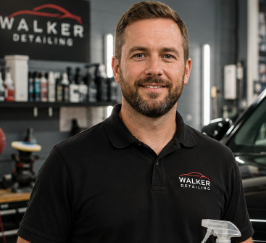
Most car cleaning products do expire or lose effectiveness over time, though some last many years if stored well. You can usually keep water-based soaps and sealants for several years, while solvent-based cleaners and specialty conditioners often break down faster and may stop working or harm surfaces.
James Walker from Tech9AutoRepair.com notes that visual changes — separation, odd smell, or clumping — signal a product has gone bad and should not be used on paint or upholstery. Keep products sealed, cool, and upright to stretch their life, and replace anything that looks or smells off to avoid staining or damaging your vehicle.
Key Takeaways
- Check bottles for separation, smell, or texture change before use.
- Store cleaners sealed and cool to extend shelf life.
- Toss questionable products to protect paint and interiors.
Chemical Stability in Automotive Cleaners
Chemical stability determines how well a product keeps cleaning power and protective properties over time. Stabilizers, pH balance, and package sealing all affect whether a formula stays effective or breaks down.
Factors Affecting Shelf Life
Temperature changes speed chemical reactions. High heat can separate emulsions and break down polymers in waxes and sealants. Freezing can alter texture and cause bottles to crack, letting air in.
Air and light cause oxidation. Oxygen reacts with oils, fragrances, and some solvents, lowering cleaning strength and producing odors. Opaque, sealed containers slow this process.
Water content and microbes matter for water-based cleaners. If preservatives fail, bacteria or mold can grow, changing smell and performance. Check for cloudiness or floating particles.
Product type and solvent base make a difference. Solvent-based degreasers often lose volatile ingredients faster than water-based shampoos. Proper storage upright and with lids tightly closed extends usable life.
Common Ingredients and Their Degradation
Surfactants lose potency slowly, so soaps and shampoos may still foam but clean less well after a few years. They can separate into layers when emulsifiers fail.
Polymers and silicones in sealants and protectants degrade from UV and heat. When they break down, they stop forming strong films and give weaker gloss or water beading.
Solvents evaporate over time, especially in poorly sealed containers. Evaporation raises viscosity and reduces ability to dissolve grease or residues.
Preservatives and fragrances can fade or be consumed by microbes. Loss of preservatives increases the risk of contamination; loss of fragrance only affects scent but signals other changes.
| Ingredient | How It Fails | Visible Signs |
|---|---|---|
| Surfactants | Oxidation, separation | Less suds, film left on surface |
| Polymers/Silicones | UV breakdown, heat degradation | Weaker shine, poor water beading |
| Solvents | Evaporation | Thicker product, reduced solvency |
| Preservatives | Consumption by microbes | Odor, cloudiness, mold |
Identifying Signs of Product Deterioration
Check bottles and product texture before use. Look for color shifts, clumps, smells, or layers that do not remix. These issues often mean the cleaner, wax, or sealant will not perform as intended.
Changes in Color or Texture
A clear shift in color often signals chemical change. A bright or cloudy liquid that turns darker, milky, or cloudy can mean contamination or breakdown. For example, a blue glass cleaner that becomes brownish likely lost effectiveness.
Texture changes matter for creams, waxes, and gels. If a paste becomes grainy, hard, or syrupy, it may have dried out or separated. Carnauba wax that feels brittle or crumbly will not spread smoothly and can scratch paint.
Temperature matters. Freezing can change consistency — soaps and shampoos may become cloudy or gel-like after a freeze. If a product froze and thawed, test it on a small hidden area first to confirm it still works.
Separation and Settling Issues
Many products are emulsions. Oil-based dressings, polish liquids, and some shampoos can separate into layers over time. If you see a clear oil layer on top of a water-based liquid, that indicates separation.
Gentle shaking can sometimes remix a product. But persistent layer formation, visible particles, or a chalky sediment at the bottom means the formula degraded. Using these products risks streaking, poor shine, or clogged spray nozzles.
Look at the container label for “shake well.” If a labeled product no longer mixes after vigorous shaking, discard it. Separation after freezing is common; some items recover, but repeated freeze–thaw cycles shorten usable life.
Unusual Odors
Smell changes often reveal microbial growth or solvent loss. A sour, fermented, or rancid odor in water-based cleaners or foamers can mean bacteria or mold have grown inside the bottle. Avoid using such products on paint or interior fabrics.
A strong chemical or solvent smell that wasn’t there originally can indicate evaporation of stabilizers. That may reduce the product’s safety or effectiveness. If an aerosol or spray smells harsher and causes eye or throat irritation, stop using it.
When in doubt, test on an inconspicuous spot. If the product smells off but otherwise looks normal, a small patch test will show if it still cleans or damages the surface.
Impact of Expired Cleaning Products on Vehicle Surfaces
Expired cleaning products can weaken their cleaning power and change chemistry, which may harm paint, clearcoat, fabrics, and interior finishes. They can also leave residues that attract dirt or cause stains if not rinsed fully.
Potential Damage to Paintwork
Expired products can become acidic or lose stabilizers, increasing the risk of clearcoat etching and dulling. If a wax, sealant, or polish breaks down, it may no longer spread evenly and can leave streaks, haze, or dry-white residue that requires aggressive polishing to remove.
Degraded solvents in degreasers or tar removers can soften or strip thin paint layers and plastic trim. If contaminants remain because a soap no longer lifts grime, technicians may rub harder and create micro-scratches or swirl marks.
| Product Type | Common Change When Expired | Likely Paint Risk |
|---|---|---|
| Car wash soap | Reduced foaming, separation | Poor cleaning → more rubbing → scratches |
| Polish/wax | Thickening, uneven curing | Haze or streaks, possible resin residue |
| Solvent cleaner | Evaporation of volatiles | Over-aggression → paint lift or trim damage |
Reduced Effectiveness on Upholstery
On fabric and leather, expired cleaners can separate or lose surfactants and enzymes that remove oils and stains. That makes stain removal less effective and can leave a soapy or sticky residue that re-attracts dirt within days.
Leather conditioners that oxidize may darken or stiffen leather rather than condition it. For carpets and fabric seats, enzyme cleaners past their prime may no longer break down organic stains, so stains set deeper and become permanent unless more aggressive treatments are used.
- Inspect product for odor, color change, or layering before use.
- Test on an inconspicuous spot to catch color change or staining.
Manufacturer Guidelines and Expiry Dates
Manufacturers set dates and storage rules to keep products safe and effective. Labels, symbols, and care instructions tell users how long a product should last and how to store it.
Labeling Practices
Manufacturers usually print one or more of these on the label: a manufacture date, a “best by” or “use by” date, and a PAO (period after opening) symbol such as “12M” for 12 months. Technical cleaners and sealants often include batch codes instead of clear dates; users can contact the maker with that code to get the manufacture date.
Labels also list active ingredients and concentration. A higher concentration of solvents or polymers can mean shorter shelf life. Warnings about freezing, heat, or direct sunlight appear on many bottles because those conditions change chemical stability.
Below is a quick reference table for common label elements:
| Label Element | What It Means | Action for User |
|---|---|---|
| Manufacture date | Date product was made | Use within manufacturer’s stated shelf life |
| “Best by” / “Use by” | Recommended peak performance window | Avoid using past this if performance matters |
| PAO (e.g., 12M) | Months safe after opening | Track open date on the bottle |
| Batch code | Internal production ID | Contact manufacturer to decode |
Recommended Storage Conditions
Manufacturers normally recommend storing products in a cool, dry place between about 10–25°C (50–77°F). They warn against freezing and direct sunlight because those extremes can cause separation, thickening, or breakdown of active ingredients.
Keep lids and spray tops tightly closed to reduce air exposure and evaporation. Store products upright and avoid temperature swings; heat speeds chemical reactions and cold can make liquids gel or separate. For aerosols and pressurized cans, follow any stated maximum temperature and avoid puncturing or storing near heat sources.
Use this checklist for safe storage:
- Keep original labels visible.
- Note the open date on containers with a marker.
- Store similar products together (cleaners separate from polishes).
- Dispose of products that show severe separation, odd smells, or changed texture.
Storage Practices to Extend Product Longevity
Store products where temperature stays steady and containers stay sealed. Keep liquids upright, away from direct sun, and group similar items so older stock gets used first.
Temperature Control
They should keep most car cleaning products between about 50°F and 75°F (10°C–24°C). Extremes matter: freezing can separate or crack containers, while heat can speed chemical breakdown and raise internal pressure.
Place items on a shelf inside a garage or utility room rather than against exterior walls or near heaters. Use a thermometer or a simple room thermometer app to check seasonal swings.
Some solvent-based items tolerate a wider range but still suffer at high heat; waxes and sealants can soften and lose structure if stored in hot conditions. Label products with purchase dates to rotate older stock first.
Preventing Air and Moisture Exposure
Close caps tightly after each use and inspect seals for cracks or brittleness. A damaged cap lets air and moisture enter, which can cause oxidation, bacterial growth in water-based cleaners, or evaporation of volatile ingredients.
Store bottles upright and avoid partially filled spray bottles for long-term storage; transfer large leftover amounts into smaller containers to reduce headspace. Use airtight plastic bins or metal cabinets for humid environments to limit moisture exposure.
For sensitive products, consider adding a silica gel packet to the storage bin to cut humidity. Check contents periodically: changes in smell, color, or texture often signal air or moisture damage.
Proper Disposal of Outdated Car Cleaners
Old car cleaners often contain chemicals that can harm soil, water, and wildlife if poured down drains or tossed in the trash. Store containers upright and keep lids tight until disposal to avoid spills and fumes.
Environmental Considerations
Many car cleaners contain solvents, acids, or heavy metals that break down slowly and pollute groundwater. Pouring them onto soil or into storm drains can kill plants and contaminate drinking wells. Rinse water from cleaning that contains detergents or wax residues can also harm aquatic life.
Handle wastes as hazardous material: keep them in original containers with labels, or clearly mark them if the label is gone. Use absorbents like cat litter or commercial pads for small spills, then bag and treat the used absorbent as hazardous waste. For households, local hazardous waste collection days accept motor oil, brake fluid, and solvent-based cleaners.
For more on chemical risks and safe handling, see resources like the hazardous waste overview.
Local Regulations and Safe Procedures
Regulations vary by city and county, so contact the local waste agency or visit its website before disposal. Many areas prohibit throwing solvents or strong cleaners in regular trash or pouring them down sinks. They require drop-off at a household hazardous waste (HHW) facility or scheduled collection events.
Prepare materials before drop-off: keep liquids in sealed, labeled containers and never mix different chemicals. Bring only the amounts allowed by the facility—some accept up to 5 gallons from households, others set lower limits. For commercial shops, follow business hazardous waste rules, which often require a licensed waste hauler and proper recordkeeping.
Find local disposal options through municipal websites or statewide directories; this saves fines and prevents environmental harm.
Alternatives and Best Practices for Product Replacement
When a product shows separation, odd odor, or poor performance, they should replace it rather than keep testing it on the car. They can choose fresh, single-purpose items like dedicated glass cleaner, rim cleaner, or wax to avoid using degraded multi-use bottles.
Buy from brands with clear manufacture or batch dates and store products in a cool, dry place away from sunlight. Proper storage slows chemical breakdown and helps them get the full shelf life. Small bottles or concentrated formulas reduce waste because they use less at a time.
They should consider waterless wash or quick-detail sprays for light cleaning when supplies are low. These often last longer and need less product per use. For harsher jobs, fresh solvent-based cleaners work better because old solvents can lose strength.
Keep a simple tracking method: write the opening date on the bottle with a marker. Rotate stock by using older items first and replacing unopened backups after a few years. If unsure how long a specific product lasts, checking the manufacturer’s guidance or a reliable source like Wikipedia’s car wash page can help.
When replacing, test new products on a small, hidden area first. This reduces risk to paint and trim and confirms that the fresh product performs as expected.
FAQS
Do car cleaning products have an expiration date?
They usually do not show a strict date on the bottle, but many products degrade over time. Most last about 2–5 years depending on formula and storage.
How can someone tell if a product went bad?
Look for changes in smell, texture, and color. Separation, clumps, or a sour odor are common warning signs.
Is it risky to use expired products on paint or trim?
Yes. Old cleaners or waxes can clog applicators, leave streaks, or fail to protect surfaces. Solvent-based items may cause more harm if degraded.
How should products be stored to last longer?
Keep lids tight, store in a cool dry place, and avoid direct sunlight. Upright storage and original containers help maintain stability.
Can diluted or mixed products be kept?
Diluted solutions generally degrade faster. It is safer to mix small amounts for immediate use and discard leftovers.
Which products tend to last the longest?
Water-based cleaners and sealants usually hold up well. Aerosols and solvent-heavy formulas often have shorter usable life.
When should someone replace applicators and cloths?
Replace when they smell bad, are stained, or have lost absorbency. Clean microfiber cloths after each use and let them dry fully before storing.
Conclusion
Car cleaning products do expire or lose effectiveness over time, but the timeline varies by type. Water-based cleaners and sealants often last several years, while solvent-heavy items and aerosols can break down faster.
Users should check labels for dates and storage advice. Storing products in cool, dry places and sealing containers tight will extend their life.
Signs of spoilage include separation, odd smells, thickening, or dried-out formulas. If a product shows these signs, it may not work well and could harm surfaces.
Minor products like soaps can often be tested on a small patch before full use. High-value items such as waxes, ceramic coatings, or concentrated polishes deserve more care and cautious use.
A simple checklist helps: label purchase dates, follow storage tips, inspect before use, and dispose when unreliable. This approach saves money and protects the vehicle’s finish.
