
A clay bar is a soft, kneadable detailing tool that lifts embedded dirt, brake dust, industrial fallout, and other contaminants from a car’s paint that ordinary washing can’t remove. It gives you a smooth, contaminant-free surface so paint products like wax, polish, or coatings bond properly and last longer.
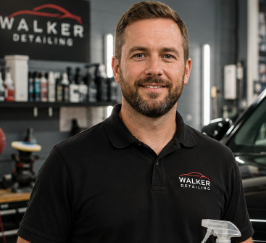
Tech9AutoRepair’s James Walker often compares clay barring to a deep-clean for paint: you still wash the car first, but the clay removes particles stuck below the finish. Used with a lubricant, it glides over the surface and pulls out grit without scratching when done correctly, making the finish look and feel noticeably better.
Key Takeaways
- Clay bars remove bonded contaminants that regular washing leaves behind.
- Proper lubrication and technique prevent surface marring.
- Clay barring prepares paint for waxing, polishing, or coatings.
Understanding Automotive Contaminants
Contaminants on a car’s surface include stuck-on particles, sprayed-on residues, and chemical fallout. These materials sit on or bond to paint, glass, and metal, making the finish feel rough and reducing gloss.
Types of Surface Contaminants
Common types include:
- Industrial fallout: tiny iron particles from factories or railways that embed in paint.
- Brake dust: metal and carbon particles from pads that cling to wheels and lower panels.
- Tree sap and bird droppings: organic residues that can etch clear coat if left too long.
- Tar and road grime: sticky hydrocarbons from asphalt or road repairs.
- Overspray and paint particles: fine spray from nearby painting that lands and bonds to surfaces.
- Water spots and mineral deposits: dried hard-water minerals that leave rings.
| Contaminant | Source | Common Location |
|---|---|---|
| Industrial fallout | Airborne iron | Roof, hood, trunk |
| Brake dust | Brake pads | Wheels, wheel arches |
| Tree sap / bird droppings | Trees, birds | Top surfaces, glass |
| Tar | Roadwork, spills | Bumpers, lower panels |
| Overspray | Nearby painting | Side panels, doors |
How These Affect Paintwork
Bonded particles sit below the clear coat or stick strongly to its surface. They create a gritty feel when the skin or finger is dragged across the paint. This grit abrades the clear coat during washing or polishing, causing micro-scratches and swirl marks.
Organic stains like sap and bird droppings can chemically etch the clear coat, creating permanent pits if not removed quickly. Mineral deposits can dull the finish by scattering light. Contaminants also reduce the effectiveness of waxes, sealants, and ceramic coatings because those products cannot bond evenly to a contaminated surface.
Indicators Your Car Needs Decontamination
Feel the paint with a gloved hand or a damp microfiber towel—if it drags or feels rough, contaminants are present. Visual signs include tiny black or rust-colored specks, small shiny dots that look embedded, or a matte, dulled finish where the paint should be glossy.
Other clear signs:
- Difficulty removing tar or sap with soap and water.
- Water beading irregularly or forming patches instead of even beads.
- Increased swirl marks after routine washing.
If any of these appear, a clay bar treatment or similar decontamination step will restore smoothness and allow protective products to adhere properly.
How Clay Bars Work
Clay bars lift and trap bonded particles from paint by deforming around them, while a lubricant reduces friction and prevents marring. Different clay grades match contaminant levels and paint sensitivity to get a smooth surface without excessive force.
Physical Principles of Clay Bar Cleaning
A clay bar is a soft, tacky resin compound that deforms under light pressure. As the technician glides it over paint, the bar molds around grit, iron dust, and airborne fallout. The particles stick to the clay instead of the paint because the resin has higher adhesion than the paint surface.
This process is mechanical, not chemical. It removes contaminants sitting on or slightly embedded in the clear coat but does not cut clear coat like polish. Technicians work in small panels and knead the clay often to expose a clean surface and avoid re-depositing trapped particles.
Role of Lubrication During Use
Lubricant creates a thin fluid layer between the clay and paint. This layer prevents the clay from dragging and scratching the clear coat while allowing the clay to pick up particles.
Users spray a dedicated clay lube or a diluted quick detailer and keep the surface wet during passes. If the surface dries or the clay runs dry, stop and re-lubricate. Proper lubrication also helps reveal areas that still feel rough so the operator knows where to continue.
Clay Bar Grades and Their Functions
Clay bars come in several grades: light/fine, medium, and heavy/coarse. Each grade suits different contamination levels and paint hardness.
| Grade | Typical Use | When to Choose |
|---|---|---|
| Light / Fine | Gentle removal of light fallout and polishing residue | Soft or clear-coated paint, new cars, regular maintenance |
| Medium | General-purpose cleaning of moderate contamination | Older cars with light industrial fallout or tree sap traces |
| Heavy / Coarse | Removes stubborn contaminants and rail dust | Heavily contaminated surfaces and industrial areas; follow with polish |
Operators often start with a finer grade and move to coarser only if needed. After heavy clay work, they usually polish to remove light marring and restore gloss.
Benefits of Using Clay Bars
Clay bars remove bonded contaminants and restore a smooth, clean surface. They make paint feel slick again and help polishes, waxes, and sealants adhere better and last longer.
Enhancing Paint Smoothness
Clay bars pull out embedded particles like brake dust, rail dust, tree sap residue, and industrial fallout that regular washing leaves behind. As the clay glides over lubricated paint, it picks up these gritty bits, leaving the clear coat noticeably smoother to the touch.
Smoother paint reduces micro-scratches caused by dirt rubbing during drying or wiping. Drivers will see improved light reflection, which makes the finish look clearer and more uniform. Clay work also helps glass and metal trim feel slick and reduces water spotting on hard surfaces.
| Contaminant Type | Effect on Paint | Result After Claying |
|---|---|---|
| Brake dust | Stains and roughness | Surface feels smooth; fewer stain marks |
| Rail and industrial fallout | Embedded metallic particles | Reduced pitting and smoother reflection |
| Tree sap and tar | Sticky spots that trap dirt | Cleaner paint and easier polishing |
Preparing for Polishing or Waxing
Clay bars create a clean, contaminant-free base that lets polishes and waxes bond directly to the clear coat. Without this step, polish can skip over or grind contaminants, reducing polish effectiveness and risking swirl marks.
After claying, one can use less abrasive polish and get better correction with fewer passes. Waxes and sealants apply more evenly and last longer because they sit on the paint rather than on trapped particles. This preparation step often reduces the need for aggressive compounding later.
Differences Between Clay Bars and Alternatives
Clay bars remove bonded surface contaminants physically, while alternatives use different materials or chemistry to lift those particles. Each option varies in speed, safety, and how often it must be replaced.
Comparing to Chemical Decontaminants
Chemical decontaminants, like iron removers or tar dissolvers, dissolve specific contaminants without abrasion. They work well on brake dust, rail dust, and sticky tar that a clay bar might struggle with.
Chemicals act faster on some stains and can reach crevices where a clay bar can’t. However, they only target certain chemistries; they won’t remove bonded paint overspray or embedded grit as reliably as physical decontamination.
Users should always follow label instructions and rinse thoroughly after use. Chemicals can harm trim, old seals, or wax if left on too long. Many detailers use chemicals first, then finish with a clay bar or towel to ensure a fully smooth surface.
Synthetic vs. Natural Clay Bars
Natural clay bars (typically a form of real clay) are soft, sticky, and conform well to panel shapes. They tend to be forgiving and remove a wide range of contaminants, but they can tear or wear out faster on very rough surfaces.
Synthetic clay alternatives (towels, mitts, or blocks) use resin or polymer surfaces to pick up particles. They often last longer, cover more area faster, and reduce the risk of tearing. They also usually require less molding and rebating than a traditional bar.
Both types need proper lubrication and regular folding to expose clean faces. For heavy contamination, a natural clay bar can sometimes remove deeper embedded particles. For routine maintenance and speed, many choose a synthetic clay towel or mitt.
Step-by-Step Application Process
This section shows the exact actions and order to clay a car safely. It covers how to set up, the right claying motions, and how to finish so the paint stays protected.
Preparation for Claying
They should start with a full wash using a car-specific shampoo to remove loose dirt and grit. Rinse thoroughly and dry with a microfiber towel. Work in a shaded, cool area to prevent the lubricant from evaporating too fast.
They must check the paint for heavy contamination by running a gloved finger over the surface; rough spots mean claying is needed. Gather supplies: clay bar or clay mitt, clay lubricant (or a detail spray), multiple clean microfiber towels, and a small container to hold lubricant. Cut the clay into manageable pieces (about the size of a duck egg) and knead to a flat, smooth pad.
Use a test panel (rear quarter panel) first to learn pressure and motion. If paint has fresh chips or deep scratches, avoid claying those spots or mask them to prevent further damage.
Proper Clay Bar Technique
They should keep the surface well-lubricated at all times. Spray a 12–18 inch section generously with lubricant so the clay glides without sticking. Use light, even pressure—about the weight of a credit card—so the clay picks up contaminants without abrading clearcoat.
Move the clay in straight, slow passes across the panel, flipping and folding the clay every few passes to expose a clean face. Work small sections (one fender or door at a time) to maintain lubrication and control. If the clay becomes gritty, add a fresh piece or fold to a clean side. Avoid pressing around edges or emblems; instead, use gentle strokes and extra lubricant there.
An HTML table below shows recommended motion, pressure, and area size for quick reference:
| Action | Pressure | Section Size |
|---|---|---|
| Initial glide test | Light (credit-card weight) | 12–18 in. spray area |
| Full claying pass | Light to medium | Single panel or 2 ft² |
| Detail edges/emblems | Very light | Small targeted strokes |
Post-Claying Care
They should wipe the panel with a clean microfiber towel to remove excess lubricant and any dislodged particles. Inspect the surface by touch; it should feel smooth and free of rough spots. If roughness remains, repeat claying on that area.
After claying, it is important to apply polish or paint sealant within a few hours. Claying removes bonded contaminants and slightly abrades the clearcoat’s top layer, so protection restores gloss and shields paint. Use a foam applicator or a polishing pad as directed by the product.
Store leftover clay in a sealed bag with a small amount of lubricant to keep it pliable. Replace clay if it tears or remains gritty after folding; reused contaminated clay can reintroduce scratches.
Common Mistakes and Precautions
This section lists the main risks when claying paint and the steps to reduce harm. It covers how to avoid scratches and how to handle and discard used clay safely.
Avoiding Paint Damage
They must wash the car first. Dirt and grit left on the surface will cause the clay to drag and scratch the clear coat. Use a pH-neutral car shampoo and dry the panel before claying.
They must use plenty of lubricant. Spray a clay lubricant or quick detailer over a 2×2 foot area and keep it wet while working. If the lubricant starts to thin, reapply immediately.
They must knead the clay often. Folding and reshaping the bar exposes a clean face and traps pulled contaminants inside. Replace the clay when it becomes stained, hard, or full of embedded particles.
They must use light pressure and short strokes. Heavy force or long back-and-forth passes increases heat and risk of swirls. Work slowly and check the paint by touch—smoothness means the area is done.
They must pick the right clay grade. Use a fine or medium clay for factory paint and heavy clay only for severely contaminated surfaces. Test a small hidden spot if unsure.
Safe Disposal of Used Clay
They must not reuse clay that is visibly contaminated. Clay saturated with metal particles, tar, or grit will keep scratching. Cut away the dirty outer layer before saving a small clean piece, or discard it.
They must wrap used clay before throwing it away. Seal it in a small plastic bag to trap oily residues and prevent dirt from spreading. Labeling the bag helps keep it out of recycling streams where it can cause contamination.
They must follow local rules for disposal if the clay contains solvents or heavy contaminants. Some areas treat used detailing materials as household hazardous waste. Check local guidance or municipal sites for proper disposal.
They must not burn or flush clay down drains. Heat or water can release trapped chemicals and harm plumbing or the environment. Place used clay in regular trash only after confirming local regulations.
For more detail on cleaning chemicals and proper waste handling, see the EPA guidance on household hazardous waste or the paint care recommendations on automotive paint.
When and How Often to Use Clay Bars
Clay bars remove bonded contaminants so paint feels smooth and polish bonds better. Use clay bars when the paint shows roughness or after heavy exposure to fallout, brake dust, or industrial grime.
Signs Your Car Needs Claying
Run a clean finger or a folded microfiber across the paint after a full wash. If it feels gritty or catches, the surface has bonded contamination that washing did not remove.
Visual cues help too. Look for small rust-colored specks, tar dots, or dull patches that won’t come off with soap and water. Wheel arches and lower panels often show contamination first.
If the car will receive a polish or a ceramic coating, test for roughness first. Claying before those steps prevents marring and helps coatings bond. For more on paint contamination and decontamination, see this overview of automotive paint.
Recommended Frequency for Different Conditions
Light-use, garage-kept cars usually need claying once or twice a year. That schedule removes seasonal fallout without overworking the paint.
Daily-driven cars in urban areas, or vehicles near rail yards or industrial sites, may need claying every 3–6 months. Heavy exposure to brake dust and iron particles accelerates contamination.
If he or she parks under trees or frequently drives on new roads, check monthly by feel and clay when roughness appears. Use a fine-grade clay for monthly maintenance; reserve medium or heavy grades for infrequent, deeper cleans to avoid excess abrasion.
FAQs
- What does a clay bar do? A clay bar removes bonded surface contaminants that washing alone cannot take off. It leaves paint, glass, and trim smooth so polish or wax will stick better.
- How often should it be used? They recommend using a clay bar once or twice a year for most cars. Heavy pollution or rough-feeling paint may need more frequent treatment.
- Is it safe for paint? When used properly, it is safe. The user should always lubricate the surface and gently glide the clay to avoid marring the clear coat.
- Can clay bars scratch the car? Improper use can cause light swirls or scratches. Proper lubrication, clean clay, and light pressure reduce that risk.
- What supplies are needed? A clay bar, a lubricant spray (detailer or soapy water), microfiber towels, and clean hands. A clay mitt or pad can be an alternative.
- How long does the process take? A small panel takes a few minutes; a whole car often takes 1–3 hours depending on size and contamination. Time varies with experience and the car’s condition.
- Can it remove deep damage or paint imperfections? It does not fix chips, deep scratches, or clear coat loss. It only removes surface contaminants and light bonded particles.
- How to tell when to stop? The surface should feel smooth when run lightly by hand. If the clay becomes dirty or sticky, fold or replace it before continuing.
Conclusion
A clay bar removes bonded contaminants that regular washing cannot. It makes paint feel smooth and helps waxes, sealants, and coatings stick better.
Detailers and DIYers use it as a safe, mechanical way to lift particles like tar, rail dust, and tree sap. It does not remove clear coat when used properly and can be reused several times before needing replacement.
Preparation matters: wash the car first, use a lubricant, and work in small sections. Rinsing and protecting the surface after claying keeps the finish looking good and extends protection.
A clay bar is a low-cost step that raises the quality of any paint correction or polishing job. It improves final gloss and makes follow-up products perform as intended.
If the paint is heavily contaminated or damaged, a professional assessment may be best. For routine maintenance, claying every few months or before applying a new layer of protection keeps the surface clean and smooth.
