
Ozone car cleaning uses ozone gas to break down odors, bacteria, mold, and allergens inside a vehicle. It works by releasing O₃ molecules that oxidize and neutralize odor-causing compounds deep in upholstery, vents, and carpets, rather than just masking smells. This makes it a strong option when normal cleaning and air fresheners fail.
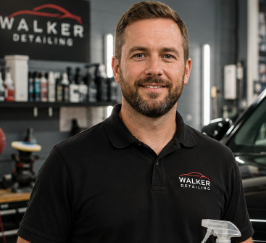
A trained tech like James Walker at Tech9AutoRepair.com often recommends ozone when smoke, pet odor, or mildew persist after scrubbing and shampooing. He notes it should be done by someone who knows how to seal the cabin, control ozone levels, and ventilate the car afterward to avoid material damage and health risks.
Key Takeaways
- Ozone cleans odors and microbes by chemically breaking them down inside the cabin.
- Proper setup and ventilation are crucial to avoid harm to people and vehicle materials.
- Professional service is often safer and more effective than a DIY ozone attempt.
Principles of Ozone-Based Car Sanitization
Ozone sanitizes by breaking down odor molecules, killing microbes, and reaching vents and upholstery where liquids cannot. It acts as a strong oxidizer that reacts quickly with organic compounds and some inorganic materials.
How Ozone Neutralizes Odors
Ozone (O3) attacks odor molecules by oxidizing chemical bonds. When ozone contacts volatile organic compounds (VOCs) from smoke, food, or mildew, it converts them into smaller, less-smelly substances such as carbon dioxide, water, and simple acids.
Ozone is a gas, so it moves through fabric, carpet, and air ducts. That allows it to reach hidden sources of smell inside seat foam and ventilation systems that sprays and shampoos can miss.
Technicians control ozone concentration and exposure time to avoid material damage. Typical sessions run from 15 minutes to several hours depending on odor strength and vehicle size.
Chemical Process of Disinfection
Ozone kills microbes by oxidizing cell walls and viral envelopes, which destroys structure and function. The oxygen atom detaches and reacts with proteins, lipids, and nucleic acids, causing irreversible molecular damage.
This oxidation is non-selective: it affects bacteria, fungi, and many viruses. The reaction speed depends on ozone concentration, humidity, and temperature; higher humidity usually increases effectiveness.
Operators vent the vehicle after treatment so ozone reverts to oxygen (O2). They also follow exposure limits because high ozone levels are harmful to humans and pets.
Types of Bacteria and Pollutants Removed
Ozone reduces common vehicle contaminants such as:
| Category | Examples | Notes |
|---|---|---|
| Bacteria | Staphylococcus, Pseudomonas | Cell-wall damage prevents regrowth; contact time matters. |
| Fungi | Mold spores, mildew | Penetrates porous surfaces; helps reduce musty odors. |
| Viruses | Enveloped viruses | Ozone disrupts envelopes; effectiveness varies by virus type. |
| Chemical pollutants | Tobacco smoke VOCs, pet odors | Oxidation converts VOCs into simpler compounds. |
Ozone has limits: it does not remove heavy soils, oils, or deep stains. Physical cleaning remains necessary before or after ozone when residues are present.
Procedure for Interior Vehicle Ozone Treatment
The procedure focuses on a full interior clean, correct ozone output, and strict safety steps. It covers how to set up the generator, how long the cycle should run, and what protective actions to take before and after treatment.
Step-by-Step Application Process
Technician or owner first removes all trash, loose items, and any visible debris from the vehicle. They vacuum seats, carpets, and floor mats so ozone can reach fabrics and vents without obstruction.
They place the ozone generator on a stable surface inside the vehicle or just outside with a hose into the cabin, depending on the model. The generator’s outlet points should face the center of the cabin or toward vents for even distribution.
Controls get set to the recommended ozone output for vehicle interiors—typically a low-to-moderate setting on consumer units or a calibrated professional setting. Doors and windows close and the vehicle seals for the treatment. No people, pets, or plants remain in the car while the generator runs.
After the cycle finishes, the technician runs ventilation with doors open and the vehicle fan on high to flush remaining ozone before re-entry.
Timeframes for Effective Sanitization
Typical treatment length ranges from 30 to 90 minutes, depending on odor severity and generator strength. Light odors often need 30–45 minutes; strong smoke, mold, or heavy pet odors may require 60–90 minutes.
Professional shops commonly use a 45–60 minute baseline and extend time for persistent smells.
After the active ozone cycle, wait at least 30 minutes to 2 hours before entering. This wait allows the ozone to decay back to oxygen and lowers respiratory risk. Use the vehicle fan and open all doors during this airing period. If odors persist after one treatment, a second session 24–48 hours later can improve results rather than simply increasing exposure time in one run.
Recommended Safety Protocols
No one may remain in the vehicle during ozone generation. Ozone irritates lungs and eyes even at low concentrations. Technicians always post a clear warning on or near the vehicle and lock or block access while the unit runs.
They use a timer or automated shutoff and monitor generator readings if the unit has an ozone concentration display.
After treatment, technicians ventilate the car by opening doors and running HVAC on fresh-air mode for at least 30 minutes. They avoid re-entry until ozone levels drop to normal ambient levels or until a handheld ozone meter shows safe readings. For small consumer jobs, owners should follow manufacturer safety instructions and wear gloves when handling the generator.
| Step | Typical Time | Key Safety Point |
|---|---|---|
| Prep and vacuum | 10–20 minutes | Remove people and items |
| Ozone generation | 30–90 minutes | Do not occupy vehicle |
| Ventilation | 30–120 minutes | Open doors, run fan on fresh air |
Benefits of Ozone Cleaning for Automobiles
Ozone cleaning removes tough odors and reduces bacteria, mold, and allergens that hide in seats, carpets, and vents. It reaches places liquid cleaners and sprays cannot, giving a deeper, chemical-free sanitation.
Elimination of Persistent Smells
Ozone (O3) breaks down odor molecules instead of just masking them. It oxidizes volatile organic compounds from smoke, pet urine, mold, and food spills. Technicians place an ozone generator inside the sealed cabin, run it for a set time, and let the gas penetrate fabric, foam, and vent ducts.
This method works on embedded smells that survive vacuuming and surface cleaning. Typical treatments take 30 minutes to several hours depending on odor strength. Ozone does not leave a fragrance; it alters the chemical structure of odor-causing compounds so the smell does not return.
Reduction of Allergens and Microbes
Ozone inactivates many bacteria, viruses, and mold spores on surfaces and in the air. It oxidizes cell walls and viral envelopes, reducing microbial load in hard-to-reach areas like under seats and inside HVAC systems. This helps people with allergies or sensitivity to mold.
The effect depends on exposure time and ozone concentration. For reference, the table below shows common targets and typical treatment notes:
| Target | Effect | Treatment Notes |
|---|---|---|
| Pet dander | Reduced allergen particles on fabrics | Longer cycles for heavy soiling; follow with vacuum |
| Mold spores | Spore inactivation on exposed surfaces | Works best after removing visible mold and moisture source |
| Bacteria & viruses | Decreased viable counts in cabin air & surfaces | Higher concentrations and proper sealing required |
Potential Risks and Limitations
Ozone can remove many odors and kill microbes, but it also carries specific risks. It can harm rubber, plastics, and some fabrics, pose health hazards if people or pets are exposed, and does not neutralize every contaminant equally.
Possible Material Damage
Ozone is a strong oxidizer and can degrade certain materials over time. Rubber components like door seals and hoses can dry, crack, or lose elasticity after repeated or intense ozone exposure. Vinyl and some plastics may become brittle or discolor when ozone levels are high or when exposure is prolonged.
Leather and dyed fabrics can lose color or finish if ozone concentration or exposure time is excessive. Electrical wiring insulation and adhesive bonds inside panels may also weaken in rare cases. Professionals recommend testing a small area first and following manufacturer guidelines for ozone generators, including limiting cycle length and ozone concentration to reduce the chance of damage.
Health Considerations
Ozone is harmful to humans and pets at relatively low concentrations. Short-term exposure can cause coughing, throat irritation, chest pain, and breathing difficulty, especially in people with asthma or lung disease. High exposure raises the risk of lung inflammation and reduced lung function.
Because of these risks, vehicles must be unoccupied during treatment. Operators should vacate the car and nearby areas, post warning signs, and ventilate the vehicle thoroughly after treatment until ozone levels drop to normal oxygen levels. Using a timer, remote monitoring, or hiring trained technicians lowers the chance of accidental exposure.
Effectiveness Against All Contaminants
Ozone destroys many odor-causing molecules and some microbes, but it does not fix every problem. It performs well on volatile organic compounds (VOCs) that react with ozone and on certain bacteria and mold spores present on surfaces or in fabrics. Smoke odor and mildew odors often respond well when ozone reaches the source.
However, ozone is less effective on residues that are embedded, like tar from heavy cigarette smoke, sticky food residue, or oils in upholstery. It also may not remove particulate matter or heavy soiling; those require vacuuming, shampooing, or detergent cleaning first. The table below compares common contaminants and likely ozone effectiveness.
| Contaminant | Ozone Effectiveness | Recommended Additional Action |
|---|---|---|
| Fresh smoke odor | High to moderate | Ozone plus ventilation; deep clean vents |
| Long-term tar residue | Low | Steam cleaning, shampoo upholstery |
| Mold spores on surfaces | Moderate | Scrub affected areas and reduce moisture |
| Pet dander (particulates) | Low | Vacuum HEPA, wash fabrics |
Comparison With Alternative Car Cleaning Methods
This section compares how ozone treatment stacks up against steam cleaning, chemical deodorizers, and UV light for removing odors, killing microbes, and treating fabrics and vents.
Steam Cleaning Versus Ozone Treatment
Steam cleaning uses hot, pressurized vapor to lift dirt, kill some microbes, and clean fabrics and hard surfaces. Technicians can target stains and visible grime, and the process also disinfects surface areas. It requires physical access to seats, carpets, and crevices, so stains that sit deep inside padding may not be fully removed.
Ozone treatment produces a gas that penetrates vents, under seats, and inside headliners where steam and vacuums can’t reach. Ozone breaks down odor molecules chemically instead of just masking them. However, ozone does not remove visible dirt or stains and can be harmful to people, pets, and some rubber or electrical components if misused. Many detailers use steam cleaning first, then ozone to treat persistent odors.
Use of Chemical Deodorizers
Chemical deodorizers include sprays, gels, and enzyme products designed to neutralize or mask smells. Enzyme-based products can break down organic residues from food, vomit, or urine and work well when applied directly to the source. Aerosol or scented sprays act fast and smell pleasant, but they often only mask odors temporarily.
Ozone differs by oxidizing odor molecules rather than covering them. It can reach hidden sources that sprays miss, like HVAC ducts. Chemical products are safer for occupied vehicles and for materials sensitive to oxidation. For long-term odor removal, professionals often combine spot cleaning with enzyme treatments and then use ozone only when direct treatments fail.
Ultraviolet Light Disinfection
Ultraviolet (UV-C) light destroys microbes by damaging their DNA or RNA when exposed directly. Portable UV lamps can sanitize hard surfaces and the air in short bursts. UV works best on exposed, flat surfaces and requires close, direct exposure to be effective.
Ozone works indirectly in shadowed or enclosed spaces where UV light cannot reach. It can disinfect porous materials and interior cavities that UV cannot treat easily. UV has no lingering chemical residue and is safer for some materials, but it does not remove odors the way ozone can. Many shops use UV for targeted microbial control and ozone for deep odor challenges in areas UV cannot access.
Maintenance and Post-Treatment Recommendations
After an ozone treatment, follow a few exact steps to protect materials and keep odors gone. Proper airing, surface checks, and regular cleaning will extend results and prevent damage to sensitive items.
Post-Ozone Ventilation Guidelines
They should open all doors and windows immediately after the ozone cycle ends. Run the vehicle blower on fresh air at high speed for 10–20 minutes to move residual ozone out of vents and ductwork.
People must wait at least 30 minutes before re-entering the car if the generator ran for a standard 30–60 minute treatment; longer runs require longer wait times. Use a handheld fan or a shop fan to speed clearance when possible.
They should inspect rubber, leather, and plastic parts for dryness or light fading within 24 hours. If any material feels dry, apply a recommended conditioner to leather or treated plastics to restore flexibility and reduce cracking.
Routine Cleaning Integration
They should combine ozone treatment with regular vacuuming and surface cleaning every 1–3 months, depending on use and odors. Ozone removes deep, embedded odor molecules but does not remove dirt, residues, or stains that feed smells over time.
Use enzyme cleaners for biological spills (urine, vomit) before ozone, because enzymes break down organic residues that ozone alone may not fully eliminate. For mold or heavy mildew, scrub and dry affected areas first; then use ozone to treat remaining spores in vents and fabrics.
Keep a simple maintenance checklist: vacuum seats and carpets, Wipe hard surfaces with a mild cleaner, Treat stains promptly with appropriate cleaners, Schedule ozone only when interior is clean and dry. For technical background on ozone chemistry, see ozone on Wikipedia.
Professional Versus DIY Ozone Services
Professionals bring stronger machines, trained protocols, and liability coverage. DIY users gain lower cost and control but must follow safety steps and accept equipment limits.
Equipment and Cost Differences
Professional shops use commercial ozone generators rated in grams per hour and often include fans, leak-sealing, and timed controls. These units can treat large SUVs or vans faster and more evenly. A single professional session typically costs $50–$200 depending on vehicle size and odor severity.
DIY ozone kits sell for about $80–$300 and are sized for home or hobby use. They work on sedans and light odors but may need repeated runs for heavy smoke or deep mildew. Users must buy or rent extra items like a timer, airflow fan, and carbon filter for post-treatment ventilation. Renting a pro machine can be cheaper for one-time severe problems.
Suitability for Specific Vehicles
Cars with fabric seats, carpet padding, and complex HVAC systems often need professional assessment. Professionals can identify if odor sources—seat foam, headliner, or padding—require repair or replacement before ozone will help. For rental cars, older vehicles with long-term smoke damage, or commercial vans, pro treatment reduces the chance of a repeat session.
DIY ozone fits owners with light cigarette smell, transient food odors, or pet odors in compact cars. It also suits those willing to run multiple cycles and air out the vehicle 12–24 hours afterward. For detailed safety guidance on ozone, readers can check the ozone overview and industry best practices from reputable sources.
FAQS
What does ozone car cleaning do?
It uses ozone gas (O3) to break down odor-causing molecules, mold, and some bacteria. It reaches vents, upholstery, and fabric where sprays can’t.
Is ozone treatment safe?
When a trained technician runs the machine and the vehicle is empty, it is safe. Ozone is a strong oxidizer, so people and pets must stay away during treatment and until the car is aired out.
How long does a session take?
Most treatments run 30–60 minutes, plus airing time. Total time can vary with the odor source and vehicle size.
Will it remove smoke or pet odors?
It often reduces or removes persistent smoke and pet smells that cleaning alone leaves behind. Success depends on how deeply the odor has soaked into materials.
Are there risks to the car’s materials?
High ozone levels can degrade some rubber, leather, and certain plastics over repeated exposure. Professionals limit exposure time to reduce risk.
How much does it cost?
Prices vary by region and provider. Typical professional treatments often fall in the low hundreds of dollars, with mobile services sometimes charging around $100–$200.
Are there alternatives?
Yes. Deep cleaning, steam cleaning, enzyme cleaners, and activated charcoal can help. Some odors respond better to these methods or a combination of treatments.
What should a customer expect after treatment?
They should ventilate the car until the ozone smell fades and avoid immediate re-entry. The interior should smell fresher and feel sanitized.
Conclusion
Ozone car cleaning uses ozone gas to break down odor molecules, bacteria, mold, and allergens deep in fabrics and vents. It reaches places that sprays and surface cleaners cannot, making it useful for stubborn smells like smoke and mildew.
Technicians usually perform ozone treatments with a machine that fills the closed vehicle with controlled ozone levels for a set time. It works without added fragrances and can reduce the need for repeated masking products.
Safety matters. People and pets must stay out of the vehicle during treatment and for the recommended airing time afterward. Improper use or high concentrations can irritate lungs and eyes, so trained operators and clear instructions are important.
Costs and benefits vary. Ozone is effective for many odor problems, but it may not fix structural damage or all chemical smells. Alternatives like deep cleaning, steam, or enzymatic cleaners can be better in some cases.
Practical tips:
- Use a professional service for serious odors.
- Combine ozone with cleaning of visible messes for best results.
- Follow safety and airing guidelines after treatment.
They should weigh the treatment’s effectiveness, cost, and safety before choosing ozone. When used correctly, it offers a strong, non-fragrant way to neutralize odors and sanitize a vehicle’s interior.
