
You can get your car cleaned at a nearby car wash, a mobile detailer who comes to you, or a local detailing shop or auto spa—each option fits different needs and budgets. For quick exterior cleaning, use a touchless or brushless car wash; for deep interior and paint care, pick a professional detailer or a mobile team that offers ceramic coating and stain removal.
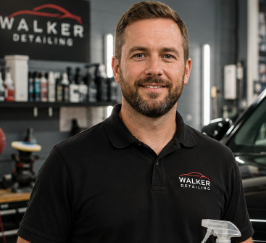
Tech9AutoRepair’s James Walker notes that using the right products and methods prevents paint damage and prolongs results, whether you wash at a retail site or do it yourself in your driveway. Expect convenience from unlimited wash clubs and retail bays, water-saving benefits from some auto spas, and full-service options from detailing shops that handle upholstery, odor removal, and paint protection.
Key Takeaways
- Choose a wash type that matches the job: quick wash, mobile detail, or full-service shop.
- Use proper products and steps to protect paint and interior surfaces.
- Mobile teams and auto spas offer convenience and advanced protection options.
Professional Car Wash Services
Professional car wash options vary by price, time, and what they clean. Some places handle the whole car inside and out, some focus on the exterior, and some offer quick drive-through services with memberships.
Full-Service Car Washes
Full-service washes clean the exterior and interior. Staff vacuum carpets, wipe down dashboards, clean windows, and shampoo mats. They often include clay bar, waxing, or basic detailing add-ons for paint protection.
These locations use trained technicians and more tools than basic washes. Expect to leave your keys and wait in a lobby or return after a set time. Prices range higher than quick washes because of labor and interior work.
Benefits: thorough cleaning, attention to stains and odors, and hand-finishing on trim and glass. Downsides: longer wait times and higher cost. Many full-service chains and local shops offer tiered packages so customers can pick services that match budget and needs.
Exterior-Only Wash Centers
Exterior-only centers focus on the vehicle’s outside surfaces. Services usually include pre-rinse, soap application, wheel cleaning, high-pressure rinse, and drying. Some offer hand-dry or touch-up polish at higher tiers.
These centers are faster than full-service options and cost less. They do not touch upholstery or interior surfaces, so they suit drivers wanting quick paint and wheel care. Many use eco-friendly soaps and water-recycling systems, which can lower environmental impact.
Common add-ons: wax, tire shine, and clear coat protection. Customers should check whether the dryers are automated or if staff hand-dry areas to avoid water spots and swirl marks.
Express Car Wash Chains
Express chains provide fast, mostly automated washes often with unlimited monthly plans. They typically run vehicles through conveyors, apply soaps and wax, then rinse and dry in a few minutes. Chains operate many locations and standardize pricing and packages.
These washes are convenient for regular maintenance and can save money with a membership. They may offer quick interior vacuums or coin-operated stations on site. Quality varies by location; some use brushless systems to reduce paint scratches while others use cloth strips for a deeper clean.
| Feature | Full-Service | Exterior-Only | Express Chains |
| Interior cleaning | Yes | No | Limited |
| Time per visit | 30–90 minutes | 15–30 minutes | 3–10 minutes |
| Typical cost | $$$ | $$ | $ or subscription |
| Best for | Deep cleaning, stains | Exterior upkeep | Frequent quick washes |
Mobile Car Cleaning Options
Mobile car cleaning brings the service to the car’s location and can range from quick exterior washes to full interior detailings, ceramic coatings, or steam cleaning. Pricing, convenience, and eco-friendly choices vary by provider, so buyers should compare services, availability, and reviews before booking.
On-Demand App-Based Services
App-based services let users book a slot, choose service levels, and pay in the app. They operate across cities and often display prices, technician ratings, and estimated arrival windows. Popular features include recurring bookings, contactless payment, and options for waterless or low-water eco washes.
Apps tend to standardize packages like Exterior Wash, Interior Clean, and Full Detail. Many list add-ons such as rim cleaning, fabric shampoo, odor treatment, and ceramic coating. Customers should check the app for guarantees, cancellation rules, and whether technicians bring power/water or require access.
Use the app’s review filters to compare tech experience and punctuality. Apps often have promotions for first-time users and corporate accounts for fleet cleaning. Typical pros: fast booking, transparent pricing, and coverage across neighborhoods.
Local Independent Mobile Cleaners
Independent mobile cleaners are solo operators or small teams that often serve a single city or borough. They can provide more flexible scheduling, bespoke care, and direct communication. Locals may offer lower rates or custom packages not found on apps.
Independent providers may specialize in niche services like steam cleaning, stain extraction, leather care, or classic-car-safe products. They usually list services on local directories or social pages and accept direct payment via cash, card, or transfer. Ask for proof of insurance and before/after photos.
Comparing independents is easiest with a short checklist:
| Item | What to Ask |
|---|---|
| Insurance | Does the cleaner carry liability/garage insurance? |
| Equipment | Do they bring water, power, and specialized tools? |
| References | Can they show recent reviews or photos? |
| Guarantees | Do they offer rework if something is missed? |
DIY Car Cleaning Locations
These places let drivers clean their cars themselves with professional tools or pay-per-use machines. They save water, avoid driveway mess, and often offer vacuums, soap, wax, and drying areas.
Self-Service Car Wash Bays
Self-service bays give drivers a covered spot and a high-pressure wand to rinse, soap, and rinse again. Users control water pressure and length of spray, which is gentler on paint than some automated brushes.
Typical features:
- High-pressure rinse wand
- Foaming soap dispenser
- Wax or spot-free rinse
- Coin or card payment terminal
Costs usually range by time blocks (e.g., 5–10 minutes per selection). Staff may offer towels or limited help during busy hours, but customers mostly work alone. These bays are good for removing heavy dirt, bug residue, and salt after winter.
Safety tips:
- Use a microfiber towel to avoid scratches.
- Keep the wand moving; don’t hover on one spot.
- Park on level ground and avoid washing electrical components.
| Feature | Why it matters |
|---|---|
| High-pressure wand | Removes grime fast without scrubbing |
| Foam soap | Loosens dirt for safer rinsing |
| Coin/card pay | Flexible payment; often 24/7 |
Coin-Operated Wash Stations
Coin-operated stations usually feature a wand, foam brush, and sometimes a foam brush attachment for light scrubbing. Customers insert coins or tokens to get timed access; extra coins extend the run time.
Common setups include:
- Multiple bays for cars and trucks
- Vacuum stations beside the bays
- Soap, wax, and wheel cleaner choices
These stations work well for people on a budget or those who prefer hands-on cleaning. They can be found at gas stations, dedicated lots, and larger self-serve car wash chains. Check posted instructions: improper use of brushes or detergents can damage paint or trim.
Practical notes:
- Bring small change or a card adapter.
- Use the brush gently; abrasive scrubbing can harm finishes.
- Vacuuming first reduces grit that causes scratches during washing.
Detailing Shops and Auto Spas
Detailing shops and auto spas offer deep cleaning, paint care, and protective services with trained technicians and specialized tools. They typically provide drop-off or mobile service, clear pricing for packages, and options for one-time or scheduled care.
Interior and Exterior Detailing
Interior detailers focus on carpets, seats, dash, and vents. They use vacuuming, steam, and specialized cleaners to remove stains, odors, and allergens. Leather gets conditioner and fabric gets shampoo; delicate trims get low‑pH cleaners. Technicians often use extraction machines to pull out embedded dirt from carpets and mats.
Exterior detailing includes hand washes, clay bar decontamination, paint polishing, and sealants. Technicians correct swirl marks with machine polishers and apply wax or paint sealant for short‑term shine. Ceramic coatings are an option for longer protection but require proper paint correction first. Many shops list package contents and estimated times, so customers can pick interior-only, exterior-only, or full-detail services.
Specialty Treatments
Specialty treatments target specific needs: paint correction, ceramic coatings, headlight restoration, and odor removal. Paint correction may use multiple polish grades to remove scratches and restore gloss over several hours or days. Ceramic coatings bond to paint for multi‑year protection; shops will often offer warranties or maintenance plans.
Other services include fabric protection (stain guards), engine bay cleaning, and ozone or HEPA treatments for persistent smells. Mobile detailers and shop networks often post certifications and before/after photos. For technical background on coatings and materials, readers can check a general resource like car wash practices. Many professional detailers also list memberships or training credentials through industry groups to show they offer trained, reliable service.
Convenience and Retail Store Washes
These options save time and fit into errands. They often balance price, speed, and basic cleaning needs for regular maintenance.
Gas Station Washes
Gas station washes often sit directly beside the pumps or in attached lanes. They offer quick automated tunnel washes or coin-operated self-serve bays. Automated tunnels usually have set packages (basic rinse, wax, or full wash) and take 3–8 minutes. Self-serve bays let drivers control water pressure and soap time, useful for spot cleaning and interior vacuuming.
Costs vary by package and vehicle size, typically ranging from low-cost single washes to monthly memberships. Look for payment kiosks that accept cards or apps. Hours often match the station, so some are open 24/7. Expect limited detailing options; deep interior cleaning or paint correction usually requires a specialty detailer.
Big-Box Retailer Car Wash Services
Big-box retailers and supermarkets sometimes attach car wash tunnels or partner with local wash vendors. These washes target shoppers and often include mid-tier options like foam wax and undercarriage rinse. They commonly offer bundle deals or membership plans tied to the store’s loyalty program.
Benefits include predictable pricing and daytime hours aligned with store openings. Many sites offer indoor or covered drying stations and vacuum banks in the parking lot. Services focus on exterior cleaning; add-on interior vacuuming or window cleaning may be offered but check the specific location for exact services and vehicle-size limits before going.
| Feature | Gas Station Washes | Big-Box Retailer Washes |
|---|---|---|
| Typical Duration | 3–8 minutes (auto); 10–20 minutes (self-serve) | 5–10 minutes (tunnel) |
| Cost Range | Low to mid, often pay-per-wash or monthly | Mid, with occasional store discounts or bundles |
| Best For | Quick exterior clean and spot cleaning | Regular exterior maintenance while shopping |
| Limitations | Limited detailing, variable hours | Limited interior/detailing options, vehicle-size limits |
Residential Cleaning Alternatives
These options let vehicle owners clean a car without visiting a commercial shop. They include tools, local rules, time needs, and steps to get good results at home or in community settings.
Home Driveway Washing
Many people wash cars on their driveway using a hose, bucket, and car soap. They should use biodegradable car shampoo and a shut-off nozzle to reduce water use. A soft mitt and two-bucket method (one for soap, one for rinse) cut swirl marks and keep dirt out of the soap.
Check local bylaws before washing on a driveway. Some cities restrict driveway washing because of runoff into storm drains. If restrictions exist, use water-capture mats or wash on permeable surfaces like gravel or grass to limit runoff.
Typical supplies and time:
| Item | Purpose | Typical Time |
|---|---|---|
| Garden hose with shut-off | Control water flow | Instant |
| Two buckets | Reduce scratches | Setup 2–3 min |
| Microfiber mitt & towels | Safe washing and drying | 10–20 min |
Community Car Care Events
Community events offer group car washing or detailing by volunteers or mobile pros. They often occur at schools, churches, or local parking lots and sometimes raise funds for charity. Attendees get a quick exterior wash, vacuum, and basic interior tidy in a single session.
Events usually use approved cleaners and controlled runoff systems to meet local environmental rules. People should check event listings for services offered, cost, and whether appointments or walk-ins are accepted.
How to find and prepare for an event:
- Check community boards, social media groups, or local council pages.
- Remove valuables and unzip car seats or mats for vacuuming.
- Bring proof of vehicle registration if required by organizers.
Environmental and Water-Saving Solutions
This section outlines practical ways to reduce water use and pollution when getting a car cleaned. It covers choices at commercial washes and alternatives that use little or no water.
Eco-Friendly Car Washes
Eco-friendly car washes use biodegradable soaps, capture and treat wastewater, and often recycle water on-site. They typically run enclosed systems that send rinse water to filtration units, which removes oils and chemicals before discharge. Customers should ask whether the facility uses closed-loop recycling, accepts oily runoff, and uses phosphate-free detergents.
Many commercial green washes also offer mobile services that bring equipment and eco cleaners to the customer, reducing travel emissions. Prices may be similar to standard detailing, but the service saves water and avoids pouring soap down storm drains. For background on wastewater impacts and standards, see this environmental overview from Wikipedia.
Waterless Cleaning Methods
Waterless cleaning uses concentrated sprays and microfiber cloths to lift dirt and polish paint without running water. Technicians spray a lubricant solution, wipe contaminants away with microfiber pads, and finish with a quick polish or wax. This method saves hundreds of liters per service and suits light to moderate dirt; it is not recommended for vehicles with heavy mud or road salt.
Users should confirm the product is biodegradable and designed for automotive paint to avoid scratches. Mobile waterless detailers often combine spot rinses with rinseless shampoo for tougher grime. For technical info on cleaning agents and safe use, a reputable reference is the surface cleaning overview.
FAQS
Who should get a professional detail instead of a basic wash?
They should choose a professional detail if the car has heavy stains, pet hair, paint oxidation, or if they want paint protection like ceramic coating. Professionals use tools and products that most owners do not have.
What are the common options for getting a car cleaned?
Options include self-wash at home, automatic tunnel washes, hand-wash shops, mobile detailers who come to the driveway, and full-service detail shops. Each option balances cost, time, and care level.
How much does a typical detail cost?
Prices vary by location and service level. A basic interior or exterior detail is usually cheaper, while full detailing with paint correction and protection costs more. It helps to ask for a written price list.
How often should a car be washed and vacuumed?
They should wash the exterior every 2–4 weeks in normal conditions and vacuum the interior as needed or monthly. More frequent care helps protect paint and interior surfaces.
Are mobile detailers safe and reliable?
Many mobile detailers are vetted and insured. Customers should check reviews, ask about insurance, and confirm products used to ensure safety and quality.
What should someone bring or prepare before a service?
They should remove personal items, list problem areas, and decide on add‑on services like odor removal or upholstery repair. Clear instructions help the cleaner do the job right.
Conclusion
He can choose from many car-cleaning options that fit time, budget, and quality needs. Self-serve bays suit hands-on people who want control and lower cost. Automatic washes work well for quick trips and basic cleaning.
They can hire a detailer for deep cleaning, paint care, and interior shampooing. Mobile services bring cleaning to home or work, saving time for busy schedules. Some shops offer specialty services like engine cleaning or steam sanitizing.
She should check reviews, service lists, and prices before booking. Calling ahead can confirm hours and any extra fees. For best results, match the service to the car’s condition and the desired outcome.
A simple checklist helps pick a place:
- Location and hours
- Services offered (wash, detail, interior, engine)
- Price and any packages
- Customer reviews and photos
It is wise to maintain a regular cleaning schedule to protect paint and visibility. Regular light washes reduce the need for heavy detailing later and keep the car safer to drive.
