
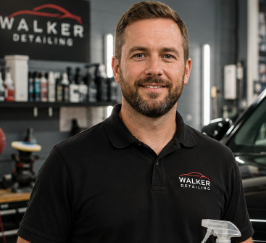
You want a quick, safe answer: yes, many car cleaning products will work on a motorcycle, but you must choose them carefully and use the right methods. Use pH-neutral, gentle cleansers and avoid high-pressure sprays or harsh chemicals that can harm paint, plastics, seals, and electrical parts. Tech9AutoRepair’s James Walker notes that product choice and technique matter more than convenience.
Think about surface differences: motorcycles have exposed metal, thinner paint, rubber, and sensitive parts that cars often hide. A product that cleans a car’s bulk panels might strip wax or damage trim on a bike, so match the cleaner to the task and rinse carefully to protect components and finishes.
Key Takeaways
- Pick gentle, motorcycle-safe cleaners and avoid strong alkalis or acids.
- Use low-pressure rinsing and soft tools to prevent damage to paint and seals.
- Test products on a small area and follow safe, step-by-step washing practices.
Differences in Vehicle Surfaces
Motorcycle and car surfaces differ in what they are made of, how they are finished, and how often they face weather and road debris. These differences change which cleaners, polishes, and tools are safe to use.
Material Composition
Motorcycles combine many materials in small areas: painted steel or aluminum frames, plastic fairings, exposed chrome, anodized aluminum, rubber hoses, and leather or vinyl seats. Cars have larger painted panels, hidden metal under the skin, and fewer exposed metal parts. Cleaners that etch or strip protective coatings can harm thin motorcycle paint or anodizing.
Use products that list compatibility with aluminum, chrome, plastic, and vinyl. Avoid high-pH degreasers and harsh solvents on anodized or polished aluminum. Mechanical parts like chain and brake discs need specific lubricants or cleaners; general car cleaners can contaminate braking surfaces or strip chain lube. Read labels for material safety before using any product on a motorcycle.
Surface Finishes
Motorcycle paint is often thinner and may carry multiple small curves and edges. Chrome and polished metal stay exposed and require rust inhibitors and gentle metal polishes. Car finishes use thicker clearcoats and larger flat panels that tolerate heavier polishing and machine buffers better than motorcycle surfaces.
Polish and compound choice matters. Use non-abrasive waxes on delicate clearcoats and small, low-speed polishing pads for curved panels. Test any polish on a hidden area first. For metal, choose polishes formulated for chrome and stainless steel to avoid pitting or dulling.
Exposure to Weather
Motorcycles expose many parts directly to rain, sun, salt, and road grime. Windblast throws grit into exposed nooks and the chain, while cars hide many components behind bodywork. This means motorcycles need cleaners that remove salt and brake dust without stripping protective oils.
Choose corrosion inhibitors and water-displacing sprays for exposed fasteners and joints. Waxing more often helps paint and plastics resist UV and moisture. For regions with road salt, rinse quickly after rides and use products that state salt protection for metal parts.
| Surface Type | Common Materials | Care Notes |
|---|---|---|
| Painted Panels | Thin clearcoat on steel/aluminum | Use gentle pH-neutral soap; avoid heavy compounding |
| Polished Metal | Chrome, stainless, aluminum | Use metal-specific polish; protect from corrosion |
| Plastics & Fairings | ABS, fiberglass, painted plastic | Avoid solvents; use plastic-safe cleaners and UV protectant |
| Rubber & Leather | Hoses, seats, grips | Use rubber protectant and leather cleaner/conditioner |
Formulation of Car Cleaning Products
Car cleaning products combine detergents, builders, solvents, waxes, and specialty chemicals to remove dirt, protect paint, and boost shine. Formulas balance cleaning power with surface safety, and concentration varies from consumer rinses to industrial presoak blends.
Common Ingredients
Most car cleaners use surfactants, water softeners, and pH adjusters. Surfactants (anionic and nonionic) loosen and lift road grime, grease, and oily film from painted panels and chrome. Builders and chelating agents (like phosphates or citrates) bind hard-water minerals so detergents rinse clean.
Solvents appear in degreasers and insect removers to dissolve tar and oil. Mild abrasives show up only in compounds and polish blends, not in plain wash soaps. Fragrance and dye add-ons change scent and color but do not affect cleaning strength.
| Ingredient Type | Function | Common Example |
|---|---|---|
| Surfactant | Remove dirt/oil | Sodium laureth sulfate, alcohol ethoxylates |
| Builder/Chelator | Softens water, prevents spotting | Sodium citrate, EDTA |
| Solvent | Dissolve wax/oil | Isopropyl alcohol, glycol ethers |
| Waxes/Polymers | Add shine, protect | Carnauba, acrylic polymers |
Purpose-Driven Additives
Manufacturers add specific chemicals to meet a purpose: gloss, lubrication for brushes, or corrosion control. Waxes and synthetic polymers deposit a thin protective layer to boost water beading and reduce UV fading on paint.
Corrosion inhibitors and pH buffers appear in formulas meant for metal-rich environments or winter use. Foam stabilizers and anti-foaming agents control suds level for brush or touchless tunnel systems. For motorcycles, lubricant-free or low-foam mixes reduce risk to chain and exposed bearings.
Additive choice affects dilution ratio and contact time. Strong solvents or abrasives suit heavy-duty degreasing but require careful rinsing to avoid damage on softer plastics and clear coat finishes.
Potential Residue Issues
Some cleaners leave wax, polymer, or chelant residues that can attract dust or impair brake and chain components. Residues from waxy rinse additives may collect in wheel wells and on brake discs if not rinsed thoroughly.
High-alkaline formulas or concentrated industrial blends can remove factory lubricants from exposed parts, leading to premature wear on chains, cables, and electrical connectors. Surfactant residues can also cause streaking on glass or matte finishes if the product is not formulated for those surfaces.
To minimize residue risk, follow dilution guidelines and rinse with clean water. Use neutral-pH or motorcycle-specific products near chains, open bearings, and matte paint, and wipe critical components dry after washing.
Motorcycle-Specific Cleaning Requirements
Motorcycles need gentler, targeted care than cars. Owners must protect paint, metal finishes, and exposed mechanical parts while cleaning small crevices and avoiding water in sensitive areas.
Vulnerable Components
Paint, chrome, aluminum, and clear-coated plastics can react poorly to harsh cleaners. Use a pH-balanced motorcycle or mild car soap labeled safe for aluminum and chrome. Avoid abrasive brushes or scouring pads that scratch paint or remove clear coat.
Electrical connectors, wiring harnesses, and sensors should never be sprayed directly with high-pressure water. Mask or cover ignition switches, exposed connectors, and the battery area when rinsing.
Use a soft microfiber wash mitt and separate buckets for rinse and wash to cut grit transfer. For fasteners and painted surfaces, dry quickly with a microfiber towel to prevent water spots and corrosion.
Cleaning Small Parts
Small parts like brake calipers, chain links, footpegs, and air intakes need focused attention. Use a soft-detail brush and a spray-on cleaner formulated for motorcycles. Work in short bursts, brushing dirt from crevices, then wipe with a lint-free cloth.
For the chain, choose the correct degreaser type for sealed or O-ring chains. Apply degreaser, let it soak briefly, then rinse gently and relube with a chain-specific lubricant. Avoid getting degreaser on painted surfaces or rubber parts.
The table below helps choose tools and cleaners for common small parts:
| Part | Cleaner Type | Tool | Drying/Aftercare |
|---|---|---|---|
| Brake calipers | Brake-safe cleaner | Soft nylon brush | Air dry or dry with microfiber |
| Chain (O-ring) | Chain degreaser | Chain brush | Rinse, dry, then chain lube |
| Footpegs / controls | pH-balanced cleaner | Small detail brush | Wipe dry, check fasteners |
| Air intakes / vents | Mild spray cleaner | Compressed air / brush | Ensure fully dry before riding |
Handling Exposed Engines
Exposed engines and exhausts tolerate water poorly at high pressure. Use low-pressure rinsing and keep the nozzle at least a foot away from engine fins, sensors, and exhaust ports. Avoid blasting water into intake openings, breather vents, or electrical connectors.
When degreasing the engine, apply a motorcycle-safe degreaser sparingly. Let it dwell per product instructions, agitate with a soft brush, then rinse gently. Protect the alternator, spark plug wells, and airbox with plastic bags while rinsing.
After cleaning, remove covers and dry engine surfaces with compressed air or microfiber towels. Run the engine briefly to evaporate trapped moisture, then check for loose connectors or fluid leaks before riding.
Compatibility and Safety Considerations
Motorcycle finishes, plastics, rubber, and metal parts each react differently to cleaning products. Choosing the right product and method prevents paint damage, plastic fading, and corrosion.
Paint and Coating Sensitivity
Motorcycle paint often uses thinner coats and different clearcoats than cars. Strong alkaline or acidic car soaps can strip wax, remove factory sealants, or dull clearcoat over time. Use pH-neutral or motorcycle-specific cleaners when possible.
Test any new product on an inconspicuous spot first. Apply, wait the manufacturer’s short dwell time, then rinse and inspect for haze or color change. Avoid abrasive pads and high-pressure spray close to the surface; they can etch clearcoat and force water under trim.
Products labeled safe for “automotive clearcoat” are a better starting point than general-purpose degreasers. For painted parts with decals or matte finishes, choose dedicated matte-safe formulas to preserve texture and appearance.
Effect on Plastics and Rubber
Plastics and rubber on bikes—fenders, trim, hoses, and grips—respond poorly to some car cleaners. Solvent-based cleaners and strong detergents can dry, whiten, or crack these materials. Silicone-based dressings can attract dirt and make surfaces slippery.
Use products marked “safe for plastics” or water-based cleaners. For rubber seals and hoses, mild soap with a soft brush and quick rinse prevents buildup without harming elasticity. Restore dried rubber with a silicone-free conditioner made for motorcycle parts.
Refer to manufacturer guidance for painted plastics or soft-touch materials. When in doubt, clean mildly and avoid prolonged chemical contact.
Corrosion Risk Factors
Motorcycles expose many small fasteners, bearings, and electrical connectors that cars do not. Acidic residues, salt, and trapped moisture increase corrosion risk if cleaners leave deposits or water collects inside cavities.
Rinse thoroughly after using any cleaner and dry areas prone to trapping water: under seats, behind fairings, and near chain and sprockets. Avoid high-pressure sprays aimed at bearings, wheel hubs, or electrical connectors. Use a corrosion inhibitor on exposed metal after cleaning if the bike rides in wet or salty conditions.
The table below lists common cleaner types and their relative corrosion and material risks.
| Cleaner Type | Paint/Clearcoat Risk | Plastics & Rubber Risk | Corrosion/Metal Risk |
|---|---|---|---|
| pH-neutral soap | Low | Low | Low |
| High-alkaline degreaser | Medium–High | High | Medium |
| Solvent-based cleaner | High | High | Medium |
| Wax/Sealant products | Low (protective) | Low | Low |
Performance and Effectiveness Comparison
This section compares how car products and motorcycle-specific products perform on grime removal, brake dust, bug residue, paint, chrome, and plastics. It also contrasts final shine, protection, and how each product behaves on delicate motorcycle parts.
Dirt Removal Results
Car cleaners often have stronger degreasers aimed at engine bays and heavy road grime. They remove oil, tar, and stubborn road film well, but some formulas can strip wax or damage soft plastics and matte finishes on motorcycles. Motorcycle cleaners usually balance cleaning power with gentler surfactants to protect plastic trim, decals, and clear coats.
Key differences shown in this quick comparison:
| Surface | Car Product | Motorcycle Product |
| Paint | Fast at cutting grime; may remove protection | Removes dirt while preserving wax/sealant |
| Plastic/Fairings | Can dull or dry plastics if harsh | Formulated to avoid whitening or cracking |
| Chain/Drivetrain | Good degreasing power; not formulated for chain lube removal | Some are safe for chain cleaning without harming seals |
They should test a product on a small area first. For heavy grease, a car degreaser may work, but the rider should reapply a protective product after cleaning.
Shine and Finish Outcomes
Car polishes and waxes often target large flat panels and can produce high gloss on automotive paint. On motorcycles, these products deliver shine but may leave residue in tight areas and can be too thick for textured plastics or matte panels. Motorcycle polishes and sealants usually include UV inhibitors and formulations that suit mixed surfaces like chrome, aluminum, painted parts, and plastics.
Practical points to watch:
- Car wax can give a strong mirror finish on painted fairings. It may bead poorly on plastic and reveal streaks around badges.
- Motorcycle-specific sealants often last longer on exposed surfaces and resist fuel and brake fluid better.
- Quick detail sprays made for motorcycles are formulated to remove bugs without harming visors or rubber.
A short comparison table helps:
| Attribute | Car Product | Motorcycle Product |
| Gloss | High gloss on painted panels | Good gloss plus protection for mixed materials |
| Residue in crevices | Higher risk of buildup | Formulated to rinse clean from tight spots |
| Resistance to fuels | Variable; not always fuel-resistant | Designed to withstand fuel and brake fluid exposure |
Step-by-Step Cleaning Recommendations
Start by rinsing the bike with low-pressure water to remove loose dirt and grit. They should avoid high-pressure jets near bearings, seals, and electronics to prevent water ingress.
Use a motorcycle-specific cleaner on painted and plastic parts. If a car product is used, test it on a small, hidden area first. Apply cleaner with a soft sponge or microfiber to reduce swirl marks.
Clean wheels and chain separately with purpose-made wheel and chain cleaners. Chains need a degreaser, a brush, and proper relubrication afterward to prevent wear.
Dry the bike with clean microfiber towels and a squeeze-type blower if available. Drying quickly helps prevent water spots and corrosion on metal parts.
Protect painted surfaces with a motorcycle-safe wax or ceramic spray. They should avoid car waxes that contain harsh abrasives or solvents that can harm plastics or decals.
Use a waterless spray for light touch-ups between full washes. For dusty bikes, blow out loose particles first to prevent scratching when wiping.
Pay special attention to fasteners, electrical connectors, and brake components. If unsure about a product, consult the motorcycle maker’s care guide or a trusted source like motorcycle maintenance for safe practices.
Environmental and Maintenance Implications
Using car cleaning products on a motorcycle can change how chemicals leave the bike and how parts age. It can increase harmful runoff and speed wear on chains, seals, and painted surfaces if the product is too harsh.
Runoff and Disposal
Car soaps and degreasers often contain stronger surfactants and solvents than motorcycle formulas. When rinsed off, these chemicals enter storm drains and soil, where they can harm aquatic life and local water quality. Riders who wash in driveways should direct rinse water to grassy areas or use a wash mat to capture and contain runoff.
Biodegradable labels can help, but they do not guarantee safety for waterways. For facts on pollutant effects and proper disposal, readers can consult water pollution guidance like that on Wikipedia’s water pollution page. Small-volume wash methods, such as waterless cleaners or bucket wash with a two-bucket system, cut runoff and use less product.
Long-Term Impact on Components
Many car products include waxes, strong degreasers, or pH levels that differ from motorcycle-safe cleaners. Harsh degreasers can strip chain lubricant and dry seals, causing faster wear and more frequent maintenance. High-alkaline car soaps may dull painted plastics or remove protective coatings on chrome and anodized parts.
Using a multi-surface car product on a brake rotor or pad can leave residues that lower braking performance. Riders should avoid spraying high-strength degreasers near wheel hubs and brakes. For routine cleaning, they should re-lubricate chains after any degreasing and inspect rubber boots and seals for stiffness or cracking over time.
FAQS
Can car wash soap damage a motorcycle?
It can if the soap is harsh or contains waxes that leave residue. They should check labels and avoid products with ammonia or strong degreasers near painted or plastic parts.
Are car cleaners safe for motorcycle paint and chrome?
Many mild car cleaners are safe for paint and chrome, but motorcycle-specific products often suit softer plastics and sealed joints better. When in doubt, test on a small hidden area first.
Can they use automatic car washes for motorcycles?
They should avoid high-pressure brushes and jets that hit the engine, bearings, or electrical parts. If they use an automatic wash, a touchless, low-pressure option is safer.
Is biodegradable car soap okay for motorcycles?
Yes, biodegradable soaps are usually gentle and safe for multiple surfaces. They still need rinsing and drying to prevent water spots and corrosion.
How should they protect chain and bearings during cleaning?
Cover the chain and wheel bearings or avoid direct spraying. After washing, they should dry and re-lubricate the chain per the manufacturer’s guidance.
When is motorcycle-specific cleaner worth buying?
It is worth it for frequent cleaning, special finishes (carbon fiber, matte paint), or when caring for many exposed mechanical parts. These products reduce risk and save time in the long run.
Conclusion
They can often use car cleaning products on motorcycles, but they should choose carefully. Mild, pH-neutral soaps and biodegradable formulas usually work fine on paint, glass, and most trim without stripping wax or damaging finishes.
They should avoid harsh degreasers, acidic wheel cleaners, and strong detergents near sensitive parts. These can harm coatings, rubber, and electrical components if they contact them directly.
When cleaning, they must protect air intakes, electronics, and exposed chains. Rinse thoroughly and dry promptly to prevent water spots and corrosion.
For best results, they should consider motorcycle-specific products for delicate surfaces like matte paint, carbon fiber, and leather. Those items are formulated for bike materials and often include conditioners or protectants.
A simple checklist helps keep things safe:
- Use gentle, bike-safe soap
- Keep strong chemicals away from sensitive parts
- Rinse and dry fully
- Use chain lube and protectants where needed
They will save time and avoid damage by matching products to the job. Choosing the right cleaner keeps the motorcycle looking good and running well.
