
A drive-through car wash is an automated service that cleans a vehicle while you stay inside. Machines use water jets, brushes or soft cloths, and timed chemical sprays to remove dirt, rinse, and dry the car quickly. It gives a fast, hands-off clean that fits into a busy schedule without needing special tools or much effort.
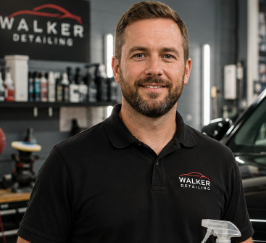
Expect different levels of service—from quick rinse cycles to full wash, wax, and wheel cleaning—and simple choices at the entrance decide how thorough the wash will be. James Walker from Tech9AutoRepair.com notes that using the right service level and occasional hand-detailing at home helps protect paint and extend results after an automated wash.
Key Takeaways
- Automated systems clean cars quickly and with little effort.
- Service options vary, so choose one that matches your car’s needs.
- Combine automatic washes with occasional hand care for best long-term protection.
How Drive-Through Systems Operate
Drive-through car washes move vehicles through a set sequence of cleaning steps using timed sprays, mechanical contact or high-pressure jets, and controlled drying. Sensors and a conveyor or track control the car’s position, while pumps, chemical dispensers, and blowers deliver the cleaning actions.
Automated Cleaning Process
The vehicle enters a tunnel or bay and the system confirms vehicle position with sensors or alignment guides. A pre-soak spray wets and loosens dirt with a low-pressure solution.
Next, concentrated detergent applies to break down grease and road film. In brush systems, rotating cloth or foam strips scrub the surface; in touchless systems, high-pressure jets and timed chemical dwell replace physical contact.
Rinse cycles use clear water, often with heated or softened supply, to remove soap and loosened debris. Optional wax or sealant sprays apply a thin protective layer. Final drying uses powerful blowers and air knives that remove water from mirrors, crevices, and wheel wells.
Types of Equipment Used
Drive-through systems use a mix of automated hardware and chemical systems. Major items include conveyors or motorized rollers that move the car, position sensors, and an overhead gantry that holds spray nozzles and brushes.
Pumps and chemical metering systems control water pressure and the dose of detergent, wax, and foam. Drying stations include centrifugal blowers and directional air knives to speed evaporation and prevent water spots.
Common equipment types in a compact comparison:
| Component | Function | Where Found |
| Conveyor/Track | Moves and times vehicle through stages | Tunnel/express bays |
| Brushes/Cloths | Physical scrubbing of paint | Brush-style washes |
| High-pressure nozzles | Touchless cleaning with jets | Touchless systems |
| Pumps & meters | Controls flow and chemical dosing | Plant room/equipment bay |
| Blowers & air knives | Dries vehicle quickly | Drying tunnel section |
Process Duration
Most express drive-through washes finish in about 3 to 7 minutes from entry to exit. Shorter times apply to basic rinses and touchless cycles, while brush systems with wax and drying may push toward the upper end of the range.
Factors that affect time include conveyor speed, number of optional steps (wax, undercarriage rinse), and water pressure. Maintenance issues or heavy dirt can slow the process if the system needs extra rinse or pre-soak time.
Operators often set cycle timing based on sensor feedback and chemical dwell requirements to ensure effective cleaning without over-exposure. This balance keeps throughput steady while protecting paint and trim.
Advantages of Drive-Through Car Washes
Drive-through car washes save time, reduce effort, and use controlled amounts of water and chemicals. They offer predictable pricing, quick turnaround, and options that suit different vehicle needs.
Convenience and Accessibility
Drive-through car washes let drivers stay in their seats while machines clean the vehicle. They often sit near main roads, malls, or gas stations, so access fits daily errands and commuting routes.
Many facilities offer membership plans and pay-per-use lanes. Memberships give regular users a set price and unlimited visits, which simplifies budgeting for car care.
These locations usually work in varied weather and hours; some run 24/7. They also accept most vehicle sizes, though very tall trucks or vehicles with roof racks may need a different service.
Time Efficiency
A typical drive-through wash takes 3 to 10 minutes from start to finish. That includes pre-wash rinse, soap application, brush or touchless cleaning, rinse, and drying cycles.
This speed suits people with tight schedules who need a clean car before work or errands. Waiting lines rarely exceed a few cars, and many sites offer express lanes for basic washes.
Automated timing reduces human error and keeps service consistent. Customers can plan stops with confidence because the process follows the same steps each visit.
Water and Chemical Usage
Drive-through car washes use measured amounts of water and detergents through automated pumps. This control often results in lower total water use than a typical home hose wash.
Many modern facilities recycle water and treat runoff to meet local regulations. Recycling systems can cut fresh water use by 50% or more, depending on the site.
Detergents come in dosed systems that apply cleaners precisely. This reduces chemical waste and limits over-application that can harm paint or the environment.
| Feature | Drive-Through Wash | Home Wash |
|---|---|---|
| Average Water Use | Lower with recycling (varies by facility) | Higher without controls |
| Chemical Dosing | Precise, automated | Manual, variable |
| Wastewater Handling | Treated/recycled at many sites | Often drains to storm sewers |
Potential Drawbacks to Consider
Drive-through car washes can save time, but they may trade convenience for some risks and limits. Drivers should weigh possible damage, chemical exposure, and how well these systems clean compared with hand washing.
Possible Vehicle Risks
Drive-through systems can cause physical scratches and swirl marks when brushes or cloths contact paint that holds grit. Older or poorly maintained brushes trap debris and may abrade clear coat. Vehicles with loose trim, antennas, or roof racks risk snagging or bending during the automated cycle.
Harsh chemicals used to break down grime can strip wax and reduce protective coatings over time. That makes paint more vulnerable to UV fade and environmental staining. Sensitive finishes — matte paint, aftermarket wraps, and decals — can suffer discoloration or finish change from aggressive detergents.
Tire, sensor, and undercarriage concerns also appear. High-pressure jets aimed improperly can stress seals or electronics in some vehicles. Vehicles with lowered suspension may scrape rails. Drivers should check machine condition and choose touchless modes for delicate finishes.
Effectiveness Compared to Manual Washing
Automated washes prioritize speed and broad cleaning but often miss tight spots. Wheel wells, door jambs, and undercarriage areas frequently retain grime after an automated pass. Hand washing permits targeted attention to these trouble areas.
Quality varies widely between touchless systems and brush-based ones. Touchless washes avoid brush abrasion but rely on stronger chemicals and can leave water spots. Brush systems can remove more surface dirt but risk causing fine scratches if brushes are contaminated.
Manual washing gives better control over products, water temperature, and drying technique. It also allows the use of clay, polish, or sealant steps that extend paint life. For routine, quick cleans, drive-throughs work well; for deep cleaning or protecting high-value finishes, hand washing typically performs better.
| Aspect | Drive-Through | Manual Wash |
| Speed | Fast (minutes) | Slower (30+ minutes) |
| Paint safety | Variable; brush abrasion risk | Better control; less risk if done correctly |
| Cleaning detail | Good for general dirt; misses tight spots | Thorough; can address wheel wells and jambs |
| Chemical exposure | Higher concentration possible | Controlled product choice |
Varieties of Drive-Through Car Wash Facilities
Drive-through car washes vary by how they clean, how much contact they make with the vehicle, and how much control the customer has. The main differences affect cleaning strength, risk of surface wear, and time spent in the bay.
Soft Cloth vs. Touchless Systems
Soft cloth systems use rotating or oscillating fabric strips that physically scrub the paint, wheels, and glass. They apply foam, brushes, and rinse cycles while the car moves on a conveyor or through a tunnel. These systems often include wax and drying stages and remove stuck-on dirt more effectively than purely water-based methods. They can be faster for heavy grime but carry a small risk of surface wear or swirl marks on older or poorly finished paint.
Touchless systems use high-pressure water jets and concentrated detergents to clean without contacting the vehicle. They reduce the chance of scratches and are safer for fragile trims, decals, and specialty finishes. However, touchless washes may struggle with baked-on road grime or tar and often rely on stronger chemicals and longer rinse cycles to match the cleanliness of soft cloth options.
| Feature | Soft Cloth | Touchless |
|---|---|---|
| Contact with vehicle | Yes (fabric brushes) | No (high-pressure water) |
| Best for | Heavy dirt, quick shine | Delicate finishes, minimal scratch risk |
| Typical drawbacks | Possible swirl marks | Less effective on baked-on grime |
Self-Service Options
Self-service drive-through bays let drivers clean their own vehicle using on-site equipment. Typically, a bay contains a high-pressure wand, foam brush, spot-free rinse, and coin- or pay-card activation. Customers control water pressure, soap application, and how long they spend on each stage.
Self-service works well for owners who want control, spot treatments, or gentle cleaning on custom paint. It takes longer and relies on user skill for good results. Many locations post step-by-step instructions and supply multiple cleaning programs (pre-soak, soap, rinse, wax) that the user selects from a central panel.
Comparing Drive-Through and Traditional Hand Washes
Drive-through washes excel at speed and lower per-visit cost. Hand washes score higher on careful cleaning and paint-safe techniques.
Cost Differences
Drive-through washes charge a set price per wash. Many locations offer basic rinses for $5–$10 and upgraded packages with wax or undercarriage rinse for $15–$25. Monthly subscription plans often run $20–$40 and allow frequent use at a lower per-wash cost.
Hand washes usually cost more per visit. A basic quick hand wash at a small shop might be $20–$40. Full detailing, including clay, polish, and interior cleaning, can range $100–$300 or more. Labor and time drive those prices up.
Use this quick table to compare typical costs:
| Typical Price Range | Notes | |
|---|---|---|
| Drive-through basic | $5–$10 | Fast, limited service |
| Drive-through premium | $15–$25 | Wax, tire shine, undercarriage options |
| Hand wash (basic) | $20–$40 | More attention to spots |
| Hand detailing | $100–$300+ | Deep clean, paint correction available |
Service Quality
Drive-through systems clean quickly using automated brushes, cloth strips, or touchless jets. They remove loose dirt and road grime effectively, especially when maintained properly. However, rotating brushes and cloth can trap grit and cause light scratches if the equipment or wash water isn’t well maintained.
Hand washes let technicians target problem areas like wheel wells, door jambs, and paint chips. Proper hand washing uses two-bucket methods, microfiber mitts, and gentle drying to reduce swirl marks. Quality varies by shop and worker skill, so a reputable detailer matters.
Customers who value paint preservation and spot cleaning tend to prefer hand washes. Those needing fast, regular upkeep often choose drive-throughs, especially with a subscription.
Environmental Impact of Automated Car Washes
Automated car washes use large volumes of water and chemicals, but many sites reduce harm by recycling water and by choosing milder cleaning agents. Proper systems cut freshwater use and limit polluted runoff into streets and rivers.
Recycling and Water Conservation
Many modern automated car washes capture and treat rinse water on site. They use settling tanks, filters, and oil-water separators to remove dirt, oils, and solids before reusing water for pre-rinse and final rinse cycles. This can lower freshwater use to as little as 10–40 gallons per vehicle, compared with 80–140 gallons for a typical home hose wash.
Stations often meter flow and use timed cycles to avoid excess water. Municipal regulations may require permits and set discharge limits, so facilities monitor water quality and report results. Customers should look for signs about reclaimed water or ask staff whether the facility recycles and how much water it saves.
Use of Eco-Friendly Products
Automated sites increasingly use biodegradable, low-phosphate detergents and enzyme-based cleaners to reduce toxicity. These products break down faster and pose less risk to aquatic life than older formulas that contained high levels of phosphates and harsh solvents.
Operators balance cleaning power with environmental rules. They choose products certified by third-party groups or listed in local stormwater guidance. For more about cleaning agents and biodegradability, see biodegradability. Customers can ask which products a car wash uses and prefer locations that post product information or environmental certifications.
Tips for Optimal Results
They should check doors, windows, and antennae before entering the wash. Loose items can snag or break during the wash, so fold mirrors and remove or secure antennas when possible.
Selecting the right wash package matters. Higher packages often include pre-soak, wax, and blow-dry. Those extras help if the vehicle has heavy dirt or pollen.
It helps to rinse heavy grime or bird droppings first. This reduces scratches from brushes or cloth. For stubborn spots, quick spot-cleaning with a soft cloth before the wash improves results.
Tire and trim care makes a visible difference. Use a tire cleaner or dressing after the wash if the package doesn’t include it. That step restores black trim and keeps wheels looking fresh.
They should stay centered on the conveyor and follow lane markers. Driving off-center can cause uneven cleaning or damage. Listen to attendant directions and keep the vehicle in neutral if the system requires it.
Check for wash-friendly features on the car. Fold-away mirrors and removable antennae avoid problems. Owners of cars with aftermarket parts should verify fit and clearance.
For more on car wash history and systems, readers can learn background at the automatic car wash page. For maintenance tips on finishes and wax, trusted sources like professional detailers offer useful guidance.
FAQS
What is a drive-through car wash?
A drive-through car wash is an automated system where a vehicle moves through a tunnel or stays in a bay while machines clean its exterior. It uses jets, brushes, soaps, and dryers so the driver stays in the car.
Is it safe for all vehicles?
Most modern car washes are safe for standard cars and light trucks. Owners of vintage cars, vehicles with loose trim, or lifted trucks should check clearance and equipment before entering.
How long does the process take?
Typical washes take 3 to 10 minutes depending on the package and equipment. Higher-level services that add wax or sealant can add a few more minutes.
Will it damage the paint?
Well-maintained automated washes generally do not harm paint. Scratches can occur with worn brushes or accumulated debris, so choosing touchless options reduces that risk.
How much does it cost?
Prices vary by location and service level. Basic washes are cheaper; options like wax, undercarriage rinse, and spot-free rinse cost more.
Can it save water?
Yes. Drive-through systems often use less water than many home washing methods because they recycle and meter water. This makes them a more water-efficient choice.
What should drivers do before entering?
They should fold mirrors, close windows, remove antennas, and secure loose items. Following posted instructions and staying in the car helps the process run smoothly.
Conclusion
A drive-through car wash offers a quick, hands-off way to clean a vehicle. It uses machines, water, and cleaners to handle most of the exterior work while the driver stays inside.
Many systems follow set steps: pre-wash, soap, agitation, rinse, and drying. This standard process makes results predictable and fast, often taking just a few minutes.
Drivers can choose different service levels for extra cleaning or protection. That flexibility helps match time, budget, and care needs.
Automated washes usually use less water than home washing and reduce physical effort. They also rely on sensors and controls to apply the right amount of water and detergent.
People should weigh convenience against potential risks like minor scratches on very delicate finishes. Choosing a reputable facility and following posted instructions lowers risks.
For most drivers, a drive-through car wash provides efficient, affordable exterior cleaning. It fits well into busy schedules and keeps vehicles looking cared for without much hassle.
