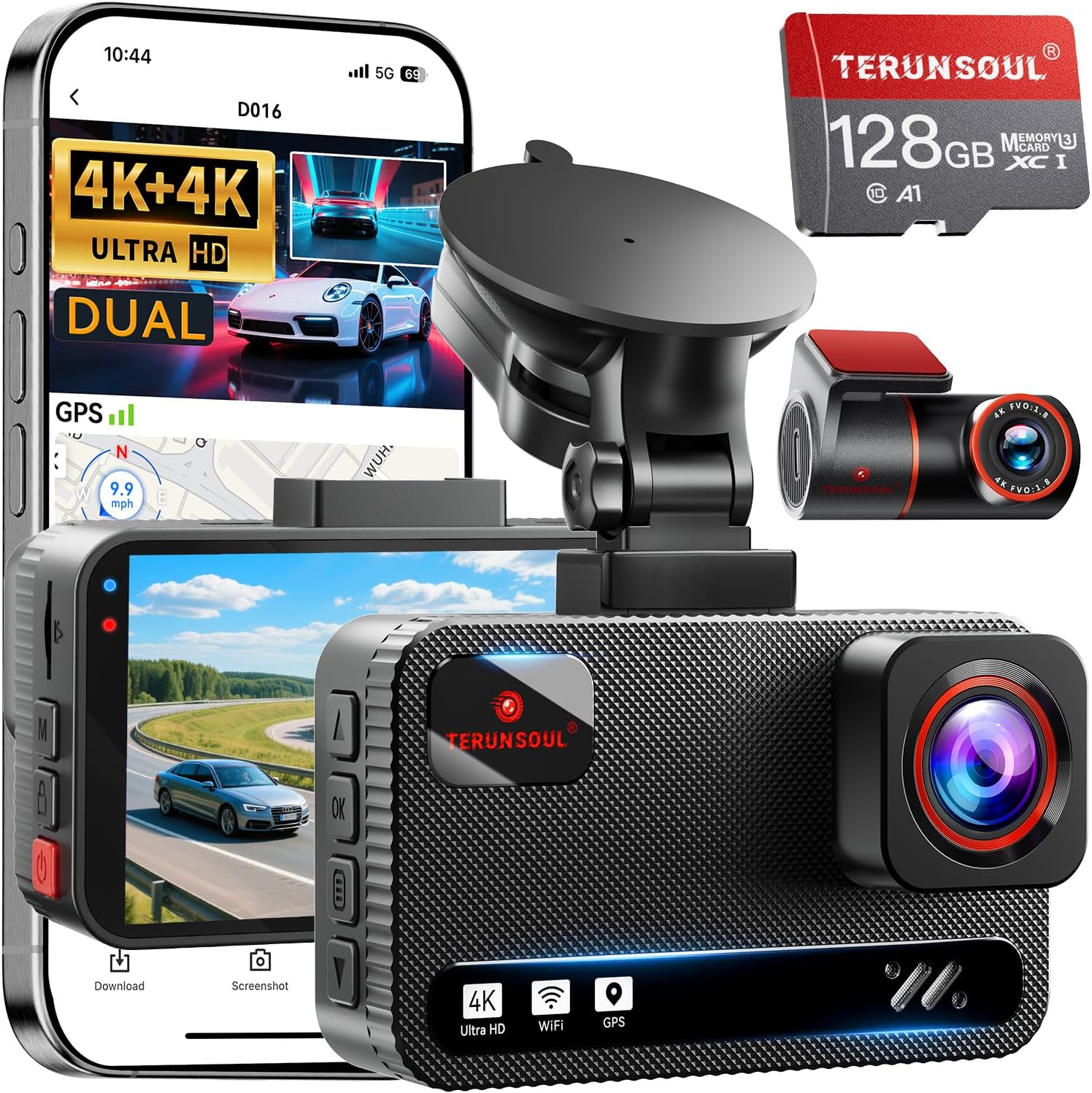
In this guide, you’ll learn whether car GPS systems keep a history of your locations and how this affects your privacy. Understanding this can help you make informed decisions about your data security.
Key Takeaways
- Data Collection: Car GPS systems often track your movements for navigation and user experience improvements.
- Privacy Implications: Stored location data can potentially be accessed by third parties, raising privacy concerns.
- Accessing Your History: Many GPS systems allow users to view their location history through associated apps or websites.
- Deleting Data: Users can often delete their location history, but the process varies by device and manufacturer.
- Opting Out: Some GPS devices offer options to minimize data collection, enhancing privacy.
- Legal Considerations: Laws regarding GPS data privacy vary, so it’s important to know your rights.
- Best Practices: Regularly review your GPS settings and data management options to safeguard your privacy.
Do Car GPS Keep History and How It Affects Your Privacy
In today’s world, many cars come equipped with GPS systems that can track your location. But have you ever wondered if these systems keep a record of your travels? This guide will explain whether car GPS systems store your location history and how this could impact your privacy. By the end, you’ll be better informed about how to manage your GPS data and protect your personal information.
Understanding GPS Systems
Before diving into whether GPS systems keep history, let’s review what a GPS system is and how it works.

Visual guide about Do Car GPS Keep History and How It Affects Your Privacy
Image source: carsflow.com
What is GPS?
GPS stands for Global Positioning System. It uses satellites to determine your location anywhere on Earth. In cars, GPS is often integrated with navigation systems to provide real-time directions and traffic updates.
How GPS Systems Work
When you use a GPS in your car, it communicates with satellites to pinpoint your location. As you drive, the GPS tracks your route and saves this data to help improve navigation.
Do Car GPS Keep History?
Now, let’s address the central question: Do car GPS systems keep a history of your travels?
Data Storage in GPS Systems
Yes, most car GPS systems do keep a history of your locations. This data is stored to enhance user experience, allowing for features like:
- Route Optimization: By remembering your frequent routes, GPS can suggest the fastest paths.
- Favorites: You can save favorite locations for quick access in the future.
- Traffic Updates: Historical data can help predict traffic patterns.
How Does This Affect Your Privacy?
While keeping a location history can enhance convenience, it also poses privacy risks. Here’s how:
Potential Privacy Risks
1. Data Access: Your location history can potentially be accessed by third parties, including marketing firms or law enforcement.
2. Data Breaches: If the GPS provider experiences a data breach, your location information could be compromised.
3. Tracking by Others: If someone gains access to your GPS account, they can track your movements.
How to Access Your GPS History
If you’re curious about what your GPS has recorded, accessing your location history is often straightforward.
Steps to Access History
- Open the GPS App: Launch the app associated with your car’s GPS system.
- Navigate to History: Look for a section labeled “History” or “My Trips.”
- View Details: You should see a list of your recent trips and locations.
How to Manage Your GPS Data
Managing your GPS data is essential for protecting your privacy. Here are some steps you can take:
How to Delete Your Location History
Many GPS devices allow you to delete your history. Here’s a general guide:
- Access Settings: Go to the settings section of your GPS app.
- Find History Options: Look for options related to location history or privacy.
- Delete Data: Follow the prompts to delete your history.
Adjusting Privacy Settings
To minimize data collection, adjust your privacy settings:
- Turn Off Location Sharing: Disable sharing options unless necessary.
- Limit Data Collection: Choose settings that reduce how much data is collected.
- Regularly Review Settings: Check your settings periodically to ensure they align with your preferences.
Legal Considerations
Understanding your rights regarding GPS data is crucial. Laws about location tracking and privacy can vary by region.
Know Your Rights
1. Consent: Many GPS systems require user consent to collect data. Always read the terms.
2. Access to Your Data: You may have the right to request a copy of your location history.
3. Opting Out: Some services allow you to opt-out of data collection entirely.
Practical Tips for Protecting Your Privacy
Here are some practical ways to safeguard your privacy while using a car GPS:
- Use a Separate Account: If possible, use a dedicated account for your GPS that doesn’t link to other personal information.
- Regularly Clear Data: Make it a habit to clear your location history periodically.
- Stay Informed: Keep up with updates from your GPS provider regarding data policies.
Troubleshooting Common Issues
If you encounter issues accessing or deleting your GPS history, consider these tips:
- Check Connectivity: Ensure your device is connected to the internet.
- Update Your App: Make sure your GPS app is updated to the latest version.
- Consult the Manual: Refer to your car’s manual for specific instructions related to your model.
Conclusion
In conclusion, car GPS systems do keep a history of your travels, which can enhance navigation and user experience. However, it’s essential to consider the privacy implications of this data collection. By understanding how to manage your GPS history and taking proactive steps to protect your privacy, you can navigate the roads with confidence. Regularly review your settings and practices to ensure your location data remains secure.
🎥 Related Video: Finding GPS tracker inside paid off car… #gpstrackers #cars #repo #paidoff #killswitch
📺 WhatsYourDaily