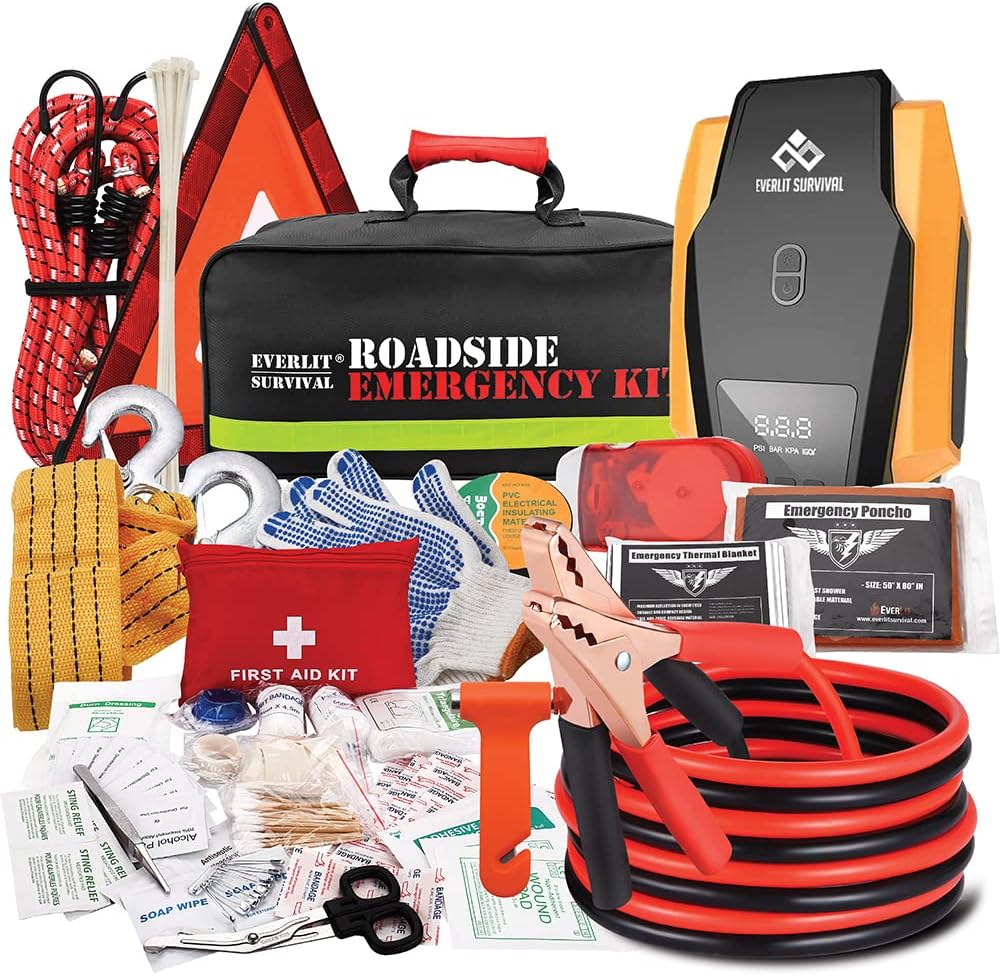
A jump starter should stay ready without taking damage from heat, cold, moisture, or careless storage. Store it in a dry, secure place, protect its cables and clamps, and keep its battery charged according to the manufacturer’s instructions.
Extreme temperatures can reduce battery performance, while loose clamps or poor placement can cause damage. The right storage habits help drivers respond to dead or weak batteries in cars, trucks, SUVs, motorcycles, and other compatible vehicles.
Key Takeaways
- Store the unit in a cool, dry, secure location.
- Charge the battery on the recommended schedule.
- Protect clamps, cables, children, and pets.
Choose A Safe Storage Location
A jump starter needs a stable, dry location away from heat, cold, water, and blocked airflow. The storage area should also prevent pressure on the unit, damage to its cables, and contact with metal objects that could cause a short circuit.
Avoid Extreme Temperatures
Most jump starters use lithium-ion batteries, which can lose capacity when exposed to extreme heat or cold. A parked car can become dangerously hot in direct sunlight, while overnight winter temperatures can fall below the battery’s safe storage range.
The safest choice is a cool, dry indoor location, such as a closet or climate-controlled garage. The device should stay away from radiators, heaters, stoves, and windows with strong sunlight.
| Storage condition | Recommended action |
|---|---|
| Hot vehicle or direct sunlight | Move the unit indoors |
| Freezing conditions | Keep it in a temperature-controlled area |
| Normal indoor temperature | Suitable for storage |
| Unit feels hot or frozen | Let it return to room temperature before charging or use |
The owner’s manual should take priority because temperature limits vary by model. A jump starter should not be charged while it remains very hot or cold.
Keep Away From Moisture
Water and condensation can damage the battery, charging ports, and internal circuits. The jump starter should remain in a dry case or container, away from sinks, damp floors, rain, snow, and areas with high humidity.
The storage case should protect the unit without trapping visible moisture inside. If the device becomes wet, it should be disconnected from power and allowed to dry fully before anyone uses or charges it. It should not be opened or tested while moisture remains.
Cables and clamps should stay clean and dry. The positive and negative clamps should be stored so they cannot touch each other or contact keys, tools, coins, or other metal items. This reduces the risk of a short circuit.
Ensure Adequate Ventilation
The jump starter should rest in an open, stable space rather than under heavy clothing, blankets, or loose items. Good airflow helps prevent heat buildup during charging and keeps the unit easier to inspect.
It should not be stored inside a sealed container while charging. The charger and cable should remain free from sharp bends, crushing, and heat sources. The storage area should also keep the device away from flammable liquids, paper piles, and other materials that could worsen a battery fire.
A protective case can prevent dust and physical damage, but it should not block the unit’s vents during charging or operation. The device should be placed where children and pets cannot reach it.
Prepare The Unit Before Storage
A jump starter should be powered down, disconnected, clean, and free from damage before storage. These steps reduce the risk of accidental discharge, corrosion, and failure during the next emergency.
Turn Off And Disconnect Cables
The user should switch off the jump starter before removing it from a vehicle or charger. If the unit has an automatic safety mode, the user should still turn it off manually when possible.
The user should disconnect the clamps in the reverse order recommended by the manufacturer. In many cases, the black clamp comes off first, followed by the red clamp. The manual takes priority because some models use different procedures.
The clamps should not touch each other or any metal object while connected to the jump starter. After removal, the user should place the cables in their built-in storage area or secure them beside the unit without sharply bending them.
The user should also unplug the charging cable and remove any connected accessories. Leaving a cable attached can slowly drain the battery or create a short circuit if the connector contacts metal.
Clean The Exterior And Clamps
The user should wipe the case with a clean, dry cloth to remove dust, dirt, and moisture. A slightly damp cloth can remove stubborn residue, but the unit should never be soaked or sprayed directly with cleaner.
The clamps need special attention because dirt and oxidation can weaken their electrical contact. The user should wipe the metal jaws and contact surfaces, then let them dry fully before storage.
| Part | Safe cleaning method | Avoid |
|---|---|---|
| Plastic case | Dry or slightly damp cloth | Water entering ports |
| Clamp jaws | Dry cloth; light brushing for residue | Abrasive tools or liquid near wiring |
| Charging ports | Gentle dry brush or air | Metal objects or forced air pressure |
The user should not store the jump starter while it is wet. Moisture can cause corrosion, damage electronic parts, or create a short circuit when the unit powers on.
Inspect For Damage
The user should check the case for cracks, swelling, burns, melted plastic, or loose parts. A swollen case can indicate a damaged lithium battery, so the unit should not be charged or stored in a confined space.
The cables should have intact insulation with no cuts, exposed wire, stiff sections, or loose connections. The clamps should open and close firmly, and their springs should hold them securely.
The user should inspect the charging ports, buttons, display, and safety covers. Missing covers or damaged ports can allow dust or moisture to reach internal components.
If the jump starter shows unusual heat, a chemical smell, leakage, smoke damage, or severe physical damage, the user should stop using it and follow the manufacturer’s disposal or service guidance. Damaged lithium batteries should not go into household trash.
Maintain The Battery Charge
A jump starter stays ready when its battery remains within the charge range stated by the manufacturer. The owner should also use the supplied charging equipment and follow a regular inspection schedule.
Follow The Recommended Charge Level
The owner should check the charge indicator before storing the jump starter. Many models use four lights or a digital display, but the correct storage level varies by model. The manual should take priority over general advice.
If the manufacturer gives no storage level, the owner should avoid storing the unit fully empty. A moderate charge can reduce stress on a lithium-ion battery during long storage, while a full charge may keep the device ready for short-term storage. The owner should charge it fully before an expected trip or emergency use.
The jump starter should not remain connected to power after it reaches its charge level unless the manual specifically allows it. Continuous charging can create heat and may shorten battery life.
Use The Correct Charger
The owner should use the charger supplied with the jump starter or an approved replacement with the same voltage, connector, and charging specifications. A phone charger, laptop adapter, or other substitute may deliver the wrong current or voltage.
Before charging, the owner should inspect the cable, plug, and charging port. Damaged insulation, bent contacts, loose connections, or moisture require attention before use. The jump starter should charge on a dry, hard surface away from fuel, paper, fabric, and direct sunlight.
| Check | Safe practice |
|---|---|
| Charger | Use the supplied or approved charger |
| Cable | Replace it if damaged |
| Location | Charge in a cool, dry, ventilated area |
| Connection | Stop if the unit becomes unusually hot or swollen |
Set A Recharge Schedule
The owner should check the battery level about once a month, or as often as the manual recommends. Slow self-discharge can leave a jump starter empty after several months, especially when it remains unused in a vehicle or storage cabinet.
If the indicator shows a low charge, the owner should recharge the unit before storing it again. After using the jump starter, it should be recharged according to the manufacturer’s instructions rather than returned to storage immediately.
Extreme heat and cold can affect charging and battery performance. The owner should let the unit return to room temperature before charging it and should store it in a cool, dry place away from freezing conditions and high heat.
Protect Cables And Clamps
Clean, covered clamps and gently stored cables help prevent corrosion, short circuits, and physical damage. The jump starter should remain switched off, dry, and protected from sharp objects during storage.
Secure Clamp Covers
The clamps should sit inside their protective covers after every use. If the unit does not include covers, the clamps should be wrapped separately in a nonconductive material, such as a cloth sleeve or thick plastic guard. The metal jaws must not touch each other or other metal objects.
Before storage, the user should wipe dirt and moisture from the clamps with a dry cloth. Corrosion on the jaws or cable connectors can reduce electrical contact. The user should not apply oil or grease to the contact surfaces because these products can interfere with the connection.
The cables should remain attached to their proper storage ports, if the jump starter has them. Loose clamps should not rest against the battery pack, tools, keys, or other conductive items.
Prevent Cable Kinks
The cables should be loosely coiled without tight bends or sharp folds. Tight coiling can strain the wire strands and damage the insulation near the clamps or the jump starter housing. A hook-and-loop strap can hold the coil in place without squeezing it.
The user should follow the cable’s natural curve and avoid wrapping it around the unit under tension. The cables should not be crushed under heavy objects or trapped in a case zipper. They should also remain away from sharp edges that could cut or scrape the outer covering.
During each inspection, the user should check for cracks, exposed wire, flattened sections, or loose connections. Damaged cables should not be used until a qualified service provider confirms that they are safe.
Keep Metal Contacts Separated
The clamp jaws should remain separated whenever the jump starter is stored. Contact between the positive and negative clamps can create a short circuit, especially if the jump starter is switched on or connected to a power source.
A storage case with separate clamp pockets provides a reliable barrier. If no case is available, the user should place each covered clamp in a different pocket or wrap them separately so that the metal teeth cannot meet.
The clamps should also stay away from coins, tools, keys, and loose hardware. The user should inspect the storage area before closing the case and keep the jump starter in a dry location where moisture cannot bridge the contacts.
Use Appropriate Storage Containers
A stable, ventilated storage space protects the jump starter from falls, moisture, dust, and heat. The container should hold the unit and cables without bending, crushing, or trapping excess heat.
Select A Stable Shelf Or Cabinet
A jump starter should stay on a low, sturdy shelf or inside a cabinet that cannot tip. The storage surface must remain dry and away from heaters, furnaces, windows, and direct sunlight. Keeping the unit low also reduces damage if it falls.
A hard-sided case can protect the jump starter from impacts and keep the clamps and charging cables together. The case should have enough room for the device and accessories without pressing against buttons, ports, or cables. The original case usually works well if it remains clean and undamaged.
| Storage feature | Recommended choice |
|---|---|
| Surface | Stable, level shelf or cabinet |
| Location | Cool, dry area away from heat |
| Container | Rigid case with room for accessories |
| Cable placement | Loosely coiled, without sharp bends |
The jump starter should remain easy to inspect. The owner should check the case, cables, and connectors for cracks, corrosion, moisture, or swelling before storing and before use.
Avoid Sealed Plastic Bags
A sealed plastic bag can trap moisture inside, especially when the jump starter moves between cold and warm areas. Condensation may collect around the ports, clamps, or charging cable and can lead to corrosion or electrical problems.
The jump starter should not be wrapped tightly in plastic or stored while damp. If dust protection is needed, the owner can place the unit in a breathable fabric pouch or a ventilated case after allowing it to reach room temperature and dry fully.
Plastic should also stay away from the charging connection during charging. The device needs open air while it charges, and the owner should follow the manufacturer’s instructions for ventilation and charging safety.
Store Safely Around Children And Pets
A jump starter contains a powerful battery and metal clamps that can cause injury if handled improperly. It should remain secured against unauthorized handling, and its clamps should stay covered and separated when not in use.
Restrict Access
Store the jump starter in a locked cabinet, closed storage box, or high location that children and pets cannot reach. A vehicle glove box may work only if it stays within the manufacturer’s recommended temperature range and the device cannot slide into the passenger area.
Keep the jump starter in its protective case. The case prevents children or pets from chewing cables, pulling on clamps, or damaging the charging port. It also keeps small accessories, such as adapters, away from young children who could swallow them.
The storage area should stay cool, dry, and away from direct sunlight, heaters, stoves, and damp floors. A lithium battery can suffer damage from extreme heat, freezing conditions, or moisture. If the device shows swelling, cracks, leaking, or unusual heat, an adult should stop using it and follow the manufacturer’s disposal guidance.
Prevent Accidental Short Circuits
Metal objects can connect the jump starter’s terminals and create a short circuit. Store the red and black clamps in their holders or protective covers, and keep them from touching each other. The clamps should not rest loose beside keys, coins, tools, or other metal items.
Do not place the jump starter in a drawer with household batteries, exposed wires, or sharp objects. Pets may damage cables by chewing them, so the complete unit should remain inside its case or a secure container. The charger should also stay unplugged when it is not charging.
Before storage, the owner should inspect the cables, clamps, and casing for damage. They should follow the manual for the storage charge level and check the battery periodically. A damaged unit should remain away from children and pets until a qualified service center provides disposal or repair instructions.
Check The Device During Long-Term Storage
A stored jump starter needs periodic checks for charge loss, damage, and safe operation. Regular inspections help identify weak batteries, cracked cables, swollen cells, or failed safety controls before an emergency.
Monitor Battery Status
Check the charge level every one to three months, or follow the schedule in the device manual. Lithium jump starters slowly lose charge while stored, even when switched off. Recharge the unit when its level falls below the manufacturer’s recommended range.
For long-term storage, many lithium batteries hold up best at about 40–60% charge. Avoid leaving the device fully empty, and do not keep it at 100% for months unless the manual permits it. Use only the supplied charger or a compatible replacement.
During each check, inspect the case for bulging, cracks, heat damage, or unusual odors. Stop using the unit if any of these signs appear. Place it on a nonflammable surface and contact the manufacturer for safe disposal or service guidance. Battery storage principles also apply to other lithium devices, as explained in this lithium-ion battery reference.
Test Safety Features
Inspect the clamps, cables, ports, and power button during each check. Look for cuts, exposed wires, loose connections, melted plastic, or corrosion. Clean dry contacts with a soft cloth, but keep water and cleaning liquids away from the unit.
Turn on the jump starter and confirm that its display, indicator lights, flashlight, and USB ports work. If the model includes reverse-polarity, short-circuit, overheat, or overload protection, test these features only as the manual directs. Never create a short circuit or connect the clamps to a live battery just to test protection.
Keep the clamps separated and do not store them attached to metal objects. If the device becomes hot, smells unusual, or behaves erratically during a check, switch it off and unplug it.
Replace Aging Components
Inspect removable cables and adapters for wear before returning the jump starter to storage. Replace damaged cables with parts approved for that model. A cable that feels stiff, has exposed conductors, or shows heat marks can create a connection failure or safety risk.
Most jump starters use sealed battery packs that owners should not open or replace. Battery capacity may decline after several years, repeated deep discharges, or storage in high heat. If the unit loses charge quickly, fails to start a vehicle at its rated capacity, or shuts down under load, have it tested by the manufacturer or a qualified service center.
Replace the entire unit when its battery pack, casing, or protection system cannot receive safe service. Follow local rules for lithium-battery recycling, and never place a damaged battery in household trash.
FAQs
Can a jump starter stay in a car?
It can, but extreme heat and cold may damage its battery or shorten its life. The owner should store it in a dry, shaded place, such as a secured trunk compartment. It should not remain in direct sunlight.
What temperature is safe for storage?
The owner should follow the temperature range in the manual. Most lithium-ion jump starters handle normal indoor temperatures best. A vehicle’s trunk can become much hotter or colder than the outside air, so the device should be brought indoors when conditions become extreme.
How often should it be charged?
The owner should check the charge every one to three months. Many models should remain at least partly charged, but the manual provides the correct target. The device should be recharged after each use.
Should the jump starter remain connected to a charger?
No. Unless the manufacturer allows continuous charging, it should be unplugged after it reaches the required charge. Continuous charging can create heat and may reduce battery life.
How should it be protected?
It should remain in its case, away from water, metal tools, and sharp objects. The clamps and cables should stay neatly secured to prevent damage or accidental contact.
Can it charge a phone during storage?
The owner should use its USB ports only when needed. Phone charging reduces the jump starter’s stored power, so the unit should be recharged afterward.
Conclusion
A jump starter stays dependable when its owner stores it with care. It should be kept in a cool, dry place away from direct sunlight, moisture, and extreme heat or cold.
Before storage, the owner should charge it according to the manufacturer’s instructions and disconnect all cables and accessories. The terminals should remain clean and dry to help prevent corrosion.
For long-term storage, the owner should check the charge level at the interval listed in the manual. Many lithium-ion models need periodic charging, but the correct schedule varies by product.
If the jump starter remains in a vehicle, it should be protected from temperature extremes. A shaded, secure storage spot is safer than leaving it in a hot or freezing cabin.