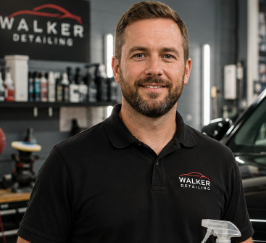
By James Walker
Quick Answer: To start a car washing business, choose a service model (mobile or fixed-location), check local business licensing and water-use rules, buy the right equipment for that model, set clear pricing, and build a simple booking and marketing system before your first paying customer.
People searching for how to start a car washing business usually fall into two groups: someone testing a side hustle with a hose and some buckets, and someone planning a more structured mobile detailing or fixed-site operation. This guide covers both, walking through the real decisions — service model, equipment, licensing, pricing, and marketing — that separate a car washing business that lasts from one that fizzles out after a few weekends.
Service models Startup equipment Licensing basics Pricing Common mistakes
This article is for general educational and planning guidance only. It does not guarantee business success or income and does not replace advice from a qualified accountant, business advisor, or legal professional. Business licensing, water-use, and wastewater rules vary significantly by country, state, or local council — always check your local requirements before you start a car washing business.
Choosing a Service Model
The first real decision when you start a car washing business is what kind of operation you’re running. This shapes almost every choice that follows, from equipment to pricing to how you find customers.
Mobile vs. Fixed-Location Comparison
| Factor | Mobile car wash | Fixed-location car wash |
| Startup cost | Lower — vehicle, water tank, portable equipment | Higher — lease, plumbing, drainage, signage |
| Water access | Self-contained tank or customer’s water source | Fixed plumbing at the site |
| Customer reach | Goes to the customer — offices, homes, fleets | Customers come to a set location |
| Scaling path | Add more vans/crews over time | Add bays or a second site |
Steps to Start a Car Washing Business
1
Decide on your service model. Mobile, fixed-location, or a hybrid where you start mobile and open a location later once demand is proven.
2
Check local business and environmental rules. Most areas regulate how wash water and soap runoff can be disposed of, and many require some form of business registration. Contact your local business licensing office or council before taking your first paying customer.
3
Buy the right starting equipment. A pressure washer or hose setup, wash mitts, pH-balanced car shampoo, microfiber towels, buckets with grit guards, and a vacuum for interiors if you’re offering that service.
4
Set your service packages and pricing. Start simple — a basic exterior wash, a wash-and-vacuum combo, and a full detail tier — rather than too many confusing options.
5
Set up basic booking and payment. Even a simple online form or messaging system beats phone-tag, and card/QR payment options reduce no-shows and missed cash.
6
Market to your first customers. Local social media groups, flyers near residential areas or offices, and referral discounts tend to work better early on than paid ads with no track record yet.
7
Track jobs, expenses, and repeat customers. Even a simple spreadsheet helps you see which packages are profitable and which customers rebook, which matters more long-term than one-off jobs.
Starter Equipment Checklist
| Category |
Items |
| Washing |
Pressure washer or hose with nozzle, pH-balanced car shampoo, wash mitts, two-bucket wash system with grit guards |
| Drying/finishing |
Microfiber towels, drying blade or squeegee, tire dressing, glass cleaner |
| Interior services |
Wet/dry vacuum, interior cleaner, upholstery brush |
| Mobile setup |
Water tank, portable power source or generator, extension hoses, mats to protect driveways |
| Business basics |
Booking system, payment method, simple invoice or receipt template, branded signage or shirts |
Simple decision path for choosing a service model:
Have a vehicle and want low startup cost? → Consider mobile
Have access to a lot with drainage and water hookup? → Consider fixed-location
Not sure about demand yet? → Start mobile, test the market first
Already have steady bookings from testing? → Consider a fixed site later
This is a general planning guide, not financial advice — your local market and budget will affect the right choice.
Licensing, Insurance, and Water Rules
Requirements to legally start a car washing business vary a lot depending on where you’re located, so this section covers what to check rather than specific rules, since those differ by country, state, and even city or council.
Business registration Most places require some form of business registration once you’re taking regular paying customers, even for a small solo operation. Check with your local business licensing office.
Wastewater/runoff rules Many areas restrict letting soapy wash water run into storm drains. Some require water reclamation systems or approved disposal methods, especially for fixed locations.
Insurance General liability insurance is common for car washing businesses, since you’re working directly on customers’ vehicles and property.
Vehicle/parking permissions Mobile operators working in shared lots, office parks, or residential streets may need permission from the property owner or a permit from the local council.
Common Problems and Fixes
Problem vs. Likely Cause
| Problem | Likely cause |
| Few repeat customers | Inconsistent quality between jobs, no follow-up or rebooking reminder |
| Bookings but low profit | Pricing set without factoring in travel time, water, or supply costs |
| Slow days with no work | Relying on one marketing channel, no fleet or recurring-customer contracts |
| Customer complaints about paint or trim | Wrong wash technique, dirty wash mitts, or harsh chemicals used on sensitive surfaces |
Safety and Vehicle-Handling Considerations
Note: If you use an electric pressure washer or portable generator, keep cords and outlets away from standing water at all times.
Tip: Do a quick walkaround with the customer before and after each wash to note any existing scratches or damage — this protects both you and them.
Warning: Never move a customer’s vehicle unless you have clear permission and, where required, appropriate coverage for driving it. Moving vehicles you’re not authorized to drive can create liability problems.
Safety Note: High-pressure washers can damage weak paint, trim, or older seals if held too close. Keep a safe working distance and test on a small area first when working with an unfamiliar vehicle.
Safe Practice vs. Risky Practice
| Safe practice |
Risky practice |
| Document existing damage before starting |
Skipping the walkaround and hoping nothing gets disputed |
| Testing pressure washer distance on a small panel first |
Using full pressure close to trim, decals, or older paint |
| Keeping electrical cords away from wash water |
Running cords through puddles or wet grass |
| Getting written permission before moving a customer’s car |
Moving vehicles without clear authorization or coverage |
Pricing Your Services
New operators often underprice when they start a car washing business, then struggle to raise prices once regular customers are used to a low rate. It’s usually better to price slightly higher from the start and offer an introductory discount instead.
What typically affects pricing decisions (relative priority, practical guide only):
Vehicle size and condition
Travel distance (for mobile jobs)
Add-ons (interior, wax, engine bay wipe-down)
These bars reflect general planning priority, not measured data from any specific market.
Starter Equipment
This article may contain affiliate links. If you buy through these links, we may earn a small commission at no extra cost to you. We only mention products that are relevant to the topic and do not replace advice from a qualified professional.
Electric pressure washer A compact pressure washer may help speed up rinsing and pre-soak steps compared to a standard garden hose, which can matter when you’re trying to fit more jobs into a day.
Check Price on Amazon
Two-bucket wash kit with grit guards A grit-guard bucket system can help reduce the chance of dragging dirt back onto paint during washing, which some detailers use as part of a more careful wash routine.
Check Price on Amazon
Which Setup Fits Your Situation?
Startup Fit Guide
| Your situation | Likely best fit |
| Testing the idea part-time, low budget | Mobile, basic wash package only |
| Have a van and want steady side income | Mobile with wash + interior vacuum tiers |
| Have access to a lot with drainage, ready to invest | Fixed-location with multiple wash bays |
When to Bring in a Professional
Consider getting professional advice if: you’re unsure about local business licensing or wastewater disposal rules, you’re setting up a fixed site with plumbing or drainage work, you need help structuring insurance coverage, or you plan to hire employees and need guidance on local employment rules. A local business advisor, accountant, or your council’s small business office can usually point you in the right direction.
Frequently Asked Questions
How much money do I need to start a car washing business?
A basic mobile setup with a hose, buckets, and hand tools can start on a modest budget, while adding a pressure washer, water tank, or vacuum increases costs. A fixed-location wash typically needs significantly more upfront investment for the site and plumbing.
Do I need a license to start a car washing business?
In most places, yes, some form of business registration is required once you’re regularly taking paying customers. Requirements vary by country and local area, so check with your local business licensing office before launching.
Is mobile or fixed-location better for a beginner?
Most people starting out choose mobile because it needs less upfront investment and lets you test demand before committing to a fixed site.
What should I charge for a basic wash?
Pricing depends heavily on your local market, vehicle size, and whether you’re mobile. Check what nearby competitors charge and price to reflect your travel time, supplies, and the quality level you’re offering.
Do I need insurance to start a car washing business?
General liability insurance is common in this industry since you’re working directly on customers’ vehicles. Speak with a local insurance provider about the right coverage for your setup.
Can I wash cars on residential streets or in parking lots?
This depends on local rules about wastewater runoff and, for shared lots, permission from the property owner. Check both before setting up regularly at a location.
How do I get my first customers?
Local social media groups, flyers in residential or office areas, and referral discounts for existing customers tend to work well when you’re just starting out and don’t have reviews yet.
Final Thoughts Starting a car washing business comes down to a handful of real decisions: which service model fits your budget, what local rules apply to your area, and whether your pricing actually covers your time and supplies. Check your local business licensing and wastewater rules early, start with a simple package structure, and build from there once you know what your market actually wants. For anything involving site plumbing, insurance, or employment rules, a local business advisor or accountant is worth consulting.