
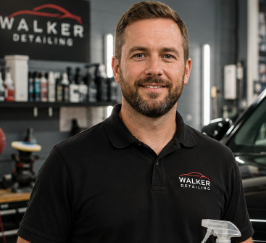
By James Walker | Car Washing
A pressure washer can cut wash time dramatically and lift stubborn grime that a hose alone can’t touch, but used carelessly it can also strip wax, chip paint edges, or force water past door seals. This guide walks through how to pressure wash a car step by step, using settings and habits that clean effectively without putting your paint or trim at risk.
PSI & Nozzle Basics
Two-Bucket Method
Paint-Safe Technique
Drying Without Spots
Common Mistakes
What Does It Mean to Pressure Wash a Car?
To pressure wash a car means using a motorized water pump to spray a concentrated stream at higher force than a garden hose provides, which loosens dirt, road grime, brake dust, and bug residue faster than hand washing alone. Most consumer machines run between 1,300 and 2,000 PSI, which is enough to clean effectively without being classified as an industrial-grade unit.
Unlike commercial applications where high pressure is used on concrete or siding, washing a car calls for a gentler approach. The goal isn’t maximum force — it’s controlled, even coverage that lifts grime while leaving the clear coat, badges, and trim untouched.
Why Technique Matters More Than Power
Many owners assume a stronger machine always means a better wash, but paint damage from pressure washers almost always comes from technique, not the equipment itself. A narrow zero-degree nozzle held too close can cut through wax, dull the clear coat, or drive water behind trim pieces and badges. Learning how to pressure wash a car the right way protects the finish while still saving you real time compared to a full hand wash.
For older vehicles with chipped paint, aftermarket wraps, or worn weatherstripping, extra caution matters because water can find its way into gaps that were once sealed. Newer vehicles with intact seals and factory clear coat generally tolerate pressure washing well when the correct nozzle and distance are used.
How Pressure Washers Work: PSI, GPM, and Nozzles
Two numbers matter most: PSI (pounds per square inch), which measures force, and GPM (gallons per minute), which measures water volume. Together they determine cleaning power. Most electric units used at home range from 1,300–1,900 PSI, while gas-powered units can exceed 2,500 PSI and are generally more force than a car’s paint needs.
The nozzle tip changes everything. A 0-degree tip produces a pinpoint jet meant for tough stains on concrete, not vehicles. A 15-degree tip is still fairly aggressive. For car washing, a 25-degree or 40-degree wide-fan tip spreads the water over a larger area, reducing the risk of etching or chipping while still clearing away grime.
Comparison: Hand Wash vs Pressure Wash vs Touchless Wash
What You’ll Need Before You Start
Choose a 25 or 40-degree fan tip for the body. Keep a separate narrow tip only for wheels and tires, well away from paint.
Use a pH-neutral car shampoo, not dish soap or household cleaners, which can strip wax and dry out rubber seals over time.
A microfiber mitt for panels and a soft-bristle brush for wheels help finish areas the pressure stream alone won’t fully clean.
Two or three large, plush towels reduce water spotting and swirl marks compared to letting the car air-dry in the sun.
Step-by-Step: How to Pressure Wash a Car
Park in shade and pre-rinse. Work in shade so soap and water don’t dry into spots. Rinse from the roof downward with the wide nozzle to remove loose dirt before it gets ground into the finish.
Apply car-safe detergent. Use a foam cannon attachment or a pump sprayer to coat the car in suds, working bottom to top so soap doesn’t streak-dry on hot panels.
Hand wash with the two-bucket method. Use one bucket of soapy water and one rinse bucket for the mitt between panels, which reduces the chance of dragging grit across the paint.
Rinse top to bottom, 12–18 inches away. Keep the wand moving at a steady angle rather than pointing straight at one spot, and never aim directly at badges, mirrors, or door seams.
Clean wheels and tires last. Switch to a narrower nozzle here only, since wheels tolerate more pressure than painted panels, and use a dedicated wheel brush for brake dust.
Dry with microfiber towels. Blot rather than drag the towel to avoid pulling grit across the clear coat, and check door jambs and mirror housings for trapped water.
Do a final walk-around. Check for missed bugs, tar spots, or streaks, and spot-treat with a soft cloth instead of going back over the whole car with the pressure washer again.
Following these steps in order is the safest way to pressure wash a car without leaving swirl marks, water spots, or damaged trim behind.
Wash Process Flow (practical guide):
In practice, skipping the pre-rinse step is the most common reason people see fine scratches afterward, since dry grit gets dragged around instead of floated off first.
Safety Considerations
A pressure washer is a powerful tool, and the water stream itself can cause skin or eye injury at close range, so keep the wand pointed away from yourself, children, and pets while operating it. Electric units should be kept away from standing water at the plug connection, and extension cords should be rated for outdoor use.
Safety Decision Path:
Are seals, trim, or paint visibly damaged/aged? → Yes: Use hand wash or professional wash instead.
Is the coating new (under manufacturer’s cure window)? → Yes: Wait or follow installer guidance first.
Are seals and paint in good condition? → Yes: Proceed with wide nozzle, 12–18 inch distance.
This path is a general practical guide, not a certified inspection — when in doubt, choose the gentler option.
Common Problems and Fixes
Problem vs Likely Cause
Common Mistakes When You Pressure Wash a Car
The most frequent mistake is using a narrow, high-pressure nozzle across the whole body instead of switching to a wide fan tip for painted panels. Another common error is standing too close, since distance matters as much as PSI for keeping the clear coat intact.
Skipping the pre-rinse and going straight to soap is another issue, because loose grit gets rubbed into the paint by the wash mitt. Washing in full sun is also a frequent cause of streaking, since soap and water dry unevenly on hot panels before rinsing is complete.
Mistake vs Better Choice
Red-Flag Checklist (stop and reassess if you notice):
☐ Water pooling inside door jambs or the trunk after rinsing
☐ Paint feels rough or shows fresh light scratching
☐ Trim or badges loosening at the edges
☐ Persistent musty smell in the cabin after washing
Any of these signs suggest it’s time to slow down, switch to hand washing, or have a professional check the seals.
Pro Tips and What Experienced Owners Check
Experienced DIYers rinse their mitt in a separate bucket after every panel, not just occasionally, because grit buildup is the leading cause of fine scratches. They also test detergent on a small hidden panel first when trying a new product, and they check the nozzle spray pattern on a driveway before aiming it at the car.
Nozzle & Distance Fit by Vehicle Area
Best Fit by Situation (practical guide):
Daily commuter, light dust: Touchless or quick hand wash is usually enough.
Family SUV, mud/road salt: Pressure wash with wide nozzle plus hand wash for panels.
Beginner, first time using a pressure washer: Practice on a driveway first, start with the widest nozzle.
This is a general starting point — always adjust based on your vehicle’s actual condition.
Safe Use vs Risky Use
Relative Priority Meter (typical priority, not scientific data):
Nozzle angle & distance
Pre-rinse before soap
Two-bucket wash method
Machine PSI rating
Helpful Products for Washing a Car
A compact electric unit with an adjustable wide nozzle and foam cannon may help make regular washes faster and more consistent for everyday driveway use.
A dedicated car shampoo can help with day-to-day car care by cleaning effectively while being gentler on wax and sealant than general-purpose cleaners.
When to Contact a Professional Car Wash or Detailer
Professional detailers also have access to controlled low-pressure foam systems and can advise on the safest approach for classic cars, wrapped vehicles, or convertibles, where the standard advice for how to pressure wash a car may not fully apply.
Frequently Asked Questions
How do I pressure wash a car without damaging the paint?
Use a wide 25 or 40-degree nozzle, keep the wand 12–18 inches from the surface, and avoid pointing directly at trim, badges, or seals. Moving steadily instead of lingering on one spot also reduces risk.
What PSI is safe for washing a car?
Most consumer electric pressure washers between 1,300–1,900 PSI are commonly used for cars when paired with a wide nozzle. Higher-PSI gas units can still be used carefully, but require more distance and a wider nozzle setting.
Can I use dish soap instead of car shampoo?
It’s best avoided. Dish soap is formulated to strip grease and can also strip wax or sealant, leaving paint less protected. A pH-neutral car shampoo is generally the safer choice.
Is it safe to pressure wash the engine bay?
This is generally not recommended for most DIYers, since water can reach electrical connectors and sensors. If the engine bay needs cleaning, consider a qualified mechanic or detailer familiar with your vehicle.
How often should I pressure wash a car?
Every two to four weeks is a common routine for most drivers, though vehicles exposed to road salt, mud, or coastal air may benefit from more frequent washing, especially on the undercarriage.
Will pressure washing remove wax or ceramic coating?
Frequent close-range or narrow-nozzle use can wear down wax faster than hand washing. A properly cured ceramic coating generally holds up better, but always follow the product’s specific care guidance.
Should I hire a professional instead of doing it myself?
If your car has fresh paintwork, aging seals, or you’re unsure about nozzle settings, a professional wash or detailing service can reduce the risk while you build confidence with the equipment.
Knowing how to pressure wash a car comes down to a few consistent habits: the right nozzle, safe distance, gentle detergent, and a proper drying step. These small choices protect your paint while still saving you real time over a full hand wash. For anything involving fresh paintwork, worn seals, or the engine bay, check your vehicle’s manual and consider a qualified mechanic or professional detailer before proceeding.
