
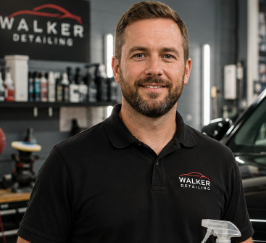
By James Walker | Category: Car Washing
Most water spots on a home car wash are not caused by bad soap — they are caused by water that sat on the paint too long before drying. Learning how to use home car wash soap for a spot-free finish is really about controlling three things: your water source, your timing, and your drying method. Get those right and even an ordinary shampoo can leave a clean, streak-free result.
Spot-free washing Soap dilution Water source quality Two-bucket method Drying technique
What Causes Water Spots After a Home Car Wash
Water spots form when droplets sit on a warm panel and evaporate slowly, leaving behind dissolved minerals from the water source. This is why even a well-washed car can dry with a cloudy or spotted finish if it air-dries in the sun. Understanding this is the first step in learning how to use home car wash soap for a spot-free finish, because the soap itself is only part of the process.
Tap water almost always carries some dissolved minerals such as calcium and magnesium, sometimes called hardness. The harder the water, the more visible the residue once it dries. Soap chemistry can help water sheet off the paint faster, but it cannot fully prevent spotting if the car is left to dry on its own in warm or sunny conditions.
Why the Right Soap and Technique Matter
Choosing a car-specific shampoo over an all-purpose household cleaner matters because most car soaps are formulated to rinse cleanly without stripping wax or leaving heavy residue. A pH-balanced shampoo designed for hand washing generally sheets water off the surface more evenly than dish soap or general cleaners, which can leave a filmy layer that actually holds water longer.
Technique matters just as much as the product. Washing in direct sun, using a thin trickle of water to rinse, or letting the car sit half-rinsed while you move to the next panel are common habits that undo the benefit of a good shampoo. The goal of learning how to use home car wash soap for a spot-free finish is pairing the right product with a rinse-and-dry routine that does not give water time to evaporate on its own.
Hand Wash Soap vs. Foam Wash Soap vs. Rinseless Wash
Step-by-Step: Washing for a Spot-Free Finish
This sequence covers the core of how to use home car wash soap for a spot-free finish, from setup through the final dry.
In practical testing on a few vehicles, washing one panel at a time and drying it within a minute or two of rinsing left noticeably fewer spots than rinsing the whole car and letting it air-dry, even with the same shampoo used both times.
A general look at how other guides cover this topic shows that many focus heavily on soap brand while giving little attention to water hardness or drying speed — two factors that often matter more for a spot-free result, so this guide gives them equal weight.
Wash-to-Dry Process Flow
Practical interpretation: the shorter the gap between rinsing and drying each section, the less time water has to evaporate and leave mineral residue behind.
Water Source and Hardness Considerations
Household tap water is the most common water source for a home car wash, and its mineral content varies a lot by region. Harder water leaves more visible spotting, which is why some owners use an inline water softener or deionizing filter attached to the hose for their final rinse. These filters are optional, but they can noticeably reduce spotting on vehicles washed outdoors in direct sun where quick drying is not always possible.
If you do not have access to a filtered rinse, the practical workaround is simply drying faster and more thoroughly. A clean, absorbent drying towel used immediately after rinsing does most of the same job as filtered water for the average home wash.
Safety Considerations While Washing at Home
A home car wash is generally low-risk, but a few habits keep it safer. Keep electrical items such as vacuums, chargers, or powered dryers away from puddles and use a grounded outlet as the manufacturer recommends. Wet driveways and concrete get slippery fast once soap is added, so wear non-slip footwear and keep the hose coiled out of walking paths.
Avoid directing a hard hose stream or pressure washer at close range into door seals, badges, sensors, or the engine bay, since forced water can reach electrical connectors it was never meant to touch.
Safe Use vs. Risky Use
Safety Decision Path
Is the driveway or work area wet and sloped?
→ Yes: Wear non-slip shoes and coil hoses away from foot traffic.
→ No: Standard setup is generally fine.
Are you using electrical equipment near water?
→ Yes: Keep cords off wet ground and use a grounded outlet.
→ No: Proceed with normal washing steps.
Practical interpretation: this is a general safety habit for home washing, not a substitute for equipment manuals, which should take priority for specific electrical and pressure guidance.
Common Problems and Likely Causes
Problem vs. Likely Cause
Red-Flag Checklist Dashboard
⚠️ Water sitting on panels for more than a couple of minutes before drying
⚠️ Visible white or cloudy residue after the car dries
⚠️ Soap film still visible after rinsing
⚠️ Towel picking up grit or leaving new marks
⚠️ Soapy runoff flowing directly toward a storm drain
Practical interpretation: any of these signs means it is worth adjusting your dilution, drying speed, or wash location before your next home car wash.
Common Mistakes When Washing for a Spot-Free Finish
Mistake vs. Better Choice
Pro Tips and What Experienced DIYers Check
Owners who wash regularly tend to check a few small things beginners skip. They test their water hardness, since it directly predicts how likely spotting is on a given day. They keep a dedicated set of clean, dry towels just for the final pass so they are never drying with a towel that already picked up dirt. They also watch cloud cover and temperature before washing, since a cooler, overcast day gives far more working time than a hot, sunny one.
A simple test strip or asking your local water provider can tell you how hard your tap water is, which helps you decide if a filtered rinse is worth adding.
Using towels only for the final dry, never for wheels or trim, helps them stay free of grit that could otherwise mark the paint.
An overcast, mild day generally makes it much easier to dry the whole car before water starts evaporating, compared to a hot, sunny afternoon.
A fresh coat of paint protection can help water bead and sheet off faster during rinsing, which shortens drying time overall.
Relative Priority Meter
Drying speed after rinsing (typical priority)
Correct soap dilution (typical priority)
Wash timing/weather (typical priority)
Water filtering/softening (typical priority)
Practical interpretation: this is a general practice guide, not scientific test data. Drying quickly after rinsing tends to matter most for avoiding spots, though the other habits still add up over time.
Choosing Soap and Tools by Vehicle and Use Case
Fit Dashboard
Practical interpretation: match your soap and rinse setup to your local water conditions and vehicle size rather than assuming one shampoo works the same everywhere.
A pH-balanced shampoo may support a gentler, more even wash routine and can help water sheet off the paint more consistently during rinsing. Always follow the bottle’s dilution guidance rather than guessing. (Amazon US shown — check your local Amazon marketplace for availability.)
A set of absorbent microfiber towels may make maintenance checks and final drying easier, helping you dry a full vehicle faster before water has a chance to spot. (Amazon US shown — check your local Amazon marketplace for availability.)
When to Call a Professional Car Wash or Detailing Service
Even careful use of home car wash soap for a spot-free finish will not remove spotting that has already etched into the clear coat, and it will not replace a professional inspection if something seems off after washing.
Frequently Asked Questions
What causes water spots even after using a good car wash soap?
Water spots usually come from mineral-rich water drying slowly on the surface, not from the soap itself. Drying the car quickly after rinsing is the biggest factor in avoiding them.
How much soap should I use for a spot-free wash?
Follow the dilution ratio printed on the bottle for a full bucket of water. Using more soap than recommended does not clean better and can leave more residue to rinse off.
Is tap water okay to use for a home car wash?
Yes, tap water works for most home washes, but harder water can increase visible spotting once it dries. A filtered final rinse or fast towel drying can help reduce this.
Can I use dish soap instead of car wash soap?
It is generally not recommended for regular washes, since dish soap can strip wax or sealant and leave a film that actually holds water longer, increasing the chance of spotting.
Do I need to dry the car by hand for a spot-free finish?
Hand drying with a clean microfiber towel or using an air blower right after rinsing works best. Letting the car air-dry on its own is one of the most common causes of spotting.
Why does my car still look streaky after washing?
Streaks are usually leftover soap film from an incomplete rinse or from using too much shampoo per bucket. A thorough, wide-stream rinse before drying usually resolves this.
When should I have a professional look at my paint instead of washing it myself?
If water spots appear etched into the clear coat, or you notice existing paint damage, dullness, or coating-specific restrictions, a qualified detailer or auto technician should assess the vehicle before you continue DIY washing.
Once you understand the basics, how to use home car wash soap for a spot-free finish comes down to timing more than product choice: wash in the shade, rinse thoroughly, and dry within minutes rather than letting the car air-dry. Small habits — checking your water hardness, keeping clean towels on hand, and washing on cooler days — make a bigger difference over time than any single shampoo. For deeply etched spotting, existing paint damage, or coating-specific restrictions, check your vehicle’s manual and consult a qualified mechanic, detailer, or auto technician before proceeding.
