
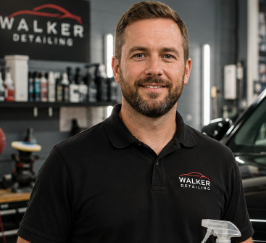
Written by James Walker
A ceramic coating gives a vehicle’s paint a glossy, protective layer, but it does not mean the car can be washed carelessly. Knowing how to wash a car with ceramic coating properly helps the coating stay hydrophobic and glossy for longer, while a rushed or rough wash can leave swirl marks or dull the finish faster than expected. This guide walks through the tools, technique, and habits that keep a coated car looking sharp between top-ups.
Ceramic Coating Care pH-Neutral Wash Two-Bucket Method Swirl-Free Drying
What Ceramic Coating Is and Why Wash Technique Matters
A ceramic coating is a liquid polymer product applied over a vehicle’s clear coat. Once cured, it forms a thin, hard, glass-like layer that adds gloss and makes water bead and roll off the surface. Many owners assume this layer means the paint is “protected from everything,” but that is not accurate. The coating mainly adds a sacrificial, slicker surface — it does not make paint immune to scratches, water spots, or chemical staining.
This is why how a person washes a car with ceramic coating matters just as much as whether the car has one. Rough sponges, dirty wash mitts, and strong dish soap can dull the coating’s gloss and strip away its hydrophobic properties well before the coating’s expected lifespan ends.
How Washing Affects a Ceramic-Coated Surface
Ceramic coatings cure into a hard shell, but the microscopic surface is still smoother and slicker than bare clear coat. That slickness is what makes dirt easier to rinse off, but it can also make swirl marks more visible under sunlight if a wash mitt drags grit across the panel. Water source and pressure also play a role. A garden hose at normal household pressure is usually sufficient for rinsing, while a pressure washer, if used, should generally stay in a lower PSI range and a wider nozzle spread to avoid forcing water under trim or lifting coating edges near panel gaps.
A simple way to picture the correct order of steps when you wash a car with ceramic coating:
Interpretation: skipping the pre-rinse or foam step is one of the most common reasons a ceramic-coated car ends up with fresh swirl marks.
Compatible Vehicles and Tools
Washing technique for a ceramic-coated car does not change much between vehicle types, but older vehicles with weaker factory clear coat may show swirl marks more easily than newer models, so gentler tools matter even more. Useful tools include a foam cannon or foam gun, two wash buckets with grit guards, a plush microfiber wash mitt, and pH-neutral shampoo labeled as ceramic-coating safe. A pressure washer is optional but not required for most home washes.
Step-by-Step: How to Wash a Car with Ceramic Coating
Park in the shade. Washing in direct sun causes soap and water to dry too fast, which increases the chance of water spots on a ceramic-coated finish.
Pre-rinse the whole car. Use a hose or low-pressure setting to loosen dust, sand, and road grime before any mitt touches the paint.
Apply a pH-neutral shampoo made for coated paint, ideally with a foam cannon or foam gun so soap sits on the surface briefly before contact washing.
Wash with the two-bucket method. One bucket holds soapy water, the other clean rinse water with a grit guard, so grit is rinsed off the mitt before it goes back into the soap.
Work top to bottom, panel by panel, using light pressure and straight-line motions instead of circular scrubbing.
Rinse thoroughly before any soap dries, checking door jambs and mirror housings for leftover suds.
Dry with a clean, plush microfiber towel or a dedicated car dryer/blower, blotting rather than dragging the towel where possible.
Comparing Wash Methods
Safety Considerations
Washing itself is low-risk, but a few habits reduce the chance of harm to you or the vehicle. Keep hoses and buckets away from the engine bay area, avoid spraying water directly at electrical connectors or open charging ports, and unplug any dash cam or accessory power leads if you are cleaning near the windshield mount. If you use an electric pressure washer, keep the cord and outlet dry and away from standing water.
A quick decision path for whether it’s a good time to wash a ceramic-coated car:
Interpretation: rushing the wash under poor conditions is a common reason coated cars develop water spots.
Common Problems and Fixes
Problem vs Likely Cause
Common Mistakes When Washing a Ceramic-Coated Car
Mistake vs Better Choice
Pro Tips and What Experienced Owners Check
Watch how water behaves after a rinse. Strong beading and sheeting usually means the coating is still performing well.
Run a fingertip lightly over the hood after washing. A slightly gritty feel can mean bonded contaminants need a dedicated decontamination step.
Most coated cars do well with a wash every one to two weeks, or sooner after long drives, salted roads, or heavy pollen.
A ceramic spray booster applied every few months may help refresh beading between full coating reapplications.
Red-flag checklist: signs your ceramic coating needs attention.
Interpretation: two or more checked boxes is a reasonable signal to consider a decontamination treatment or a coating top-up.
Safe Use vs Risky Use
Which Wash Setup Fits Your Situation
Product/Setup Fit
Relative priority meter for a coated-car wash (practical guide, not test data):
Interpretation: these are typical priority levels for maintaining a wash routine, not measured lab results.
When to Contact a Professional Detailer or Mechanic
May support a regular wash routine by cleaning without stripping the coating’s hydrophobic layer.
Can help with gentle, streak-free drying after each wash, which may make day-to-day car care easier.
For general vehicle upkeep guidance alongside coating care, official consumer and safety resources such as the EPA WaterSense program offer useful context on responsible home water use during outdoor washing tasks, and the FTC Consumer Advice site covers general guidance on evaluating product claims before purchasing car-care items.
Frequently Asked Questions
How soon after applying can I wash a car with ceramic coating?
Most coatings need several days to fully cure before their first wash. Follow the specific product’s cure-time instructions, since this varies by brand and climate.
Can I use regular car shampoo on a ceramic-coated car?
A pH-neutral shampoo labeled coating-safe is generally recommended. Some regular shampoos contain waxes or strong degreasers that can dull the coating over time.
Is it safe to use an automatic car wash on a coated vehicle?
Touchless automatic washes are often fine occasionally, but brush-style automatic washes are usually best avoided since shared brushes may carry grit that can cause fine scratches.
How often should I wash a ceramic-coated car?
Roughly every one to two weeks works for most owners, with earlier washes after heavy pollen, salted roads, or long highway trips.
Does washing wrong remove the ceramic coating?
A single wash is unlikely to remove a properly cured coating, but repeated use of harsh soaps, brushes, or high-heat automatic washes can gradually wear it down faster than expected.
Do I still need to dry the car by hand if it has a ceramic coating?
Yes. While water beads and rolls off more easily, letting it air-dry can still leave mineral spots, so a quick towel or blower dry is still recommended.
Should I take a ceramic-coated car to a professional wash instead of doing it myself?
Either can work well. If you’re unsure about tools or technique, a professional detailer experienced with coated vehicles can be a safe starting point while you learn the correct home routine.
Learning how to wash a car with ceramic coating comes down to a few consistent habits: rinse first, use the right shampoo, keep tools clean, and dry promptly. These small steps protect the coating’s shine far more than any single product. For anything beyond routine washing — such as visible coating damage, electrical work near the wash area, or questions about warranty coverage — check your vehicle’s manual and consult a qualified mechanic or auto technician, and always follow your local vehicle care regulations.
