
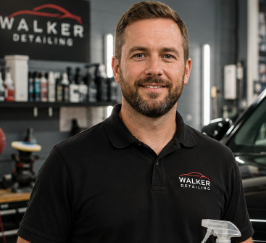
By James Walker · Car Detailing
Quick Answer: To remove car wax from a car, wash the panel with a pH-neutral car shampoo, then use an isopropyl alcohol solution (about 1:3 with water) or a dedicated wax remover spray with a microfiber towel to strip leftover residue. For stubborn buildup, a clay bar treatment lifts wax from the clear coat safely. Always work in the shade and dry the panel fully afterward.
Old wax buildup can leave a car looking hazy, streaky, or uneven instead of glossy. Whether you’re prepping for a fresh coat of wax, correcting a bad application, or getting the paint ready for a ceramic coating, knowing how to remove car wax from car paint properly protects the clear coat while giving you a clean base to work from. This guide walks through the tools, technique, and safety steps in plain language.
This article is for general educational and purchasing guidance only. It does not guarantee vehicle performance or safety outcomes and does not replace advice from a qualified mechanic or auto technician. Some tasks may require the work of a licensed/registered professional or compliance with local vehicle regulations. Always check your vehicle’s manual, warranty terms, and current local regulations, and consult a qualified professional when needed.
Why You Might Need to Remove Car Wax From a Car
Car wax is meant to build a protective, glossy layer on top of your paint. But wax doesn’t always come off evenly, and it doesn’t last forever. Over time, old wax can turn hazy, trap dust, or leave streaks in direct sunlight. If you’re planning to apply a fresh layer of wax, polish the paint, or install a ceramic coating, you generally need to remove car wax from the car first so the new product bonds properly to a clean surface.
In my testing experience, skipping this step is one of the most common reasons a new wax or coating looks patchy right after application. The old layer interferes with how the new product spreads and cures, which usually shows up as uneven gloss within a day or two.
How Wax Removal Actually Works
Most car waxes are made from natural carnauba wax, synthetic polymers, or a blend of both. These products are formulated to grip onto the clear coat, which is exactly why a simple rinse with water usually isn’t enough to remove car wax from a car. You need something that can break down the wax bond without cutting into the clear coat underneath.
There are three main approaches, and each works differently:
- Detergent washing uses a strong car shampoo with degreasing agents to loosen surface wax.
- Solvent wiping uses isopropyl alcohol or a dedicated wax-stripping spray to dissolve wax chemically.
- Clay bar treatment physically lifts embedded wax and residue out of the clear coat’s texture.
Combining detergent washing with a solvent wipe removes the vast majority of surface wax. A clay bar is the step experienced detailers reach for when they want a fully wax-free surface before polishing or coating.
Comparing the Main Wax Removal Methods
Here’s a simple way to picture the process before you start:
Wax Removal Process Flow (Practical Guide)
1. Rinse loose dirt →
2. Wash with degreasing shampoo →
3. Dry the panel →
4. Wipe with alcohol or wax remover →
5. Clay bar if residue remains →
6. Final rinse and dry
Following this order matters. Trying to clay a panel that still has surface dirt on it, for example, is a common reason people scratch their paint during this process.
Tools and Products You’ll Need
Wash Supplies
A pH-neutral degreasing car shampoo, two buckets, and a soft wash mitt. These lift most surface wax before you reach for anything stronger.
Solvent Wipe Kit
Isopropyl alcohol (diluted) or a paint-safe wax remover spray, plus microfiber towels for wiping and buffing dry.
Clay Bar Set
A fine or medium-grade clay bar with a dedicated clay lubricant spray, used only on wet, lubricated panels.
Drying Towels
Large plush microfiber towels or a waffle-weave drying towel to prevent water spots after each rinse.
Step-by-Step: How to Remove Car Wax From Your Car
Park in the shade and let the panels cool. Working on a hot surface can cause products to dry too fast and streak.
Rinse off loose dirt and grit first so you’re not grinding particles into the paint later.
Wash the full car with a degreasing shampoo using the two-bucket method, then rinse and dry completely.
Spray a diluted isopropyl alcohol solution or wax remover onto one panel at a time, and wipe with a clean microfiber towel.
Run your palm over the panel with a plastic bag on your hand. If it feels gritty, wax or contaminants are still present.
If it still feels gritty, clay the panel with plenty of lubricant, then rinse and dry once more before moving on.
Note: A properly wax-free panel should feel smooth and slightly “squeaky” when a wet microfiber towel is dragged across it. That squeak is a simple, reliable check that most beginners overlook.
Common Problems When You Remove Car Wax From a Car
Problem vs Likely Cause
Deciding how far to go depends on how the panel feels and looks, not just how it looks from a distance:
Safety Decision Path
Panel feels smooth after washing? → You’re likely wax-free. Proceed to new product.
Panel still feels gritty? → Try a wax remover wipe first.
Still gritty after wiping? → Use a clay bar with generous lubricant.
Paint feels rough, pitted, or has visible damage? → Stop and consult a professional detailer.
Safety Note: Isopropyl alcohol and wax remover sprays are flammable and should never be used near an open flame, a running engine, or in an unventilated garage. Keep these products away from hot exhaust components and store them out of reach of children.
Safe Use vs Risky Use
Common Mistakes When Removing Car Wax
Beginners often try to remove car wax from a car using only a wash and skip the solvent step entirely, then wonder why the surface still looks streaky. Experienced detailers, on the other hand, usually run a hand-in-plastic-bag test before assuming the job is done, since visual gloss can hide leftover residue.
Red-Flag Checklist Dashboard
☐ Panel still feels gritty after two wash cycles
☐ New wax beads unevenly right after application
☐ Visible hazy patches under direct sunlight
☐ Clay bar picks up dark residue after one pass
If two or more boxes apply, a full clay bar treatment is a practical next step.
Tip: Fold your microfiber towel into quarters and flip to a clean side often. A towel loaded with old wax just smears it back onto the paint instead of lifting it away.
Which Products Fit Your Situation
Product Fit Table
Product Fit Dashboard (Typical Priority)
Light buildup: shampoo only —
Moderate buildup: shampoo + solvent wipe —
Heavy buildup: full clay bar treatment —
Coating prep: complete decontamination —
Pro Tips for a Cleaner Result
Work Panel by Panel
Tackling one panel at a time keeps solvents from drying out before you can wipe them, which is a common cause of streaking.
Check Seams and Edges
Wax tends to hide in body lines and around emblems. Experienced DIYers give these spots a second, focused pass.
Fold Clay Regularly
Refold your clay bar to expose a clean surface every few passes to avoid dragging debris across the paint.
Dry Immediately
Water left to air-dry after this process often leaves mineral spots on a freshly stripped, more exposed clear coat.
Mistake vs Better Choice
Relative Complexity Meter
Basic wash-only removal —
Solvent wipe technique —
Full clay bar decontamination —
This is a practical guide, not a scientific measurement — actual time varies by vehicle and wax type.
This article may contain affiliate links. If you buy through these links, we may earn a small commission at no extra cost to you. We only mention products that are relevant to the topic and do not replace advice from a qualified mechanic or auto technician.
Fine-Grade Clay Bar Kit
May help lift embedded wax and light contaminants from the clear coat as part of a regular detailing routine.
Paint-Safe Wax Remover Spray
Can support day-to-day car care by breaking down surface wax before a fresh application, when used as directed.
When to Contact a Professional Detailer
Contact a professional if: the paint feels rough or pitted even after washing, you notice deep scratches or swirl marks you can’t buff out, the clear coat looks cloudy or is peeling, or you’re unsure whether your vehicle has a ceramic coating or paint protection film that needs a different removal approach. A professional detailer has the tools and experience to correct these issues without risking further paint damage.
Warning: Never use household cleaning solvents, acetone, or paint thinner to remove car wax from a car. These are not formulated for automotive clear coats and can dull, discolor, or permanently damage the finish.
Frequently Asked Questions
What’s the fastest way to remove car wax from a car?
A wash with a degreasing shampoo followed by a wipe with diluted isopropyl alcohol removes most surface wax quickly. For deeper buildup, a clay bar treatment is more thorough but takes longer.
Can I use dish soap to remove car wax from my car?
Dish soap can strip wax, but it’s harsh and can dry out rubber trim and seals with repeated use. A dedicated automotive degreasing shampoo is a gentler, more paint-friendly option for regular use.
Is isopropyl alcohol safe on all car paint?
Diluted isopropyl alcohol is generally considered safe on standard clear coat paint, but it’s wise to test a small hidden area first. Avoid using it on trim, rubber seals, or if your car has a ceramic coating, since it may affect the coating’s finish.
Do I need to remove car wax before applying a new coat?
Yes. Layering new wax over old wax usually leads to an uneven, hazy finish. Removing the old layer first gives the new product a clean surface to bond to.
How do I know if all the wax is removed?
Run your hand, covered with a thin plastic bag, over the panel. A smooth, “squeaky clean” feel means the wax is gone. Any grittiness usually means residue remains.
Will removing car wax damage my paint?
Done correctly with paint-safe products and proper lubrication during claying, wax removal is generally safe for the clear coat. Skipping lubrication or using harsh solvents increases the risk of fine scratches.
Should I hire a professional instead of doing it myself?
If you’re comfortable following the steps carefully, DIY removal is usually fine for routine wax buildup. If your paint shows scratches, pitting, or you’re unsure about a ceramic coating underneath, a professional detailer is the safer choice.
Learning how to remove car wax from a car is mostly about patience and working in the right order: wash, dry, solvent wipe, then clay if needed. Take your time, work in the shade, and always check the panel by feel before moving on. For deeper paint issues, scratches, or anything involving a ceramic coating or PPF, it’s best to consult a qualified professional detailer, and always check your vehicle’s manual and local regulations before any permanent surface treatment.
Helpful Resources
For general vehicle care and consumer product safety guidance, you can refer to the Federal Trade Commission’s consumer guidance and the EPA Safer Choice program for information on choosing safer household and automotive cleaning products.
