
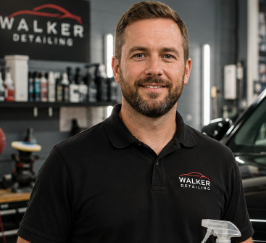
By James Walker — Car Care & Auto Technology Editor
Quick Answer: A hydrophobic coating is a thin protective layer applied to a car’s paint that causes water to bead up and roll off instead of sitting flat. It can help with easier washing, reduced water spotting, and added surface protection, though it does not make a vehicle waterproof or damage-proof.
If you’ve noticed water forming tight little beads on a freshly detailed car, you’ve seen a hydrophobic coating in action. This guide breaks down what a hydrophobic coating actually is, how it works on a technical level, how it compares to wax and sealant, and how to apply and care for one safely — without exaggerated claims about permanent protection.
Paint Protection Water Beading Ceramic Coating DIY Application Maintenance
This article is for general educational and purchasing guidance only. It does not guarantee vehicle performance or safety outcomes and does not replace advice from a qualified mechanic or auto technician. Some tasks may require the work of a licensed/registered professional or compliance with local vehicle regulations. Always check your vehicle’s manual, warranty terms, and current local regulations, and consult a qualified professional when needed.
What Is a Hydrophobic Coating?
A hydrophobic coating is a thin, mostly invisible layer applied over a car’s clear coat that makes the surface repel water rather than absorb or hold it. The word “hydrophobic” simply means “water-fearing.” When a surface is hydrophobic, water can’t spread out evenly across it, so it forms rounded beads that slide off with gravity or airflow instead of sheeting down the paint.
In practical terms, a hydrophobic coating is what makes rain, sprinklers, or wash water bead up and roll off a car’s hood, roof, and doors instead of clinging to the surface. Many products marketed as ceramic coatings, ceramic spray sealants, and some waxes are built specifically to create this hydrophobic effect on top of the paint.
It’s important to understand that a hydrophobic coating is a surface treatment, not a structural change to the paint itself. It sits on top of the clear coat and needs to be reapplied or topped up over time as it wears down from washing, sunlight, and road use.
Why a Hydrophobic Coating Matters for Car Care
Understanding what a hydrophobic coating does matters because it directly affects how easy your car is to wash and how the paint looks between washes. Water that beads and rolls off tends to carry loose dirt and dust with it, which can make regular washing quicker and reduce the amount of scrubbing needed on the paint.
A hydrophobic coating can also reduce how long water sits on the paint after a wash or rain. Standing water that dries on its own often leaves behind mineral deposits known as water spots, especially in areas with hard water. Because a hydrophobic surface sheds water faster, it may help lower the chances of spotting, though it will not eliminate the issue in every water condition.
For daily drivers, a hydrophobic coating is often valued simply because it keeps the car looking cleaner for longer between proper washes. For garage-kept or weekend cars, it’s often paired with a broader detailing routine focused on gloss and long-term paint protection.
How a Hydrophobic Coating Works, Explained Simply
At a technical level, a hydrophobic coating changes the surface energy of the paint. Untreated clear coat has a relatively high surface energy, which allows water to spread out flat. A hydrophobic coating — whether it’s a silica-based ceramic product, a polymer sealant, or a wax with hydrophobic additives — lowers that surface energy. Water molecules then bond more strongly to each other than to the paint, forming tight beads instead of a flat sheet.
Most hydrophobic coatings need a short curing period after application, ranging from a few hours for spray sealants to 24–48 hours for ceramic coatings, during which the vehicle should stay dry and undercover. This curing time allows the product to bond properly to the surface before it’s exposed to washing or rain.
The diagram below shows a simplified, general overview of how a hydrophobic coating is typically applied and cured. It’s meant as a practical guide, not a manufacturer-specific procedure.
General Application Flow (Practical Guide)
Practical interpretation: skipping the decontamination or drying step is one of the most common reasons a hydrophobic coating bonds unevenly.
Comparing Hydrophobic Products
Not every hydrophobic product works the same way or lasts the same length of time. The table below compares the most common options a car owner is likely to consider.
Types of Hydrophobic Coatings You’ll Find
Spray-On Sealants
Quick to apply after a wash, usually sprayed on and wiped off. They offer a light hydrophobic effect and are a good entry point for beginners testing the concept.
Ceramic Spray Coatings
A step above basic sealants, these use silica-based chemistry for stronger water beading and a glossier look, with moderate DIY-friendly application.
Professional Ceramic Coating
Applied by a trained detailer after paint correction, this offers the strongest and longest-lasting hydrophobic coating performance available for most vehicles.
Hydrophobic Wax Blends
Traditional wax formulated with hydrophobic additives for a shorter-lasting but easy-to-apply option, often chosen for its warm, deep shine.
Step-by-Step: Applying a DIY Hydrophobic Coating
Wash the car thoroughly with a pH-balanced car shampoo to remove loose dirt before any coating touches the paint.
Use a clay bar or decontamination product to remove embedded contaminants so the surface is completely smooth.
Dry the vehicle completely with a clean microfiber towel — any leftover moisture can cause uneven bonding.
Work in the shade, out of direct sun, and apply the hydrophobic coating in small sections using the applicator provided.
Buff off any high spots or streaking with a clean microfiber towel before the product fully sets.
Let the vehicle cure undisturbed, ideally indoors, following the product’s recommended curing time.
Avoid washing the car for the first several days so the coating can bond fully before contact with water or soap.
If any step involves working near hot engine components, always let the vehicle cool down first, and never apply detailing products while the car is running.
Safety Decision Path: DIY or Professional Application?
Practical guide only — actual condition of your paint should always be checked in person before deciding.
Compatible Surfaces and Vehicle Types
A hydrophobic coating is most commonly used on painted body panels, but many products are also safe for glass, plastic trim, and wheels, depending on the formula. Always check the product label, since some coatings are designed only for paint and clear coat.
Older vehicles with faded or oxidized paint may not hold a hydrophobic coating as evenly as newer vehicles with intact clear coat. In these cases, a light polish or paint correction step beforehand often improves how well the coating bonds and how long it lasts. Newer vehicles with factory clear coat generally accept hydrophobic coatings more evenly right away.
Common Problems and Their Likely Causes
Safety Considerations When Applying a Hydrophobic Coating
Most hydrophobic coating products are low-risk to handle, but some ceramic formulas contain solvents that produce strong fumes. Always apply in a well-ventilated area, avoid working in an enclosed garage with the engine running, and keep the product away from open flames or hot exhaust components.
Safety Note: Wear gloves when applying ceramic-based hydrophobic coatings, avoid skin and eye contact, and keep children and pets away from the work area until the product has fully cured, following the manufacturer’s instructions.
Safe Use vs. Risky Use
Red-Flag Checklist: Signs Your Coating Needs Attention
If two or more of these appear, it’s usually time to reapply or top up the hydrophobic coating.
Common Problems and Fixes
The most common issue owners run into is assuming a hydrophobic coating lasts indefinitely. In reality, every type wears down with washing, sun exposure, and road grime. A gradual drop in water beading is normal and simply means it’s time for a top-up rather than a sign of a defective product.
Another frequent issue is applying a coating over old wax or sealant residue, which can prevent proper bonding. Fully stripping the surface with a dedicated pre-coating wash or panel wipe before applying a new hydrophobic coating usually resolves this.
Common Buying and Application Mistakes
A common mistake is buying a hydrophobic coating without checking whether it’s meant for DIY use or professional-grade application, since professional formulas often need special tools and controlled conditions. Another mistake is applying the coating in direct sunlight or high heat, which can cause the product to dry too fast and leave streaks.
Warning: Do not apply a hydrophobic coating over a dirty or contaminated surface. Trapping dirt or old wax underneath the coating can lead to uneven results and may be harder to correct later without polishing.
Which Option Fits Your Situation?
Relative Durability Guide (Practical Priority Meter)
Practical guide only, not lab-tested data. Real-world durability varies with climate, wash frequency, and vehicle storage.
Pro Tips: What Experienced Owners Check
Experienced DIYers often check the “sheeting” behavior, not just beading — a strong hydrophobic coating causes water to run off in sheets when the car is moving, not only sit in small beads at rest. They also keep a maintenance spray on hand to extend the coating between full applications, and they avoid automatic car washes with abrasive brushes that can wear a coating down faster.
Tip: A quick way to check if your hydrophobic coating still needs attention is the “sheeting test” — spray water across the hood while the car is stationary and watch how quickly and evenly it runs off.
Note: A hydrophobic coating improves water behavior and eases maintenance, but it is not a substitute for regular washing, and it does not prevent stone chips, scratches, or rust.
Product Recommendations
This article may contain affiliate links. If you buy through these links, we may earn a small commission at no extra cost to you. We only mention products that are relevant to the topic and do not replace advice from a qualified mechanic or auto technician.
Ceramic Spray Coating (Top-Up Formula)
May help extend water beading between full details and can support a quick, beginner-friendly way to maintain a hydrophobic coating on daily drivers.
Hydrophobic Quick Detailer Spray
Can help with day-to-day maintenance between washes and may make it easier to keep water beading consistent on a coated surface.
When to Contact a Professional Detailer
Contact a professional detailer or auto technician if: your paint has visible swirls, scratches, or oxidation before coating; you want a multi-year professional ceramic coating; you’re unsure whether a product is compatible with your paint or wraps; or a previous coating application caused streaking, hazing, or discoloration you can’t correct yourself.
Frequently Asked Questions
What is a hydrophobic coating in simple terms?
It’s a thin protective layer applied to car paint that makes water bead up and roll off instead of sitting flat on the surface.
How long does a hydrophobic coating last?
It depends on the product type — sprays and waxes usually last weeks to a few months, while professional ceramic coatings can last a year or longer with proper care.
Is a hydrophobic coating the same as a ceramic coating?
Not exactly. Ceramic coating is one type of product that creates a hydrophobic effect, but waxes and sealants can also be formulated to be hydrophobic.
Can I apply a hydrophobic coating myself?
Many spray and consumer ceramic products are designed for DIY use. Professional-grade ceramic coatings usually require controlled conditions and are often applied by a trained detailer.
Does a hydrophobic coating stop rust or scratches?
No. A hydrophobic coating helps with water behavior and easier cleaning, but it does not prevent stone chips, deep scratches, or rust from forming.
Why did my hydrophobic coating stop beading water?
This is normal wear over time from washing, sun exposure, and road grime. It usually means the coating needs a top-up or reapplication.
Is it safe to apply a hydrophobic coating myself at home?
Most consumer products are safe for home use if you follow the label instructions, work in a ventilated area, and wear gloves. Check with a professional if you’re unsure about compatibility with your paint or a wrap.
Final Thoughts: A hydrophobic coating is a practical, low-maintenance way to make a car easier to wash and keep looking cleaner between details. It works best when applied to a properly washed and decontaminated surface, and it needs periodic top-ups to keep performing well. For deeper paint issues, multi-year protection, or anything involving specialized tools, it’s worth checking your vehicle’s manual and consulting a qualified detailer or auto technician before proceeding.
