
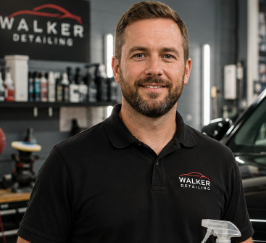
Written by James Walker
Quick Answer:
Car detailing is a thorough, multi-step cleaning, restoration, and protection process for a vehicle’s exterior and interior — going far beyond a normal car wash. It typically includes washing, decontamination, polishing, wax or sealant application, and deep interior cleaning to protect paint and surfaces and improve overall appearance.
If you have ever wondered what is car detailing and how it differs from a quick trip through the car wash, you are not alone. Many vehicle owners use the terms interchangeably, but detailing is a more careful, layered routine that protects your car’s paint, interior materials, and long-term value. This guide breaks down what car detailing actually involves, how it works, and how to approach it safely — whether you plan to try it yourself or hire a professional.
Editorial note: This article is for general educational and purchasing guidance only. It does not guarantee vehicle performance or safety outcomes and does not replace advice from a qualified mechanic or auto technician. Some tasks may require the work of a licensed/registered professional or compliance with local vehicle regulations. Always check your vehicle’s manual, warranty terms, and current local regulations, and consult a qualified professional when needed.
What Is Car Detailing, Exactly?
At its core, car detailing is the process of deeply cleaning, restoring, and protecting every surface of a vehicle, inside and out. Unlike a standard car wash, which mainly removes surface dirt from the exterior, detailing addresses fine contaminants, oxidation, interior grime, and surface protection in a structured routine. When people ask what car detailing includes, the honest answer is that it can range from a basic wash-and-wax package to a multi-hour paint correction and interior restoration session.
Car detailing generally splits into two halves: exterior detailing (paint, wheels, glass, trim) and interior detailing (seats, carpets, dashboard, air vents). Some detailing packages also include engine bay cleaning, though this requires extra caution around electrical components. Understanding what car detailing covers helps you decide how much time, tools, or budget you actually need.
Why Car Detailing Matters for Your Vehicle
Regular detailing does more than make a car look good. Paint that is regularly washed, decontaminated, and protected tends to resist swirl marks, water spots, and UV fading better than paint that is neglected. Interior detailing can slow down wear on upholstery and trim, and it may help keep allergens and odors under control. For owners planning to sell or trade in a vehicle later, a well-kept interior and exterior can support a stronger resale impression, though no detailing service can guarantee a specific resale value or outcome.
Detailing also gives you a chance to spot small issues early — a cracked trim clip, a fading headlight lens, or a stain that is starting to set into fabric. Catching these early is often easier to manage than waiting until they become bigger problems.
How Car Detailing Works, Step by Step
Exterior Detailing Basics
Exterior detailing usually starts with a two-bucket wash using a pH-balanced car shampoo, followed by decontamination using a clay bar or chemical decontaminant to remove embedded particles the wash alone cannot lift. After that, many routines include machine or hand polishing to reduce light swirl marks, then a wax, sealant, or coating layer to protect the paint from UV rays, road grime, and moisture.
Interior Detailing Basics
Interior detailing typically involves vacuuming seats, carpets, and trunk space, cleaning air vents and crevices, wiping down hard surfaces with interior-safe cleaners, treating leather or fabric upholstery, and cleaning interior glass without leaving streaks. Some routines also include steam cleaning for deeper sanitizing of high-touch areas.
Compact Cars & Sedans
Smaller interiors and paint surfaces usually mean shorter detailing sessions. Focus on tight door jambs and small wheel wells where grime collects.
SUVs & Family Vehicles
Larger cargo areas and more seating surfaces often need extra vacuuming time and stronger stain treatment for child seats or pet hair.
Trucks & Vans
Higher ride height and larger panels can mean more time spent on exterior paint work and undercarriage-adjacent trim cleaning.
Older or Classic Vehicles
Aged paint and trim may need gentler products and a cautious test-patch approach before applying any polish or sealant.
Comparing Detailing Options
A Basic Car Detailing Routine, Step by Step
This general routine reflects a common approach to car detailing. Always check your specific product labels and your vehicle’s manual before starting.
Rinse the exterior to loosen loose dirt before contact washing to reduce scratch risk.
Wash using a two-bucket method with a pH-balanced shampoo to avoid stripping wax or sealant.
Decontaminate paint with a clay bar or chemical decontaminant if the surface feels rough after washing.
Dry with a clean microfiber towel or a low-pressure blower to reduce water spotting.
Apply wax, sealant, or a similar protective product following the label’s cure time.
Move inside: vacuum, wipe surfaces with interior-safe cleaners, and finish glass last to avoid re-smudging.
This full-loop process is a common shape for what car detailing looks like in practice, whether done at home or by a professional.
Detailing Process Flow (Practical Guide)
In practice, most car detailing sessions follow this general order, though individual steps may be repeated or skipped depending on the vehicle’s condition.
Safety Considerations While Detailing Your Car
Most car detailing tasks are low risk, but a few areas deserve extra care. Working near the engine bay means staying clear of the battery terminals and any exposed wiring, and disconnecting the battery is not something a beginner should attempt without understanding the vehicle-specific procedure. Using a pressure washer too close to seals, badges, or electrical connectors can push water where it should not go.
Safety Note: If any part of a detailing task involves the engine bay, battery terminals, or wiring, work carefully and only if you understand the correct procedure for your specific vehicle. If in doubt, consult a qualified mechanic or auto technician before proceeding.
Safety Decision Path
Is the task limited to exterior paint, glass, or interior fabric? → Generally safe for a careful DIY approach.
Does the task involve the engine bay, battery, or wiring? → Proceed only if you are confident, or consult a professional.
Are you unsure about a product’s compatibility with your paint or interior material? → Test on a small hidden area first.
Common Car Detailing Problems and Fixes
Safe Use vs Risky Use When Detailing
Red-Flag Checklist Before You Start
☐ Product label does not match your paint or interior material
☐ No test patch has been done on an unfamiliar surface
☐ Direct sunlight is hitting the panel you plan to work on
☐ Task involves the engine bay and you are unsure of the correct steps
If two or more of these apply, pause and address them before continuing.
Common Car Detailing Mistakes to Avoid
Choosing the Right Detailing Approach for Your Vehicle
Not every vehicle needs the same level of car detailing. A daily-driven family vehicle may benefit from a monthly wash-and-wax routine, while a garage-kept weekend car might only need light maintenance detailing every few months. The table below can help you match an approach to your situation.
Detailing Fit Dashboard
Beginner-Friendly: Express detail, basic wash and wax
Intermediate: Full DIY detail with clay bar and sealant
Advanced or Professional: Paint correction, polishing, protective coatings
Use this as a general starting point, not a strict rulebook — your comfort level and available time matter too.
Pro Tips and Best Practices
Tip: Work in smaller sections — one panel at a time — rather than covering the whole car with product before wiping it off. This helps prevent products from drying on the surface before you can buff them away.
In my testing experience, using two separate microfiber towels — one for applying product and one for buffing — keeps results more even and reduces the chance of dragging grit across the paint. Rinsing tools frequently between sections also helps avoid reintroducing dirt onto a freshly cleaned panel.
Note: Product cure times vary by brand and formula. Always follow the manufacturer’s label instructions rather than a general online estimate.
What Experienced Car Owners Check That Beginners Miss
Experienced detailers often pay close attention to details beginners overlook, such as checking paint under direct light (not just shade) to spot missed swirl marks, feeling the paint with a plastic bag over their hand to detect embedded contamination before assuming a wash is enough, and inspecting door jambs and under wiper blades where grime tends to hide. They also tend to track how long a wax or sealant has been on the car, since reapplication timing affects how well the paint stays protected.
Where Detailing Time Typically Goes (Practical Guide)
Exterior wash and dry
Interior vacuum and wipe-down
Polish or paint correction
Wax or sealant application
These bars reflect typical relative time priority for a thorough detail, not a scientific measurement — actual time varies by vehicle condition and product choice.
Warning: Mixing chemical products, such as combining certain wheel cleaners with other acidic solutions, can produce harmful fumes. Always use products separately and in a well-ventilated area, following the label instructions.
When to Contact a Professional Detailer or Auto Technician
Contact a professional if: the paint has deep scratches or oxidation that basic polishing does not improve, you notice damage near the engine bay or electrical components, you are unsure whether a cleaning product is safe for your specific interior material, or you want a ceramic coating or paint correction service that requires specialized equipment and training.
A professional detailer or auto technician can also advise on whether a task might affect your vehicle’s warranty or local roadworthiness requirements, which is worth checking before any permanent exterior treatment.
For general background on vehicle care and consumer safety standards, resources like SAE International and the Car Care Council offer educational guidance on vehicle maintenance and care practices that can complement what car detailing covers.
Frequently Asked Questions
What is car detailing and how is it different from a car wash?
Car detailing is a deeper, multi-step process covering paint decontamination, polishing, protection, and interior deep cleaning, while a standard car wash usually only removes surface dirt from the exterior.
How often should I detail my car?
Many owners aim for a full detail every one to three months, with lighter maintenance washes in between, depending on driving conditions and how much time the car spends outdoors.
Can I detail my car myself, or should I hire a professional?
Basic car detailing, like washing, waxing, and interior cleaning, is often manageable at home with the right tools. More advanced work like paint correction or ceramic coating usually benefits from professional experience and equipment.
Does car detailing remove scratches?
Light swirl marks may improve with polishing, but deep scratches that reach the base coat usually need professional paint correction or touch-up work rather than standard detailing alone.
Is car detailing safe for all interior materials?
Most detailing products are formulated for common interior materials, but leather, suede, and some aftermarket trims may need specific products. Always test a small hidden area first.
What tools do I need to start car detailing at home?
A basic setup includes a two-bucket wash system, microfiber wash mitt and towels, pH-balanced shampoo, a clay bar or decontaminant, wax or sealant, and a vacuum for interior cleaning.
Does car detailing affect my vehicle’s warranty?
Routine cleaning and protection products generally do not affect a warranty, but always check your vehicle’s warranty terms before applying permanent coatings or modifications, and consult a professional if unsure.
Final Thoughts: Understanding what car detailing involves helps you decide how much of the process to handle yourself and when to bring in a professional. Start with the basics — a careful wash, gentle drying, and consistent protection — and build up from there as you gain confidence. For deeper paint correction, coatings, or any work near the engine bay, checking your vehicle’s manual and consulting a qualified mechanic or professional detailer is always the safer path.
