
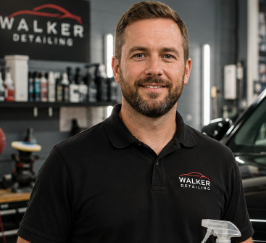
By James Walker
A dirty car isn’t just a cosmetic problem. Road salt, bird droppings, tree sap, and everyday grime can sit on paint and trim for weeks, and over time that buildup can dull the finish or make small scratches more noticeable. If you’ve been searching for where can I get my car cleaned near you, you’ve probably noticed there are more options than a single drive-through wash. Each one trades off price, water use, and how gentle the process is on your paint.
What Getting Your Car Cleaned Actually Involves
When people ask where can I go to get my car cleaned, they’re usually thinking of one type of place, often the closest drive-through tunnel wash. In reality, “getting your car cleaned” covers several different services that use different amounts of water, different soap chemistry, and different levels of hand contact with your paint. A basic exterior rinse is very different from a full interior-and-exterior detailing session, and knowing the difference helps you avoid paying for more than you need, or less than your car actually needs.
Most options fall into a few groups: automated tunnel washes, touchless automatic washes, self-serve wash bays where you do the work with coin-operated equipment, hand car washes with staff, mobile detailers who bring their equipment to your driveway, and washing the car yourself at home. Each one is a valid answer to where can I go to get my car cleaned, but they are not interchangeable in terms of cost, water use, or how careful the process is with your paint finish.
Why the Right Choice Matters for Your Car
Choosing poorly doesn’t just waste money, it can affect your paint over time. Automated tunnel washes with old or poorly maintained brushes are a common cause of fine swirl marks, especially on darker vehicles where they show up more easily. On the other hand, hand washing at a self-serve bay with a worn-out foam brush can leave grit trapped in the material, which acts like sandpaper on the clear coat. Knowing where can I go to get my car cleaned safely, not just quickly, is what actually protects your car’s finish long term.
Water use is another factor worth considering. Many at-home washes use far more water than a commercial wash designed to recycle it, and in some areas, hosing down a car in a driveway may be limited by local water restrictions. If that applies to your area, a professional or self-serve facility may be the more practical and often the more water-efficient choice.
How to Decide Where to Take Your Car
This simple path can help you narrow down where can I go to get my car cleaned based on your time and priorities.
Do you have 30+ minutes and want to save money? Consider a self-serve bay or DIY wash at home.
Need it fast and don’t mind paying more? A touchless automatic wash or a staffed hand wash is usually quickest.
Want interior cleaning too, or can’t leave home? Look into mobile detailing services in your area.
Have a ceramic coating or fresh paint work? Choose a location that specifically offers a gentle, low-contact wash method.
Practical guide only — actual availability depends on services in your local area.
Comparing the Main Places to Get a Car Cleaned
How Professional Car Washes Work
Most commercial locations use a combination of pre-soak chemicals, pH-neutral or mildly alkaline shampoo, high-pressure rinsing, and either soft-touch brushes or touchless high-pressure jets. Touchless systems rely on stronger detergents and higher water pressure instead of physical brushes, which is why they’re often recommended for cars with a ceramic coating or fresh paint work, since there’s no material dragging across the surface. Many facilities also recycle a portion of their wash water through reclaim systems, which is one reason a commercial wash can sometimes use less fresh water overall than washing a car with a garden hose at home.
If you’re comparing where can I go to get my car cleaned based on water use specifically, ask the location whether they use a reclaim system. Staff at most car washes are used to this question and can usually tell you right away.
Common Paint Problems and Their Likely Cause
Matching the Wash Type to Your Vehicle
Not every car benefits from the same wash method. A daily commuter with standard clear coat paint can usually handle an automated tunnel wash without issue, as long as the facility keeps its brushes clean. A vehicle with a fresh ceramic coating, ceramic spray sealant, or recent paint correction work is more sensitive, since the goal is to preserve that slick, protective layer rather than introduce fresh micro-scratches. Larger vehicles like SUVs and trucks may also need extra attention around wheel wells and undercarriage, where road salt and mud tend to collect.
Safe Use vs. Risky Use by Vehicle Condition
Warning Signs a Car Wash Location May Damage Your Paint
Before choosing where can I go to get my car cleaned, a quick visual check of the facility can save you from a bad wash.
☐ Brushes look frayed, discolored, or stiff instead of soft
☐ Wash mitts or towels look visibly dirty between customers
☐ No option to rinse or pre-soak before the main wash cycle
☐ Staff wipe multiple cars with the same unrinsed cloth
☐ No shade or drying area, leaving cars to air-dry in direct sun
If two or more of these apply, it may be worth trying a different location.
Step-by-Step: Choosing the Right Place to Get Your Car Cleaned
List two or three nearby options, mixing an automated wash, a self-serve bay, and a hand wash if all exist in your area.
Check recent reviews specifically for mentions of scratches or swirl marks, not just speed or price.
If your car has a ceramic coating or fresh paintwork, call ahead and confirm they offer a touchless or hand-wash option.
Do a visual inspection of the brushes, mitts, and towels before committing to a wash on your first visit.
Ask about their drying process, since air-drying in direct sun is a common cause of water spots.
Compare the result after your first visit, and stick with whichever location leaves the fewest marks and the cleanest finish.
Common Mistakes People Make When Choosing a Wash Location
Many drivers default to whichever place is closest, without checking how well it’s maintained. Others assume a more expensive hand wash is automatically gentler, when in reality a rushed staff member with a dirty mitt can cause just as much fine scratching as an old tunnel brush. Another common mistake is skipping the undercarriage rinse to save a few minutes, which lets road salt sit against metal components long after the visible parts of the car look clean.
Mistake vs. Better Choice
Which Option Fits Your Situation Best
Fit Dashboard: Matching the Option to the Owner
A quick practical guide, not a strict rule, for where can I go to get my car cleaned based on your day-to-day needs.
Busy schedule, no time to wait: Mobile detailer or a quick automated wash
Tight budget, don’t mind the work: Self-serve bay or DIY at home
Ceramic coating or new paint: Touchless wash or careful hand wash
Large SUV or truck with mud/salt exposure: Facility with an undercarriage rinse option
Want interior deep-cleaned too: Full-service hand wash or mobile detailing
What Beginners Often Miss
New car owners often focus only on price and skip checking whether the wash offers an undercarriage rinse or wheel-safe cleaning, both of which matter for long-term rust prevention.
What Experienced Owners Check
In my experience testing different local wash options, experienced owners tend to inspect brush condition and drying method before their first wash, then stick with whichever location leaves the least marking over several visits.
Washing Your Car Yourself at Home
If none of the nearby options feel right, or you simply enjoy the process, washing your car at home is a reasonable answer to where can I go to get my car cleaned, as long as you check local water-use rules first. The two-bucket method, one bucket for clean soapy water and one for rinsing your mitt, helps prevent grit from scratching the paint as you work. Start from the roof down, rinse thoroughly, and dry with a clean microfiber towel rather than letting the car air-dry.
What Matters Most When Choosing a Wash Method
A relative priority guide, not a scientific measurement, for typical car owners.
Paint safety
Convenience
Water conservation
Cost
Typical priority order for everyday owners — your own priorities may differ.
DIY vs. Hiring a Professional
Helpful Products If You Choose to Wash at Home
Microfiber Wash Mitt Set
A soft, lint-free mitt may help reduce the risk of fine scratches compared to sponges, and can support a gentler routine when washing at home.
pH-Neutral Car Wash Shampoo
Using a pH-neutral shampoo instead of dish soap may help support your car’s existing wax or sealant layer during regular at-home washes.
Large Microfiber Drying Towel
A high-absorbency drying towel can help make day-to-day maintenance easier by reducing water spots left from air-drying.
Frequently Asked Questions
Where can I go to get my car cleaned if I want the cheapest option?
A self-serve wash bay is usually the cheapest option since you’re paying only for time and water, not labor. Washing at home is often even cheaper long-term, though it requires your own supplies.
Is it safe to run a car with a ceramic coating through an automatic wash?
A touchless automatic wash is generally considered gentler for coated vehicles than a brush-style tunnel wash, since there’s no material dragging across the surface. Always check the facility’s brush condition if you’re unsure.
How do I find where can I get my car cleaned near me?
Searching online map listings for “car wash” or “mobile detailing” near your location will usually show several nearby options along with recent customer reviews, which are worth reading before your first visit.
Can washing my car at home damage it?
Washing at home is generally safe if you use a clean mitt, a pH-neutral shampoo, and the two-bucket method. Using dish soap, a dirty sponge, or letting the car air-dry in the sun are the most common causes of avoidable damage.
Should I use a mobile detailer instead of a regular car wash?
A mobile detailer is a good option if you don’t have time to leave home or want a thorough interior-and-exterior clean. For a quick routine exterior wash, a standard car wash location is usually faster and more affordable.
How often should I get my car cleaned?
Most vehicles benefit from a wash every one to two weeks, or sooner after driving on salted or muddy roads. Coated or freshly painted vehicles may need gentler, more frequent washing to keep contaminants from settling on the surface.
When should I see a professional instead of continuing to DIY?
If you notice deep scratches, rust forming, or unusual paint texture after washing, it’s worth having a qualified detailing professional or mechanic inspect the vehicle rather than continuing to wash it the same way.
Final Thoughts
There’s no single right answer to where can I go to get my car cleaned — the best choice depends on your budget, your schedule, and how much your vehicle’s paint or coating needs protecting. Start with a location that matches your situation, check the equipment before your first wash, and adjust from there. For anything beyond routine cleaning, such as deep scratches, rust, or sensor-related concerns, check your vehicle’s manual and consult a qualified mechanic or auto technician before making any permanent changes.
Helpful references: International Carwash Association and Car Care Council for general vehicle cleaning and maintenance guidance.
