
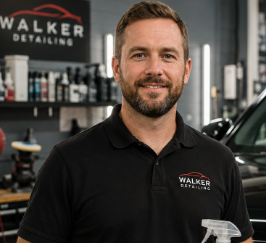
By James Walker
Quick Answer: To eliminate smoke odor in car interiors, remove the source, vacuum every surface, clean hard parts and fabrics with material-safe products, replace the cabin air filter, and air the car out. Finish with an odor absorber. Heavy cases may need a professional.
It is 7:30 on a Saturday morning. You open the door of a used sedan you just bought, and the smell reaches you before you sit down. Stale smoke. Don’t worry. With a coffee, a vacuum, and a plan, you can turn this car around by the afternoon. Follow this timeline from morning prep to the final finishing touches.
Good to know: This article is for general educational and planning guidance. It does not promise specific results and works alongside advice from qualified professionals. Some tasks, such as deep odor or mold treatment, upholstery repair, and anything near airbags or wiring, are best handled by a trained professional. Please check your vehicle’s owner’s manual and the product label, and test on a small hidden area first.
Why Smoke Smell Sticks Around (and Why Air Fresheners Fail)
Smoke is more than a smell. It leaves a thin, sticky film of tiny particles on every surface. Those particles also sink into soft materials like seat foam, carpet, and the fabric headliner. That is why a hanging air freshener only masks the problem for a day or two. To really eliminate smoke odor in car cabins, you need to remove the residue itself, not just perfume the air.
Myth: Leaving the windows cracked for a few days will fix it. Reality: Fresh air helps, but it rarely reaches residue buried in foam and fabric. Think of a greasy pan. Waving fresh air over it will not clean it. You have to scrub it.
On a cloth sedan I cleaned for a daily commuter, the seats smelled only mildly smoky. The headliner held the strongest odor, because warm smoke rises and settles overhead. Many owners start with the seats and overlook the ceiling.
The Sticky Film
Smoke leaves a tacky, yellowish coating on glass, plastic, and vinyl. Wiping it away removes a major odor source.
Soft Materials
Seat foam, carpet, and floor padding act like sponges. They need thorough vacuuming and careful fabric cleaning.
The Ceiling
The headliner (the fabric-covered panel above you) collects rising smoke. It is also delicate, so it calls for a gentle touch.
The Air System
The cabin air filter and vents can hold smoke particles. Every time you turn on the fan, they may push the smell back out.
Takeaway: Treat the smell as residue to remove, not an odor to cover.
Where Smoke Residue Hides, Material by Material
Each material holds smoke differently, so each needs a slightly different first move.
If you only have time for three areas, pick the headliner, the seats, and the filter. They tend to hold the most odor.
Saturday, 8:00 AM: Prep and Pre-Checks
Start with a calm walk-around. Open every door and pull out ashtrays, lighters, and loose trash. Take out the floor mats. Empty the glove box, center console, and door pockets, because old ash and cigarette butts love to hide there. A few minutes of checking can save hours of guessing.
Use this quick dashboard before you touch a single cleaner.
If you tick fewer than four boxes, do those first. Skipping prep is a common reason the smell returns the following week.
Safety Note: Work with the doors open or outdoors, and wear gloves. Never mix cleaning products, especially anything containing bleach with anything containing ammonia. Keep liquids away from seat sensors, wiring, and the seat-side airbag area, and do not spray anything near airbag labels. Keep lit cigarettes and flames away from sprays. For more on safer cleaning-product use, see the American Cleaning Institute.
Smell Problems and Their Likely Causes
Before you buy anything, match what you smell to the likely cause. This table can help you decide where to focus.
Takeaway: A smell that appears with the fan points to the air system. A smell that deepens in heat points to soft materials.
9:00 AM: How to Eliminate Smoke Odor in Car Interiors, Step by Step
Here is the order that works for most sedans, SUVs, minivans, and trucks. Work from top to bottom so dirt never falls onto a freshly cleaned surface.
Source and trash
Top to bottom
Hard surfaces, glass
Fabric, headliner
Filter and airflow
Each stage removes a different layer of residue. Skipping a stage usually means the smell returns by the next warm day.
Tip: For a mild smell, sprinkle baking soda on dry carpet or cloth seats, wait several hours or overnight, then vacuum thoroughly. Many owners find this can help absorb light odors. Keep it away from vents and electronics, and skip it on damp surfaces.
10:30 AM: Match the Method to the Material
One product on every surface is a common way to cause damage. Leather can dry out, vinyl can get tacky, and cloth can develop water rings. Follow this decision path each time you switch surfaces.
Identify leather, vinyl, cloth, or plastic.
Pick a cleaner labeled safe for that surface.
Try a hidden area and wait for it to dry.
Mist lightly, agitate softly, blot, repeat.
The test spot is the step people skip most often, and it is the cheapest insurance you can buy. If the test area changes color or feel, switch products or ask a pro.
Smart Moves vs Less Effective Moves
Heads-Up: Over-wetting is the biggest risk, especially on seats with heating elements, occupant sensors, or side airbags. Keep fabric only slightly damp, and consult your owner’s manual for seat-specific cleaning cautions.
Noon: Fix the Air Side With a Cabin Filter and Clean Vents
A cabin air filter is a small panel that traps dust, pollen, and particles before air reaches you. On many vehicles it sits behind the glove box, though the location varies, so check the owner’s manual. If it has absorbed smoke, it can keep releasing that smell for months. Many owners replace it as the last step of a smoke cleanup. Some choose an activated carbon version, which is designed to help with odors.
Use the fit dashboard below to see what suits each part of your car.
Vacuum, enzyme cleaner, baking soda.
pH-balanced cleaner, soft brush, conditioner.
Dry vacuum, then light dabbing only.
Ammonia-free cleaner, two microfibers.
Detailing swabs, new cabin filter.
Charcoal or odor-absorbing bags.
Notice how the headliner calls for the lightest touch, while fabric seats tolerate the most agitation. That contrast is why a one-size-fits-all spray tends to disappoint.
Note: If your car carries a child seat, remove it before cleaning and wash it according to its manufacturer’s instructions. Do not use harsh chemicals on harness straps. Review NHTSA car seat guidance for safe use, and reinstall the seat carefully.
Which Approach Fits Which Owner
This article may contain affiliate links. If you buy through these links, we may earn a small commission at no extra cost to you. We only mention products that are relevant to the topic and they work alongside advice from qualified professionals.
Enzyme-Based Upholstery and Odor Cleaner
An enzyme-based cleaner can help break down odor-causing residue in cloth seats and carpet, which may make smoke cleanup easier. Check that the label lists fabric upholstery, and test on a hidden spot first.
Activated Carbon Cabin Air Filter
A carbon cabin filter is designed to trap particles and may help reduce odors drawn into the cabin. Filters are vehicle-specific, so confirm the fit for your year, make, and model before ordering.
Activated Charcoal Odor Absorber Bags
Charcoal bags are fragrance-free and can help absorb lingering odors after a deep clean. Place them under the seats or in the trunk, keep them away from pedals, and keep them out of reach of children and pets.
Afternoon: The Escalation Ladder for Stubborn Smoke Smell
If the smell lingers after your first pass, move up one rung at a time. Start with the gentlest option. First, repeat the enzyme treatment on fabric and the wipe-down on hard surfaces. Second, leave odor absorbers in the closed car for a couple of days. Third, consider a hot-water extractor or steam cleaner, but only if you know the settings and the seat’s moisture limits. Fourth, hire a pro.
You may see ozone generators suggested online. The EPA has published cautions about ozone generators sold as air cleaners, noting that ozone can be harmful to breathe. Read its guidance on ozone generators before considering one, or leave it to a trained detailer.
Here is a rough look at how much effort each part of the job takes, shown as general guidance.
Relative effort (general guide)
Remove source and trash
Vacuum everything
Hard surfaces and glass
Headliner care
Fabric and carpet treatment
Cabin filter swap
Fabric treatment takes the most time, but it often pays off the most. The filter swap is quick, so it is an easy win to finish early.
What Detailers Notice That Beginners Often Miss
When I walk around a smoke-affected SUV, I check the small places first. These are the spots that quietly keep the smell alive.
Seat Belts
Fabric belts absorb smoke too. Pull them out fully and wipe them with a lightly damp cloth, and let them dry before they retract. Check your manual first, since harsh chemicals can damage belt fibers.
Sun Visors and Pillar Trim
Visors and pillar covers are fabric-wrapped and sit right beside the headliner. Treat them gently, using the same light dabbing technique.
Under the Seats
Ash and burnt debris collect around seat rails. Vacuum there with a long crevice tool, and keep your hands clear of wiring under the seats.
Trunk and Spare Well
Smoke settles into trunk carpet and the spare-tire well. Lift the cover, vacuum, and wipe any hard surfaces down.
Common Mistakes vs Better Choices
Takeaway: Most failed cleanups come down to rushing the drying stage or skipping the filter.
Keeping the Smell Gone for Good
Once the car smells clean, protect that work. Ask passengers to smoke outside and away from the doors, since smoke drifts in. Wipe the dash and glass monthly with a microfiber and the cleaners already in your kit. Replace the cabin air filter on the schedule in your owner’s manual, or sooner if the smell creeps back. Washable seat covers can also help in a rideshare or high-traffic car. If you ever need to eliminate smoke odor in car cabins again, a quick routine keeps the job small.
When to contact a professional: Call a trained detailer or upholstery specialist if the smell remains after two full rounds, if you see mold or mildew, or if the headliner is sagging. Also get help for any work near airbags, seat sensors, or wiring, or if you want ozone or similar treatments done safely. A pro has the tools and training for deep odor remediation.
Frequently Asked Questions
How long does it take to eliminate smoke odor in a car?
A mild case may take a day, including drying time. Heavy, long-term smoke can take several rounds across a few days, and some cars need professional help.
Does baking soda or charcoal remove smoke smell from a car?
Both can help absorb light odors, but they work best after cleaning. They do not remove the sticky smoke film on their own.
Should I use an ozone generator?
The EPA cautions that ozone can be harmful to breathe, so it is best left to a trained professional who follows proper safety steps. Try cleaning, filter replacement, and absorbers first.
Do I need to replace the cabin air filter?
In most smoke cases, yes. A filter that has trapped smoke particles can keep releasing the smell. Check your owner’s manual for the correct part and location.
Can I clean the headliner myself?
Yes, if you are gentle. Vacuum lightly, then dab with a barely damp microfiber and let it dry. Avoid soaking or scrubbing, and call a pro if it already sags.
Why does the smoke smell come back on hot days?
Heat can release residue trapped in seat foam, carpet, and the headliner. If the smell returns, repeat the fabric treatment and check the cabin filter.
When should I hire a professional?
Hire one if the smell persists after two full rounds, you find mold, the headliner sags, or the work involves airbags, wiring, or seat electronics.
Final Thoughts
You do not need a fancy shop to eliminate smoke odor in car interiors. You need a calm Saturday, the right order of steps, and a little patience while things dry. Remove the source, clean each material with a safe product, refresh the cabin filter, and finish with an absorber.
Keep your owner’s manual and product labels close, and test every product on a small hidden spot first. For deep odor, mold, headliner damage, or anything near airbags and wiring, a qualified professional is the right call. Enjoy the fresh start in your cabin.
