
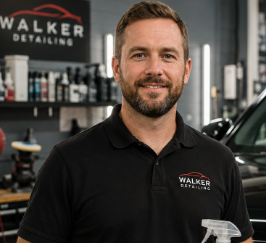
By James Walker
Picture this: it is Saturday morning, and you are waxing the hood of your SUV. A little wax glob slides off the towel, bounces off the door sill, and lands right on the driver-side carpet. Annoying? A bit. Ruined? Not at all. Wax is one of the friendlier stains once you know the trick.
This guide is a one-Saturday walk-through. We will prep, lift, clean, and finish, so your floor looks fresh again. Whether the wax is hard and crusty or soft and smeared, you will find a plan that fits.
Prep: Know What You Are Dealing With
Before you reach for any tool, take two minutes to look at the spot. Is it a hard lump of paste wax? A smeared haze from liquid wax? Or a drip from a candle that rode home in the back seat? The type of wax tells you how stubborn the job may be.
Car wax is a mix of waxes, oils, and sometimes mild solvents. On carpet, it clings to fibers and stiffens them, leaving a shiny, crunchy patch. Left alone, it can also trap dust and grime, so the patch may darken over time. That is why it helps to deal with it soon, since a clean floor supports a fresh cabin and a tidier look at resale time.
Myth vs. reality: Many people think wax on carpet means the carpet is stained forever. In practice, wax sits mostly on top of the fibers, and many owners find that heat plus absorption lifts most of it.
Wax Types and What They Usually Need
Takeaway: Identify the wax first. It sets your starting point on the gentle-to-stronger ladder.
Gather Your Gear Before You Start
A good wax job uses plain items you may already own. Having everything within reach keeps you from walking away mid-task with a half-melted spot.
Scraper Tools
A plastic scraper, an old credit card, or a dull butter knife works well. Plastic is gentler on fibers and less likely to snag.
Heat Source
A household iron on a low, dry setting is the classic choice. A hair dryer can help on spots where an iron will not reach.
Absorbent Layers
Plain, undyed paper towels or brown paper bags soak up melted wax. Avoid printed paper, since ink may transfer to the carpet.
Finishing Cleaner
A carpet or upholstery cleaner made for automotive use, plus clean microfiber towels and a soft brush, handles leftover film.
Takeaway: Simple tools do most of the work. Choose plastic scrapers and plain paper to protect the fibers.
Pre-Clean Checks That Save Headaches
Experienced detailers pause for a quick check before they heat anything. It takes a minute and may spare you a bigger repair job.
Pre-Clean Checklist Dashboard
Nylon and polyester usually handle low heat. Check for rubber backing or wool blends.
Note nearby seat rails, sensors, and wiring under the carpet.
Thick lumps need scraping first. Thin film goes straight to blotting.
Dark carpet shows residue more. Light carpet may show wax dye.
Try your cleaner under a seat or on a spare carpet edge first.
Open doors so any fumes can clear while you work.
Read this dashboard as a quick scan. If most boxes are checked, you are ready. If you cannot identify the carpet material or the spot sits over wiring, slow down and check your owner’s manual.
How to Remove Wax from Car Carpet, Step by Step
Here is the main routine. Work slowly, keep the heat low, and do not rush the blotting. Patience often does more than force.
Takeaway: Scrape, heat, blot, repeat. Most wax jobs come down to patience and fresh paper.
Safety First: Heat, Fumes, and What Lies Beneath
The steps above are friendly to DIY, but heat and cleaners deserve respect. A few simple habits keep the job safe.
Also think about the pedals. Wet or waxy patches near the driver’s footwell can make mats slip. Once you finish, make sure the mat is dry, seated properly, and secured on its retention hooks before you drive. The National Highway Traffic Safety Administration offers floor-mat safety information at nhtsa.gov, and the EPA shares general guidance on indoor air and safer cleaning product use at epa.gov.
Safe-Use Decision Path
Not sure which method fits your spot? Follow this simple path from material to finish.
Safe-Use Decision Path
Identify nylon, polyester, wool blend, or rubber-backed carpet.
Pick plain paper and low heat first. Move to a carpet cleaner only if needed.
Try the cleaner on a hidden patch and wait for it to dry.
Blot, never scrub hard. Dry fully before you close up the car.
If any step in this path raises a doubt, pause. A short pause costs far less than a damaged carpet.
Carpet Types and How They React to Heat
Not every floor covering behaves the same. A plush carpet in a family minivan may react differently than the thin, looped carpet in a compact sedan. Mats can be a different story altogether.
Takeaway: When in doubt, go lower on heat. You can always add another pass, but you cannot un-melt carpet fibers.
When Wax Does Not Come Out the First Time
Sometimes a shiny patch or a faint ring hangs around. That does not mean you failed. It usually points to a specific cause, and each one has a simple fix.
Common Issues and Likely Causes
Think of this table as a quick troubleshooting map. Start with the gentlest fix in the right-hand column, and only step up if the spot stays put.
The Gentle-to-Stronger Ladder
Here is how I think about escalating. I start with the mildest method and only move up when needed, which protects the carpet and keeps the job simple.
Relative Effort by Method (general guidance)
Longer bars mean more effort, time, or cost. Most wax spots resolve in the first two rungs, so you often never need the top of the ladder.
Smart Habits vs. Less Effective Moves
After a few years of detailing family SUVs and daily commuters, I have noticed that the same small habits separate a quick fix from a frustrating one.
Best-Practice Use vs. Less-Effective Use
Takeaway: Small habits, like fresh paper and light pressure, add up to a cleaner result.
Real-Life Cases and Which Fix Fits
Every owner’s situation is a little different. Here are four scenarios I run into often, along with a simple way to choose the right approach.
The Weekend Waxer
A small glob of paste wax lands on the sedan’s carpet. Scrape, then use the iron and paper towel method. This is the classic case, and it usually responds well.
The Candle Casualty
A scented candle tipped over in a minivan’s cargo area. Candle wax is often dyed, so heat and blot first, then treat any leftover color with a cleaner made for dye, after a spot test.
The Rubber-Backed Mat
Wax on a truck’s rubber-backed mat. Skip the iron, since the backing may warp. Pull the mat out, scrape, use a hair dryer, and blot or wash with mild soap.
The Large Smear
A big patch spread across the driver’s footwell. Work in small sections so the melted wax does not spread. If it covers a wide area, a professional extractor may save time.
Which Approach Fits Which Owner
Material and Method Fit Dashboard
Iron on low: usually a good fit. Hair dryer: good.
Iron on lowest setting with care. Hair dryer: good.
Iron: skip. Hair dryer and mild soap: better choice.
Heat: use caution. Consider a professional.
Use this dashboard as a glance guide. If your carpet falls in the last box, a professional detailer is often the safer choice.
Mistakes to Skip, and Better Choices
I have made a few of these myself over the years, and they are all easy to avoid once you know them.
Common Mistakes vs. Better Choices
Takeaway: Most mistakes come from rushing. Slow, light, and dry is a good motto for wax removal.
What Experienced Detailers Notice
A few details tend to slip past beginners. Seasoned detailers check the edges of the spot, since wax often creeps outward as it softens. They also check under the mat, because wax can sometimes wick down into the padding. And they run a clean white towel over the area at the end, which can reveal leftover film you cannot see by eye.
Another tip: work in daylight or under a bright light. Residue that hides in a dim garage can show up as a shiny patch the next time the sun hits the floor.
Aftercare: Keep the Carpet Looking Fresh
Once the wax is gone, a couple of small habits can help prevent a repeat. When waxing your car, set a towel or old mat on the floor near the door sill, so stray drips land on something easy to wash. Store open wax tins away from the cabin, and keep applicator pads in a sealed bag.
After the carpet is fully dry, a quick vacuum helps lift the fibers and restore the look. If you like a little extra protection, a fabric guard made for automotive carpet may help repel future spills. Always follow the label and test first.
Optional Gear That Can Make Cleanup Easier
Automotive Carpet and Upholstery Cleaner
A cleaner made for automotive fabrics may help lift leftover wax film after you melt and blot the bulk of it. Check that the label lists carpet or upholstery, and test on a hidden spot first.
Plastic Scraper and Microfiber Towel Set
A plastic scraper can help lift hard wax without snagging fibers, and clean microfiber towels can make blotting and drying easier. Look for soft, lint-free towels and a smooth, rounded scraper edge.
Frequently Asked Questions
Can I use an iron to remove wax from car carpet?
What if I do not have an iron?
Will freezing the wax work?
Is it safe to use solvents on wax in a car?
How do I remove wax from rubber or all-weather floor mats?
Can wax leave a stain on car carpet?
When should I call a professional detailer?
Final Thoughts
Wax on a car carpet looks dramatic, but it is usually a calm, fixable job. Scrape the lumps, melt the rest into plain paper with gentle dry heat, treat any leftover film, and let the carpet dry fully. Go slowly, keep pressure light, and enjoy the result.
Before you start, check your vehicle’s owner’s manual and the product label, and try everything on a small hidden spot first. For delicate carpet, large spills, or anything near airbags, sensors, or wiring, a qualified professional is a smart call. Happy detailing!
