
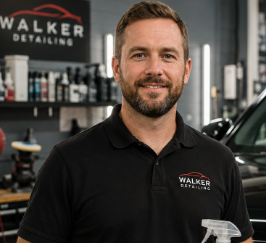
By James Walker
Quick Answer: To fix sticky dashboard plastic, wipe it with a dry microfiber towel, then use mild soapy water or a pH-balanced interior cleaner on the towel, not the dash. If tackiness remains, spot-test diluted isopropyl alcohol on a hidden area. Gummy, breaking-down coating may need a professional refinish.
Case file opened: a commuter sedan that spent the whole summer parked in the sun. Every time the owner reaches for the vent or the phone mount, their fingers come away tacky. Sound familiar? A sticky dash is one of the most common interior complaints, and it is often fixable at home.
This guide treats how to fix sticky dashboard problems like a set of case files. You will learn what causes the tackiness, how to read the clues, which cleaners to try first, and when it is smarter to call a pro.
Please read: This article is for general educational and planning guidance. It does not promise specific results and works alongside advice from qualified professionals. Some tasks, such as deep odor or mold treatment, upholstery repair, and anything near airbags or wiring, are best handled by a trained professional. Please check your vehicle’s owner’s manual and the product label, and test on a small hidden area first.
Case File 1: The Dash That Feels Like Tape
A dashboard turns tacky for one of two reasons. Either something is sitting on top of the plastic, or the plastic’s own finish is breaking down. Knowing which one you have decides every step that follows.
Surface residue comes from greasy dressings, sunscreen, hand sanitizer, sweat, and the thin film that builds up on interior plastics through daily heat cycles. This is the easy case. A gentle cleaner usually lifts it.
Coating breakdown is the tougher case. Many dashboards, door panels, and switch bezels wear a soft-touch coating. Think of it as a rubberized or polyurethane-type paint that feels velvety when new. After years of heat, humidity, and hand oils, that layer can soften and turn gummy. Many owners notice it on older vehicles, though any car that bakes in the sun can be affected.
Myth vs reality: Many people believe a sticky dash means the whole dashboard is melting. In most cases, only a thin surface layer is involved, and the plastic underneath is fine.
Why does it matter? A tacky dash grabs dust, lint, and pet hair. A shiny, oily dash can throw glare onto the windshield. A neglected dash also makes the whole cabin feel older, which can matter at resale time. And it is simply unpleasant to touch every time you reach for a control.
Takeaway: Decide whether you are dealing with residue or coating damage before you choose a cleaner.
Table 1: Cleaning Methods Compared
Here is how the usual options stack up, from gentlest to strongest.
Note: Work from the top of the table downward. Every step up the ladder raises the chance of dulling the finish, so stop as soon as the surface feels dry and smooth.
Case File 2: Reading the Clues Before You Touch Anything
Picture a family SUV after a long road trip. The dash looks fine but feels slightly slick near the vents, and the area above the instrument cluster is glossy. That pattern points to dressing buildup, since people often spray protectants where they can reach easily.
Now picture an older sedan where the dash feels gooey in patches and a clean white towel picks up black smudges. That points to coating breakdown. An experienced detailer runs a clean fingertip across several areas, because stickiness is rarely even across the whole panel.
Table 2: Common Symptom vs Likely Cause
Use this table as a quick diagnostic before you pick a product.
Your Pre-Clean Checklist
Run through these checks before any liquid touches the dash. They take about two minutes.
Pre-Clean Dashboard Check
What this shows: The checklist protects the dash and the electronics around it. Skipping the white towel test is the most common beginner shortcut, and it is the one that most often leads to a wrong product choice.
Case File 3: Safety Comes Before Shine
A dashboard is not a flat piece of plastic. It holds airbag covers, sensors, a touchscreen, and wiring behind the panels. When people rush to fix sticky dashboard residue, they tend to spray liberally, and that is where trouble starts.
Safety Note: Never spray cleaner directly on the dash. Apply it to a towel, and wring it until it is damp rather than wet. Keep liquids away from the airbag cover, vents, switches, the infotainment screen, and any sensor housings. Open the doors for ventilation while using any cleaner. Never pry at or remove an airbag cover yourself. You can read more about airbag safety at NHTSA’s air bag page.
The American Cleaning Institute offers useful general advice on reading labels and never mixing cleaning products, which you can find at cleaning.org. Chemical vapors in a closed cabin can build up quickly, and the EPA’s indoor air quality resources explain why good ventilation matters during any cleaning job.
Heads-Up: Avoid ammonia-based or bleach-based products on dashboards. They may haze plastic and can irritate lungs in a closed cabin. Also skip slippery, high-gloss dressings on the top of the dash, since they can reflect glare toward the windshield.
Pick a Safe Path Before You Start
This decision path keeps material, product, test spot, and method in the right order.
Safe-Use Decision Path
What this shows: The path moves from knowing the surface to choosing a product and then proving it is safe on a small spot. If the test spot turns dull, tacky, or dark on the towel, go back a step instead of pushing on.
Case File 4: How to Fix a Sticky Dashboard, Step by Step
On a daily-driver crossover with light residue, this routine can take about 30 minutes. You will need two or three clean microfiber towels (a soft, plush weave works best), a small bowl of lukewarm water with a drop of mild dish soap, a soft detailing brush, and detailing swabs for tight corners.
The Whole Routine at a Glance
If you like seeing the flow in one view, here it is.
Sticky Dash Cleaning Flow
Shade, ventilation, airbag check, dust removal.
White towel and hidden-spot trial.
Damp towel, small sections, light pressure.
Plain-water wipe, buff dry, re-check feel.
What this shows: Most of the work is prep and testing, while the actual cleaning is short. Rushing the drying step is a frequent reason people think the stickiness is still there when it is just leftover soap.
Tip: Fold your towel into quarters. Each time a face looks grubby, flip to a fresh one. Wiping with a dirty face just moves the tacky film around. If you need to fix a sticky dashboard near a screen, use a dry swab only, and keep every liquid away from the display edges.
Case File 5: When Gentle Cleaning Does Not Work
Imagine a weekend enthusiast with a ten-year-old hatchback. Soapy water did nothing, and the towel keeps coming away dark. This is the coating-breakdown case, and it needs more thought.
Diluted alcohol, with care. Some detailers use isopropyl alcohol mixed with water on a towel for a quick wipe over a small, tested area. It can cut through stubborn film. It can also strip the remaining coating and leave a matte, slightly rough plastic. Treat it as a one-way step, and only try it after a hidden-spot test. Use gloves, keep the cabin ventilated, and keep it away from screens and clear plastic gauge covers.
Accepting a matte finish. Once the gummy layer is removed, the plastic underneath is often a plain, matte texture. Many owners find that a clean, even matte dash looks far better than a patchy, tacky one.
Refinishing. Interior specialists can strip and re-coat soft-touch parts with a suitable interior coating. That is the right choice when the surface is peeling, blotchy, or on a vehicle you plan to keep or sell.
Covers and wraps. A fitted dash cover or interior vinyl wrap can hide damage. Choose a cover that does not block airbag deployment zones or sensors. Check your owner’s manual for guidance, and when unsure, ask a professional installer.
Table 3: Best Practice vs Less Effective Habits
Small habits make a large difference to how a dash ages.
Table 4: Which Approach Fits Your Situation
Your car, your climate, and how you drive all shape the best choice.
Fit by Surface Type
Not every part of the dash behaves the same way. This dashboard shows how comfortable each approach is for each surface.
Surface Fit Dashboard (general guidance)
Soapy water and interior cleaners usually suit it well.
Use the gentlest method only. Alcohol may strip it.
Mild cleaner and a soft brush. Avoid harsh solvents.
Dry microfiber or a screen-safe wipe only.
What this shows: Soft-touch coating and screens need the most caution. If a single panel mixes surfaces, clean it with the gentlest method that suits the most delicate part.
When to contact a professional: Call an interior detailer or upholstery and trim specialist if the coating is peeling or blistering, if the sticky area is near an airbag cover, if you suspect liquid has reached switches or wiring, or if a strong chemical smell lingers after cleaning. A shop can also quote a refinish for the whole dash so the finish matches.
Table 5: DIY vs Hire a Professional
Here is a simple way to decide who should do the work.
Case File 6: What Experienced Detailers Notice First
Beginners tend to look at the sticky patch itself. Experienced detailers look at the pattern around it, and that tells them far more.
The side of the dash facing the windshield and the driver’s side often wear first. If only that area is tacky, heat and UV are the likely culprits.
Sticky spots around the vents, buttons, and phone mount suggest hand oils and sanitizer. A regular wipe-down is usually enough there.
A clean white towel is a quick truth test. Brown or black transfer usually means coating wear, not dirt.
Old dressing hides in seams and vent slats. Leaving it behind makes the dash feel tacky again within days.
Common Mistakes and Better Choices
- Scrubbing hard. Pressure can burnish or dull the finish. Use light strokes and more passes instead.
- Skipping the test spot. A hidden patch costs one minute and can save the whole dash.
- Layering more dressing on top. It may cover the tack for a day, then trap dust. Clean first, then apply a thin coat.
- Using household abrasives. Scouring powders and rough pads can scratch plastic. Stick with microfiber.
Where to Spend Your Effort
Not every habit pulls equal weight. This chart is general guidance on typical priority.
Typical Priority for Preventing a Sticky Dash
What this shows: Keeping the sun off the dash is the biggest single habit. Gentle cleaning comes next, and the rest support those two. Treat the percentages as a practical guide, not a measured result.
Gear That Can Make the Job Easier
This article may contain affiliate links. If you buy through these links, we may earn a small commission at no extra cost to you. We only mention products that are relevant to the topic and they work alongside advice from qualified professionals.
Plush Microfiber Detailing Towels
Soft, edgeless towels may help you wipe without scratching and are easy to rotate to a clean face. Choose a pack that suits interior plastics, and check the care label before washing.
pH-Balanced Interior Cleaner
A dedicated interior cleaner can help lift light film without a greasy finish. Look for one that states it is safe on dash plastics and vinyl, and always test a hidden spot first.
Frequently Asked Questions
How do I fix a sticky dashboard without damaging it?
Start gently. Wipe with a dry microfiber towel, then use a damp towel with mild soapy water or a pH-balanced interior cleaner. Test a hidden spot first, work in small sections, and dry the surface well.
Can I use rubbing alcohol on a sticky dashboard?
Some detailers use diluted isopropyl alcohol on a towel after gentle methods fail. It can strip soft-touch coating and dull the finish, so test a hidden area first, ventilate the cabin, and keep it off screens.
Why is my dashboard sticky when I never use dressings?
Heat, humidity, hand oils, and sanitizer can build a film. On many cars the soft-touch coating also breaks down with age and sun, turning gummy even without any products.
Is it safe to clean a sticky dash near the airbag?
A light surface wipe with a barely damp towel is generally fine. Do not spray liquid, press hard, or remove any airbag cover. Ask a qualified technician for any work that involves taking panels off.
Will a dash cover help if the coating is gummy?
A fitted cover can hide damage, but choose one that does not block airbag zones or sensors. For peeling or blotchy coating, a professional refinish may give a longer-lasting result.
How can I stop my dashboard from getting sticky again?
Use a windshield sun shade, dust the dash regularly, clean with gentle products, and choose thin, non-greasy water-based protectants. Park in shade or a garage when you can.
Final Thoughts
Every sticky dash starts as a puzzle, and the first clue is simple: is it residue or coating? With a dry wipe, a damp towel, and a quick white towel test, you can answer that in minutes. From there, the gentle-to-stronger ladder in this guide shows you how to fix sticky dashboard trouble without guessing.
Protect your work with shade, light weekly dusting, and thin non-greasy products. For peeling coating, airbag-adjacent panels, or anything that needs trim removal, a qualified professional is the safest route. Always check your owner’s manual and the product label, and test a small hidden spot first. A clean, dry, smooth dash is well within reach.
