
In this guide, readers will learn about the inner workings of car GPS systems and how they facilitate navigation. Understanding GPS technology can enhance your travel experience and make road trips smoother and more efficient.
Key Takeaways
- Point 1: GPS systems use satellites to determine your vehicle’s exact location.
- Point 2: Car GPS systems utilize maps and routing algorithms to give you turn-by-turn directions.
- Point 3: Real-time traffic updates help you avoid delays and find the fastest route.
- Point 4: Many GPS systems offer additional features like points of interest and voice commands.
- Point 5: Understanding how to troubleshoot common GPS issues can save you time and frustration.
- Point 6: Regular software updates ensure your GPS system remains accurate and efficient.
- Point 7: Familiarizing yourself with your GPS’s settings can enhance its functionality.
Understanding How Do Car GPS Systems Work for Navigation
Have you ever wondered how car GPS systems help you find your way? In today’s world, GPS technology is a crucial part of navigation. This guide will walk you through how car GPS systems work, their features, and tips for using them effectively.
What is a Car GPS System?
A car GPS (Global Positioning System) is a navigation device that uses signals from satellites to determine your location. It helps drivers navigate by providing directions, estimating travel time, and offering route alternatives. Understanding how these systems work can greatly enhance your driving experience.
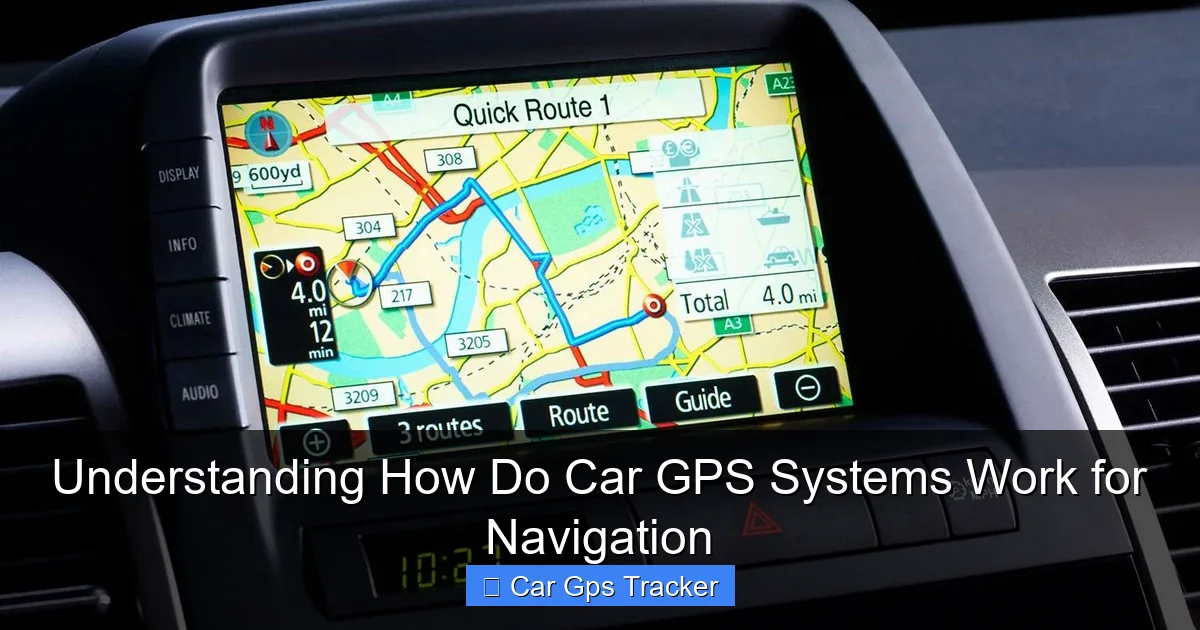
Visual guide about Understanding How Do Car GPS Systems Work for Navigation
Image source: facts.net
How GPS Systems Work
The functionality of car GPS systems relies on a network of satellites, ground stations, and your GPS receiver. Here’s a step-by-step breakdown:
1. Satellite Signals
GPS systems operate using a constellation of at least 24 satellites orbiting Earth. These satellites broadcast signals that include their location and the precise time the signal was transmitted.
2. Triangulation
Your GPS device uses a process called triangulation to determine your exact location. It calculates the distance from at least four satellites based on the time it takes for their signals to reach your device.
3. Mapping Data
Once your device knows where you are, it uses preloaded mapping data to display your location on a digital map. This mapping data includes streets, landmarks, and routing information.
4. Route Calculation
The GPS unit calculates the best route based on your current location and your destination. This involves algorithms that consider distance, road types, and current traffic conditions.
5. Turn-by-Turn Directions
As you drive, the GPS system provides turn-by-turn directions, alerting you when to make a turn or take an exit. It often includes voice prompts for hands-free operation.
Features of Car GPS Systems
Modern car GPS systems come packed with features that enhance navigation. Here are some common features:
1. Real-Time Traffic Updates
Many GPS systems can access real-time traffic information. This helps you avoid congested routes and find faster alternatives.
2. Points of Interest (POI)
GPS devices often include points of interest, such as gas stations, restaurants, and hotels. This feature is handy for planning stops along your route.
3. Voice Commands
Voice-activated controls allow you to operate your GPS without taking your hands off the wheel. This enhances safety and convenience.
4. Lane Guidance
Some systems provide lane guidance, showing you which lane to be in for upcoming turns or exits. This is particularly useful in complex intersections.
How to Use Your Car GPS Effectively
To get the most out of your car GPS, follow these simple steps:
1. Entering Your Destination
To start, turn on your GPS and input your destination. This can usually be done through a touchscreen interface. Make sure to enter the address correctly to avoid any navigation errors.
2. Adjusting Settings
Explore the settings menu to customize your experience. You can often choose between different route options, such as avoiding tolls or highways.
3. Keeping Software Updated
Regular updates are crucial for accurate navigation. Check for software updates periodically to ensure your maps and features are current.
4. Familiarize Yourself with Features
Take some time to explore the features of your GPS. Understanding how to access traffic updates, points of interest, and voice commands can make your trips more enjoyable.
5. Plan Ahead
If you’re heading to an unfamiliar area, plan your route before you start driving. This allows you to become familiar with potential challenges.
Troubleshooting Common GPS Issues
Even the best GPS systems can encounter issues. Here are some common problems and their solutions:
1. No GPS Signal
If your GPS isn’t receiving a signal, try moving to an open area away from tall buildings or trees. Sometimes, restarting the device can also resolve the issue.
2. Incorrect Directions
If the GPS is providing incorrect directions, check to ensure that your maps are updated. Re-entering your destination can also help reset the system.
3. Slow Performance
A slow GPS can often be remedied by clearing the device’s cache or performing a system reset. Make sure your software is up-to-date as well.
4. Battery Issues
If your GPS device is draining quickly, check the settings to reduce screen brightness or disable unnecessary features like Bluetooth.
Conclusion
Understanding how car GPS systems work can transform your driving experience. With the ability to provide accurate navigation, real-time traffic updates, and various features, GPS technology is essential for modern drivers. By following the tips and troubleshooting steps outlined in this guide, you can ensure that your GPS system operates smoothly and enhances your journeys. Happy driving!
🎥 Related Video: How GPS Works Today
📺 BRIGHT SIDE
Once upon a time, your ancestors used to look at the night sky to determine their location. Then we used a Thomas Guide, …
