In this guide, you will learn how to effectively use an OBD2 scanner Bluetooth for car diagnostics. With step-by-step instructions and practical tips, you will be able to troubleshoot and understand your vehicle’s performance like a pro. Make your car maintenance hassle-free!
Key Takeaways
- Understanding OBD2: OBD2 (On-Board Diagnostics) is a standardized system that monitors vehicle performance and emissions.
- Bluetooth Connectivity: A Bluetooth OBD2 scanner connects wirelessly to your smartphone or tablet for easy access to diagnostic data.
- App Selection: Choose a compatible app to interface with your Bluetooth scanner; popular options include Torque, Car Scanner, and BlueDriver.
- Reading Codes: Learn how to read and interpret diagnostic trouble codes (DTCs) to identify issues with your vehicle.
- Live Data Monitoring: Use your OBD2 scanner to view real-time data such as engine RPM, speed, and coolant temperature.
- Clearing Codes: After repairs, you can clear DTCs using the scanner, which can reset your check engine light.
- Troubleshooting Tips: If you encounter issues, check connections, app compatibility, and ensure your vehicle’s ignition is on.
Mastering How to Use OBD2 Scanner Bluetooth for Car Diagnostics
If you want to take control of your vehicle’s diagnostics, using an OBD2 scanner Bluetooth is a great way to start. In this guide, you’ll learn how to set up and use your scanner for effective car diagnostics. Whether you’re a seasoned mechanic or a DIY enthusiast, understanding OBD2 technology can help you maintain your vehicle’s performance.
What is an OBD2 Scanner?
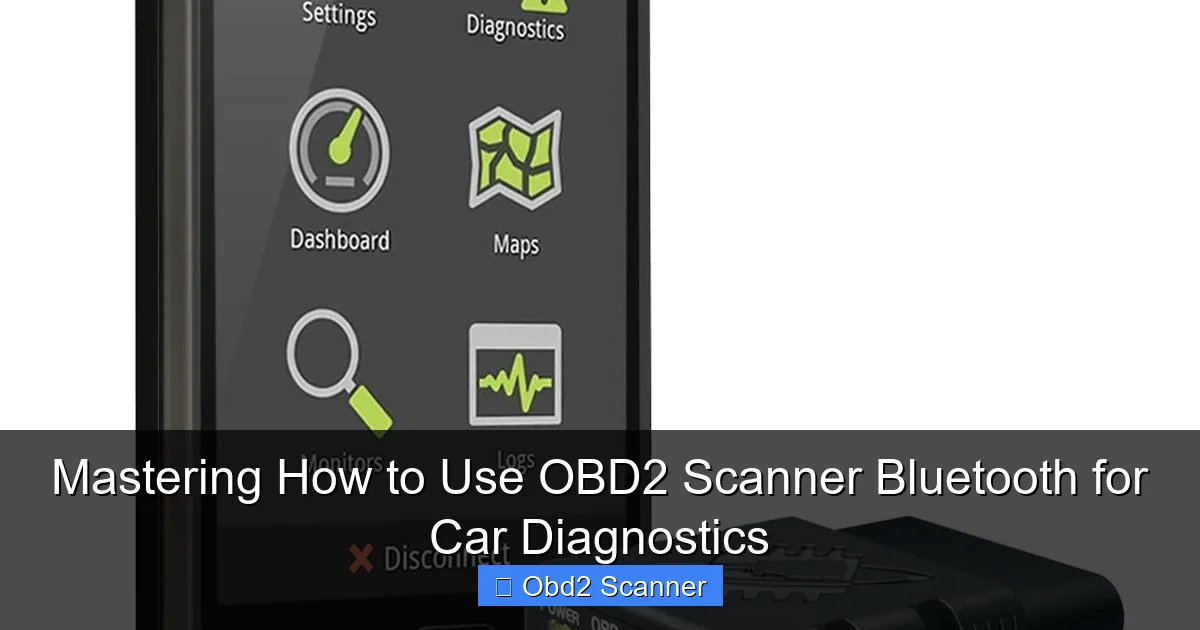
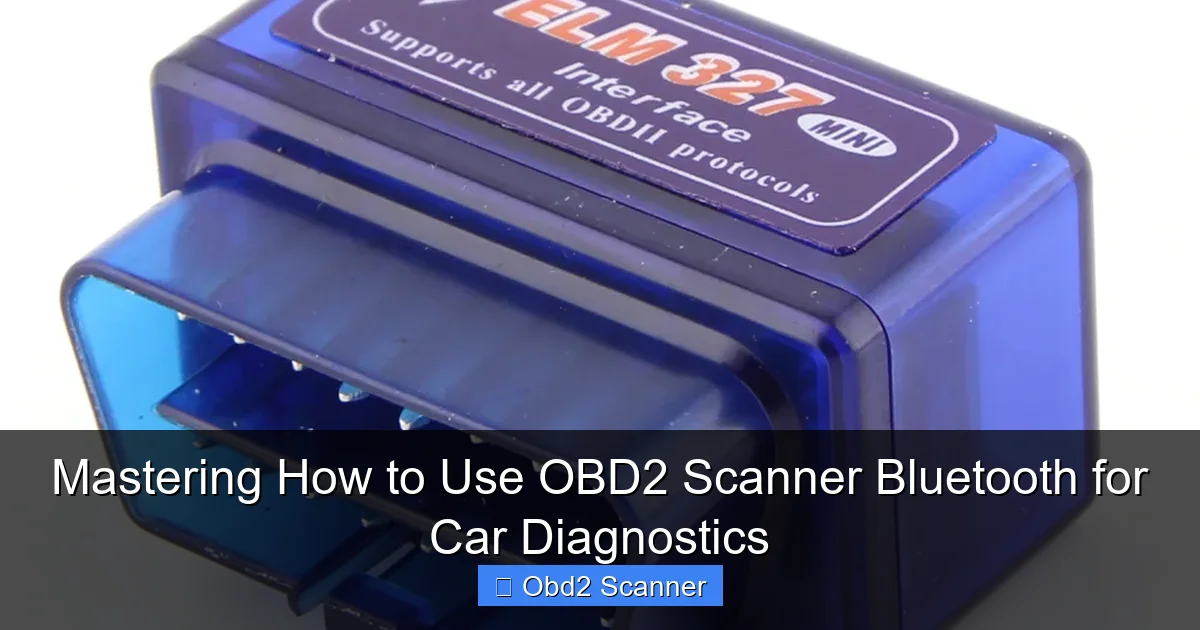
OBD2 stands for On-Board Diagnostics, version 2. It’s a standardized system that allows you to access information about your car’s engine and other vital systems. An OBD2 scanner is a tool that connects to your vehicle’s OBD2 port, usually located under the dashboard. Bluetooth OBD2 scanners offer a wireless connection to your devices, making it easier to read codes and monitor performance.
Visual guide about Mastering How to Use OBD2 Scanner Bluetooth for Car Diagnostics
Image source: totalcardiagnostics.com
Why Use a Bluetooth OBD2 Scanner?
Bluetooth OBD2 scanners are user-friendly and convenient. They allow you to wirelessly connect your scanner to your smartphone or tablet, giving you access to real-time data and diagnostic trouble codes (DTCs) without the hassle of wires. This flexibility enables you to diagnose issues on-the-go and store data for future reference.
Visual guide about Mastering How to Use OBD2 Scanner Bluetooth for Car Diagnostics
Image source: ramonsgadgets.com
How to Set Up Your OBD2 Scanner Bluetooth
Setting up your OBD2 scanner Bluetooth is a straightforward process. Follow these steps:
Visual guide about Mastering How to Use OBD2 Scanner Bluetooth for Car Diagnostics
Image source: m.media-amazon.com
Step 1: Purchase a Compatible OBD2 Scanner
Before you can begin, ensure that you have a Bluetooth OBD2 scanner that is compatible with your vehicle. Look for scanners that support the OBD2 protocols and check user reviews for reliability.
Step 2: Download the Required App
Next, you’ll need a mobile app to connect to your scanner. Some popular options include:
- Torque: A user-friendly app that provides a wealth of information and customization options.
- Car Scanner: Offers a straightforward interface and diagnostic capabilities.
- BlueDriver: A professional-grade app that can provide advanced features.
Step 3: Locate Your OBD2 Port
Find the OBD2 port in your vehicle. It is typically located under the dashboard near the driver’s seat. If you’re unsure, consult your vehicle’s manual or look online for the specific location for your model.
Step 4: Plug in the OBD2 Scanner
Insert the OBD2 scanner into the port. Ensure it is securely connected before moving on to the next step.
Step 5: Turn on Your Vehicle
For most scanners, you need to turn the ignition key to the “On” position (not necessarily starting the engine) to power the OBD2 scanner.
Step 6: Enable Bluetooth on Your Device
On your smartphone or tablet, turn on Bluetooth. Make sure your device is discoverable so it can locate the OBD2 scanner.
Step 7: Connect to the Scanner
Open the app you downloaded and follow the prompts to connect to your OBD2 scanner. This usually involves selecting the scanner from a list of Bluetooth devices.
Using Your OBD2 Scanner Bluetooth
Once connected, you can start using your OBD2 scanner to diagnose your vehicle.
Step 1: Read Diagnostic Trouble Codes (DTCs)
Navigate to the section in the app that allows you to read DTCs. The scanner will retrieve any trouble codes stored in your vehicle’s computer. These codes can help identify issues such as sensor failures or engine problems.
Step 2: Interpret the Codes
Each DTC corresponds to a specific issue. Refer to online resources or the app’s database to understand what the code means. This will guide you in diagnosing the problem.
Step 3: View Live Data
Many apps allow you to monitor live data from your vehicle. You can check parameters like RPM, throttle position, speed, and coolant temperature in real time. This information can be invaluable for diagnosing issues as they happen.
Step 4: Clear Codes
After addressing any issues, you can clear the DTCs using your OBD2 scanner. This action usually resets the check engine light. Be cautious, though; ensure that the problem is fixed before clearing the codes.
Practical Tips for Using OBD2 Scanners
To get the most out of your OBD2 scanner Bluetooth, keep these tips in mind:
- Keep Your App Updated: Regularly update your app to ensure compatibility and access to the latest features.
- Familiarize Yourself with Common Codes: Learn about common DTCs so you can quickly identify issues.
- Use Vehicle-Specific Resources: Some apps provide vehicle-specific information that can help with diagnostics.
- Don’t Ignore Check Engine Lights: If the check engine light is on, it’s crucial to use your scanner to diagnose the issue promptly.
Troubleshooting Common Issues
If you encounter problems while using your OBD2 scanner Bluetooth, consider the following troubleshooting steps:
- Scanner Not Connecting: Ensure Bluetooth is enabled on your device and that the scanner is properly plugged into the OBD2 port.
- App Crashing: Check for app updates or reinstall the app if it continues to crash.
- No Codes Found: Verify that your vehicle is OBD2 compliant and that the ignition is in the correct position.
- Inaccurate Data: Ensure that the scanner is compatible with your vehicle model and that all connections are secure.
Conclusion
Using an OBD2 scanner Bluetooth for car diagnostics is an empowering skill that can save you time and money on vehicle maintenance. By understanding how to set up and use your scanner, you can easily identify issues and monitor your car’s performance. With practice, you’ll become proficient in interpreting codes and utilizing live data for better vehicle management. Start mastering your car diagnostics today!
🎥 Related Video: Using an OBD2 Diagnostic Scanner Tool with Torque Pro Smartphone App
📺 ScrewsNutsAndBolts
How to clear the fault codes on your vehicle using an OBD2 bluetooth diagnostic scanner tool and Torque Pro Smartphone App.
