
Is an OBD2 scanner worth it for car owners? In this guide, we’ll explore how an OBD2 scanner can help you diagnose issues, save on repair costs, and enhance your vehicle maintenance knowledge. Learn how to choose the right scanner and troubleshoot common problems effectively.
Key Takeaways
- Cost Savings: Using an OBD2 scanner can save you hundreds on diagnostic fees and repairs.
- DIY Maintenance: Empower yourself to perform basic troubleshooting and maintenance tasks with ease.
- Understanding Your Vehicle: Gain insights into your car’s performance and health through real-time data.
- Choosing the Right Scanner: Different models offer varied features; choose one that suits your needs.
- Easy Troubleshooting: Quick diagnosis of common issues helps avoid unnecessary visits to the mechanic.
- Informed Decisions: Make better choices regarding repairs and parts based on accurate data.
- Future-Proofing: An OBD2 scanner is a valuable tool for any car owner, especially as vehicles become more advanced.
Is OBD2 Scanner Worth It for Car Owners Looking to Save Money
If you’re a car owner, you’ve probably faced the frustration of unexpected repairs and costly trips to the mechanic. The good news is that you can take control of some of these expenses with an OBD2 scanner. In this guide, we’ll explore what an OBD2 scanner is, how it works, and how it can benefit you as a car owner. By the end of this article, you’ll understand if an OBD2 scanner is worth your investment.
What is an OBD2 Scanner?
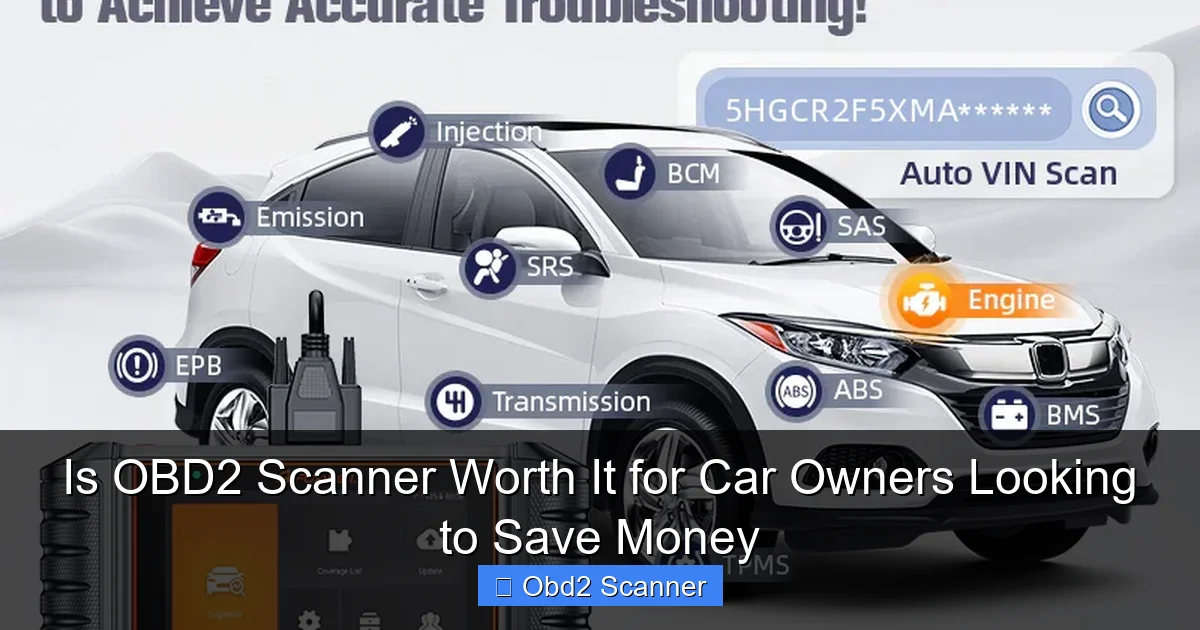
OBD2 stands for On-Board Diagnostics, version 2. This system is built into most vehicles manufactured after 1996. It monitors your vehicle’s performance and provides diagnostic trouble codes (DTCs) when something goes wrong. An OBD2 scanner is a device that reads these codes and translates them into understandable information, allowing you to diagnose issues with your vehicle.
Visual guide about Is OBD2 Scanner Worth It for Car Owners Looking to Save Money
Image source: cdn.shopify.com
How an OBD2 Scanner Works
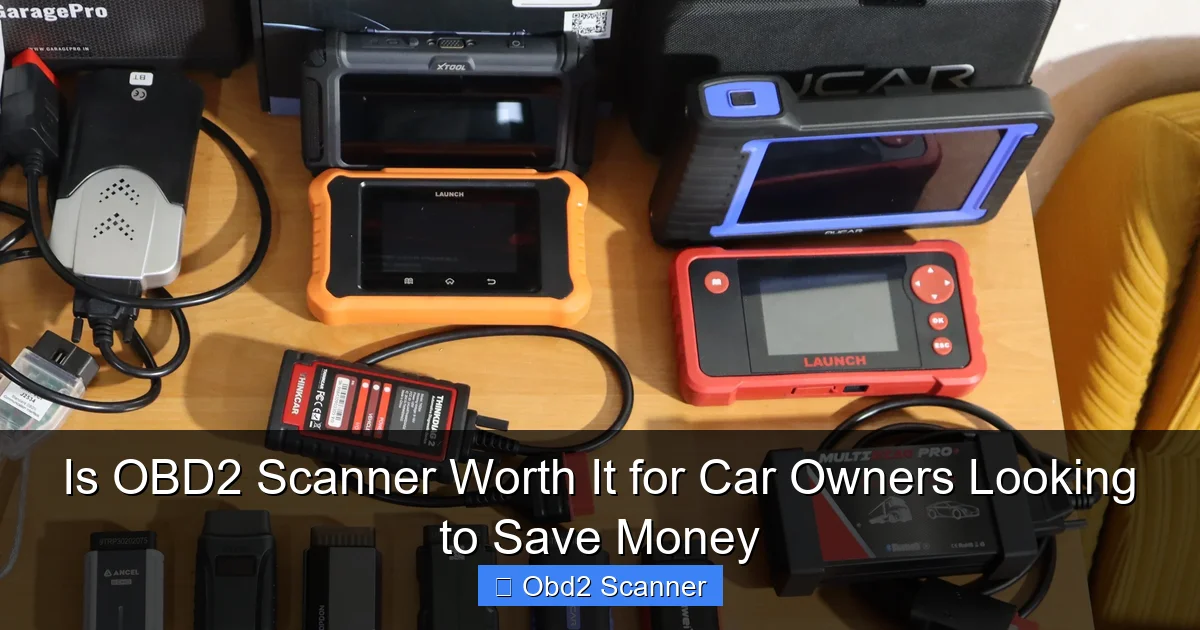
Understanding how an OBD2 scanner works can help you appreciate its value. Here’s a breakdown:
Visual guide about Is OBD2 Scanner Worth It for Car Owners Looking to Save Money
Image source: iamcarhacker.com
Step 1: Connecting the Scanner
Locate the OBD2 port in your vehicle, usually found beneath the dashboard on the driver’s side. Plug in the scanner.
Step 2: Powering Up
Turn on your vehicle’s ignition, but don’t start the engine. This powers up the scanner.
Step 3: Reading Codes
Follow the scanner’s prompts to read diagnostic trouble codes. These codes will indicate any issues detected by the vehicle’s computer system.
Step 4: Interpreting Results
Use the scanner’s reference guide or an online database to interpret the trouble codes. This will give you insights into what might be wrong with your vehicle.
Benefits of Owning an OBD2 Scanner
Let’s discuss why having an OBD2 scanner can be beneficial for you.
Visual guide about Is OBD2 Scanner Worth It for Car Owners Looking to Save Money
Image source: m.media-amazon.com
1. Cost Savings
Taking your vehicle to the mechanic for diagnostic tests can be expensive. Many shops charge upwards of $100 just to read the codes. By owning an OBD2 scanner, you can perform this task for free. This savings can quickly add up, especially if you need to visit the mechanic multiple times.
2. Empowering DIY Repairs
With an OBD2 scanner, you can troubleshoot and diagnose basic issues yourself. For example, if your check engine light comes on, you can use the scanner to determine if it’s a minor issue, like a loose gas cap, or something more serious, like a failing sensor. This knowledge empowers you to make informed decisions about repairs.
3. Understanding Vehicle Performance
Many OBD2 scanners provide real-time data about your vehicle’s performance. You can monitor parameters like engine temperature, RPM, and fuel efficiency. This information can help you optimize your driving habits and maintain your vehicle more effectively.
4. Easy Troubleshooting for Common Issues
With a scanner, you can quickly diagnose common problems. For instance, if your car is stalling, you can check the codes to see if there’s an issue with the fuel system or ignition. This can save you time and money by enabling you to address issues before they escalate.
5. Informed Decision-Making
When you have accurate data about your vehicle, you can make better decisions regarding repairs. You won’t have to rely solely on a mechanic’s diagnosis, which can sometimes be influenced by their own agenda. This transparency can save you money and ensure your vehicle receives the right care.
6. Future-Proofing Your Vehicle Maintenance
As vehicles become more complex with advanced technology, having an OBD2 scanner allows you to stay ahead of potential issues. It can help you diagnose problems that may arise from newer systems, making it a valuable tool for years to come.
Choosing the Right OBD2 Scanner
Not all OBD2 scanners are created equal. When selecting one, consider the following:
1. Basic vs. Advanced Scanners
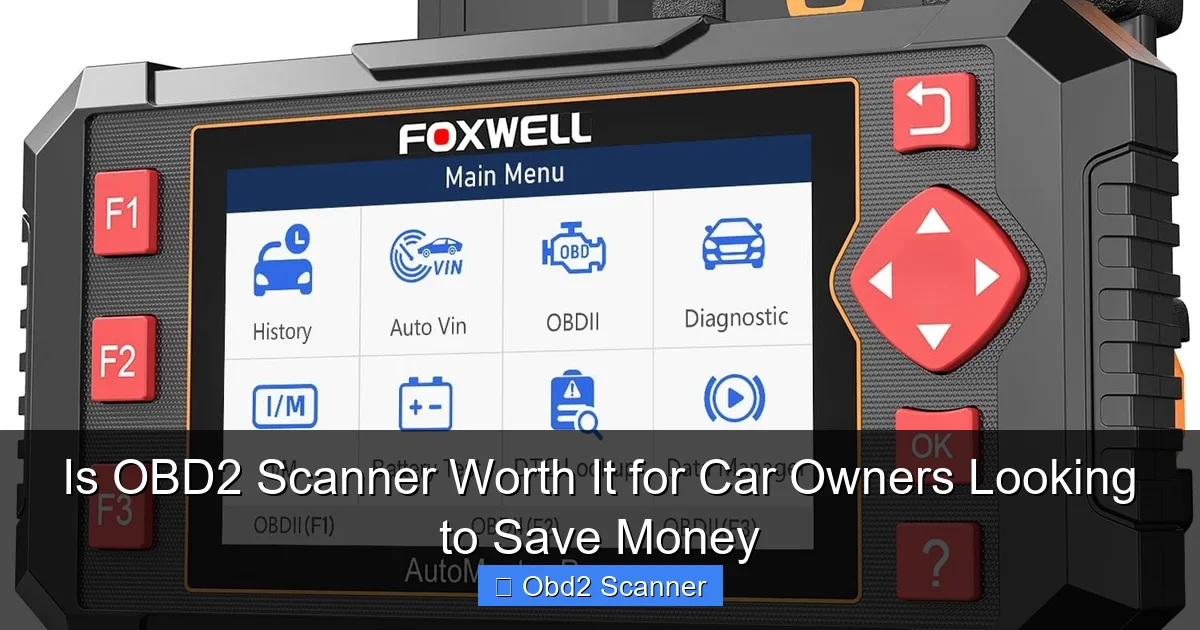
Basic scanners typically read and clear codes, while advanced scanners can provide live data and perform advanced diagnostics. If you’re looking for simple troubleshooting, a basic scanner may suffice. However, if you want to perform more in-depth diagnostics, invest in an advanced model.
2. Features to Look For
- Live Data: Check real-time data for better diagnosis.
- Compatibility: Ensure it’s compatible with your vehicle make and model.
- Updates: Look for a scanner that receives regular updates for new codes.
- User-Friendly Interface: A simple interface can make diagnostics easier.
3. Budget Considerations
OBD2 scanners range in price from $20 to several hundred dollars. Determine your budget and choose a scanner that meets your needs without breaking the bank.
Practical Tips for Using Your OBD2 Scanner
Here are some practical tips to get the most out of your OBD2 scanner:
- Regular Checks: Make it a habit to check your vehicle’s codes regularly, even if the engine light isn’t on.
- Document Your Findings: Keep a log of the codes you read and the actions you take. This can help you track recurring issues.
- Learn About Your Vehicle: Take the time to understand the codes and what they mean. This knowledge is invaluable for effective troubleshooting.
Troubleshooting Common Problems
Sometimes, you may encounter issues while using your OBD2 scanner. Here are some common problems and solutions:
Problem 1: Scanner Won’t Connect
If your scanner won’t connect, ensure that it’s properly plugged into the OBD2 port and that your vehicle is powered on. Also, check the scanner’s battery if it’s a portable model.
Problem 2: Inaccurate Codes
Sometimes, a scanner may return false or inaccurate codes. If this happens, try using a different scanner to verify the codes, or consult a professional for a second opinion.
Problem 3: Software Updates
Many modern scanners require software updates to function correctly. Regularly check for updates to ensure you have the latest features and codes.
Conclusion
So, is an OBD2 scanner worth it for car owners looking to save money? Absolutely! Not only can it help you save on diagnostic fees and empower you to perform basic repairs, but it also enhances your understanding of your vehicle. By investing in an OBD2 scanner, you take a proactive approach to vehicle maintenance, leading to long-term savings and better vehicle performance. Whether you’re a seasoned DIYer or a novice car owner, having an OBD2 scanner is a smart choice.
🎥 Related Video: Cheap vs Expensive OBD2 Scanners – One Stood Out!
📺 Project Farm
Brands: Foxwell, Autophix, Autel, Ancel, Motopower, Launch Creader, LeeKooLuu. Code readers/scanners compared for overall …
