
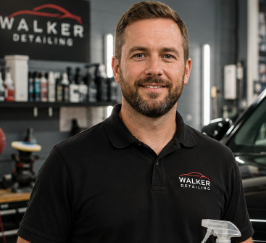
You want a clear price answer and simple guidance so you can pick the right kit fast. Basic car cleaning kits usually cost $15–$40, while mid-range kits run $40–$120 and premium or professional kits can reach $150–$400 or more depending on included tools and chemicals. Tech9AutoRepair’s James Walker notes that multi-piece kits with polishers, specialty cleaners, and protective products raise the price but often save time and give longer-lasting results.
If you want to save money, choose a kit that matches the tasks you actually do—interior-only, exterior wash and wax, or full detailing. Consider long-term value: better pads, concentrated cleaners, and protective coatings can cost more upfront but reduce repeat purchases and protect paint and interiors.
Key Takeaways
- Kits range from roughly $15 to $400 depending on contents and quality.
- Pick a kit based on the jobs you do and the protections you need.
- Spending more can mean better tools and longer-lasting results.
Types of Car Cleaning Kits
Car cleaning kits vary by what they include, how much they cover, and whether they use power tools. Readers will find simple, low-cost kits for quick cleanups and larger kits that include specialty cleaners, pads, and electrical tools for deeper work.
Basic Kits Versus Comprehensive Kits
Basic kits target quick maintenance. They usually include a car wash soap, a microfiber towel, a sponge or wash mitt, and a tire cleaner or dressing. These kits cost less and work well for routine washes and light interior wipe-downs.
Comprehensive kits aim to replace many single-purpose purchases. They often contain multiple sprays (all-purpose cleaner, glass cleaner, leather conditioner), several microfiber towels of different weaves, applicator pads, a detailing brush set, and a wax or sealant. These kits usually cost more but reduce the need to buy separate products later.
Use this quick comparison table to choose based on needs and budget:
| Feature | Basic Kit | Comprehensive Kit |
|---|---|---|
| Typical price range | $10–$40 | $40–$200+ |
| Common contents | Soap, mitt, towel, tire shine | Multiple cleaners, towels, pads, wax |
| Best for | Quick washes, budget buyers | Enthusiasts, deep cleaning, long-term value |
Specialized Kits for Interior or Exterior
Interior kits focus on fabric and surfaces inside the car. They include fabric shampoos, upholstery brushes, odor eliminators, trim protectants, and vinyl or leather conditioners. These kits remove stains, reduce odors, and protect dashboards and seats from cracking.
Exterior kits center on paint, wheels, and glass. Expect car shampoo, clay bars, polish, wax or sealant, tire cleaner, and wheel brushes. Some exterior kits also include paint-safe clay and buffing pads for removing light defects.
Consumers should match the kit to specific problems. For example, a pet-owner should prioritize upholstery shampoo and odor control. A buyer worried about paint finish should look for polish, clay, and sealant in the exterior kit.
Electric and Manual Cleaning Tools
Manual tools remain essential: microfiber towels, foam applicators, brushes, and sponges handle most tasks. They require more time and elbow grease but cost less and give precise control for small areas.
Electric tools speed up work and improve results on paint and upholstery. Common items include portable cordless polishers, wet-dry vacuums, and electric scrubbers. These tools range from $30 for basic scrubbers to $200+ for quality polishers and vacuums.
Consider power source and space. Cordless tools give mobility but need charging. Larger vacuums and polishers often deliver better performance for frequent detailers. Match the tool type to how often they will clean and the level of finish they want.
Factors Influencing Price
Price depends on three main things: the maker’s reputation, what’s inside the kit, and where it’s bought. These drive whether a kit costs under $20 or over $150.
Brand Reputation
Brand names affect price a lot. Established brands like Chemical Guys, Adam’s, and Meguiar’s charge more because they spend on testing, warranties, and marketing. Buyers often pay extra for proven formulas and consistent results.
Smaller or store brands cost less but can be hit-or-miss. They may cut costs on concentrated formulas, scent, or packaging. For many buyers, paying more for a trusted brand reduces the chance of paint or interior damage.
Professional-detailing brands also offer trade-only lines and more active ingredients. These are priced higher but give longer lasting protection or easier application. Brand reputation also affects resale value of remaining unopened kits.
Kit Contents and Quality
A kit with only a spray cleaner and microfiber cloth will cost much less than one that includes shampoo, wax, wheel cleaner, polish, applicators, and several towels. Volume matters too: 16 oz bottles cost more than sample-size 4 oz bottles.
Higher-quality components raise prices. Examples: plush microfiber vs thin cloths, dual-action applicators vs basic foam pads, and pH-balanced cleaners vs generic detergents. Specialty items such as ceramic-coating drops, leather conditioners, or clay bars add significant cost.
Packaging and included tools change value. Refillable bottles, labeled instructions, and foam dispensers increase convenience and price. Buyers should compare ingredient lists and included tool types to match kit choice to their needs.
Retailer and Purchase Method
Where and how a kit is bought changes the final price. Online marketplaces often run promotions, bundles, and free-shipping thresholds that lower per-kit cost. Direct-from-manufacturer sales may include exclusive formulations or starter discounts.
Big-box stores and auto chains sometimes sell cheaper private-label kits. These sell at lower margins but offer easy returns. Specialty auto stores charge more but may provide staff advice and demos.
Buying single items versus bundles affects cost per unit. Subscribing to refill programs or buying concentrate versions reduces long-term cost. Seasonal sales, coupon codes, and clearance sections can cut price significantly.
Price Ranges for Popular Kit Categories
Kits vary by price, contents, and intended user. Expect basic wash-and-wax sets at low cost, more complete bundles in the middle, and heavy-duty kits for pros at the high end.
Starter Kits
Starter kits typically cost between $10 and $35.
They include a small car shampoo bottle, a basic wax or spray wax, a microfiber cloth, and a sponge or wash mitt. These kits suit someone who washes the car every few weeks and wants quick, visible results without extra tools.
Contents focus on ease of use rather than quantity. Bottles are often 8–16 oz, enough for several washes but not long-term use. Brands at this level are common at big-box stores and online marketplaces.
A simple HTML table helps compare features:
| Price | Typical Items | Good For |
|---|---|---|
| $10–$35 | Shampoo, small wax, microfiber, sponge | Routine light cleaning, quick shine |
Mid-Range Kits
Mid-range kits usually cost $35 to $100.
They add more specialized cleaners: interior cleaner, glass cleaner, tire shine, clay bar, and multiple applicators. Bottle sizes are larger, often 16–32 oz, so the kit lasts longer.
These kits aim for a fuller maintenance routine. A detailer at home can remove light contaminants, restore trim, and protect paint for months. They often include instructions and a mix of tools like brushes and microfiber towels.
A clear benefit is value: one purchase covers washing, decontamination, waxing, and interior care. This level fits owners who take care of appearance regularly and want better results without professional help.
Professional-Grade Kits
Professional-grade kits range from $100 to $400 or more.
They include concentrated chemicals, polish compounds, pads, multiple microfiber towels, and sometimes a dual-action polisher. Kit components target paint correction, long-term protection, and heavy contamination removal.
Concentrates let users mix larger volumes for repeated use. Polishing compounds and pads allow for swirl removal and gloss restoration. Professionals and serious enthusiasts choose these kits for consistent, high-quality results and durability.
A short table highlights differences versus mid-range kits:
| Price | Added Items | Who Should Buy |
|---|---|---|
| $100–$400+ | Concentrates, polishes, pads, DA polisher options | Detailers, enthusiasts seeking paint correction |
Notable Brands and Their Offerings
These brands sell kits that range from basic wash-and-wax sets to full detailing bundles. Prices often reflect kit size, included tools, and product quality.
Meguiar’s
Meguiar’s focuses on balance between performance and ease of use. Their kits often include a car wash shampoo, quick detailer, clay bar, and a finishing wax or sealant. Kits aimed at enthusiasts add applicator pads, microfiber towels, and an instruction sheet.
Meguiar’s products tend to sit in the mid to upper price range. A basic wash kit can cost around $25–$50. More complete detailing kits with clay and polish commonly fall in the $60–$120 range.
Key points in an at-a-glance HTML table:
| Kit Type | Common Contents | Typical Price |
|---|---|---|
| Basic Wash | Shampoo, microfiber | $25–$50 |
| Detailing | Clay, polish, sealant, towels | $60–$120 |
Chemical Guys
Chemical Guys targets both hobbyists and professionals with wide-ranging kit options. Their kits often include specialized cleaners: pH-balanced shampoo, foam cannon soap, all-purpose cleaner, leather care, and separate interior protectants.
They offer tiered kits: starter kits under $50, intermediate bundles around $60–$100, and professional kits above $120. Many kits emphasize fragrance options and concentrated formulas that dilute for multiple uses.
Chemical Guys also bundles tools like foam guns, dual-action pads, and several microfiber cloths. Buyers who plan repeat detailing may save money with concentrated products that produce many gallons of usable solution.
Turtle Wax
Turtle Wax emphasizes value and accessibility. Their kits typically focus on core needs: wash shampoo, spray wax or liquid wax, glass cleaner, and basic interior cleaner. Kits often include sponges or applicators and a set of towels.
Prices skew toward budget-friendly ranges. Basic kits can cost $15–$40, which makes them common for casual users or first-time detailers. Mid-tier Turtle Wax kits with added polish or sealant sit around $40–$80.
Turtle Wax products aim for easy, fast results. The brand often markets single-step products that combine cleaning and protection, which suits users who want fewer steps and simpler maintenance.
Single-Use Products Versus Multi-Item Kits
Single-use products target one task — wheel cleaner, glass spray, or tyre dressing. They cost less per bottle and work well when a specific issue needs fixing.
Multi-item kits bundle many products like shampoo, interior cleaner, towels, and wax. They often cost more up front but give a complete set for one purchase.
Pros of single-use:
- Lower price per product.
- Easier to replace only what runs out.
- Good for focused jobs or spot repairs.
Pros of kits:
- Convenience: everything arrives together.
- Better value if multiple items are needed.
- Kits often include tools (brushes, applicators) that single bottles lack.
A simple cost comparison helps decide. A single specialty cleaner might be $5–$15. A basic kit with several items can range from about $20 to $100, while premium kits climb higher. Prices vary by brand, quantity, and towel/tool quality.
They should weigh frequency and goals. Someone who washes the car weekly may prefer a kit for consistency. Occasional users might save by buying only the single-use items they truly need.
Carefully check what each kit contains. Duplicate or low-quality extras can lower value. Choosing between single items and a kit depends on budget, tasks, and how often they clean the vehicle.
Regional and Market Variations
Prices for car cleaning kits change with brand origin, retail channel, and local taxes. Urban buyers often pay more for premium kits, while rural shoppers may find fewer options and lower-cost basics.
Local Versus International Brands
Local brands usually sell simpler kits with 3–6 items: basic shampoo, interior cleaner, a microfiber cloth, and sometimes a wax. These kits often cost $10–$30 and fit routine cleaning needs. Local makers cut prices by using regional supply chains and simpler formulas.
International brands offer larger kits with specialized products—paint safe polishes, clay bars, leather conditioners—and branded tools. These kits range from $30 for starter bundles to $150+ for pro-level sets. Import fees and stronger marketing push prices up. Buyers in countries with high import tariffs should expect international kits to cost 20–50% more than domestic equivalents.
Shoppers focused on vehicle protection often choose international brands for testing and certifications. For product background and standards, readers can check general cleaning product info on related Wikipedia pages.
Online Versus In-Store Purchase
Online marketplaces list thousands of kits, letting buyers compare prices, read many reviews, and find discounts. Shipping costs and delivery time affect final price; expedited shipping can add $10–$30. Online-only brands sometimes offer subscription discounts or bundle deals that drop per-kit cost by 10–25%.
In-store shopping gives immediate access and lets buyers inspect packaging and tools. Big-box stores and auto parts retailers often carry mid-range kits priced $15–$60 and run seasonal promotions. Local stores may bundle services or demos, which add value without raising price. Returns are easier in-person for damaged items, while online returns can require shipping labels and wait times.
For verified product ratings and buying tips, shoppers may consult trusted review sites and retailer pages before deciding.
Additional Costs and Value Considerations
Buyers should expect ongoing costs beyond the kit price, like liquid refills and tool replacements. They should also weigh warranty terms and the vendor’s support when judging long-term value.
Replacement and Refill Expenses
Many kits include single-use items and limited amounts of chemicals. Common refills: car shampoo (16–32 oz), wax or sealant (8–16 oz), leather cleaner/conditioner (8–16 oz), glass cleaner (12–32 oz), and detailing clay bars (one or two bars). Average refill costs range from $5 for glass cleaner to $20–$30 for specialty sealants.
Brushes, towels, and applicators wear out with use. Microfiber towels cost about $2–$8 each. Polishing pads and foam applicators often need replacement after several uses, at $5–$15 apiece. Vacuums or pressure washers sold with kits may need filters or hoses replaced, adding $10–$60 over time.
To budget, estimate annual refill and replacement costs at 10–50% of the kit’s initial price depending on use frequency and product quality. Frequent detailers will pay more; casual users pay less.
Warranty and Customer Support
Warranty length and coverage vary by brand and product type. Consumer-grade chemicals rarely have long warranties, but tools like battery vacuums, polishers, and pressure washers commonly include 1–3 year warranties. Buyers should check what parts and labor the warranty covers and whether it requires registration.
Customer support matters for defective items and replacement parts. Brands with clear contact channels, online parts lists, and accessible return policies save time and money. Reviews often reveal whether a company honors claims quickly.
When choosing a kit, compare warranty terms and read return-policy fine print. Strong support reduces hidden costs from early failures and makes higher upfront prices easier to justify.
FAQS
What does a car cleaning kit usually include?
Most kits include a car wash soap, microfiber towels, a sponge or wash mitt, tire cleaner, and glass cleaner. Higher-end kits add wax, polish, wheel cleaner, and applicator pads.
How much do kits cost?
Basic kits range from $15–$40. Mid-range kits cost $40–$100. Premium or complete detailing kits can run $100–$300 or more depending on brand and number of products.
Are cheap kits worth it?
They work for light cleaning and quick touch-ups. They may lack specialized products for paint correction or long-term protection.
Does one kit work for every vehicle?
Many kits suit cars, trucks, and SUVs for general cleaning. Large vehicles or specialty finishes might need extra or different products.
How often should someone use a kit?
A simple wash every 1–2 weeks keeps a car clean. Waxing or sealing every 2–6 months helps protect paint.
Are professional details cheaper than DIY?
DIY is usually cheaper for regular maintenance. Professional detailing costs more but offers deep cleaning and specialized equipment.
What should someone consider when buying?
Look for balanced value: quality cleaners, enough quantity, and tools like towels or applicators. Read product labels for safe use on paint, trim, and glass.
Is it better to buy a bundle or individual items?
Bundles save time and can be cost-effective for starters. Experienced users often prefer buying specific, higher-quality products individually.
Conclusion
A car cleaning kit can cost as little as $15 for a basic set and rise to $100 or more for a full, professional-grade bundle. Most people find good value in mid-range kits that cost $25–$60 and include cleaners, wax, and a few tools.
Buyers should match the kit to their needs. A simple kit suits occasional touch-ups, while an advanced kit helps with regular detailing and longer paint protection.
Price often reflects quantity and quality of products rather than magic results. Spending more can save time and replace fewer products, but it does not guarantee professional-level results without proper technique.
They should also watch for bundle deals and starter packs from trusted brands. Buying a kit can be cheaper than buying each item separately and helps beginners get the right basic tools.
Suggested quick checklist:
- Intended use: light cleaning vs. full detailing
- Key contents: wash soap, microfiber towels, wax/sealant
- Brand reputation and reviews
- Budget vs. long-term use
This helps readers pick a kit that fits their budget and keeps their car well maintained without unnecessary cost.
