
You can expect a basic interior clean to take about 30 minutes to an hour, while a full professional interior detail typically runs 2 to 5 hours depending on vehicle size and condition. If the car has heavy soiling, pet hair, or stains, plan on the longer end or more, since those need extra time and attention.
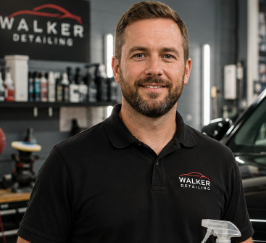
Tech9AutoRepair’s certified technician James Walker notes that simple weekly upkeep—vacuuming and wiping surfaces—keeps deep cleans shorter and cheaper. He adds that choosing a professional for stain removal, odor treatment, or upholstery restoration saves time and reduces risk to fabrics and trims.
Key Takeaways
- Basic interior cleans usually finish within an hour.
- Full details commonly take two to five hours, longer for heavy soil.
- Regular maintenance cuts total cleaning time and cost.
Factors That Impact Cleaning Duration
Several concrete factors determine how long an interior clean will take: the vehicle’s size, how dirty it is, the materials inside, and any extra services requested. Each factor can add minutes or hours, so knowing them helps set realistic time expectations.
Vehicle Size and Type

Vehicle size directly affects cleaning time. Compact cars usually take less time because there is less floor space, fewer seats, and smaller cargo areas to vacuum, shampoo, and wipe down. A small sedan might need 1.5–3 hours for a full interior clean depending on condition.
Mid-size sedans, crossovers, and small SUVs add about 30–60 minutes due to larger cabin volume and more surface area. Full-size SUVs, vans, and pickup cabs often require 3–6 hours for a comparable level of detail. Long cargo areas, third-row seats, or complex seat folds increase steps and drying time.
Commercial or specialty vehicles (work vans, limo-style interiors) can take longer because of built-in storage, heavy soiling, or awkward shapes. Technicians adjust tools and workflows for size, which changes overall labor and time.
Level of Interior Dirt and Stains
Light dust and crumbs usually add only 15–45 minutes to a basic clean. Dirt that’s ground into carpets, heavy pet hair, sticky spills, or food residue requires more effort and time. Stain removal may need pre-treatment, agitation, and extraction cycles that extend the job by 30–90 minutes.
Odor problems (smoke, mildew, urine) add time for deep-cleaning methods like enzyme treatments, ozone, or extended shampooing. Sand, salt, and grit trapped in seams slow down vacuuming and may need repeated passes. If a technician finds mold or extensive water damage, the time can jump significantly because of sanitation and drying steps.
Below is a quick comparison of typical added time for common conditions:
| Condition | Typical Extra Time |
|---|---|
| Light dust & crumbs | +15–45 minutes |
| Pet hair & moderate stains | +30–90 minutes |
| Heavy soiling or odors | +1–3 hours |
Type of Interior Materials
Different materials need different products and techniques, which changes time. Cloth seats and fabric carpets usually require shampooing and extraction. That adds time for lathering, agitation, and drying cycles. Loomed or high-pile carpets hold more dirt and take longer to clean.
Leather seats need gentle cleaners, conditioners, and careful brushing. Leather can take extra time to clean properly without damaging the surface, typically adding 20–45 minutes for a full leather interior. Vinyl and hard plastics clean quickly with wipe-downs and protectants, but textured surfaces trap dirt and require brushes.
Delicate trims like suede, alcantara, or real wood require specialized care and slower methods. Technicians often use slower, targeted work for those areas to avoid damage, which increases labor time.
Special Requirements or Add-ons
Add-ons extend total time beyond a basic interior clean. Common extras include carpet shampooing, upholstery extraction, stain removal, pet-hair removal, odor treatment, and engine-bay cleaning. Each add-on often adds 20 minutes to 2 hours depending on intensity.
For example, a full upholstery shampoo with extraction can add 45–90 minutes. Pet-hair removal with specialized tools may add 30–60 minutes. Ozone or deep odor remediation can require equipment run-time of 1–4 hours, during which the vehicle is unavailable.
Service providers may list add-on times like this:
| Add-on | Typical Time Added |
|---|---|
| Carpet/upholstery extraction | +45–90 minutes |
| Pet-hair removal | +30–60 minutes |
| Odor remediation (ozone/enzyme) | +1–4 hours |
Types of Interior Cleaning Services
Most interior cleaning options focus on surface cleaning, deep fabric care, or removing smells. Each service varies in tools, time, and cost.
Basic Vacuum and Wipe Down
This service covers vacuuming carpets, mats, and seats, plus wiping hard surfaces like the dash, door panels, and center console. Technicians use a crevice tool for tight spots and a microfiber cloth with an all-purpose cleaner for dust and light grime. Windows and mirrors receive a streak-free wipe.
Basic jobs usually take 30 minutes to 1.5 hours for a compact car, depending on clutter and pet hair. Add-ons like pet hair removal or stain spot treatment increase time. This level restores daily appearance but won’t remove deep stains or set-in odors.
Deep Cleaning and Shampooing
Deep cleaning includes shampooing carpets, fabric seats, and floor mats with hot water extraction or foam cleaners. Technicians lift dirt embedded in fibers and then extract moisture to speed drying. Leather seats get specialized cleaners and conditioners instead of shampoo.
Expect 2 to 5 hours for a full deep interior clean on an average car; larger vehicles or heavy staining can take longer. The process often includes steam cleaning for crevices and vents, and a focused stain treatment plan. Drying time matters—cars may need paint protection or cloth covers to avoid re-soiling while damp.
| Service | Typical Time | Best For |
|---|---|---|
| Basic Vacuum & Wipe | 30–90 minutes | Light dirt, daily maintenance |
| Deep Cleaning & Shampoo | 2–5 hours | Stains, heavy soil, fabric restoration |
Odor Elimination Treatments
Odor treatments target smells from smoke, pets, mildew, or food. Technicians first identify the source, then choose methods like ozone generators, activated charcoal, enzyme sprays, or steam sanitation. For smoke or severe odors, ozone or professional fogging may be needed; these require the car to be vacant for treatment and airing out.
Time ranges from 1 hour for spray treatments to several hours or a full day for ozone cycles plus airing. Results depend on how long the odor was present and where it has penetrated (upholstery, vents, or padding). Combination approaches often work best for persistent smells.
Comparison of Professional vs DIY Methods
Professionals usually finish faster and use specialized gear. DIY takes more time but can save money if the owner invests in the right tools and learns efficient steps.
Average Time Required by Professionals
A typical professional interior detail for a compact or mid-size car takes about 60 to 120 minutes. This covers vacuuming, window cleaning, surface wiping, and a shampoo or steam treatment for seats and carpets. Larger vehicles like SUVs or vans commonly take 90 to 180 minutes because of extra space and tougher stains.
If the job includes deep extraction, leather conditioning, or odor removal, technicians can add 30–90 minutes. Mobile detailers who work on-site may spend extra time setting up and packing equipment. Many shops offer tiered packages; express clean is often 30–45 minutes, while full detail sits at the higher end.
| Service Type | Typical Time | Notes |
|---|---|---|
| Express interior | 30–45 min | Quick vacuum and surface wipe |
| Standard detail | 60–120 min | Includes shampoo or steam |
| Full/Deep detail | 120–180+ min | Extraction, odor, leather care |
Time Commitment for DIY Cleaning
A basic DIY interior cleaning usually takes 45 to 90 minutes for a compact car. That includes vacuuming, wiping surfaces, cleaning windows, and spot-treating stains. Owners new to detailing should expect longer times—about 90–180 minutes—while they learn techniques and find the right products.
Deep DIY cleaning with a rented extractor or dual-action polisher for upholstery can take 2–4 hours. Prep and drying time add to the total, especially after shampooing. Cost savings shrink if the owner lacks tools and must rent or buy equipment. A hybrid approach—regular short DIY upkeep plus an occasional professional deep clean—reduces long sessions and keeps time per visit low.
Step-by-Step Breakdown of the Cleaning Process
This section shows the main actions, time cues, and tools used during a typical interior clean. It focuses on what to inspect, what to remove, and how to treat fabrics and carpets for best results.
Initial Assessment and Preparation
They begin by checking the cabin for trash, loose items, and stains. Remove floor mats, empty ashtrays, and take out any removable liners. This clears access and prevents re-soiling cleaned areas.
They note surface materials (cloth, leather, vinyl) and odor sources. For stains or heavy dirt, they mark priority areas to treat first. They also check for fragile parts like electronic screens and loose trim.
Tools and supplies get staged next: vacuum with attachments, soft brushes, microfiber cloths, pH‑neutral cleaners, spot remover, and a bucket. A short checklist helps: remove trash, list stains, pick cleaners, and unplug batteries if needed for deep work.
Vacuuming and Debris Removal
They vacuum from top to bottom, starting with headliner and dash crevices. Use a soft brush attachment for delicate surfaces and a crevice tool for seat seams and under rails.
Seat bases and floor areas require the strongest suction. Remove seats or tilt them if possible to access trapped debris. Empty the vacuum canister or bag when half full to maintain power.
Place mats outside and beat or brush them before vacuuming. For loose crumbs, use compressed air or a narrow nozzle to blow debris from hard‑to‑reach gaps. Repeat passes until no visible debris remains.
Detailed Upholstery and Carpet Care
They test a small hidden area with the chosen cleaner to avoid color loss or shrinkage. For cloth seats, apply a foam or spray cleaner, agitate with a soft brush, and blot with microfiber towels.
For leather, use a leather cleaner followed by conditioner. Work in thin layers and wipe dry to prevent residue. For stubborn carpet stains, use a targeted stain remover and a stiff brush, then extract with a wet/dry vacuum or shampooer.
Use this table to match stain types to recommended actions:
| Stain Type | Recommended Action | Tool |
|---|---|---|
| Food/Grease | Degreaser, brush, extract | Foam cleaner, wet/dry vacuum |
| Beverage (coffee/soda) | Pre‑spray, scrub, blot | Microfiber, upholstery brush |
| Ink/Oily | Spot solvent, repeat tests | Cotton swabs, stain remover |
| Pet hair/odor | Vacuum, enzyme cleaner for odor | Pet brush, enzyme spray |
They finish by allowing fabrics to air dry and by reattaching mats and items only after surfaces are dry. This prevents mildew and helps products set properly.
Time Estimates for Different Scenarios
Expect cleaning time to change with how dirty the car is, the size of the vehicle, and the services chosen. Small jobs can finish in under an hour, while deep work can take several hours or more.
Regular Maintenance Cleaning
A routine interior clean for a compact or midsize car usually takes 30–90 minutes. This covers a vacuum of seats and floors, a wipe of hard surfaces, window cleaning, and a quick upholstery refresh.
For SUVs and minivans plan 60–120 minutes because of extra seating and cargo areas. Add time when technicians detail cup holders, door pockets, and seat tracks. Basic odor neutralizers or light leather conditioning add about 10–20 minutes.
If the vehicle has pet hair, light stains, or sand, expect the job to push toward the upper end of the range. Technicians working in pairs finish faster than one person.
Post-Travel or Heavy Use Cleanups
After a long trip, family outing, or regular heavy use, interior cleaning typically runs 1.5–3 hours. Workers will deep-vacuum, shampoo mats, treat visible stains, and clean vents and crevices.
For cars carrying children or pets they will focus on sticky spills, crushed crumbs, and hair removal. Pet hair removal and embedded crumbs add 30–60 minutes depending on severity.
SUVs and vehicles with three rows, cargo liners, or soiled trunk areas often require the full time range. Add another 20–40 minutes for odor treatment or spot stain extraction.
Restoration After Spills or Accidents
Restorations after major spills, vomit, or accident debris take 2–6+ hours. Technicians must identify stains, pretreat fabrics, extract liquids, and dry upholstery to prevent odors and mold.
Leather seats with deep staining need cleaning and conditioning that can add 30–90 minutes. Carpets soaked through or glued-in stains may require several extraction passes and longer drying time; sometimes technicians recommend leaving the vehicle for a day.
Severe contamination (chemicals, blood, or prolonged moisture) may require specialized products or equipment and can extend time or need a follow-up visit.
Ways to Improve Efficiency
Small prep steps and the right kit cut time a lot. Removing clutter and picking targeted cleaners lets work move quickly and prevents repeat passes.
Organizing the Interior Before Cleaning
They should remove all loose items first: trash, personal bags, and anything under seats. Use a laundry basket or box to gather items quickly; sort into keep, trash, and relocate piles before vacuuming.
Work top to bottom. Start with the headliner and dash so dust falls to the floor later. Take out floor mats and shake or beat them outside before vacuuming the car’s carpet.
Use a handheld vacuum and crevice tool to hit seams and under seats faster. For pet hair, a rubber brush or damp microfiber picks up hair more quickly than repeated vacuum passes.
Keep small tools in a tote or caddy so they stay within reach. A simple checklist on your phone saves back-and-forth and helps maintain a steady pace.
Choosing the Right Cleaning Products
They should match products to surfaces: foam leather cleaner for leather, fabric upholstery cleaner for cloth, and a mild all-purpose cleaner for plastic trim. Using the wrong product wastes time and can require re-cleaning.
Pick concentrated cleaners that dilute for multiple uses. This reduces trips to buy new bottles and keeps spray strength consistent across sessions.
Use multi-surface microfiber cloths and separate ones for glass and interiors to avoid streaks and cross-contamination. Microfiber cuts cleaning time because it lifts dirt without heavy scrubbing.
Keep a small selection: vacuum, microfiber, all-purpose cleaner, glass cleaner, leather conditioner, and an upholstery brush. For stain guidance, consult a trusted source like car valeting basics or a specialty care guide for fabrics.
When to Schedule Interior Cleaning Appointments
They should book a cleaning when the car shows clear signs of dirt: visible crumbs, stains, pet hair, or persistent odors. Small issues are easier to remove and take less time than heavy buildup.
Many owners set a routine schedule based on use. For daily drivers, every 1–3 months keeps the interior tidy. For lightly used or garage-kept cars, every 4–6 months often suffices.
After specific events, they should schedule a cleaning right away. Examples include long road trips, muddy outings, or spills. Addressing messes quickly prevents stains and reduces overall cleaning time.
People with pets or children need more frequent service. Pet hair and crumbs add cleaning time and may need extra tools. Expect appointments to lean toward the longer side when kids or pets are regular passengers.
They should also plan seasonal cleanings. Spring removes winter salt and grit; fall readies the car for colder months. Seasonal sessions often include deeper tasks like carpet shampooing or odor removal.
Use this quick checklist to decide:
- Immediate cleaning: spills, strong odors, heavy mud
- Monthly to quarterly: daily drivers or active families
- Every 4–6 months: light-use vehicles or retired cars
They should allow extra time when their car has heavy stains, pet hair, or significant clutter. Longer appointments mean better results and less chance of repeat visits.
FAQS
How long does a basic interior clean take?
A basic clean usually takes 1–2 hours. It covers vacuuming, wiping surfaces, and cleaning windows.
How long for a full interior detail?
A full detail typically runs 2–6 hours. Time varies with vehicle size, dirt level, and added services like shampooing or odor removal.
Do larger vehicles take longer?
Yes. Trucks and SUVs often add 30–90 minutes compared with compact cars. More seats and cargo space mean more surfaces to clean.
Will pet hair or heavy stains increase time?
They do. Pet hair removal and deep stain extraction can add 1–3 hours, depending on how embedded the debris is.
Can the job be split across days?
Yes. Some shops split long jobs like deep cleaning and drying. Customers should expect possible delays for services that need drying or curing.
How many people work on one car?
One technician is common, but shops may assign two or more for faster service. More hands cut time but may raise cost.
What affects the final price?
Time, vehicle condition, size, and extra services (leather conditioning, odor treatment, steam cleaning) drive cost. Shops may quote by package or by hourly rate.
Should the owner remove personal items first?
Yes. Removing clutter speeds the process and reduces chargeable time. Technicians still can remove items, but it may add time.
Conclusion
They can expect interior cleaning to take from about 1.5 hours for a light, basic job to 4–6 hours for a full, deep detail. Time varies with vehicle size, the level of dirt, and whether stain or odor treatments are needed.
A simple vacuum and wipe-down often finishes quickly. Heavy contamination like pet hair, spilled food, or deep stains adds substantial time.
Choosing professional service or DIY also affects timing. Professionals use tools and chemicals that speed some tasks, while DIY may take longer but can save money.
Use the following quick guide to set expectations:
- Small/light cleaning: 1–2 hours
- Standard detailing: 2–4 hours
- Deep/full detailing: 4–6+ hours
They should plan extra time for pickups, drying, or add-on services like leather conditioning. Booking a longer window reduces rush and improves results.