
You want a quick, effective answer: a versatile, pH-balanced all‑purpose interior cleaner with a protectant will work best for most jobs because it cleans plastic, vinyl, fabric, and leather without harming surfaces. Choose a product labeled pH‑balanced and safe for multiple materials, and pair it with the right tools—microfiber towels, soft brushes, and a gentle upholstery nozzle—for the best results.
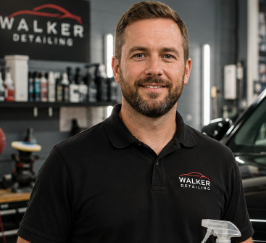
A focused pick like this saves time and money while cutting the risk of damage. Tech9AutoRepair’s James Walker notes that professionals lean on multi‑surface cleaners for routine work, then switch to specialty leather or fabric products for heavy stains or conditioning needs.
Key Takeaways
- Use a pH‑balanced multi‑surface cleaner for most interior tasks.
- Match tools to the job: microfiber, soft brushes, and proper nozzles improve results.
- Reserve specialty leather or upholstery products for deep stains and conditioning.
Evaluating Car Interior Cleaning Needs
Decide what to remove, which surfaces need protection, and how often cleaning must happen. Focus on stain type, material, and usage patterns to pick the right product and method.
Common Stain Types
Food and drink stains are the most frequent. Coffee, soda, grease, and ketchup can leave dark marks and sticky residue on seats and carpets. Fresh spills respond well to blotting with a microfiber cloth and a pH-neutral cleaner.
Older or set-in stains may need an enzymatic cleaner for organic matter or an oxygen-based cleaner for dyed liquids. Test any cleaner in an unseen spot first.
Ink, blood, and oil require targeted solvents. Rubbing alcohol or specialized ink removers work on small ink spots, while dilute enzyme products help protein stains. Grease needs a degreaser made for fabrics or upholstery.
Always follow product directions and rinse if needed to avoid residue.
Material-Specific Challenges
Leather needs a gentle leather cleaner plus conditioner to prevent drying and cracking. Strong detergents or alcohol-based cleaners can strip oils and cause fading. Use a soft brush for seams and a microfiber for wiping.
Fabric and carpet tolerate stronger cleaners but trap odors and dyes. Steam cleaning or hot-water extraction removes deep dirt. Avoid over-wetting to prevent mildew. Use a fabric-safe stain remover for set-in spots.
Vinyl and hard plastics handle most all-purpose cleaners but can discolor with solvent-heavy products. UV protectants help dashboards and trim resist fading and cracking. For suede/alcantara, use a soft brush and low-moisture cleaners to keep texture intact.
| Surface | Typical Issues | Recommended Product Type |
|---|---|---|
| Leather | Drying, cracking, stains | pH-balanced leather cleaner + conditioner |
| Fabric/Carpet | Stains, odors, embedded dirt | Enzymatic cleaners, oxygen-based lifts, steam extractor |
| Vinyl/Plastic | Fading, sticky residue, scratches | All-purpose cleaner, mild degreaser, UV protectant |
Frequency of Cleaning
Daily use vehicles need weekly light maintenance: quick vacuum, wipe down high-touch areas, and spot-clean spills. This prevents dirt buildup and reduces the need for harsh chemicals later.
A monthly deeper clean should include upholstery treatment, dashboard cleaning, and window wipes.
Cars used by children, pets, or for work may need bi-weekly full cleans. Rental or high-mileage cars benefit from professional deep cleaning every 3–6 months.
Adjust frequency if odors, visible stains, or sticky surfaces appear sooner.
Key Ingredients and Their Benefits
This section lists common active ingredients and what they actually do for plastics, vinyl, leather, fabric, and glass. It highlights cleaning power, safety for surfaces, and greener choices so readers can pick the right product for each interior material.
Effectiveness on Dirt and Grime
Surfactants (detergents) break the bond between oils and surfaces. They lift greasy soil from dashboards, door panels, and vinyl without heavy scrubbing. Look for non-ionic or mild amphoteric surfactants to reduce streaking on glossy plastics.
Solvents like isopropyl alcohol and glycol ethers dissolve sticky residues and ink. Small doses speed spot removal on cup-holders and sticky buttons, but high concentrations can dry or discolor vinyl and leather. Products that list alcohol near the top will remove oils fast, so test on a hidden spot first.
Enzymes and oxygen-based cleaners work well on organic stains in fabric and carpet. Enzymes eat proteins and sugars from food and drink spills. Oxygen cleaners release bubbles that lift soil from fibers without leaving soap film.
Abrasive powders or heavy scrubbing agents can remove grime but risk scratching trim and dulling textured surfaces. Microfiber cloths and soft-bristle brushes paired with the right cleaner often give better results with less surface wear.
Safe Formulations
pH-balanced formulas protect plastic, vinyl, and leather. Mildly acidic or neutral cleaners prevent drying and fading on dashboards and seals. Products that state pH neutrality are safer for frequent use.
Conditioning agents such as glycerin, lanolin, or specialized silicone-free polymers help leather and vinyl stay supple. They restore oils without leaving slippery residues that attract dust. Avoid products with petroleum distillates on leather; they can remove factory finishes.
Preservatives and fragrance additives reduce mold and add scent, but some can irritate the skin or nose. People with sensitivities should choose unscented labels and check for common allergens like limonene or linalool.
Clear labeling—“for leather,” “for fabric,” or “multi-surface safe”—matters. Heavily formulated multi-surface products can work, but surface-specific cleaners reduce risk of damage.
Eco-Friendly Options
Plant-derived surfactants and solvent blends reduce petrochemical content. Ingredients like decyl glucoside (from coconut) clean oil and grime while being biodegradable. Consumers who want greener choices should look for specific ingredients rather than vague “green” claims.
Low-VOC and water-based formulas cut harmful fumes inside the cabin. These are better when cleaning in closed garages or around children and pets. Certifications such as EPA Safer Choice or EU Ecolabel provide extra assurance when present on the label.
Biodegradable enzyme cleaners handle organic stains with fewer harsh chemicals. Packaging choices matter too; concentrates that dilute with water lower plastic use and shipping impact.
Top-Rated Cleaning Product Categories
These product types cover most interior jobs: cleaning dashboards, conditioning leather, and removing stains from cloth. Each category lists the main uses, strengths, and what to avoid.
All-Purpose Cleaners
All-purpose cleaners work on vinyl, plastic, hard trim, and many fabric spots. They use surfactants to lift dirt and oils and often include a mild solvent for greasy residues.
Use an all-purpose spray for daily wipe-downs, cup-holder gunk, and sticky spots. Choose pH-balanced formulas to avoid fading or drying textured plastics and trim. For sensitive surfaces, test a small hidden area first.
All-purpose options vary by strength. Dilutable concentrates let the user adjust power for light dusting versus heavy grime. Ready-to-use sprays are faster but may be weaker on embedded dirt.
| Feature | Best For | Watch For |
|---|---|---|
| pH-balanced spray | Daily cleaning, dashboards | May not remove oil stains |
| Concentrate | Deep cleans, cost-effective | Requires mixing |
| Foam/gel | Vertical surfaces, crevices | Longer dwell time |
Leather Care Solutions
Leather cleaners and conditioners are designed for hides, faux leather, and stitched areas. Cleaners remove grime and body oils; conditioners restore suppleness and add UV protection.
Start with a gentle leather cleaner to avoid stripping dyes or natural oils. Use a soft brush for seams and a microfiber cloth for buffing. After cleaning, apply a conditioner recommended for the leather type to prevent cracking.
Look for products labeled for automotive leather and containing UV blockers. Avoid household detergents and products with harsh solvents that can dry or darken leather. Test on a hidden seam before treating large areas.
Upholstery and Fabric Products
Fabric cleaners handle cloth seats, carpets, and removable mats. They include spot cleaners, foams, and carpet extractors for deep cleaning.
For small stains, use a targeted spot spray and blot—never rub—to avoid pushing the stain deeper. For full-seat cleaning, a fabric foamer or extractor removes embedded dirt and odors more effectively than surface sprays.
Check product labels for colorfastness and odor-neutralizing claims. For pet hair and heavy soil, combine a fabric cleaner with a stiff brush and a wet-dry vacuum or extractor for best results.
Performance Factors to Consider
Products vary in how well they remove dirt, how easy they are to use, and whether they leave residue or strong smells. These three areas determine how effective a cleaner will be for surfaces like leather, vinyl, plastic, fabric, and glass.
Cleaning Power
Cleaning power means how well a product removes soils such as grease, food stains, body oils, and UV-damaged grime. Look for cleaners that list surfactants and enzymes for organic stains, or solvent-based ingredients for oily spots. pH-neutral formulas work well on mixed interiors because they clean without stripping dressings or damaging dyes.
Test small areas first. A strong cleaner can lift deep stains from cloth and fabric but may lighten or dry out leather and some plastics. For heavy soils, a two-step approach—cleaner followed by conditioner or protectant—produces better, longer-lasting results.
Ease of Application
Ease of application affects how quickly a user can clean and how likely they are to get a good result. Spray-and-wipe formulas and pre-moistened wipes work best for quick maintenance and small spills. Foams and concentrated solutions can give deeper cleaning but need more tools like brushes, microfiber towels, or extractors.
Consider packaging and dilution needs. Ready-to-use sprays reduce setup time. Concentrates lower cost-per-use but require measuring and mixing. Ergonomic bottles, controlled spray patterns, and clear instructions save time and reduce mistakes during detailing.
Residue and Scent
Residue can attract dirt, make surfaces feel sticky, or change how dash plastics look under sunlight. Choose cleaners that rinse clean or evaporate without leaving a film, especially on touch points like steering wheels and armrests. For glass and glossy trims, residue-free formulas prevent streaking and haze.
Scent matters inside a small cabin. Mild, low-odor cleaners reduce irritation and mask fewer underlying smells. Fragranced products can be pleasant short-term but may trigger sensitivities or combine badly with other odor sources. Look for labels that state “no residue,” “low odor,” or list the fragrance type if scent is important.
| Factor | What to check | Quick tip |
|---|---|---|
| Cleaning Power | Ingredients (enzymes, solvents, surfactants), pH level | Test in an inconspicuous spot first |
| Ease of Application | Format (spray, wipe, foam), dilution, required tools | Choose ready-to-use for fast jobs |
| Residue & Scent | Film-free claims, fragrance level, compatibility with protectants | Prefer low-odor, residue-free for daily drivers |
User Experience and Customer Feedback
Users value products that clean well, protect surfaces, and feel safe on leather, vinyl, and plastic. Buyers often report how long protection lasts, whether finishes look natural, and how easy a product is to use during regular maintenance.
Long-Term Results
Many users note that protectants such as silicone-free sprays and dedicated leather conditioners keep surfaces looking newer for months. Leather kits that include cleaner plus conditioner tend to prevent cracking and color fade when used every 3–6 months.
For dashboards and vinyl, polymer-based protectants often resist dust and light staining for several weeks to a few months. Products with UV inhibitors get higher marks for preventing sun damage, but results depend on application thickness and exposure levels.
Carpet and fabric cleaners that include a fabric protector show fewer re-soils in reviews. Customers say repeat treatments—every six months—give noticeably better long-term cleanliness than a single application.
Satisfaction Ratings
Customer ratings cluster around ease of use, scent, and visible results. Spray-and-wipe all-in-one cleaners usually score 4+ stars for convenience and quick results on dashboards and trim.
Leather-specific products often get higher ratings for softness and color refresh. Users rate foam or gel cleaners lower when they require heavy scrubbing or leave residue.
Detailing kits that include microfiber cloths and applicators receive better feedback because they reduce streaking and make results more consistent. Ratings dip when manufacturers omit clear usage instructions.
Common Complaints
The most frequent complaint involves residue or greasy finishes after application. Some protectants leave a shiny film that collects dust quickly or causes glare on the windshield.
Scent and chemical sensitivity rank high for dislike. Strong-smelling cleaners get lower scores from users who prefer mild or unscented formulas.
Packaging and dilution claims also cause issues. Customers report unclear concentrate instructions or weak sprays that waste product. Finally, a few users report color change on older leather when using aggressive cleaners, stressing the need for spot tests first.
Application Tools and Accessories
Good tools make cleaning faster and protect interior surfaces. The right brushes, microfiber cloths, and vacuum attachments match the material and dirt type for better results.
Brush Types
Brushes remove embedded dirt from seams, vents, and fabric. Use a soft-bristle detailing brush for dashboards, plastic trim, and delicate vinyl; it lifts dust without scratching. A medium-stiff nylon brush works well on carpet and cloth seats to agitate cleaners and loosen ground-in grime.
For tight gaps, use a small boar-hair or interdental brush to reach around buttons, seams, and air vents. Leather needs a very soft brush or suede brush to avoid scuffs; follow with a leather conditioner. Look for brushes with replaceable heads and ergonomic handles for better control during long jobs.
Microfiber Cloths
Microfiber cloths trap dirt and lift oils without leaving lint. Keep three types: plush for drying and buffing, split-weave for glass and streak-free finishes, and short-loop for general wiping. Use a dedicated cloth per task—one for glass, one for dash, one for leather—to avoid cross-contamination.
Wash microfiber in mild detergent and avoid fabric softener or bleach; these reduce absorbency. Store cloths folded and dry. For streak-free windows, combine a split-weave cloth with an ammonia-free glass cleaner for best results.
Vacuum Attachments
Vacuum attachments make deep cleaning efficient. A crevice tool reaches between seats and along seams. A motorized brush or turbo tool is best for removing pet hair and embedded carpet fibers. Use a soft brush attachment for dashboards and door panels to avoid scuffs.
For tight spaces, a thin nozzle plus an air compressor or a hand-held air gun helps dislodge dust before vacuuming. Check hose diameter and attachment fit; a poor seal reduces suction. For guidance on cleaning materials and tools, refer to authoritative sources like car cleaning practices.
Maintaining Interior Freshness After Cleaning
After a thorough clean, regular actions keep the car smelling fresh and looking neat. They help protect surfaces and reduce the need for deep cleanings.
Encourage routine habits. They should remove trash after each trip and wipe spills immediately to stop stains and odors. Small tasks like shaking out floor mats once a week cut down dirt build-up.
Use simple odor control tools. A charcoal or silica gel sachet absorbs moisture and smells without heavy fragrances. A low-scent or scent-free fabric refresher can be used sparingly on upholstery.
Protect surfaces to slow re-soiling. Applying a suitable protectant to vinyl, leather, or plastic creates a barrier against UV damage and grime. For fabric seats, a fabric protector repels liquids and eases stain removal.
Keep air moving inside the car. They should open windows briefly on dry days or run the fan with fresh air mode to reduce trapped odors. Regular cabin air filter changes also improve airflow and remove pollen and dust.
Store a compact cleaning kit in the vehicle. It can include microfiber cloths, a small all-purpose spray, a soft brush, and disposable wipes. Quick spot-cleaning prevents small issues from becoming bigger problems.
Follow a maintenance schedule. Light maintenance every 1–2 weeks and a deeper refresh monthly keeps the interior in good condition. Consistent care preserves value and comfort over time.
FAQS
What makes a cleaner the “best” for car interiors?
They look for safe use on multiple surfaces, strong stain lifting, and some protection afterward. Durability and scent also matter to many car owners.
Can one product clean leather, vinyl, plastic, and fabric?
Some all-purpose interior cleaners work across surfaces, but specialized leather or fabric cleaners usually give better results. He should test a small hidden area first.
Are protectants necessary after cleaning?
Protectants help hide UV damage and slow future fading and cracking. They don’t stop wear but add a layer of defense and often improve appearance.
How often should the interior be detailed?
Light maintenance can be weekly or biweekly. A deeper clean and conditioning every 3–6 months keeps materials in good shape.
Are wipes as effective as sprays?
Wipes are fast and tidy, ideal for dashboards and touchpoints. Sprays plus a microfiber cloth often clean deeper, remove stains, and reach seams better.
Is it safe to use household cleaners in the car?
Many household cleaners can harm automotive materials or electronics. It is safer to use products labeled for car interiors or those known to be pH-balanced and non-abrasive.
How should stains be treated?
Blot liquids quickly and avoid rubbing. Use a cleaner suited to the material, work gently with a soft brush when needed, and rinse or wipe away residue to prevent sticky buildup.
What about screens and touch interfaces?
Use cleaners made for screens or a damp microfiber cloth. Avoid ammonia or alcohol-based products unless the manufacturer allows them.
Conclusion
The best interior car cleaning product depends on the surface and the job at hand. For general cleaning, an all-purpose interior cleaner that works on plastic, vinyl, and fabric gives good, consistent results. For leather, a dedicated leather cleaner and conditioner protects and preserves the material.
Detailers recommend pairing a quality cleaner with the right tools. Microfiber cloths, soft brushes, and foam applicators help lift dirt without scratching. Small brushes or compressed air reach vents and seams for a neater finish.
Value and safety matter. Choose pH-balanced, low-residue formulas for sensitive surfaces and avoid products that leave slick or greasy films. Testing a product on a hidden spot first prevents discoloration or damage.
A simple kit can cover most needs: an all-purpose cleaner, a leather kit, glass cleaner, and microfiber towels. Spending a little more on the right product reduces rework and helps maintain the car’s resale value.
They should match product choice to the task, not the brand hype. Proper technique and regular maintenance matter more than a single “best” bottle.
