
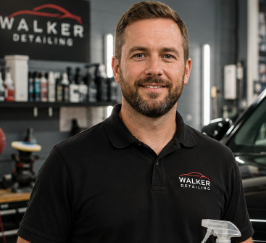
You want to know what car cleaning gel is made of and why it works so well in vents, crevices, and around buttons. Car cleaning gel usually combines a soft polymer base (similar to slime), a mild solvent or surfactant, and small additives that help it pick up dust and lift grime without leaving residue. Tech9AutoRepair’s James Walker notes professionals favor formulas that balance tackiness and safety so the gel grabs dirt but won’t stain or harm surfaces.
This gel comes in reusable and disposable versions and can include thickening agents, plasticizers for stretch, and mild fragrance or colorants. Brands vary their recipes to adjust texture, longevity, and environmental impact, so technicians like Ryan Carter recommend testing a small spot first on sensitive materials.
Key Takeaways
- Most gels use a soft polymer base plus mild cleaning agents to lift dust and debris.
- Additives control texture, tackiness, and residue to protect interior surfaces.
- Formulas vary by brand, so test first and choose reusable, safe options.
Common Base Ingredients
Car cleaning gel relies on a few core components that give it tackiness, spreadability, and shelf stability. These ingredients control texture, cleaning action, and how the gel picks up dust and grime.
Gel-Forming Polymers
Gel-forming polymers create the gel’s structure and tack. Manufacturers commonly use synthetic polymers like polyvinyl alcohol (PVA), carbomers, or thermoplastic elastomers. These materials form a soft, elastic network that traps dust and debris without leaving residue on surfaces.
Polymers also determine how sticky the gel feels and how well it pulls particles from crevices. Higher molecular weight polymers yield stronger, more cohesive gels that can lift heavier dirt. Lower weight grades make softer gels better for delicate surfaces.
Common polymer properties to compare:
| Polymer | Key Traits | Best Use |
|---|---|---|
| PVA | Flexible, tear-resistant | Dashboard, vents |
| Carbomer | Clear, high-thickness at low dose | Visible crevices, buttons |
| Thermoplastic elastomers | Rubbery, reusable | Heavy dirt, repeated use |
Water and Solvents
Water forms the bulk of most car cleaning gels. It hydrates water-soluble polymers and keeps the gel pliable. Many formulations use deionized or distilled water to avoid mineral deposits and microbial growth.
Solvents appear in small amounts to boost cleaning power. Mild alcohols (e.g., isopropyl alcohol at low percent) or glycols help dissolve oily residues and speed drying. Formulators balance solvent level to avoid damaging plastics or painted surfaces while still removing grease.
Typical mixing ratios:
- Water: 70–90% of formula by weight.
- Solvent: 1–10%, depending on target soils.
Viscosity Stabilizers
Viscosity stabilizers keep the gel from separating or becoming runny over time. Thickeners like hydroxyethylcellulose, xanthan gum, or crosslinked acrylates maintain consistent texture across temperature changes.
Stabilizers also affect tack and stretch. Some agents increase elasticity so the gel peels without tearing. Others add shear-thinning behavior so the gel spreads under pressure but holds shape at rest.
A brief list of common stabilizers and roles:
- Hydroxyethylcellulose: smooth feel, prevents syneresis.
- Xanthan gum: temperature stability, good for humid climates.
- Crosslinked acrylates: firm structure, longer shelf life.
Active Cleaning Agents
Car cleaning gel combines mild detergents, surfactants, and compounds that trap dirt. These ingredients work together to loosen grime, lift particles from tight crevices, and hold debris in the gel so it can be removed without leaving residue.
Mild Detergents
Mild detergents provide bulk cleaning power without attacking plastics, paint, or trim. They are often non-ionic or mildly anionic so they cut oils and light grease while remaining gentle on interior surfaces like vinyl, rubber, and painted plastics.
Detergent concentration is low compared with household cleaners to avoid streaking or residue. Manufacturers balance cleaning strength with material safety; this allows the gel to pick up everyday dust, skin oils, and light food residues without discoloring dashboards or soft-touch surfaces.
Typical properties:
| Property | Why it matters |
|---|---|
| Low pH adjustment | Prevents damage to sensitive plastics and coatings |
| Biodegradable base | Reduces environmental impact and odor |
Users should avoid leaving detergent-heavy gel on surfaces for long periods; quick pressing and removal gives best results.
Surfactants
Surfactants reduce water’s surface tension and help the gel wet and cling to textured surfaces. They allow the gel to seep into vents, seams, and button gaps where dry cloths cannot reach.
Common surfactant types in gels are amphoteric and non-ionic because they clean well and are gentle on skin and materials. These surfactants help suspend oils and tiny particles in the gel matrix so the dirt does not smear across surfaces during removal.
Surfactant roles:
- Improve spreadability of the gel over curved or grooved parts.
- Stabilize the gel so it keeps tackiness without becoming runny.
- Work with detergents to lift greasy residues from crevices.
Dirt Encapsulation Compounds
Encapsulation compounds capture and hold particles inside the gel so they lift away cleanly. These are often polymeric binders or tackifiers that create a sticky, elastic network.
Polymers like polyvinyl alcohol derivatives or similar safe binders give the gel its cohesive feel. They let the gel deform around dust, pick it up, and then release little to no residue when peeled off. Some formulas add fine, inert fillers (such as microbeads or silica) to increase mechanical pickup without scratching.
A simple comparison table:
| Component | Main function |
|---|---|
| Polymeric binder | Provides elasticity and traps particles |
| Tackifier | Increases stickiness for better pickup |
| Inert filler | Improves mechanical removal without abrasion |
Users should check product labels for safe polymers and avoid gels with harsh solvents that could weaken these encapsulation materials.
Additives for Performance Enhancement
These additives boost cleaning power, reduce microbes, and leave a pleasant scent. They change the gel’s function without altering its basic texture.
Antibacterial Components
Manufacturers add antibacterial agents to reduce mold, mildew, and bacterial growth in the gel and on surfaces it contacts. Common choices include benzalkonium chloride (a quaternary ammonium compound) and low levels of alcohol-based biocides. These compounds kill or inhibit microbes on contact and help the gel stay usable longer.
Antibacterial ingredients must balance effectiveness and safety. Too much can irritate skin or damage delicate interiors, so formulas often keep concentrations low and test for material compatibility. Some brands use milder preservatives like phenoxyethanol or organic acids for gentler protection.
Key points in choosing a gel with antibacterials:
| Ingredient | Function | Notes |
|---|---|---|
| Benzalkonium chloride | Broad-spectrum antimicrobial | Effective at low dose; can irritate skin |
| Alcohol-based biocides | Fast microbial kill | May dry surfaces or soften plastics over time |
| Phenoxyethanol / organic acids | Milder preservative action | Better for sensitive surfaces |
Deodorizers and Fragrance Oils
Fragrance oils and deodorizers mask or neutralize odors trapped in vents, dashboards, and crevices. Manufacturers use two main approaches: scent carriers (perfume or essential oils) and odor neutralizers (enzymes or activated charcoal derivatives).
Scent carriers provide immediate pleasant smell but can fade. Essential oils like lavender or citrus add natural scent, while synthetic fragrances offer longer-lasting notes. Odor neutralizers chemically bind or break down odor molecules. Enzymatic additives target organic smells from food or mildew. Activated charcoal particles can adsorb volatile compounds, though they’re less common in gel form.
A quick comparison:
| Type | How it works | Best use |
|---|---|---|
| Perfume / essential oils | Mask odors with pleasant scent | Short-term freshness |
| Enzymes | Break down organic odor molecules | Food, sweat, mildew odors |
| Adsorbents (charcoal) | Trap volatile compounds | Persistent chemical smells |
Materials Impacting Gel Texture
The feel and performance of a car cleaning gel come from specific ingredients that control thickness, stretch, and tackiness. Small changes in these materials alter how the gel picks up dust, how long it holds together, and whether it leaves residue.
Thickeners
Thickeners set the gel’s base and determine firmness. Common thickeners include polysiloxanes (silicone-based), organoclays, and polymeric gelling agents. Polysiloxanes give a smooth, non-sticky body that resists drying, while organoclays and silicates form a more clay-like, slightly firmer structure.
Amount matters: higher thickener concentration raises viscosity and helps the gel hold shape when pressed into vents. Too much can make the gel crumbly or less able to conform to tight spaces. Manufacturers balance thickener type and percentage to match intended use—soft for delicate trim, firmer for heavy debris.
Thickeners also affect temperature performance. Silicone-based thickeners keep texture stable across heat and cold, while some clays can stiffen in low temperatures. Buyers should check labels if they use gels in extreme climates.
Elasticizers
Elasticizers give the gel stretch and rebound. Ingredients such as plasticizers, low-molecular-weight polymers, or small amounts of glycerin make the putty pliable and springy. These components let the gel pull away from surfaces without leaving threads or breaking.
The right elasticizer level improves pickup: the gel stretches into gaps, then retracts to lift trapped dust. Too much elasticizer increases tack and can leave residue on oily surfaces. Too little makes the gel tear instead of lifting debris cleanly.
Elasticizers also influence longevity. Gels with stable, non-reactive elasticizers resist hardening over repeated uses. Products designed for repeated kneading and reuse usually list polymers or silicone plasticizers that maintain flexibility over time.
Colorants and Appearance Modifiers
Colorants give car cleaning gel its bright, appealing look. Manufacturers add dyes or pigments to help users see the gel and to match brand colors. These additives do not usually change cleaning power, but they affect user perception.
Common choices include water-soluble dyes and insoluble pigments. Water-soluble dyes dissolve into the gel base and create uniform color. Pigments sit as tiny particles and can add opacity or shimmer.
Some colorants also include UV stabilizers to keep color from fading in sunlight. Stabilizers help the gel remain attractive during storage and use. They may add a small cost but improve shelf life.
Producers sometimes use pearlescent or metallic effects for a premium appearance. These use mica or titanium dioxide-coated particles to reflect light. Such effects add texture and visual depth without altering cleaning action.
Labels may list “color” or specific dye names. Users with allergies should check ingredients, especially if they have sensitive skin. For general info on color additives and safety, see the FDA’s guidance on color additives or the dye entries on Wikipedia.
Safety and Environmental Considerations
Car cleaning gel can vary in how it breaks down and which ingredients might irritate people. Readers should watch for biodegradability labels, avoid gels with persistent polymers, and test products on skin if they have sensitivities.
Biodegradability Factors
Many gels use polymers and plasticizers to get a stretchy, tacky feel. Some of these are synthetic and resist breakdown, so they can persist in waterways if washed away. Look for labels that list biodegradable polymers, plant-based thickeners (like modified cellulose), or explicit OECD biodegradability test results.
Manufacturers sometimes add solvents and preservatives that affect biodegradability. For example, phthalate-like plasticizers and nonylphenol ethoxylates are slow to degrade and can harm aquatic life. Choose products that state they avoid those chemicals.
Packaging matters too. Gels sold in single-use plastic tubs increase environmental impact even if the gel itself is biodegradable. Prefer concentrates, refill packs, or recyclable containers to reduce waste.
Potential Allergens
Car cleaning gels can contain fragrances, preservatives, and surfactants that trigger skin or respiratory reactions. Common culprits include synthetic fragrances, methylisothiazolinone (MI), and formaldehyde-releasing preservatives. People with sensitive skin should avoid scented gels and check ingredient lists.
A patch test helps identify reactions: apply a small amount to forearm skin, wait 24 hours, and watch for redness or itching. If gel contacts eyes, rinse immediately with water and seek medical help for severe irritation. For repeated professional use, wearing nitrile gloves and working in a well-ventilated area reduces exposure to airborne irritants.
Ingredient Variations Across Brands
Different brands use varied base materials for car cleaning gel. Some rely on silicone-based gels for durability and low residue, while others use polymer or starch blends that offer tackiness but break down faster. These choices affect stretch, stickiness, and lifespan.
Manufacturers add surfactants, mild solvents, or plasticizers to adjust cleaning power and flexibility. Surfactants help lift oils and dust; plasticizers keep the gel soft. Brands aiming for eco-friendliness may swap harsher chemicals for biodegradable options.
Fillers and fragrances also vary. Some gels include microbeads or cellulose fibers to boost particle capture, while fragrance drops mask odors. Others avoid additives to reduce allergy risk or to meet stricter automotive standards.
Packaging and formulation link closely to intended use. A gel marketed for electronics or interiors often emphasizes non-corrosive, non-conductive formulas. Industrial or heavy-duty variants may list stronger solvents and clearer safety warnings.
For readers wanting more on polymer choices and material safety, consult general polymer references like polymer basics. For cleaning chemistry and surfactant roles, a trusted resource on detergents offers useful background.
FAQS
What are the main ingredients in car cleaning gel?
Car cleaning gel is usually made of a polymer base, plasticizers, water, and mild surfactants. These combine to make a stretchy, slightly sticky gel that picks up dust without leaving residue.
Is car cleaning gel safe for electronics and surfaces?
Most gels are formulated to be non-abrasive and safe for dashboards, vents, and electronics when used gently. Users should avoid pressing into exposed ports or wetting surfaces, and test a small area first.
Can the gel be reused?
Yes, many gels can be reused until they become too dirty or lose tackiness. Reuse life depends on how much dust and grime it picks up and how it is stored between uses.
Does car cleaning gel leave a smell or residue?
Some brands add mild fragrances; others are unscented. A good-quality gel will not leave a sticky residue if removed carefully. If residue appears, a quick wipe with a microfiber cloth usually removes it.
Is it safe for hands and skin?
Most commercial gels are made to be skin-friendly, but prolonged contact can irritate sensitive skin. Heavier use should involve hand washing afterward or wearing gloves.
Can someone make DIY car cleaning gel at home?
Yes, DIY recipes exist using household ingredients to mimic the texture and cleaning action. Homemade versions may differ in effectiveness and safety, so follow tested recipes and handle ingredients cautiously.
Conclusion
Car cleaning gel combines a soft polymer base with small amounts of surfactants, humectants, and sometimes mild preservatives to create a stretchy, slightly sticky putty. These ingredients let the gel pick up dust and crumbs while staying safe on plastics and electronics when used correctly.
Many commercial gels add biodegradable or non-toxic components and colorants for appearance and scent. Users should check labels: some gels are reusable, but they lose effectiveness as they pick up dirt and should be discarded once they darken or leave residue.
DIY versions use common household ingredients to mimic the texture, but formulas vary and can risk stickiness or residue if not balanced. Buying from a reputable brand reduces that risk and brings clearer instructions for safe use.
When choosing a gel, balance cleaning needs with surface safety. Test a small hidden spot first, avoid oily or wet debris, and replace the gel when it fails to lift dirt. Proper choice and care help the product work well and protect a vehicle’s interior.
