
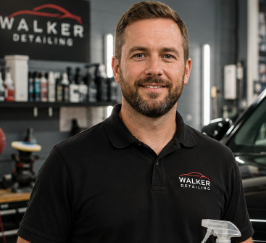
You can buy car cleaning supplies at big-box stores, auto parts shops, specialty car-care retailers, and online marketplaces, so you have many convenient choices for every budget and need. Local stores like auto parts chains and hardware outlets let you inspect products in person, while online stores and specialty shops give wider selections, bundles, and subscription options for repeat buys.
James Walker at Tech9AutoRepair.com often points out that the best place depends on what you need: basic wash and interior wipes at a retail chain, professional polishes and ceramic coatings from specialty dealers, or bulk and hard-to-find items online. Pick the seller that matches the product quality you want and the after-sale support you might need.
Key Takeaways
- Find supplies at local retailers for convenience and online shops for variety.
- Match product type to your vehicle’s needs and long-term protection plans.
- Consider specialty stores or subscriptions for pro-grade items and repeat use.
Types of Car Cleaning Supplies
Most car cleaning tasks fall into four groups: products for washing the exterior, cleaners for the interior, tools used for detailed work, and specialty treatments for protection and repair. Each group contains items chosen for specific surfaces and results.
Exterior Wash Products
Exterior products remove dirt, road grime, and contaminants from paint, glass, wheels, and trim. A pH-balanced car wash soap prevents wax and sealant stripping. Use a two-bucket method (wash and rinse) and a soft microfiber wash mitt to cut swirl marks and scratches.
Wheel cleaners target brake dust and come in acid-based and safer alkaline formulas; choose one based on wheel finish. Bug and tar removers dissolve stubborn residues on the front bumper and grille. Clay bars or clay mitts remove embedded particles that washing alone won’t lift.
Polishes and rubbing compounds correct light scratches and restore gloss. Finish with a wax, paint sealant, or ceramic coating to protect the paint and make future cleaning easier.
Interior Cleaning Solutions
Interior cleaners focus on fabric, leather, plastic, vinyl, and glass. Upholstery cleaners and fabric sprays lift stains and neutralize odors from cloth seats and carpets. For leather, use a pH-balanced leather cleaner followed by a conditioner to keep the hide supple and prevent cracking.
Vinyl and plastic dashboards and trim benefit from all-purpose interior cleaners; choose products labeled UV-protective to reduce sun damage. Use a gentle brush or detailing brush to reach seams and vents. Glass cleaner formulated for automotive glass prevents streaks and improves visibility.
For heavy soiling, carpet extractors and steam cleaners remove deep dirt and sanitize surfaces. Keep microfiber towels and soft brushes on hand to avoid scratching painted or glossy surfaces.
Detailing Tools
Good tools multiply the effect of quality products. Microfiber towels in various weights handle drying, buffing, and applying dressings without leaving lint. Foam or microfiber applicator pads apply wax, sealant, and tire dressing smoothly.
Dual-action polishers offer safer paint correction than rotary machines and work well with pads and polish to remove swirls. Long-handled brushes and crevice tools reach wheel barrels, under seats, and vents. For wheels, use dedicated wheel brushes and soft nylon brushes to avoid scratching finishes.
A basic detailing kit often includes a vacuum, extension crevice tool, compressed-air can or portable blower, and a set of soft-bristle brushes. Organize tools in labeled bins to keep compounds, pads, and towels separate and avoid cross-contamination.
Specialty Treatments
Specialty treatments protect, restore, or repair specific areas of the car. Ceramic coatings form a long-lasting hydrophobic layer on paint and glass; they require proper surface prep and curing time. Paint sealants offer durable shine for months and are easier to apply than ceramic coatings.
Leather care kits include cleaners, conditioners, and repair creams for cracked or faded leather. Headlight restoration kits sand and polish oxidized lenses, then seal them to restore clarity and brightness. Trim restorers and plastic rejuvenators revive faded bumpers and moldings by restoring color and adding UV protection.
Undercoating sprays and rust inhibitors protect metal parts from corrosion in harsh climates. Always follow product instructions and test small areas first to ensure compatibility with the vehicle’s materials.
| Category | Common Items | Primary Use |
|---|---|---|
| Exterior | Car wash soap, wheel cleaner, clay bar, wax | Remove dirt, protect paint, clean wheels |
| Interior | Upholstery cleaner, leather conditioner, glass cleaner | Clean seats, protect leather, improve visibility |
| Detailing Tools | Microfiber towels, DA polisher, brushes | Apply products, correct paint, reach tight spaces |
| Specialty | Ceramic coatings, headlight kits, rust inhibitors | Long-term protection, restore clarity, prevent corrosion |
Comparing Online Versus Local Retailers
Buyers weigh price, selection, and speed when choosing where to buy car cleaning supplies. Some outlets offer the widest ranges and customer reviews, while others give hands-on help and immediate pickup.
E-Commerce Marketplaces
E-commerce sites like Amazon, eBay, and large auto retailers list hundreds of car soaps, waxes, microfiber towels, and polishers from many brands. They let shoppers compare prices, read verified reviews, and find niche or hard-to-find products. Fast shipping and subscription options can lower recurring costs for frequently used items.
Watch for counterfeit or expired products from third‑party sellers. Check seller ratings, return policies, and ingredient lists on product pages. Use filters for brand, size, and vehicle‑safe formulas to speed searches. Promotions like lightning deals and bulk discounts often beat local store prices, but add shipping time and occasional restock delays.
| Strength | Weakness |
|---|---|
| Large selection and reviews | Risk of third‑party fakes |
| Frequent discounts and subscriptions | Shipping time and delivery fees |
Brick-and-Mortar Stores
Local auto parts stores, big-box retailers, and hardware stores stock popular car wash soaps, tire cleaners, brushes, and microfiber towels. Shoppers can inspect product sizes, feel towel weave, and ask staff about compatibility with finishes. Immediate pickup works well when supplies are needed the same day.
Prices may be higher than online for specialty items, but local stores often run in-store promotions and price-matching. Local shops also accept returns without shipping hassles. For professional-grade coatings or specific chemicals, calling ahead to confirm stock saves time.
Brand-Specific Websites
Manufacturers like chemical and detailing brands sell direct on their sites. Buyers find full product lines, exclusive formulations, and package deals not available elsewhere. Brand sites often post detailed use instructions, safety data sheets, and tips for best results.
Direct purchases can include authenticity guarantees and limited-edition kits. Loyalty programs and expert customer support help with product choice for specific paint types. Expect slightly higher prices than mass marketplaces, but gain access to the newest releases and official warranty or product support.
Choosing the Right Products for Your Vehicle
Select products matched to the car’s surfaces, the owner’s values, and the budget available. Focus on cleaners designed for specific materials, look for non-toxic or low-VOC formulas if indoor use or runoff matters, and compare cost per use rather than only sticker price.
Surface Material Considerations
Different surfaces need different chemistries and tools. For painted panels, use a pH-neutral car wash soap and a soft microfiber wash mitt to avoid swirl marks. Clay bars, polish, and paint sealant or wax suit clearcoat finishes when removing bonded contaminants or enhancing shine.
For glass, choose an ammonia-free glass cleaner and a lint-free microfiber to prevent streaks. Mirrors and display screens require alcohol-free cleaners to avoid coating damage.
Interior materials vary: leather needs a pH-balanced leather cleaner and a conditioner to prevent drying and cracking. Fabric seats benefit from an upholstery cleaner or mild foaming cleaner plus a soft brush. For plastics and vinyl, choose a mild all-purpose interior cleaner and a UV-protectant if the car parks outside often.
Use this quick reference table to match common surfaces with product types:
| Surface | Recommended Product | Tool |
|---|---|---|
| Paint / Clearcoat | pH-neutral car shampoo; clay bar; polish; wax/sealant | Microfiber mitt; clay bar; foam applicator |
| Glass | Ammonia-free glass cleaner | Lint-free microfiber |
| Leather | Leather cleaner + conditioner | Soft cloth; small brush |
| Fabric | Upholstery cleaner; spot remover | Brush; microfiber towel |
| Plastic / Vinyl | Mild all-purpose cleaner; protectant | Microfiber; applicator pad |
Eco-Friendly and Non-Toxic Options
Buy low-VOC cleaners and biodegradable soaps when runoff enters storm drains or when washing in a driveway. These products reduce harm to plants and local waterways. Look for certifications or clear labeling that states “biodegradable,” “phosphate-free,” or lists specific green standards.
Concentrated formulas cut packaging waste and lower transport impact. Dilute concentrates per label instructions to get the intended strength. For indoor use, choose non-flammable, low-odor formulas to protect lungs and prevent headaches.
Keep an eye on ingredient lists: avoid strong acids, harsh solvents, and high levels of alkali for most routine jobs. If unsure, test a small hidden area before broad application to confirm compatibility and results.
Budget and Value
Compare cost per use, not just sticker price. A $10 concentrated shampoo that makes 20 washes often costs less per wash than a $6 ready-to-use bottle. Calculate by dividing total cost by number of uses listed on the product.
Invest in durable tools (microfiber towels, quality mitts, brushes) because they last many washes and protect surfaces better. For specialty needs—like paint correction or leather restoration—buy smaller, higher-quality products only when necessary.
Shops and online retailers offer kits that bundle essentials and can save money for first-time buyers. Local auto parts stores and big online marketplaces both carry decent options; choose the seller with clear return policies and ingredient lists.
Popular Retail Chains and Auto Stores
Shoppers can find car cleaning supplies at stores that balance price, selection, and convenience. Each retailer type offers distinct strengths: parts and specialty gear, broad household options, or bulk savings.
Auto Parts Stores
Auto parts stores like AutoZone, Advance Auto Parts, and O’Reilly carry a wide selection of car-care products aimed at vehicle owners and DIY detailers. They stock cleaners for brakes, engines, and interiors, plus specialty items like trim restorers, headlight restoration kits, and high‑temperature degreasers.
Staff often know which products suit specific materials—leather, vinyl, rubber, or painted surfaces—and can recommend cleaners that won’t strip wax or damage trim. Many locations offer in-store pickup and online ordering with local inventory checks, so buyers can confirm availability before driving.
Frequent shoppers benefit from loyalty programs that give discounts or points on purchases. Those needing technical advice or niche items—like specific pH‑neutral shampoos or gasket-safe degreasers—will find more targeted choices here than at general retailers.
Big-Box Retailers
Big-box stores such as Walmart, Target, and The Home Depot carry affordable, everyday car-cleaning supplies for most needs. Expect car wash soaps, microfiber towels, spray waxes, interior wipes, tire foams, and basic detailing kits. Brands range from national names to store labels, which keeps prices competitive.
These stores prioritize convenience: wide hours, multiple nearby locations, and same-day pickup or curbside service. Online listings often show exact aisle or pickup status, which saves time. For specialized tools or professional-grade compounds, big-box stores may have limited depth, but they work well for routine washes and maintenance.
Warehouse Membership Clubs
Warehouse clubs like Costco and Sam’s Club sell car-cleaning products in bulk or as value kits for frequent users. Shoppers can find multi‑pack microfiber towel sets, large jugs of car shampoo, and bulk interior wipes at lower per‑unit costs. Some clubs offer branded kits that include polish, wax, and applicators, useful for seasonal care.
Membership clubs also sell higher‑end items occasionally, such as specialty polishes or machine‑applied sealants, but selections vary by location and rotate. Buyers should compare per‑unit prices and check pack sizes—bulk savings pay off mainly for those who wash cars often or service multiple vehicles.
Shopping at Specialty Car Care Shops
Specialty car care shops stock pro-grade cleaners, tools, and protection products. They offer brand-depth, expert advice, and items not usually found at big-box stores.
Professional Detailing Supply Stores
These stores serve detailers and serious hobbyists. They carry professional brands like Griot’s Garage, CarPro, Rupes, and Sonax, plus paint-correction tools, polish pads, and high-strength cleaners. Staff often have hands-on experience and can recommend the right pads, compounds, or ceramic coatings for a specific paint type.
Many stores let customers test products or view demos. They also sell bulk sizes and specialized equipment such as dual-action polishers, air blowers, and extraction machines. Use this table to compare features commonly offered:
| Feature | Why it matters |
| Pro-grade chemicals | Stronger, faster results on heavy contamination |
| Tool selection | Right machine and pads reduce risk of paint damage |
| Bulk options | Lower cost per use for frequent detailers |
| In-store advice & demos | Helps match product to vehicle and skill level |
Boutique Online Retailers
Boutique online retailers focus on curated product lines and niche brands. They often carry hard-to-find items like specialty ceramic sprays, pH-neutral shampoos, or eco-friendly formulas. Product pages usually include detailed specs, user reviews, and application videos to help buyers choose.
Shipping and return policies vary, so buyers should check weight-based rates for heavy items and restocking fees for opened chemicals. Many boutiques offer kits tailored to tasks—interior, exterior, or wheel care—which simplify buying. They also run limited drops of new products, so signing up for email alerts helps snag fresh releases.
Buying in Bulk and Subscription Services
Buying in bulk or signing up for scheduled deliveries cuts costs and saves time. Buyers should compare unit prices, storage needs, and return policies before committing.
Wholesale Clubs
Wholesale clubs sell large quantities of car wash soap, microfiber towels, and disposable wipes at lower unit prices. They often stock brand-name liquids and generic concentrates in 1–5 gallon jugs and multi-packs of towels and pads. A membership fee usually applies, so buyers should calculate break-even based on expected monthly use. Storage matters: bulk liquids need cool, dry space and safe shelving to avoid spills. Payment and return policies vary, so check receipt terms and whether the club accepts returns on opened chemical containers. Businesses often use wholesale clubs to buy concentrated cleaners and PPE for staff to reduce recurring costs.
Scheduled Delivery Programs
Scheduled delivery programs send recurring shipments of soaps, waxes, and consumables on a set cadence. They offer predictable supply, automatic reorder, and often a small discount or free shipping. Options include manufacturer subscription plans and third-party retailers that manage frequency and allow easy changes online. Subscribers should review cancellation terms and delivery windows to avoid overstocking. For businesses, scheduled deliveries can sync with inventory systems for just-in-time restocking. Individuals get convenience and fewer trips to stores. For more on subscription models and supply chains, see subscription business model.
Seasonal and Location-Based Purchasing Tips
Buyers should match products to local weather and store options. Picking the right cleaners, waxes, and tools for local conditions avoids damage and saves money.
Climate-Specific Product Choices
In cold climates with road salt, choose pH-neutral car wash soaps and a heavy-duty underbody cleaner to prevent corrosion. Use salt-removal sprays and waxes labeled for winter protection; synthetic sealants last longer than paste wax under harsh conditions. For hot, sunny areas, select UV-resistant ceramic coatings or paint sealants to reduce sun fade and water spotting. Waterless wash formulas work well where water is scarce, but test them on dirt levels first.
For humid or coastal regions, buy anti-corrosion sprays and frequent rinse shampoos to remove salt and salt mist. Microfiber drying towels and a fan-assisted drying tool help prevent mold and spotting. For product science and coating basics, see car wash.
Regional Store Availability
Major chains like AutoZone, Advance Auto Parts, and Walmart stock basics in most towns. Specialty stores such as Chemical Guys, AutoGeek, or local detail shops carry pro-grade ceramics, polishers, and large microfiber bundles. Online marketplaces like Amazon offer wide selection and customer reviews, useful when a specific brand or size isn’t in local stores.
Warehouse clubs (Costco, Sam’s Club) sell bulk soap and towels at lower unit cost, which helps owners who wash frequently. In rural areas, expect limited specialty gear; plan ahead and order online or call ahead to confirm stock.
FAQS
What types of stores sell car cleaning supplies?
They can buy supplies at big online retailers like Amazon, and at national chains such as Walmart, Home Depot, Lowe’s, AutoZone, and Advance Auto Parts. Specialty shops and local auto parts stores often carry pro-grade products and tools.
Should they choose professional or consumer-grade products?
Professional products tend to last longer and work faster, but they cost more. Consumer-grade items work well for routine cleaning and are easier to use.
How much should they expect to spend?
Basic cleaning kits and brushes can cost under $30. Mid-range kits and a few quality chemicals usually fall in the $30–$100 range. Professional tools and specialty coatings can cost several hundred dollars.
Are there benefits to shopping local vs. online?
Local stores let them see products and get immediate help from staff. Online stores offer a wider selection, customer reviews, and often better prices or free shipping.
What should they look for on labels?
They should check for safe use on paint, fabric, leather, or glass. Look for concentration (dilute vs. ready-to-use), and any warnings about abrasive ingredients.
Can they buy kits for beginners?
Yes. Many retailers sell starter kits with shampoo, microfiber towels, and wax. Kits simplify choice and help beginners avoid incompatible products.
Where to find specialty or pro-detailing brands?
Specialty detailing retailers and some local shops carry brands like Griot’s Garage, CarPro, Sonax, and others. Online stores often offer the widest brand selection.
Conclusion
They can find car cleaning supplies at many places, both online and in stores. Big online retailers like Amazon and Walmart offer wide selection and fast shipping, while specialty shops such as Detail King and Masterson’s Car Care sell professional-grade products.
Local auto parts stores and NAPA provide hands-on help and often carry trusted brands for washes, waxes, and tools. Department stores and big-box retailers give budget-friendly kits and basic items for quick cleaning jobs.
Shoppers should match product type to the job: microfiber towels and safe soaps for regular washes, polish and wax for paint care, and specialty cleaners for upholstery or glass. Professionals may prefer dedicated detailing suppliers for higher-performance formulas and tools.
Comparing prices, reading labels, and checking reviews helps pick the right items. They should also consider convenience — delivery speed, in-store pickup, and return policies matter.
A small checklist can help:
- Decide which surfaces need work.
- Choose tools first (towels, brushes, vacuums).
- Pick cleaners designed for each material.
- Compare prices and shipping options.
This approach keeps purchases practical and focused. It helps buyers get products that fit their needs without overspending.
