
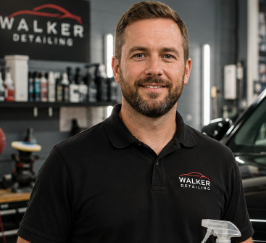
You can get the inside of your car cleaned, whether you choose a quick DIY session or a full professional detail. A professional detailer or a well-planned DIY cleaning can remove trash, stains, odors, and deep dirt so your car looks and smells much better. James Walker at Tech9AutoRepair.com notes that choosing the right method for your seats and trim saves time and prevents damage.
If you want a fast refresh, simple tools like a vacuum, microfiber cloths, and mild cleaners work well. For tougher issues—set-in stains, strong odors, or delicate leather—professional techniques, specialized products, and experience deliver safer, longer-lasting results that help protect your car’s value.
Key Takeaways
- You can choose DIY cleaning for quick results or pro detailing for deep, lasting care.
- Use the right tools and products for each surface to avoid damage.
- Regular maintenance and proper methods extend your car’s appearance and value.
Types of Interior Car Cleaning Services
Interior car cleaning ranges from quick refreshes to deep restorations. Prices, time, and results vary by service. Read the list to match needs with what a shop will actually do.
Basic Interior Detailing
Basic interior detailing focuses on surface cleaning and quick restoration. Technicians vacuum seats, carpets, floor mats, and trunk. They wipe dashboards, door panels, center consoles, and cup holders with appropriate cleaners to remove dust, fingerprints, and light grime.
Windows and mirrors get streak-free glass cleaner. Floor mats may be shampooed or shaken out depending on material. For leather, a light cleanser and conditioner are applied to prevent drying but heavy stains are not removed. Typical time is 30–90 minutes and cost is usually the lowest of the three service levels.
Deep Cleaning Treatments
Deep cleaning tackles embedded dirt, stains, and ground-in odors. It includes hot-water extraction or steam cleaning of carpets and upholstery to lift dirt from fibers. Technicians perform fabric shampooing, spot treatment for stains, and sometimes low-moisture encapsulation to speed drying.
Leather receives full cleaning, conditioning, and small scratch repair if needed. Crevices such as air vents, seams, and under seats are cleaned with brushes and compressed air. Services often add fabric protectant or stain guard. Expect 2–5 hours and higher cost than basic detailing.
| Service Element | Basic Detailing | Deep Cleaning |
|---|---|---|
| Vacuuming | Yes | Yes, more thorough |
| Upholstery Cleaning | Wipe or light shampoo | Hot-water extraction / steam |
| Stain Removal | Limited | Included, with spot treatments |
| Drying Time | Short | Longer |
Specialized Odor Removal
Specialized odor removal treats persistent smells like smoke, pet urine, or mold. Technicians first locate odor sources and clean affected areas with enzymatic cleaners for biological stains. They may remove and deep-clean floor mats or treat cushions separately.
For stubborn odors, services use ozone generators or hydroxyl machines to neutralize airborne molecules. Fogging with EPA-approved odor neutralizers or activated carbon filters can also be applied. These methods often require the vehicle to sit unused for several hours and add extra cost. Technicians will advise on safety steps after treatment, such as airing out and avoiding immediate occupancy if ozone was used.
Cleaning Methods and Techniques
Focus on removing loose dirt first, then target stains and trapped grime. Use the right tool for each surface: brush gently on leather, stronger suction on carpets, and pressurized steam for deep fabric cleaning.
Vacuuming and Dusting Strategies
They should start by removing all floor mats and trash. Use a vacuum with a crevice tool and brush attachment to reach under seats, between seat seams, and around pedals. Move seats forward and back to expose hidden debris.
Work top-to-bottom: dust vents, dash, and door panels first, then wipe particles into the footwells to vacuum. For cloth seats, use a motorized brush head to loosen ground-in dirt. For leather or vinyl, use a soft brush attachment and follow with a microfibre cloth.
Keep a small table of nozzle choices handy:
| Task | Nozzle/Tool | Tip |
|---|---|---|
| Crevices and seams | Crevice tool | Use angled motion, not force |
| Seats and carpets | Motorized brush | Slow, overlapping passes |
| Delicate trim | Soft brush | Light pressure only |
Steam Cleaning for Upholstery
They use steam to loosen dirt and sanitize fabric without harsh chemicals. A handheld steam cleaner set to the fabric or upholstery setting works well. Test a hidden spot first to check colorfastness.
Keep the steam nozzle moving to avoid soaking one spot. Use a clean microfibre towel to blot moisture and lift suspended soils immediately after steaming. For tough odors, follow steam with a fabric-safe deodorizer.
Avoid steam on untreated leather, electronics, or glued areas. If seams or foam feel overly wet, ventilate the car and run the fan until dry. Proper technique speeds drying and prevents mildew.
Shampooing Carpets and Mats
They should remove mats and shake or beat them outside first. For rubber mats, hose and scrub with soap; let them air dry flat. For carpeted mats and vehicle carpet, use a carpet shampoo or upholstery cleaner.
Apply cleaner in sections and agitate with a stiff brush to lift stains. Use a wet-dry vacuum to extract as much water and soap as possible. Repeat on stained areas, but do not over-saturate the backing.
After cleaning, position mats and doors open for airflow. A portable fan or parking in a sunny, ventilated spot helps carpets dry within a few hours. Wet carpets that stay damp can grow odors and mold, so ensure thorough extraction and drying.
Addressing Different Interior Surfaces
Clean each surface with the right tool and cleaner. Use gentle motion on delicate materials, stronger action where dirt is stuck, and finish with protection where possible.
Leather and Fabric Care
Leather needs a pH-balanced leather cleaner and a soft brush or microfiber cloth. They should test any product on a hidden spot first. Wipe the seats, armrests, and steering wheel in small sections. After cleaning, apply a leather conditioner to restore oils and reduce cracking; allow it to absorb then buff with a dry cloth.
Fabric seats and carpets require a vacuum, a fabric-safe cleaner, and a stiff brush for ground-in dirt. For stains, blot with a microfiber cloth—never rub—then apply a spot cleaner and work from the outside toward the center. For odor, use an enzyme cleaner on upholstery or remove and machine-wash removable covers where possible.
Helpful quick guide:
| Material | Tool | Tip |
| Leather | Microfiber, soft brush, leather cleaner/conditioner | Test first; condition after cleaning |
| Fabric | Vacuum, upholstery cleaner, stiff brush | Blot stains; use enzyme cleaner for smells |
Dashboard and Console Maintenance
Dust and debris collect in vents, seams, and cup holders. They should start by vacuuming crevices with a soft nozzle. Use an all-purpose interior cleaner or a specialty dashboard spray applied to a cloth—not directly to surfaces—to avoid overspray.
For textured plastic and vinyl, a soft brush loosens dirt before wiping. For shiny trim and touchscreens, use a gentle glass-safe cleaner and a lint-free cloth. Avoid silicones and heavy dressings that attract dust and make surfaces slippery. For small gaps and air vents, a detailing brush or compressed air works well.
Glass and Mirror Polishing
Glass surfaces need a streak-free product and a clean microfiber towel. They should spray cleaner on the cloth, not the glass, to prevent drips that reach electronics. Clean top to bottom and finish with horizontal strokes for the inside and vertical strokes for the outside to spot streaks.
For stubborn residues like film or nicotine, use a dedicated glass polish or a mixture of water and isopropyl alcohol (50/50). Avoid household ammonia on tinted windows. Check mirrors and rearview glass at different angles to confirm clarity before driving.
Benefits of Professional Interior Detailing
Professional interior detailing removes deep dirt, kills odor sources, and treats surfaces so the cabin feels and smells cleaner. It also uses targeted products and tools to protect materials and keep the car in better shape for years.
Enhancing Air Quality
Detailers use high-powered vacuums and specialized brushes to pull dust and pollen from carpets, seat seams, and HVAC vents that regular cleaning misses. They often perform steam cleaning or extractors on upholstery and floor mats to remove trapped moisture and allergens.
Technicians also clean or treat the ventilation system to reduce mold and lingering food or smoke smells. Many shops offer eco-friendly, plant-based odor treatments that neutralize sources rather than just masking scents.
These steps lower airborne particles inside the cabin. That helps people with allergies breathe easier and reduces musty or stale odors that build up over time.
Preserving Vehicle Value
Detailing removes stains, oils, and grit that wear down fabric, leather, and plastic surfaces. Technicians apply conditioners to leather and protectants to plastics and fabrics to slow cracking, fading, and abrasions.
A well-documented interior detailing history can improve resale appeal. Buyers notice clean carpets, uncracked seats, and a fresh-smelling cabin, which can justify higher offers or faster sales.
Regular professional care also prevents small issues—like set-in stains or torn trim—from becoming costly repairs later. This helps maintain the car’s market value and reduces long-term ownership costs.
DIY Solutions for Interior Car Cleaning
These tips cover what to buy and how to clean common surfaces safely. They focus on simple, affordable supplies and a clear step order to get the best results.
Recommended Cleaning Products
List basic products to keep on hand for most jobs:
- Microfiber cloths: Use several; one for dust, one for wet cleaning, one for glass.
- Vacuum with crevice tool: Removes crumbs and pet hair from seats and carpets.
- All-purpose cleaner (APC): A gentle APC for plastic, vinyl, and painted trim works well.
- Upholstery cleaner: Choose a fabric-safe spray for cloth seats. For leather, use a pH-balanced leather cleaner and conditioner.
- Glass cleaner: A streak-free formula or diluted vinegar solution for windows and mirrors.
- Bristle brush & soft detailing brush: For seams, vents, and textured surfaces.
- Stain removers: Baking soda or enzyme spray for organic stains; diluted dish soap for greasy marks.
| Surface | Recommended Product | Notes |
|---|---|---|
| Plastic & Vinyl | Gentle APC, microfiber | Test on small area first |
| Cloth Seats | Fabric cleaner, brush | Blot, don’t rub hard |
| Leather | pH-balanced cleaner + conditioner | Apply conditioner sparingly |
| Glass | Streak-free glass cleaner | Use a clean, dry microfiber |
Step-By-Step Home Techniques
Follow a top-to-bottom, dry-to-wet order for efficiency.
- Declutter: Remove trash, items, and floor mats first. This saves time and keeps the vacuum from clogging.
- Vacuum: Use attachments for seats, under seats, and between cushions. Vacuum floor mats and shake them outside.
- Dust & wipe hard surfaces: Use a dry microfiber to remove dust, then spray APC lightly on cloth and wipe dashboards, console, and door panels.
- Clean seats and carpets: For cloth, apply fabric cleaner, agitate with a brush, then blot with a clean cloth. For leather, apply cleaner sparingly, wipe, then condition.
- Treat stains and odors: Sprinkle baking soda on carpets for 15–30 minutes, then vacuum. Use enzyme cleaner for food or pet stains.
- Glass and final touch: Clean all glass inside with a microfiber and glass cleaner. Replace mats and items, and run a quick wipe of high-touch areas like the steering wheel.
Work in small sections and let surfaces dry before reassembling.
What to Expect from a Detailer
A detailer will set clear expectations on time, cost, and what they will clean. They usually inspect the vehicle first, then follow a step-by-step plan for interior cleaning, stain treatment, and odor control.
Service Duration and Pricing
Detailing appointments commonly last from about 2 to 6 hours depending on the package and vehicle size. A basic interior detail for a compact car often takes 1.5–2.5 hours, while a full interior detail on an SUV or a heavily soiled vehicle can run 4–6 hours. Mobile services may be faster for simple jobs but slower for deep cleaning that needs specialized equipment.
Prices vary by location and the level of service. Expect a basic interior detail to start around $50–$100, mid-level packages $100–$200, and full deep-clean or restoration $200–$400+. Add-ons such as pet hair removal, smoke odor treatment, or leather repair usually cost extra and are quoted separately. The detailer should give a written estimate and explain any conditional fees before starting work.
Common Inclusions and Exclusions
Most interior detail packages include vacuuming, shampooing or steam cleaning carpets and floor mats, wiping and conditioning dashboards and door panels, and cleaning glass. They often clean vents, cup holders, and crevices with brushes or compressed air. Professional detailers inspect for stains and may use targeted stain removers and fabric protectants.
Exclusions often cover mechanical issues, engine repairs, or major upholstery replacement. Heavy mold, severe burns, or structural water damage typically require specialist repair and may not be covered in standard pricing. Many shops list specific add-ons like pet-hair extraction, odor ozone treatment, or leather repair as separate items. For more on what professional detailers commonly offer, see general industry guides such as this overview on detailing timelines and services and a broad reference about interior care like vehicle maintenance.
Long-Term Maintenance Tips
They should set a simple schedule for regular care. Wiping the dashboard and console once a week prevents dust buildup and keeps surfaces looking newer.
A small cleaning kit in the trunk makes quick touch-ups easy. Include a handheld vacuum, microfiber cloths, and a gentle interior cleaner.
Avoid eating and drinking inside when possible. Fewer spills mean fewer stains and less risk of odors developing over time.
Sunshades and window tints help protect plastic and leather from heat damage. That reduces cracking and fading on dashboards and seats.
Rotate deeper cleanings every 2–3 months. This should include shampooing carpets, cleaning upholstery, and treating leather with a conditioner.
They can use seat covers and floor mats to protect high-wear areas. Mats are removable and easier to clean than fixed carpet.
Use a checklist to track tasks and dates. A simple table like this helps keep maintenance consistent:
| Task | Frequency |
|---|---|
| Wipe dashboard & vents | Weekly |
| Vacuum mats & seats | Biweekly |
| Deep clean carpets & upholstery | Every 2–3 months |
| Leather conditioning | Every 3–6 months |
Consistent, small efforts prevent big jobs later. That saves time and keeps the car pleasant to use.
FAQS
What does interior car cleaning include?
It covers trash removal, vacuuming, wiping surfaces, cleaning windows, and treating upholstery or leather. Deep detailing can add shampooing carpets, steam cleaning, and odor removal.
How often should a car’s interior be cleaned?
Light cleaning every 1–2 weeks keeps dirt from building up. A full deep clean or detail every 3–6 months suits most drivers.
Can household cleaners be used inside a car?
Some can, but they may damage surfaces or leave residue. It’s safer to use products labeled for automotive interiors or mild soap and water on fabric and plastic.
Will a professional remove odors and stains?
Professionals often use specialized cleaners, steam, and ozone or enzyme treatments to tackle smells and set-in stains. Success depends on the stain type and how long it’s been there.
How long does a typical interior clean take?
Basic cleaning usually takes 30–60 minutes. A full detail commonly takes 1–3 hours, depending on vehicle size and condition.
Can cleaning harm leather or electronics?
Using harsh chemicals or excess water can harm leather, vinyl, and touchscreens. Trained cleaners use appropriate products and techniques to protect these surfaces.
What tools are most useful?
A vacuum with crevice tools, microfiber cloths, soft brushes, upholstery cleaner, and glass cleaner handle most jobs. For pet hair, a rubber brush or lint roller helps.
Conclusion
They can get the inside of a car clean with basic tools and the right steps. Removing trash, vacuuming, and wiping surfaces make a big difference fast.
For tougher jobs, professionals or deeper DIY methods handle stains, odors, and upholstery cleaning. Those options cost more but reach spots household cleaners often miss.
Regular upkeep prevents heavy build-up and protects the interior materials. Simple habits like using floor mats, picking up trash, and quick wipe-downs save time and money later.
Choose products that match the surfaces: mild cleaners for plastics, specialized care for leather, and enzyme cleaners for organic stains. Always test a small area first to avoid damage.
If someone wants a spotless result with minimal effort, a professional detailer is a reliable choice. For budget-conscious people, a step-by-step DIY approach gives good results when done carefully.
