
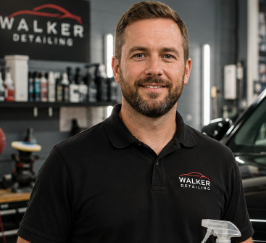
You want reliable places to buy bulk car cleaning products that save money and keep vehicles looking great. James Walker of Tech9AutoRepair.com points to wholesale suppliers, specialty car-care stores, and direct manufacturer channels as top options for buying in bulk. Buy from reputable wholesalers or manufacturers to get professional-grade products at lower per-unit costs and better consistency.
Start by checking trusted wholesale sites and specialty car-care suppliers that offer bulk soaps, waxes, sealants, microfiber towels, and polishing pads. James Walker notes that choosing suppliers who list product specs and offer samples helps you judge quality before committing to large orders.
Look for sellers who support shipping to your area, offer clear pricing tiers, and provide product safety data or performance guidance; that avoids surprises and wasted product. Building a relationship with suppliers can unlock better pricing, product advice, and faster restocks for your detailing needs.
Key Takeways
- Choose wholesalers or manufacturers that list specs and offer samples.
- Verify shipping, pricing tiers, and safety information before buying bulk.
- Maintain supplier relationships to secure better deals and product support.
Popular Wholesale Suppliers
Buyers should look for suppliers that stock professional-grade chemicals, bulk microfiber, pads, and coatings, offer clear bulk pricing, and provide shipping or local pickup options. Compare minimum order sizes, brand lines carried, and whether the supplier supports businesses with invoicing or tax-exempt accounts.
Specialty Detailing Distributors
Specialty distributors focus on car care brands used by professional detailers. They stock bulk-size bottles of shampoos, degreasers, ceramic coatings, and concentrated solutions from names like Meguiar’s, Mothers, and boutique ceramic brands. These suppliers often sell in case counts (12, 24) and offer trade pricing for shops and mobile detailers.
They usually provide technical data sheets and dilution guides, making it easier for a shop to switch chemicals safely. Some allow account setup for net terms and tax-exempt purchasing, which helps cash flow.
| What to Expect | Why It Matters |
|---|---|
| Bulk cases, concentrates | Lower cost per use, less storage turnover |
| Technical support and SDS | Safe, consistent use and compliance |
| Trade pricing and invoicing | Better margins and easier purchasing |
Automotive Parts Retailers
Large auto parts chains and regional distributors carry bulk cleaning supplies alongside parts. They often stock bulk wash soaps, tire cleaners, and common accessories like towels and pads. These retailers provide wide availability and multiple pickup locations, useful for shops that need fast restock.
Prices can be competitive, especially on mass-market brands. They usually support business accounts and may offer bulk-pack promotions during seasonal peaks, such as spring cleaning or holiday detailing periods.
Online B2B Marketplaces
Online B2B marketplaces aggregate many suppliers and let buyers compare prices and minimum orders quickly. Platforms list manufacturers, specialty distributors, and general wholesalers in one place. They make it simple to filter by package size, brand, or ship-to location.
Buyers can view seller ratings, shipping estimates, and bulk discounts before ordering. Marketplaces also handle invoicing and can support tax-exempt accounts, but buyers should check return policies and confirm chemical compatibility before large purchases.
Evaluating Product Quality
Buyers should check labels, test small samples, and read verified user feedback to confirm a product works on their vehicle type and meets safety needs.
Certifications and Industry Standards
They must look for recognized certifications that match the product type. For chemical cleaners, EPA Safer Choice, DOT labels for transport safety, and OSHA hazard communication (GHS) information matter. For protective coatings and waxes, ISO 9001 from the manufacturer or third-party lab test results for durability and UV resistance help verify claims.
A short HTML table helps compare key marks at a glance:
| Product Type | Relevant Certification or Standard | Why It Matters |
|---|---|---|
| Detergents & Soaps | EPA Safer Choice / SDS | Confirms ingredient safety and proper hazard info |
| Ceramic Coatings & Sealants | Independent lab durability tests / ISO | Shows real-world longevity and consistent manufacture |
| Tire & Trim Dressings | Volatile organic compound (VOC) compliance | Limits harmful emissions and legal compliance |
They should verify certificates on the supplier’s site or ask for test reports. Avoid claims without traceable documentation.
Customer Reviews and Feedback
They should use reviews to spot consistent strengths or recurring issues. Focus on reviews from professionals or large buyers when evaluating bulk packs, since they mirror heavy-use performance.
Look for specifics like dilution ratios, compatibility with machine systems, and real-world longevity. Negative feedback that repeats the same problem—like residue, color loss, or packaging leaks—signals a pattern to avoid. Prioritize reviews that include photos, dates, and buyer type (detail shop, dealership, fleet). Filtering for reviews mentioning bulk sizes or concentrated formulas gives more relevant insight for wholesale purchases.
Sample Orders and Testing
They should always request sample or trial-size orders before committing to bulk. Testing on a small fleet or a few vehicles reveals cleaning power, dilution needs, and any surface effects.
Create a simple checklist for tests:
- Measure cleaning effectiveness on common soils.
- Note required dilution and product yield per gallon.
- Observe effects on paint, trim, glass, and upholstery.
- Record scent, drying time, and any residue.
- Track cost per vehicle based on real usage.
They should run tests over several weeks to catch issues like fading or long-term residue. If a product fails any checklist item, they should decline the bulk order or renegotiate terms.
Purchasing Direct From Manufacturers
Buying straight from manufacturers can cut costs and offer control over product specs, minimums, and lead times. Companies should expect to negotiate pricing, shipping terms, and quality checks to match their volume needs.
OEM Options
OEM (original equipment manufacturer) purchases let buyers source branded formulas used by major detailing lines. They can order standard product lines—car wash soap, presoak, wax, glass cleaner—directly in bulk packs or drums, often at lower per-unit prices than distributors.
Volume minimums vary by supplier; some require pallet quantities while others accept smaller wholesale cases. Lead times range from days for stocked items to weeks for made-to-order runs. Buyers should request Certificates of Analysis, MSDS sheets, and shelf-life info before committing.
Typical negotiation points:
| Item | What to ask |
| Price breaks | Unit cost by tier (e.g., 1–5, 6–20, 21+ pallets) |
| Sample policy | Small trial sizes and test batch pricing |
| Delivery | Freight terms, lead time, palletization |
Private Label Partnerships
Private label deals let businesses sell custom-branded car care products made by the manufacturer. They can choose formulations, fragrances, and label design while the factory handles production and packaging.
Minimum order quantities tend to be higher than OEM stock orders, due to setup costs for custom labels, dyes, or fragrances. Turnaround includes artwork approval, pre-production samples, and final quality inspection. Buyers should get a written spec sheet covering ingredients, concentration, pH, and regulatory compliance.
Consider this checklist before signing:
- Request prototype samples and stability data.
- Confirm packaging options and labeling regulations.
- Negotiate re-order pricing and any exclusivity clauses.
Comparing Pricing Structures
Pricing usually falls into two patterns: lower per-unit cost when buying larger quantities, and predictable lower rates when committing to regular deliveries. Businesses should check minimum order sizes, tier breaks, and any fees tied to delivery or returns.
Volume-Based Discounts
Volume discounts lower the price per bottle, gallon, or case as order size increases. Suppliers often set tiers — for example, 1–24 units at retail price, 25–99 at 10% off, and 100+ at 20% off. Buyers should confirm whether tiers apply per SKU or across a mixed cart.
Large orders cut unit cost but raise inventory and storage needs. Calculate carrying cost versus savings and watch for expiration or stability limits on chemicals. Ask about freight rules: free shipping thresholds or pallet charges can change the real savings.
Negotiate packaging options. Buying concentrated formulas or larger drums usually gives better margins than single-use bottles. Verify return policies and damage allowances for bulk shipments.
Subscription Agreements
Subscriptions lock in regular shipments at set prices or with predictable discounts. They reduce buying time and smooth cash flow by fixing delivery cadence — weekly, monthly, or quarterly.
Contracts may include price caps, annual increases, or automatic renewals. Read terms on early termination fees and minimum commitment length. Some suppliers offer inventory management services that adjust delivery based on usage, reducing overstock risk.
Subscriptions can bundle services like private labeling or scheduled invoicing. Confirm whether discounts apply to all items or only selected SKUs. Ensure quality guarantees and inspection windows for recurring shipments.
Shipping and Delivery Considerations
Buyers should weigh freight costs, lead times, and regional stock when ordering large volumes. Selecting the right carrier, understanding pallet rules, and checking hazardous-materials handling will reduce delays and unexpected charges.
Bulk Freight Logistics
They should confirm whether suppliers ship via LTL (less-than-truckload) or full truckload (FTL). LTL suits orders under a full pallet; FTL lowers per-unit cost for multiple pallets. Ask the supplier for pallet dimensions, weight per pallet, and whether stretch-wrap or banding is included.
Request a freight quote that itemizes carrier, fuel surcharge, accessorials (liftgate, residential delivery), and delivery appointment fees. Insist on an estimated transit window and a packing list to speed receiving. For chemical cleaners, verify hazmat classification and packaging—incorrect documentation can trigger carrier refusal or fines.
Consider third-party logistics (3PL) or a freight broker for regular large orders. They can negotiate volume rates, handle claims, and arrange warehousing. Keep reorder points and safety stock to avoid rush shipments with high expedited fees.
Regional Availability
Regional warehouses cut transit times and shipping costs. Buyers should check if suppliers stock catalog items in nearby distribution centers or route everything from a central hub. Ask suppliers for a list of fulfillment centers and average transit days by ZIP code.
Seasonal demand and local regulations affect availability. In colder states, winter formulas may sell out faster; in some states, water-based or VOC-restricted products require compliant formulations. Confirm product variants and regulatory labels before ordering.
Use a simple comparison table to decide between suppliers:
| Factor | Local Distributor | National Supplier |
|---|---|---|
| Typical Transit Time | 1–3 days | 3–7 days |
| Shipping Cost (per pallet) | Lower within region | Lower for large volume |
| Product Variety | Smaller, curated | Broader selection |
| Compliance Support | Often strong locally | Varies by warehouse |
Eco-Friendly Product Choices
This section explains how to choose biodegradable formulas and sustainable packaging when buying bulk car cleaning products. It highlights practical labels, concentration, refill options, and materials to look for.
Biodegradable Solutions
Buyers should look for products labeled “biodegradable” with an ingredient list showing plant-based surfactants, not nonylphenol ethoxylates (NPEs) or phosphate boosters. Concentrated formulas matter: they reduce shipping and waste and let buyers measure dosage precisely. For pros who rinse into storm drains, choose products certified for aquatic safety or labeled “safe for waterways.”
Manufacturers often provide technical data sheets (TDS) that list biodegradation rates and toxicity tests; request or download the TDS before a large purchase. Refillable gallon jugs and concentrated refills lower plastic use and cost per wash. For background on biodegradation terms, see the biodegradation entry.
Sustainable Packaging
Sustainable packaging choices cut waste and can reduce costs over time. Prioritize products sold in bulk sizes (5-gallon pails, 55-gallon drums) made from recycled HDPE or that accept industry-standard drum returns. Look for clear labeling about post-consumer recycled content (PCR) percentage and curbside recyclability symbols.
Refill stations and closed-loop container programs are ideal for shops that wash many vehicles weekly. They avoid single-use bottles and often provide discounted pricing for refill contracts. Also consider concentrated liquids in small, sturdy totes (IBCs) for high-volume operations, which minimize handling and packaging per gallon.
Building Relationships With Suppliers
Good supplier relationships help businesses get steady pricing, priority shipping, and access to new products. They start with clear communication about order size, delivery schedules, and quality standards.
Buyers should vet suppliers by checking reviews, asking for samples, and confirming certifications. They can use trade sites and industry associations to compare vendors and learn norms; for background on supply chains, see supply chain management.
Negotiate simple contracts that cover price breaks for volume, return policies, and lead times. Reliable terms reduce surprises and help plan cash flow. Small, regular orders at first let buyers test service before scaling up.
Maintain regular contact with account reps and provide honest feedback on product quality and delivery. Prompt payment and predictable ordering build trust and often unlock better deals. Consider visiting a supplier or inviting them to the shop for a stronger, face-to-face relationship.
Keep records of prices, SKUs, and performance to spot trends and avoid surprises. If possible, diversify vendors so a single disruption won’t halt operations. A mix of local and national suppliers can balance cost and reliability.
FAQS
What types of bulk car cleaning products are available?
They can buy soaps, degreasers, waxes, sealants, ceramic coatings, microfiber towels, pads, and brushes. Sizes range from small multi-packs to gallon jugs and drums for shops.
Where should businesses buy bulk supplies?
Detail shops and car wash operators often order from wholesale suppliers and specialty auto-care distributors. Online wholesalers and manufacturers’ direct stores offer wide selections and lower per-unit prices.
How do bulk prices compare to retail?
Bulk packages usually lower the price per ounce or per use. Buyers should compare unit costs, shipping, and any minimum-order fees to see real savings.
Are there quality differences in bulk products?
Yes. Professional-grade products usually deliver better cleaning, durability, and safety for paint. Read product specs and reviews, and choose reputable brands or distributors.
What about shipping and storage?
Large volumes may incur higher shipping costs or require freight delivery. Store chemicals in a cool, dry place, keep lids tight, and follow label safety instructions.
Do bulk buys require special handling or permits?
Most consumer car-care products do not need permits. However, large quantities of certain solvents or hazardous chemicals may require special handling, reporting, or storage rules. Check local regulations and Safety Data Sheets (SDS).
How can buyers test products before buying in bulk?
They should buy small samples or single units first. Test performance on representative vehicles, check ease of use, and confirm compatibility with tools and paint finishes.
Conclusion
They can choose suppliers based on price, product range, and service. Bulk wholesalers and specialist detail suppliers often offer the best unit costs and professional-grade formulas.
Established online warehouses and trade suppliers give fast ordering and predictable stock. Local distributors and trade shows let buyers inspect products before purchase and build supplier relationships.
They should compare unit prices, minimum order quantities, and shipping costs. Also check return policies and whether the seller supports businesses with invoices or tax-exempt purchasing.
For easy decision-making, consider this quick checklist:
- Product quality and brand reputation
- Price per usable unit (not just per bottle)
- Shipping speed, cost, and minimum order size
- Support for businesses (invoicing, bulk discounts)
If they plan to resell or service fleets, prioritize consistent supply and supplier support. For one-off or small-volume needs, larger retail sites or local stores may be more convenient.
Choosing the right source means balancing cost, quality, and reliability. With that focus, they can buy smarter and keep detailing work efficient and profitable.
