
You often wonder who actually cleans the inside of your car. Professionals at detailing shops and mobile cleaners handle deep interior work, while car wash chains, dealerships, and specialty upholstery services cover a range of options depending on the job. For most thorough and safe results, trusted auto detailers or mobile cleaning teams perform interior car cleaning, using professional tools and products to remove stains, odors, and trapped grime.
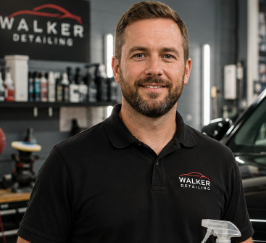
If you prefer to do it yourself, simple vacuuming, targeted stain treatments, and surface-safe cleaners can refresh your cabin without risks. Tech9AutoRepair’s James Walker notes that choosing the right products and methods prevents damage and keeps fabrics, leather, and trim looking their best.
Key Takeways
- Professional detailers and mobile teams offer the deepest, safest interior cleaning.
- DIY cleaning works for regular upkeep when using proper products and steps.
- Consider service type, cost, and product safety when picking a cleaning option.
Professional Auto Detailing Services
Professional detailers clean, restore, and protect vehicle interiors using trained staff, industry products, and specialized tools. They offer mobile or shop-based options, charge by package or by the hour, and can handle routine upkeep or deep restorations.
Types of Detailing Providers
Detailing comes from three main provider types: shop-based companies, mobile detailers, and franchise chains. Shop-based detailers work in a fixed location with controlled lighting and water access. They handle multi-step paint correction, heavy steam cleaning, and multi-day ceramic or fabric protection jobs.
Mobile detailers travel to residences or offices. They focus on convenience and quick turnarounds. Many mobile teams offer interior deep cleaning, stain removal, and short-term odor treatments using compact machines and water containment systems.
Franchise chains combine standard packages with brand training. They often provide clear package pricing and vetted cleaning protocols. This makes them a good choice for consistent, repeatable service.
Specialized Interior Cleaning Equipment
Professional interior cleaning uses equipment that DIYers rarely have. Common tools include hot-water extractors for carpets and upholstery, dry-steam cleaners for sanitizing without soaking, and dual-action polishers for vinyl and trim restoration.
Technicians also use HEPA vacuums to remove fine dust and allergens, foam injectors for deep fabric cleaning, and ozone or activated-carbon units for severe odor removal. Small-detailing tools like turbo brushes, crevice tools, and upholstery spotters handle tight seams and baseboards.
Supplies include pH-balanced cleaners, fabric protectants, leather conditioners, and anti-microbial solutions. Technicians match chemicals and tools to material type to avoid damage.
Quality and Thoroughness of Service
Quality depends on technician training, time spent, and inspection standards. Reputable shops use checklists that list tasks such as vacuuming, steam cleaning, shampooing, leather conditioning, and trim dressing. They document before-and-after photos for complex jobs.
Turnaround time varies: a basic interior clean often takes 45–90 minutes; deep cleans or restorations can take several hours to a full day. Pricing reflects labor intensity, stain complexity, and required products.
Use this quick comparison to evaluate providers:
| Provider Type | Typical Time | Common Strengths | When to Choose |
|---|---|---|---|
| Shop-based | 2–8+ hours | Heavy-duty cleaning, controlled environment | Deep restoration, ceramic or fabric protection |
| Mobile | 45–180 minutes | Convenience, quick touch-ups | Busy owners, interior refreshes |
| Franchise | 1–4 hours | Standardized service, clear pricing | Consistent results, predictable cost |
Mobile Car Cleaning Businesses
Mobile car cleaners bring full interior services to a customer’s driveway, office parking lot, or curbside spot. They typically offer time-saving visits, targeted packages for stains and odors, and online booking with on-site payment.
Convenience of On-Site Services
Mobile teams save the customer travel time and work at a chosen location. They carry water, vacuums, extractors, and product kits to handle seats, carpets, and dashboards without a shop visit. This works well for busy people, parents, or fleets that need many cars cleaned between jobs.
Weather and parking access matter. Technicians may require a covered spot or permission to use an electrical outlet. Appointments often list a time window, and professionals usually send arrival updates by text or email.
Mobile units can perform quick touch-ups or deeper steam and shampoo jobs. They often avoid the waiting rooms and can restore interiors while the owner works or runs errands nearby.
Popular Mobile Cleaning Packages
Mobile businesses group services so customers pick what they need. Common packages include:
| Package | Typical Tasks | Best For |
|---|---|---|
| Express Interior | Vacuum, wipe surfaces, window clean | Light dirt, quick refresh |
| Deep Clean | Shampoo carpets, upholstery extraction, stain treatment | Heavy soiling, spills, pet hair |
| Odor & Sanitizing | Ozone or disinfectant treatment, deodorizing | Smoke or strong smells |
| Full Detail | All interior + trim conditioning, leather care | Sell preparation, long gap between services |
Add-ons often include leather conditioning, fabric protection, and pet-hair removal. Prices vary by vehicle size and condition. Many companies offer flat rates for sedans and higher fees for SUVs or vans.
How to Schedule a Mobile Interior Cleaning
Customers usually book online, by phone, or via an app. The booking form asks vehicle type, desired package, and location. It often requests a photo of the interior for an accurate quote.
Choose a time window and confirm access instructions, such as building codes or parking rules. Ask whether the crew needs electricity or water. Read cancellation and rescheduling policies before payment.
On arrival, technicians may text a photo ID and note expected duration. Payment options typically include card, mobile pay, or cash. Customers should inspect the job and list any missed spots before technicians leave.
Do-It-Yourself Car Cleaning
DIY interior cleaning lets someone remove stains, hair, dust, and odors using basic tools, targeted cleaners, and time. It saves money and offers control, but it takes effort and some learning to avoid damaging surfaces.
Essential Cleaning Tools and Products
A few quality tools cover most jobs: a wet/dry vacuum with crevice attachments, a soft-bristle brush, microfiber towels, and a stiff brush for floor mats. For products, include pH-neutral upholstery cleaner for cloth, leather cleaner and conditioner for leather seats, and an all-purpose cleaner for vinyl and hard plastics.
Use a spray bottle of diluted carpet shampoo for mats and stains. Keep a toothbrush or small detailing brush for seams, vents, and stitching. For odors, baking soda or an enzymatic odor eliminator works better than scented sprays. Store items in a small caddy so they stay organized during the job.
| Item | Use | Notes |
|---|---|---|
| Wet/dry vacuum | Loose dirt, crumbs, pet hair | Use crevice tool for tight spots |
| Microfiber towels | Wiping, drying, buffing | Have several; don’t cross-contaminate |
| Upholstery cleaner | Cloth seats and carpets | Spot-test first |
| Leather cleaner & conditioner | Leather seats and trim | Apply conditioner after cleaning |
| Detailing brushes | Vents, seams, cup holders | Soft for delicate surfaces |
Benefits and Drawbacks of DIY
DIY saves money compared with professional detailing. Someone can target specific stains and maintain the car more often, which slows dirt buildup. Doing it at home also avoids scheduling and transport.
DIY requires time, sometimes several hours for a full interior. Without the right tools or techniques, a person can leave water marks, fade or scratch trim, or fail to remove deep odors. Tough stains, heavy pet hair, or set-in odors may still need a professional steam cleaning or extraction. For best results, learn small techniques like working from top to bottom and spot-testing cleaners before wide use.
Car Wash Chains and Franchises
Many national and regional chains offer interior cleaning as part of their menu. Services range from quick vacuuming and wipe-downs to full detail packages with shampooing and leather conditioning. Prices and features vary by brand and location.
Interior Cleaning Options Offered
Chains typically list several interior options: express vacuum and window wipe, interior clean upgrade, and full-service detailing. Express services include vacuuming, trash removal, and dash/glass wipe. They take 5–15 minutes and suit light dirt.
Interior clean upgrades add carpet spot treatment, fabric or leather wipe-down, and odor neutralizer. These usually take 20–45 minutes and work for moderate soil and stains.
Full detailing covers deep carpet shampoo, steam cleaning, leather conditioning, and stain extraction. These runs 1–3 hours and restore heavily soiled cabins. Some brands also offer subscription-based interior maintenance for regular customers.
Pricing and Service Levels
Pricing depends on service tier, vehicle size, and local market. Typical ranges:
- Express: $10–$25
- Interior upgrade: $25–$75
- Full detail: $80–$250+
Franchise locations often publish package names and inclusions online. Memberships or unlimited wash plans sometimes include discounted or free basic interior services. Add-ons like pet hair removal, odor treatment, and leather care cost extra.
Customers should compare exact inclusions, estimated time, and any guarantees before booking. They should also check for franchise-specific perks like loyalty points or bundled automotive services.
Specialized Upholstery and Carpet Cleaners
These services use machine-based cleaning, targeted chemical treatments, and spot-removal tools to restore fabric, leather, and carpet. They aim to remove dirt, oils, and odors while preventing shrinkage or surface damage.
Techniques for Deep Cleaning
Specialized cleaners use several proven methods depending on material and soil level. Hot water extraction (steam) pushes heated water and cleaning solution into fibers, then extracts grime with high-suction machines. This works well on fabric seats and carpets but requires thorough drying to avoid mold.
Encapsulation and dry-foam systems use low-moisture chemicals that bind dirt into crystals or foam for easy vacuuming. These options speed drying and suit delicate fabrics or quick service needs. For leather and vinyl, technicians use pH-balanced cleaners, soft brushes, and conditioning treatments to clean without stripping oils.
Below is a quick comparison of common methods:
| Method | Best For | Dry Time | Notes |
|---|---|---|---|
| Hot Water Extraction | Fabric seats, carpets | 6–12 hours | Deep clean, needs thorough drying |
| Encapsulation / Dry-Foam | Delicate fabrics, quick turnaround | 1–3 hours | Low moisture, fast drying |
| Leather Cleaning & Conditioning | Leather seats, trim | 30 minutes–1 hour | Clears dirt; conditioner prevents cracking |
Stain and Odor Removal Services
Technicians start with a fabric-safe spot test to choose the right solvent or enzyme cleaner. Protein stains (food, blood) get enzyme treatments that break down organic matter. Oil-based stains need solvent spotters and agitation to lift grease from fibers.
For odors, professionals use enzyme neutralizers for biological smells and oxidizing agents or ozone treatments for persistent chemical or smoke odors. They also apply encapsulating deodorizers that trap odor molecules for later vacuuming. High-powered HEPA vacuums and targeted agitation help extract residues after treatment.
Common stain treatments and targets:
- Enzymes: food, urine, blood
- Solvents: grease, oil, tar
- Oxidizers/ozone: smoke, strong chemical odors
Technicians document stain type and treatment used, so customers know what worked and any limitations, such as permanent dye transfer or fabric wear.
Dealership and Service Center Offerings
Dealerships and service centers often sell interior cleaning as a paid extra and can bundle it with routine maintenance. Pricing, scope, and timing vary by location, but options usually include vacuuming, surface wipe-downs, and stain treatment.
Interior Cleaning as an Add-On Service
Many dealerships list interior cleaning on their service menu as an add-on after inspection or repair. Typical tasks include vacuuming carpets and seats, cleaning vents and cup holders, wiping dashboard and trim, and treating stains or odors with spot cleaners or odor neutralizers. Dealers may offer tiered packages—basic vacuum and wipe, mid-level fabric shampoo or leather conditioning, and premium deep-clean or sanitizing services.
Customers usually choose add-ons at check-in or when scheduling service. Some centers provide photos before and after, and they may note limitations such as heavy pet hair, severe stains, or smoke damage that require extra charges.
Integration with Routine Maintenance
Service centers integrate interior cleaning into regular maintenance visits like oil changes, tire rotations, or multi-point inspections. Technicians or porters perform quick cleanups while the vehicle is in the bay, which keeps waiting areas tidy and speeds customer turnover.
For longer services, dealerships schedule more thorough interior work to coincide with multi-hour or overnight repairs. They track add-ons in the repair order so billing, time estimates, and any special instructions (e.g., use leather-safe products) are clear to both staff and customers.
Considerations When Choosing a Cleaning Service
Focus on proven skills, clear pricing, and services that match the car’s needs. Check customer reviews, ask about products and equipment, and compare final costs including add-ons.
Evaluating Expertise and Trustworthiness
They should show experience with the vehicle type and interior materials. Ask how long technicians have worked on leather, vinyl, or fabric, and request before-and-after photos of similar jobs. Verify certifications or training from recognized programs, and confirm whether the shop carries insurance for accidental damage.
Look for clear explanations of methods: which cleaners they use, whether they extract moisture, and if they use steam or shampoo. Read multiple reviews and watch for repeat complaints about missed spots or damage. If a provider offers a warranty or satisfaction guarantee, that adds trust.
Comparing Costs and Value
Compare base prices, typical ranges ($80–$180 for full interior detail; $45–$75 for a basic valet), and what each package includes. Ask for a written quote that lists tasks (vacuuming, steam cleaning, stain removal, odor treatment) and any extra fees for pet hair or heavy soiling.
Balance price with results: a low quote may skip deep-clean steps or use harsh chemicals. Consider hourly rates vs. fixed packages and check if the business uses high-quality tools like extraction machines. For product info on cleaning methods, see car detailing.
FAQS
Who provides interior car cleaning?
They can go to professional detail shops, mobile detailers, car wash centers, or dealership service departments. Some independent technicians and franchise chains also offer interior-only services.
What does interior cleaning usually include?
Typical tasks are vacuuming, wiping surfaces, shampooing carpets and seats, cleaning vents, and removing odors or stains. Leather may be conditioned and plastics treated for protection.
How long does it take?
Time varies by vehicle size and condition. A basic interior clean can take 30–60 minutes, while deep detailing may need 2–4 hours or more.
How much does it cost?
Prices depend on location, vehicle type, and how dirty the car is. Expect a range from low-cost wash-club upgrades to higher fees for deep cleaning and stain removal.
Can interior cleaning remove odors and stains?
Many services remove common odors and surface stains. Persistent smells or deep-set stains may need specialized treatments like ozone or enzyme cleaning and might not be fully removable.
Should a customer wait for the service?
Customers can drop off the vehicle or use mobile services that come to them. Drop-off works for longer jobs; mobile services suit quick cleans and convenience.
What should customers do before service?
They should remove personal items and point out problem areas. This helps the cleaner focus on stains, pet hair, or strong odors.
Are there membership or upgrade options?
Yes. Some shops and chains offer membership plans or interior-cleaning upgrades for a small fee to add to regular washes.
Conclusion
Interior car cleaning can be done by individuals, professional detailers, or automated services. Each option fits different needs, budgets, and time constraints.
DIY cleaning works for routine care and small messes. It saves money and gives control over products used, but may lack deep-cleaning tools and expertise.
Professional detailers offer thorough cleaning, stain and odor removal, and material-specific treatments. They use stronger tools and products and often protect surfaces against UV and wear.
Automated or mobile services provide convenience and speed. They handle basic to moderate cleaning well, though results vary by provider and package.
When choosing who cleans the interior, consider cost, the level of dirt or damage, desired results, and any health or environmental concerns. Clear communication about expectations and methods helps get the best outcome.
Quick checklist:
- Budget: low (DIY) to high (full professional)
- Urgency: immediate (mobile/automated) to scheduled deep clean (detailer)
- Results: basic freshness (DIY/automated) to deep restoration (professional)
- Health/safety: choose non-toxic options if needed
Choosing the right cleaner helps preserve the car’s value and comfort. Regular attention prevents bigger problems and keeps the cabin safer and more pleasant to use.
