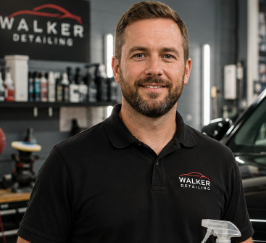
You want the best car cleaning products that actually work and won’t harm your paint or interior. James Walker at Tech9AutoRepair recommends a simple kit: a pH-balanced car wash, microfiber wash mitts and towels, wheel cleaner, upholstery cleaner, glass cleaner, and a reliable protectant like wax or a ceramic spray. These core items clean, protect, and make your car look newer without expensive professional help.
Knowing what to use and why saves time and money and prevents common damage like swirl marks, stained fabric, and degraded trim. The guide shares step-by-step tips from pro detailers, safe product choices, and smart shortcuts for keeping your car fresh between deep cleans.
Key Takeaways
- Use a small set of proven products to clean, protect, and maintain both exterior and interior.
- Follow safe methods to avoid paint scratches, fabric damage, and wheel corrosion.
- Choose quality tools and protective products to extend the vehicle’s appearance and value.
Essentials for Exterior Care
These items protect paint, trim, and glass while making cleaning faster and safer. Selecting the right soap, towels, and wash system reduces scratches and extends the life of protective coatings.
pH-Balanced Car Wash Soaps
A pH-balanced soap gently removes dirt without stripping wax or sealant. It typically sits near neutral pH (around 7) or slightly alkaline (up to ~9). This range cleans oils and road grime but keeps protective layers intact.
Look for labels that state “pH-balanced” or “safe for wax/sealant.” Concentrated formulas let users control suds and dilution, so one bottle can last many washes. Avoid household detergents like dish soap; they remove protective products and can dull paint over time.
Use 1–2 ounces of concentrate per gallon of water for a foam-rich wash. Mixing in a foam cannon or foam gun improves lubrication and lifts grit from the surface. Rinse thoroughly from top down to avoid re-depositing dirt.
Premium Microfiber Towels
Microfiber towels trap dirt and minimize scratching far better than cotton. Choose 300–400 GSM (grams per square meter) for general drying and 600–900 GSM for finishing and polishing. Higher GSM feels plusher and holds more water.
Keep separate towels for drying, glass, and buffing to avoid cross-contamination. Wash towels without fabric softener and dry on low heat to preserve the fibers. Replace torn or contaminated towels to prevent swirl marks.
A basic kit might include:
| Use | Recommended GSM | Notes |
|---|---|---|
| Drying | 300–400 | Large size, high absorbency |
| Finishing/Polishing | 600–900 | Soft, lint-free for wax and sealant |
| Glass | 200–300 | Low lint, streak-free |
Grit Guards and Buckets
A two-bucket system with a grit guard cuts swirl marks by keeping abrasive particles out of the wash mitt. One bucket holds soap water; the other holds clean rinse water. The grit guard sits at the bottom and traps sediment.
Use one wash mitt per side of the car and rinse it in the clean bucket before reloading soap. Plastic or stainless buckets with graduated measurements help maintain correct soap dilution. Stackable buckets with lids also prevent spills and keep tools organized.
Recommended setup:
- 5–6 gallon buckets for enough water volume.
- One grit guard per bucket (rubber or plastic grid).
- A dedicated rinse bucket and a lidded storage bucket for products.
Interior Cleaning Solutions
Interior cleaning focuses on three key areas: removing dirt and stains, protecting surfaces, and choosing the right product for each material. Use dedicated cleaners for plastics, fabrics, and leather to get professional results with fewer risks.
Dashboard and Console Cleaners
They should remove dust, oils, and sticky residue without leaving a greasy film. Look for pH-balanced, water-based sprays or foams from trusted brands like Meguiar’s, 303, or Chemical Guys. These cleaners lift dirt while protecting UV-sensitive plastics and trim.
Apply cleaner to a microfiber towel first, not directly to vents or screens. Use a soft brush for textured surfaces and compressed air for tight gaps. For an added layer of protection, choose a non-silicone protectant to reduce glare and repel dust without attracting grime.
Essentials: microfiber towels, soft-bristle brush, and a non-silicone protectant. Professionals often use concentrated interior sprays and detail brushes to speed up the job and avoid residue buildup.
Upholstery and Fabric Shampoos
Fabric seats and carpets need detergents that lift stains and rinse clean. Choose foaming upholstery cleaners or extracts designed for auto fabrics; diluted household cleaners can leave sticky residue or fade dyes. Brands often recommended by pros include Chemical Guys and specially formulated shop extracts.
Treat stains promptly with a targeted pre-spray and agitate with a brush. For deep cleaning, use a carpet extractor or wet-vac to remove dirt and moisture. Always test a hidden spot for colorfastness before full application.
Necessary tools: fabric shampoo, stain remover, stiff upholstery brush, and extractor or wet-vac. They help avoid mold and reduce long drying times that cause odors.
Leather Conditioners
Leather needs cleaners that remove dirt without stripping natural oils, followed by conditioners that restore suppleness. Use a leather-specific cleaner first; then apply a conditioner or cream from brands like Leather Honey or Chemical Guys’ leather kits. Avoid household oils and conditioners that contain harsh solvents.
Work in small sections. Clean with a soft cloth and a gentle brush for seams. Let the leather dry, then apply conditioner sparingly and buff with a clean microfiber to avoid sticky buildup. Conditioning every 3–6 months prevents cracking and keeps leather supple.
What professionals use: pH-balanced leather cleaners, protein-safe conditioners, applicator pads, and microfiber buffing cloths. These items form a basic kit for safe leather care.
Wheel and Tire Detailing
Keeping wheels and tires clean protects finishes and improves the car’s look. Use a pH-safe cleaner for painted wheels, a stronger iron-removal product for heavy brake dust, and a silicone-free dressing for tires that will not sling.
Dedicated Wheel Cleaners
They target brake dust, road grime, and iron particles stuck to rims. Choose based on wheel finish: acid-free, pH-neutral formulas for painted, clear-coated, or OEM alloy wheels; stronger acid or iron-removal formulas for very corroded steel or heavily contaminated wheels.
Apply cleaner to cool wheels, spray generously, and let it dwell per label—usually 1–5 minutes. Agitate with a soft brush or microfiber to lift deposits, then rinse with strong water pressure. Test on a small area first to avoid etching plated or chrome finishes.
Use an iron fallout remover when wheels show brown or purple staining from embedded brake dust. Avoid harsh wheel cleaners on porous finishes like polished aluminum; they can dull or pit the metal.
Tire Dressings
Tire dressings restore color and protect rubber against UV cracking. Pick between water-based (matte finish, low sling) and solvent-based (deeper shine, higher sling). For daily-driven cars or near landscaping, water-based is safer and less likely to run into grass.
Apply dressing to a foam applicator or dedicated sponge; do not spray directly to avoid overspray on rims or paint. Wipe excess after a few minutes for a uniform look and to reduce sling when driving. Reapply every 2–4 weeks depending on weather and wash frequency.
Look for dressings labeled “no-sling” and “silicone-free” if tires sit near painted trim or wheel wells. For long-lasting protection, consider a conditioning formula with UV inhibitors.
Wheel Brushes
Proper brushes reach tight areas and clean without scratching. Use a mix of brushes: a large soft-bristle brush for barrel and face, a slim long-handled brush for spokes and lug nut wells, and a soft-detailing brush for lug nuts and valve stems.
Match brush material to wheel finish. Microfiber or soft nylon for painted and clear-coated wheels. Brass or stiffer nylon can be used on bare metal or heavily corroded surfaces, but test first to avoid abrasion.
Rinse brushes frequently while cleaning to remove trapped grit. Store brushes dry and separate from paint-focused brushes to prevent cross-contamination. A dedicated brush set speeds the job and preserves wheel finishes.
| Task | Recommended Product | Tip |
|---|---|---|
| Remove heavy iron deposits | Iron fallout remover | Look for color-changing formulas to see it working |
| Protect rubber, reduce sling | Water-based no-sling dressing | Apply with foam pad; wipe off excess |
| Agitate tight areas | Slim soft-nylon brush | Rinse often to avoid scratching |
Glass and Mirror Cleaners
Glass products should remove road film, fingerprints, and water spots without leaving streaks or residue. They should also prevent fog and improve visibility in rain or at night.
Streak-Free Window Sprays
Streak-free sprays use solvents and surfactants to lift dirt then evaporate cleanly. A good product dissolves road grime, bug residue, and oily fingerprints without leaving a waxy film that causes glare.
Use a spray designed for auto glass rather than household glass cleaners that can leave residues or harm tinted films. Apply to vertical glass in short bursts, then wipe with a clean, lint-free microfiber in a top-to-bottom motion. Flip to a fresh side of the cloth as it soils to avoid re-depositing dirt.
Key product features to compare:
| Feature | Why it matters | What to look for |
|---|---|---|
| Ammonia-free | Protects window tint and interior plastics | Label says “ammonia-free” |
| Fast-evaporating solvent | Reduces streaks and drying marks | Low-residue formula |
| Foaming vs spray | Foam clings to vertical surfaces; spray is quicker | Choose foam for heavy grime, spray for quick wipes |
Anti-Fog Treatments
Anti-fog treatments create a thin hydrophilic layer that stops tiny droplets from forming. This reduces the milky haze that appears inside windows in cold or humid conditions.
Apply to clean, dry glass according to the label. Most come as wipes, sprays, or gels. Wipes offer easy, even coverage. Sprays and gels may need buffing with a microfiber to remove streaks. Reapply every few months or after heavy cleaning, especially on areas prone to breath or heater airflow.
Look for products that state compatibility with heated rear windows and tint. Avoid treatments that claim permanent results—environmental wear will require periodic reapplication.
Paint Protection Tools
Choose a protection method that fits the car’s use and the owner’s maintenance routine. Products vary by longevity, ease of use, and finish, so pick tools that match the chosen protection type.
Carnauba and Synthetic Waxes
Carnauba wax gives a deep, warm shine that suits older or darker paint. It comes in paste, liquid, and spray forms. Paste offers the longest open time for hand buffing. Liquids and sprays are faster but usually wear off sooner.
Application tools matter. Use a soft foam or microfiber applicator pad for even spread. Buff with a clean microfiber towel in overlapping passes. Work in small panels to avoid streaks. Expect protection to last 4–8 weeks with regular washing.
Key pros:
- Rich, glossy look
- Easy to apply by hand
Key cons:
- Shorter durability than synthetic options
- Needs frequent reapplication for strong protection
Paint Sealants
Paint sealants are synthetic polymers that bond to paint for longer-lasting protection. They come as liquid or spray formulas and often give a slick, reflective finish. A quality sealant can last 3–6 months on a garage-kept car.
Apply sealants on cool, clean paint. Use an applicator pad or dual-action polisher for even coverage. After curing (usually 10–30 minutes), remove residue with a plush microfiber towel. For best results, clay-bar the surface first to remove contaminants.
Key pros:
- Longer wear than natural wax
- Good chemical and UV resistance
Key cons:
- Finish can look slightly less warm than carnauba
- Some formulas require machine application for best results
Odor Removal and Air Freshening
Good odor control removes the smell source and then keeps the cabin smelling clean. Readers should look for products that neutralize odors, are safe for fabrics, and match the time they want the scent to last.
Enzyme-Based Deodorizers
Enzyme deodorizers break down organic odor sources like food, sweat, and pet messes. They contain enzymes or bacteria that digest proteins and oils, so the odor-causing material actually disappears instead of being masked.
Use enzyme spray on upholstery, carpets, and fabric liners. Spray lightly, let it sit 10–30 minutes, then blot or vacuum once dry. For heavy stains, pre-clean the area with a mild upholstery cleaner first so enzymes can reach the underlying residue.
Enzymes are safe for most fabrics but test a hidden spot for colorfastness. They do not work well on non-organic smells like fuel or some chemical odors, so choose a targeted solution when needed.
Long-Lasting Air Fresheners
Long-lasting air fresheners create a steady scent between deep cleanings. They come as vent clips, hanging containers, gel jars, or scent cans that slowly release fragrance over days to months.
Consider these points when choosing:
| Type | Runtime | Best Use |
| Vent clip | 2–8 weeks | Continuous scent while driving |
| Gel jar | 1–3 months | Parked car or glovebox |
| Scent can (slow-release) | Up to 90 days | Whole-car refresh after cleaning |
Avoid overpowering fragrances. Pick mild, naturally derived scents for frequent use and check product labels for allergens and volatile organic compounds. Replace or refresh according to the manufacturer’s runtime to prevent scent fatigue.
Tools for Deep Cleaning
These tools remove trapped dirt, pet hair, and stains from tight spaces and fabric. They focus on brushes and high-heat steam to lift grime without harsh chemicals.
Interior Detailing Brushes
Interior detailing brushes come in several sizes and bristle types for different surfaces. Use soft nylon brushes for dashboards and screens to avoid scratches. Stiffer brushes work well for carpet fibers and floor mats to loosen embedded dirt before vacuuming.
Look for brushes with angled handles or long, flexible necks to reach under seats and between seams. A set often includes micro-detailers for vents and seam work. Replaceable heads save money and keep tools sanitary.
Combine brushes with a pH-neutral cleaner for plastics and a fabric-safe upholstery cleaner for cloth seats. Work in small sections, agitate gently, then vacuum or blot with a microfiber towel to lift loosened soil.
Steam Cleaners
Steam cleaners use high-temperature steam to sanitize and loosen grime without heavy chemicals. They are effective on upholstery, carpets, floor mats, and some hard trim when used according to the manufacturer’s limits.
Choose a model with adjustable steam output and a pressure rating of at least 2–3 bar for deep-clean performance. Attachments matter: use a nozzle for seams, a brush head for fabric, and a squeegee for hard surfaces.
Always test steam on a hidden spot to check colorfastness and material tolerance. Work in short passes and follow with a microfiber towel or wet-dry vacuum to extract moisture and dissolved soils.
Eco-Friendly Options
Eco-friendly choices cut pollution and save water while still cleaning well. Focus on cleaners labeled biodegradable or plant-based and tools that can be reused many times.
Biodegradable Cleaners
They use plant-derived surfactants and break down quickly, reducing harm to drains and waterways. Look for products that list biodegradable surfactants, no phosphates, and minimal fragrances. Certified labels from third-party groups (read the bottle for the certifier) help verify claims.
Use diluted solutions for routine washing: a small capful per gallon of water cleans paint without wasting product. For stain removal or bug residue, choose a targeted biodegradable degreaser rather than a generic heavy chemical. Keep an eye on pH—neutral or slightly alkaline cleaners are safe for most paint, trim, and wax layers.
Below is a quick comparison of common biodegradable cleaner types:
| Type | Best Use | Notes |
|---|---|---|
| Plant-based car soap | Routine exterior washes | Gentle on wax; low suds |
| Biodegradable degreaser | Engine bays, wheel grime | Use spot-treated; rinse well |
| Interior fabric cleaner (natural) | Carpets and upholstery | Test small area first |
Reusable Cleaning Pads
Reusable pads cut waste and save money compared with single-use wipes. Microfiber pads capture dirt without harsh chemicals and hold water for even cleaning. Choose pads with a dense pile for paint and a looped or short pile for glass and trim.
Wash microfiber pads after each use on a gentle cycle without fabric softener; heat and softeners reduce their effectiveness. For heavy grime, pre-soak pads in a bucket with diluted biodegradable cleaner to loosen dirt before scrubbing. Keep separate pads for wheels and interiors to avoid cross-contamination.
Helpful selection tips:
- Fiber weight: higher GSM absorbs more dirt.
- Edge style: stitched edges last longer.
- Fastening: Velcro-backed pads fit many cleaning tools.
Convenient Car Cleaning Kits
These kits bundle the main tools and cleaners to save time and reduce guesswork. They typically include a wash soap, microfiber towels, a sponge or mitt, and a tire or glass cleaner so users can detail both inside and out with one purchase.
All-in-One Cleaning Sets
All-in-one sets aim to cover basic exterior and interior needs. A typical kit contains car wash soap (pH-balanced), a microfiber wash mitt, drying towels, an interior cleaner, and a small bottle of spray wax or sealant. Buyers should check for pH-neutral soap and look for microfiber labeled as 300–1000 GSM for better drying and scratch protection.
Look for kits that include clear usage instructions and separate containers for glass and upholstery to avoid cross-contamination. Well-known testers recommend kits that balance performance and safety; they often include a foam cannon or concentrated soap for stronger cleaning power. For more detail on paint care basics, see automobile detailing.
Specialty Kits for Specific Needs
Specialty kits target one job: wheels, upholstery, paint correction, or water-spot removal. A wheel kit will include a dedicated wheel cleaner, a stiff-bristled brush, and a sealant designed to resist brake dust. An interior kit might have fabric shampoo, a leather conditioner, and a soft detailing brush.
Buyers should match the kit to the vehicle’s materials: leather conditioner for leather seats, fabric shampoo for cloth, and a clay bar kit for contaminated paint. Professional detailers often recommend separate kits for wheels and paint to avoid transferring harsh chemicals. For technical cleaning methods and product safety, a reliable reference is the car wash overview.
Choosing Quality and Safe Products
Buy products that list ingredients and use instructions. Clear labels help users avoid damage to paint, trim, or interiors. If a product lacks a label, choose a different brand.
Look for pH-balanced cleaners for exterior paint and glass. Neutral-pH shampoos are gentler on wax and sealants. Heavy-duty degreasers should be used only on wheels or engine bays.
Choose microfiber towels and soft brushes to reduce scratches. Microfiber lifts dirt away instead of rubbing it back into surfaces. Always use separate towels for wheels, glass, and paint.
Consider environmental and health safety. Biodegradable formulas reduce runoff into storm drains. If someone wants more background on ingredient safety, they can check reputable resources like Wikipedia on car washing for general practices.
Test any new product on a hidden spot first. A small patch test shows how the surface reacts before full use. This prevents costly mistakes on visible areas.
Buy from brands with clear return policies and good reviews. Warranties or satisfaction guarantees indicate a company stands behind its product. User reviews also reveal real-world performance and safety.
FAQS
What should someone use for a basic car wash?
They should pick a pH-balanced car wash soap, a soft wash mitt, and two buckets (one for wash, one for rinse). This combo reduces swirl marks and removes dirt safely.
How often should a car be detailed?
They should do a light interior clean every 1–2 weeks and an exterior wash every 1–4 weeks depending on use. A full detailing can be done every 6–12 months for paint protection.
Is microfiber always best for cleaning?
Microfiber works well for most tasks because it traps dirt and is gentle on surfaces. They should use different colored cloths for glass, paint, and interiors to avoid cross-contamination.
Can household cleaners replace car products?
Some household cleaners can harm car surfaces. They should avoid strong detergents, bleach, or ammonia on paint and upholstery. Use products formulated for cars when possible.
What about protecting paint after cleaning?
They can use wax, paint sealant, or paint protection film for different protection levels. Wax gives shine and short-term protection; sealants last longer and offer stronger protection.
Which products help with pet hair and odors?
A rubber pet hair brush and a high-quality vacuum help remove hair. For odors, an enzymatic cleaner targets biological smells; they should test it on a small area first.
Quick checklist:
- Wash soap, mitt, two buckets
- Microfiber towels (separate uses)
- Interior cleaner and vacuum
- Glass cleaner and tire cleaner
- Wax or sealant for protection