
Car cleaning wax is a product that removes light surface grime or minor scratches and leaves a protective, glossy layer on the paint. It combines mild abrasives or cleaners with waxy protectants so you get cleaning, polishing, and protection in one step.
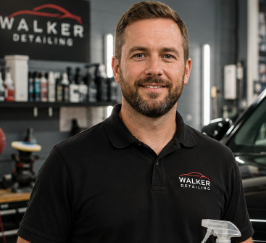
Tech9AutoRepair technician James Walker notes that cleaner wax works best on slightly weathered finishes and helps hide small swirls while adding water beading and UV defense. If you want a quick way to boost shine and guard your paint between deeper polish jobs or ceramic coatings, wax is a practical, DIY-friendly choice.
Key Takeaways
- Cleaner wax both cleans light defects and leaves a protective shine on the paint.
- Choose the wax type based on paint condition and how long you want protection to last.
- Apply wax after a proper wash and follow product directions for best, long-lasting results.
Types of Car Cleaning Wax
These wax types differ in ingredients, durability, shine, and ease of use. Each choice affects how long protection lasts, how deep the gloss looks, and how easy the product is to apply and remove.
Natural Carnauba Waxes
Carnauba wax comes from the leaves of the Brazilian carnauba palm. It creates a warm, deep gloss that many detailers and car owners prefer for show-quality shine. The finish looks rich on dark paints and gives strong water beading.
Carnauba is a natural, hard wax. It typically lasts 4–8 weeks on daily-driven cars and slightly longer with careful washing. It can be harder to apply evenly and often requires more buffing than synthetics.
People choose carnauba for appearance rather than long-term protection. It pairs well with a paint sealant underneath: the sealant adds durability, while carnauba boosts the mirror-like gloss.
Synthetic Waxes
Synthetic waxes use polymers and resins to form a protective layer on paint. They are designed for longer durability, often lasting 2–6 months depending on conditions and product quality.
Synthetics shine differently from carnauba. The gloss can be very bright and reflective, and these products resist UV, bird acid, and road salts better. They also tend to be easier to apply and remove, which saves time.
Many synthetic formulas combine cleaning agents and UV inhibitors. This makes them a practical choice for daily drivers and people who want lower maintenance and stronger weather protection.
Spray vs. Paste Formulas
Spray waxes are lightweight and fast to use. They usually work as a quick topper after washing or between major details. Sprays offer instant shine and minor protection, but they wear off faster—often in weeks.
Paste waxes are thicker and often used for traditional carnauba or harder synthetic blends. They can yield a deeper gloss and typically last longer than sprays when applied correctly. Paste takes more time: application, dwell, and buffing steps are needed.
| Format | Ease of Use | Durability | Best Use |
|---|---|---|---|
| Spray | Very easy, quick | Low (weeks) | Quick details, between washes |
| Paste | Moderate, more labor | Moderate to high (months for synthetics) | Show finish, longer protection |
Key Functions and Benefits
Car cleaning wax improves shine, adds a thin protective layer, and helps water run off the paint. It also fills tiny surface imperfections and makes regular cleaning faster.
Enhancing Paint Appearance
Wax restores and boosts gloss by filling microscopic surface flaws in the clear coat. These oils and polymers sit on top of the paint and create a smoother surface that reflects light more uniformly, which increases depth and wet-look shine.
Application matters: a thin, even layer applied after washing gives the best visual gain. Over time, wax wears, so reapplication every few months keeps the finish looking fresh. For faded or dull paint, a cleaner wax or light polish before waxing removes oxidation and lets the wax layer perform better.
Protecting Against Contaminants
Wax acts as a sacrificial barrier between the paint and environmental contaminants like road grime, bird droppings, and UV rays. It reduces direct contact that can etch or dull the clear coat, lowering long-term damage risk.
Protection is not permanent. Different wax types last different lengths: natural carnauba lasts weeks to a few months, while synthetic polymer or sealants can last several months. Regular reapplication and prompt removal of aggressive contaminants (bird droppings, tree sap) help maintain protection.
| Contaminant | How Wax Helps | Notes |
|---|---|---|
| UV rays | Reflects some UV and reduces fading | Does not replace paint correction or ceramic coatings |
| Bird droppings & sap | Makes removal easier if cleaned quickly | Acidic spots still need fast attention |
| Road grime | Reduces sticking and eases washing | Not a substitute for deep decontamination |
Water Beading Effect
Wax creates a hydrophobic surface that causes water to bead and roll off paint. Beading reduces water spots and shortens drying time after rain or washing.
Beads form because wax lowers surface energy, so drops stay round and slide away. This trait makes spotting leaks and drips easier and shows when wax needs reapplying: flat sheets of water mean the hydrophobic layer is gone. For long-lasting water repellency, consider periodic re-waxing or using longer-lasting sealants.
Comparing Waxes to Other Car Care Products
Waxes add shine and short-term protection by forming a thin, sacrificial layer on paint. Sealants and polishes serve different jobs: sealants focus on longer protection from UV and water, while polishes correct paint defects and prepare the surface for protection.
Wax vs. Sealant
Waxes are usually natural (carnauba) or synthetic blends that produce deep gloss and slipperiness. They last from a few weeks to a few months depending on product and weather. Users choose wax when they want a warm, rich shine and easy application.
Sealants are mostly synthetic polymers. They bond more strongly to paint and last longer—often three to six months or more. Sealants give very durable water beading and UV defense but can look glossier or more “slick” than “deep” compared with carnauba wax.
| Typical Longevity | Main Benefit | Best Use | |
|---|---|---|---|
| Wax (carnauba) | 2–8 weeks | Warm, deep gloss | Show cars; quick touch-ups |
| Sealant | 3–6+ months | Durable protection | Daily drivers; long-term defense |
They can be layered: apply a polish, then a sealant, and finish with a wax for appearance and durability. That sequence combines paint correction, long protection, and final shine.
Wax vs. Polishes
Polishes remove small paint defects like swirl marks, oxidation, and fine scratches by lightly abrading the clear coat. They do not leave a protective film. Users apply polish before any protective product to restore smoothness and clarity.
Waxes do not correct defects. They sit atop the paint to enhance shine and offer temporary protection. For best results, one polishes first, then applies a wax or sealant to protect the newly restored surface.
Key differences to consider:
- Purpose: polish = correction; wax = protection/shine.
- Timing: polish first; protect after.
- Tools: polishing often needs a pad and polisher; waxing can be done by hand or machine.
A simple workflow table clarifies the steps:
| Step | Action | Product |
|---|---|---|
| 1 | Remove defects | Polish (abrasive) |
| 2 | Protect and add shine | Sealant or Wax |
Application Methods
This section shows the main ways to apply car wax and the tools and steps that matter for each. It focuses on how to get even coverage, correct drying time, and a clean buff for best protection and shine.
Hand Application Techniques
They should start with a clean, dry surface and a pH-neutral car shampoo wash. Use a clean foam or microfiber applicator pad and work one panel at a time to avoid the wax drying too long.
Apply a thin, even layer with light, overlapping circular or straight strokes. Thin layers cure more evenly and buff off easier than thick globs. Follow the product label for haze time—usually a few minutes—then check a small area: when the wax turns uniformly dull or hazy, it is ready to buff.
Buff with a soft, clean microfiber towel using light pressure and a circular motion. Flip the towel to a clean side often to avoid reapplying removed wax. For tight seams or trim, use cotton swabs or a detailing brush to remove residue.
Pros: low cost, gentle on paint, good for spot work. Cons: more elbow grease and time for full cars, and inconsistent pressure can leave streaks.
Machine Application Techniques
They should use a dual-action (DA) polisher for safety and consistency, not a rotary for most waxes. Choose a soft foam pad sized to the machine and the panel being worked.
Apply a few dime-sized drops of liquid or paste wax to the pad and spread it on the panel at low speed before turning the machine up slightly. Work in 2×2 foot sections with overlapping passes. Keep the pad flat and move at a steady pace to avoid heat spots or swirl marks.
Allow the product to break or haze per instructions, then switch to a clean microfiber pad or towel to buff. Clean or replace pads often to prevent contamination. Machine application saves time and gives more uniform pressure, but requires practice and gentle touch to avoid paint damage.
Factors to Consider When Choosing a Wax
Choose a wax based on how it performs in your local climate and how long you need protection. Think about ease of use, shine preference, and how often you will reapply.
Weather Suitability
Different wax formulas respond differently to rain, sun, and cold. Carnauba wax gives a deep, warm gloss but wears faster in hot, sunny climates and during frequent washes. Synthetic or polymer-based waxes resist UV rays and heat better, so they suit cars parked outdoors in strong sun.
For wet or rainy areas, look for products labeled “water beading” or “hydrophobic.” These help runoff and reduce water spots. In cold climates, choose a wax that stays pliable at low temperatures; some hard waxes can become brittle and harder to apply.
Use this quick comparison to pick by climate:
| Climate | Best Wax Type | Key Benefit |
|---|---|---|
| Hot/Sunny | Synthetic/polymer | Better UV and heat resistance |
| Wet/Rainy | Hydrophobic formulas | Improved water beading and runoff |
| Cold | Soft liquid or synthetic | Easier application, won’t crack |
Longevity and Durability
Longevity depends on ingredients, application, and exposure. Carnauba offers great shine but usually lasts 2–6 weeks under regular use. High-quality synthetic waxes or sealants can last 3–6 months or longer with moderate care.
Consider how often the car is washed and if it sits outside daily. Frequent washing and exposure to road salt or tree sap shorten wax life. Also check product claims for durability and independent test results when possible.
Application method affects durability too. Hard paste waxes and some sealants require more effort but often bond better to paint. Spray or quick-apply waxes save time but typically need more frequent reapplication.
Care and Maintenance After Waxing
Waxing locks in shine and protection, but it still needs basic care to last. Proper washing and knowing when to reapply will keep the finish effective and reduce the risk of damage.
Proper Washing Practices
They should wait at least 24 hours after waxing before wetting the paint to let the wax cure. Use a pH-neutral car shampoo and a soft wash mitt to avoid stripping the wax. Wash in straight, overlapping strokes rather than circular scrubbing to reduce swirl marks.
Rinse thoroughly with low-pressure water before soaping to remove grit. Dry with a clean microfiber towel or a blower to prevent water spots. For quick touch-ups between washes, a spray detailer helps restore gloss without removing the wax layer.
Avoid automatic brush car washes and strong household detergents. If contaminants like bird droppings or tree sap land on the paint, remove them quickly with a safe cleaner and a soft cloth to prevent staining.
Signs That It’s Time to Reapply
They should inspect the finish monthly. Look for reduced water beading or flat, dull spots—these indicate the wax is thinning. Run a finger over the paint; if it feels rough or the slickness is gone, the barrier has worn.
Environmental exposure shortens wax life. If the car spends lots of time in sun, near saltwater, or under industrial fallout, reapply every 4–8 weeks. For garage-kept cars with light use, wax may last 3–4 months.
When washing no longer restores the shine with a quick detailer, plan a reapplication. If using a manufacturer’s wax, follow its label for specific recoat intervals and cure times. For more on protective coatings and their differences, see automotive paint.
Common Mistakes to Avoid
They often wax a dirty or contaminated surface. Dirt and grit trapped under wax can cause swirl marks and light scratches. Always wash and dry the car thoroughly before waxing.
Applying wax in direct sunlight or on hot paint reduces control. Wax can dry too fast, leaving haze and streaks. Work in shade and keep panels cool.
Using too much product wastes wax and makes removal hard. A thin, even layer gives better coverage and shines more easily. Start with small amounts and add more if needed.
Buffing with dirty or abrasive towels creates micro-scratches. Use clean, soft microfiber towels and change them if they pick up residue. Rotate towels to avoid reintroducing dirt.
Choosing the wrong product for the paint or climate causes poor results. Some waxes don’t bond well to certain finishes or fail in humid conditions. Read labels and match the wax to the car’s paint type and weather.
Rushing the process often produces uneven protection. Follow the manufacturer’s cure times and remove residue methodically. Patience yields a longer-lasting finish.
They sometimes skip paint correction before waxing. If the surface has oxidation or deep swirl marks, polish first for better adhesion and shine. For basics on paint care, see this automotive reconditioning overview.
Mixing products without knowing compatibility can harm the finish. Use products from trusted sources and test a small area first. For product standards and testing tips, consult trusted detailing references.
FAQS
What is car wax and why use it?
Car wax is a product that adds a thin protective layer over the paint. It enhances shine and helps guard against dirt, UV light, and light water spotting.
How often should it be applied?
Frequency depends on the wax type and conditions. Natural carnauba may last 4–6 weeks, while synthetic sealants can last several months.
Does wax fix scratches?
Wax does not remove deep scratches. It can fill tiny surface imperfections and improve appearance but won’t repair paint damage.
Is cleaner wax worth using?
Cleaner wax combines mild abrasives with wax. It saves time by polishing and protecting in one step, but it is not a substitute for full paint correction when severe flaws exist.
Can wax protect against rust and chips?
Wax helps repel moisture and contaminants but does not stop chips or corrosion under exposed metal. Regular waxing reduces long-term paint wear.
Should wax be applied to a dirty car?
No. Wax should be applied to a clean, dry surface. Dirt or grime trapped under wax can scratch the paint and reduce protection.
Which type of wax is best for an average car owner?
Synthetic waxes and cleaner-waxes offer good durability and easy application. Carnauba gives rich gloss but needs more frequent reapplication.
How to remove old wax?
Use a gentle wash and a clay bar or a dedicated wax remover if buildup exists. Follow with fresh wax for best results.
Conclusion
Car cleaning wax creates a thin protective layer on a vehicle’s clear coat. It boosts shine, repels water, and makes dirt easier to remove.
They can be natural or synthetic, with different lifespans and finishes. Users pick products based on how long they want protection and how much gloss they prefer.
Applying wax after a proper wash gives the best results. Regular waxing helps reduce water spots and light surface contamination.
A simple comparison helps decide quickly:
- Paste wax: high shine, shorter durability.
- Liquid wax: easier to apply, balanced protection.
- Spray wax/quick-detailers: fastest, least durable.
- Synthetic sealants: longer-lasting, sometimes less depth of gloss.
They should follow label instructions and work in shade on a cool surface. Using clean applicators and microfiber towels prevents scratches.
When used correctly, wax improves appearance and adds a modest layer of protection. It complements, but does not replace, paint correction or professional coatings.
