
You can make good money cleaning and detailing cars if you use smart pricing, focus on repeat customers, and offer services that match local demand. A well-run car cleaning business can be low-cost to start and scale into a steady, profitable operation when you combine quality work, the right products, and strong local marketing.
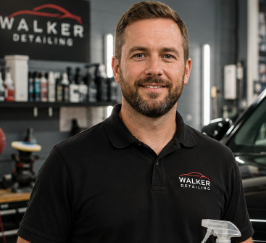
James Walker of Tech9AutoRepair.com notes that customers pay more for reliable results and paint protection, so offering safe washing, paint correction, wax, and ceramic coatings raises revenue and builds trust. Start small with mobile or curbside services, master safe cleaning and protection methods, and use clear packages to turn first-time clients into recurring ones.
Key Takeaways
- Local demand and smart pricing drive steady income.
- Low startup costs make mobile or small shops easy to launch.
- Quality techniques and protective services boost customer loyalty.
Industry Demand Trends
The car cleaning industry is growing due to higher vehicle ownership, more urban customers, and new service models like mobile detailing. Customers now pay for convenience, protection services, and eco-friendly options.
Market Growth Drivers
Rising vehicle ownership and urbanization push steady demand for car cleaning. More people living in cities leads to less private washing space and greater use of mobile or app-based detailing services.
Higher disposable income increases spend on premium services such as ceramic coatings, paint protection film, and interior sanitization. These services command higher prices and longer intervals between repeat sales, raising lifetime customer value.
Innovation also fuels growth. Waterless and steam cleaning reduce environmental impact and lower operating costs. Service providers who add subscription plans and app bookings capture recurring revenue and attract busy professionals.
Consumer Behavior Analysis
Consumers prioritize convenience, protection, and health. Many choose on-demand, at-home detailing to save time. Urban customers often book through apps or online platforms rather than walk-in shops.
Interest in vehicle hygiene rose after recent public health concerns, boosting demand for deep interior cleaning and antimicrobial treatments.
Price sensitivity varies. Value-conscious customers choose basic exterior washes and express services. Affluent buyers opt for premium packages like ceramic coating and paint correction. Repeat business often depends on quality, trust, and membership perks.
| Customer Segment | Typical Services | Buying Driver |
|---|---|---|
| Budget-conscious | Basic wash, vacuum | Low price, speed |
| Urban professionals | Mobile detailing, subscriptions | Convenience, time saving |
| Premium owners | Ceramic coating, PPF | Protection, resale value |
Regional and Seasonal Variations
Demand rises in regions with higher vehicle density and disposable income, such as metropolitan areas in North America and parts of Asia. Rural areas show lower demand for premium detailing but steady basic wash needs.
Seasonal patterns affect service mix. Spring and summer increase exterior wash demand after winter road salt and grime. Fall and pre-winter months drive interior deep cleans and protective services to prepare cars for harsh weather.
Weather events and local regulations also matter. Areas with water restrictions favor waterless or steam methods, pushing businesses to adapt services and pricing to local rules.
Startup Costs and Initial Investment
Initial costs vary by business type and scale. Key expenses include tools and chemicals, a physical site or service vehicle, and the permits and registrations required to operate legally.
Equipment and Supplies
They need basic and specialty tools. Basic items include pressure washers ($300–$1,200), vacuum cleaners ($150–$700), extractors ($400–$2,500), and a set of brushes and microfiber towels ($50–$300). Chemical costs start small but add up: soaps, waxes, sealants, and interior cleaners typically run $200–$1,000 to stock a small operation.
Higher-end detailing tools like orbital polishers ($80–$400) and paint-correction kits ($150–$1,000) raise initial spend but let them offer premium services. Consumables—pads, towels, masks, and trash liners—require ongoing purchase. A simple HTML cost table helps compare likely ranges:
| Item | Typical Cost Range (USD) |
|---|---|
| Pressure washer | $300–$1,200 |
| Vacuum | $150–$700 |
| Extractor | $400–$2,500 |
| Polisher | $80–$400 |
| Initial chemical stock | $200–$1,000 |
Facility and Mobile Options
They must choose between a fixed shop and mobile service. A basic mobile setup can start around $1,000–$5,000 for equipment, containers, and marketing. It needs a reliable vehicle and secure storage for tools and chemicals.
A leased bay or small shop costs more. Rent, utilities, water treatment, and waste disposal push startup costs into the tens of thousands. On-demand or franchise models often require $10,000–$50,000 initial investment when vehicles, booking software, and branding are included. They should budget for vehicle outfitting, storage, and any retrofit work.
Licensing and Registrations
Legal compliance prevents fines and business interruptions. They must register the business and get local business licenses, which usually cost $50–$500 depending on location.
Environmental rules matter. Water discharge permits or waste-water recycling systems may be required, especially for fixed sites. Insurance—general liability, garage keepers, and workers’ comp—adds ongoing cost; initial premiums often start around $500–$2,000 per year. Contractors should check state and municipal requirements before opening.
Profitability Factors
Key drivers of profit are how services are priced, control of labor and overhead, and revenue from add-on services. Each area affects margins, startup recovery, and cash flow in concrete ways.
Pricing Strategies
They should set prices to cover labor, supplies, and desired profit per job. Calculate a base rate using hourly labor cost (wages + taxes), product costs (cleaners, waxes, towels), and vehicle time. For example, if labor cost is $25/hour, products $5/car, and average job takes 1.5 hours, the break-even price is about $42.50 before profit.
Use tiered packages (basic wash, full detail, ceramic coat) to match customer needs and increase average ticket. Offer fixed prices for common vehicle types (compact, SUV, truck) to simplify quoting. Use dynamic pricing for peak times or mobile calls. Track utilization and adjust prices quarterly to keep margins above target.
Labor and Overhead Expenses
Labor is the largest recurring cost. They must hire enough staff to meet demand but avoid idle payroll. Schedule by bookings and track technician productivity (cars per shift). Pay structure matters: hourly wages plus performance bonuses or a commission per job can raise output and control base costs.
Overhead includes rent, utilities, insurance, and equipment like pressure washers and vacuums. A mobile setup cuts rent but raises vehicle and fuel costs. Estimate startup equipment: pressure washer ($300–$1,000), extractor ($400–$2,000), buffers ($50–$400), and supplies ($200–$800). Initial startup costs typically range from a few thousand for a basic mobile kit to $50k+ for a fixed shop. Monitor fixed versus variable costs monthly and cut low-use subscriptions or excess inventory.
Service Upselling Opportunities
Upsells boost profit quickly when priced right. Common high-margin add-ons include paint correction, ceramic coatings, headlight restoration, and upholstery shampoo. They should price add-ons based on time and consumables; ceramic coatings can command several hundred to over a thousand dollars for extensive service.
Train staff to identify upsell chances during inspections and use a simple checklist to present to customers. Create bundles that make add-ons feel like savings compared to single pricing. Use maintenance plans (monthly or quarterly) and membership programs to lock in recurring revenue and improve lifetime customer value.
Service Offerings and Niches
A car cleaning business can earn revenue by mixing standard packages with targeted niche services. Pricing, equipment, and staff skills change with each offering, so owners should match services to local demand and profit margins.
Interior vs. Exterior Cleaning
Interior cleaning focuses on vacuuming, shampooing carpets, cleaning upholstery, and treating leather or plastics. It often requires extractors, fabric cleaners, leather conditioners, and odor removal tools. Deep interior jobs can command higher prices because they take more time and use specialized chemicals and machines.
Exterior cleaning covers washing, clay bar decontamination, polishing, and waxing or paint sealants. It needs pressure washers, dual-action polishers, microfiber towels, and proper drying tools. Detailing that includes paint correction or ceramic coatings will raise revenue but requires more training and longer turnaround times.
Many shops sell packaged combos (e.g., “interior detail + exterior polish”) to increase average ticket size. Offering tiered packages—basic wash, full detail, premium paint protection—helps customers choose and makes upsells easier.
Eco-Friendly and Specialty Services
Eco-friendly services use waterless washes, biodegradable cleaners, and low-VOC products. They appeal to customers in cities with water restrictions or to buyers who value green practices. Investing in portable water reclamation units can win commercial permits and reduce utility costs.
Specialty services include odor elimination, pet-hair removal, stain extraction, headlight restoration, and engine bay cleaning. Each specialty uses unique tools: ozone generators for odors, fine-tooth rakes for pet hair, and polishing kits for headlights. These add-ons are high-margin and easy to promote as bolt-ons to standard packages.
A simple HTML table helps compare typical add-ons:
| Service | Common Tools | Typical Price Add-on |
|---|---|---|
| Odor elimination | Ozone generator, enzymatic cleaners | $40–$150 |
| Pet-hair removal | Fine rakes, vacuums, adhesives | $20–$75 |
| Headlight restoration | Sanding pads, polish, sealant | $50–$120 |
Commercial and Fleet Contracts
Commercial accounts include taxi fleets, delivery vans, dealerships, and municipal vehicles. These contracts offer steady revenue and predictable work volume. They usually require written service-level agreements and scheduled visits.
Pricing for fleets often uses per-vehicle or monthly subscription models. A company might charge $8–$25 per vehicle for basic wash services, or $200–$1,000+ monthly for dedicated maintenance depending on fleet size and service frequency. Owners should calculate labor time, chemical costs, travel, and any volume discounts.
To win contracts, businesses should offer reliable scheduling, proof of insurance, and billing terms. Tracking vehicle counts, service logs, and photos helps meet client expectations and retain long-term accounts.
Customer Acquisition Tactics
Focus on channels that bring repeat customers and steady bookings: targeted online ads, local partnerships, and rewards that encourage referrals and frequent visits.
Digital Marketing Approaches
They should use a mix of local SEO, paid ads, and social proof to drive traffic. Claim a Google Business Profile with accurate hours, service lists, and photos so customers find the shop in local searches and on Google Maps. Run Facebook and Instagram ads targeting drivers in a 5–15 mile radius; promote package deals and mobile-detailing availability. Use short video clips showing before/after results and post them on social platforms for higher engagement. Collect emails at checkout and send simple monthly offers and service reminders. Track cost per booking and return on ad spend (ROAS) to stop low-performing campaigns quickly.
Loyalty and Referral Programs
They should create simple, measurable programs that reward repeat business. Offer a punch-card or digital points app: after five washes, give a free interior vacuum or a discount on a premium detail. Incentivize referrals with a dual reward—$10 off for the referrer and $10 off for the new customer—to motivate word-of-mouth. Automate reminders and point balances through email or SMS so customers know when they’re close to a reward. Keep terms clear: expiration dates, excluded services, and transfer rules. Monitor redemption rates to adjust reward value and avoid profit erosion.
Partnerships with Local Businesses
They should partner with firms that share customers but don’t compete. Arrange steady referrals with real estate agents, car dealerships, ride-share fleets, and nearby offices. Offer on-site demos or pop-up mobile washes at large employers during lunch hours. Negotiate cross-promotions with nearby coffee shops or gyms—discount bundles work well together. For credibility and community reach, link to trusted sources when explaining industry practices, such as detailing standards on Wikipedia. Track referral volume from each partner and offer small commissions or service credits to keep partnerships active.
Operational Challenges
Operational success hinges on reliable staff, consistent quality checks, and plans for busy days. Each area requires clear procedures, measurable standards, and budgeted resources.
Staff Recruitment and Training
Finding workers who care about detail and customer service matters most. Owners should advertise specific skills like paint-safe washing, interior shampooing, and machine polishing. Screen for safety awareness and willingness to follow procedures. Offer a written task checklist during interviews to test knowledge.
Train new hires with a hands-on program that lasts at least one week. Start with product safety and equipment use, then move to supervised jobs on real cars. Use simple progress tests and photo examples of acceptable work. Pay for certification if available and track training hours per employee in a spreadsheet.
Keep turnover low by offering predictable schedules, small performance bonuses, and clear paths to higher pay for skill gains. Use short daily briefings to set targets and weekly reviews to fix skill gaps.
Quality Assurance Processes
Define measurable standards for each service: wash, wax, upholstery cleaning, trim restoration. Create a one-page checklist for each service that lists step order, product names, and acceptable tolerance (for example, no more than one streak per panel). Require employees to initial the checklist for every job.
Use a two-step inspection: a peer check right after service and a manager spot-check on at least 10% of cars daily. Log defects in a simple defect tracker and analyze weekly to spot recurring issues tied to a product or person. Keep before/after photos on file for dispute resolution and staff coaching.
Set a rework policy with time limits and free-correction rules to protect reputation. Track customer feedback and net promoter scores to measure long-term quality trends. Review products quarterly; swap items that cause common defects.
Managing Peak Periods
Identify peak times from booking data — weekends, paydays, and pre-holiday weeks are typical. Build a flexible staffing roster that adds part-timers or shifts longer hours during identified peaks. Maintain a pool of trained on-call workers to handle sudden surges.
Control workflow with staged bays: separate quick exterior-only slots from full-detail bays to reduce bottlenecks. Use timed slots and clear service durations in the booking system to prevent overbooking. Charge a peak surcharge or require deposits for busy dates to reduce no-shows.
Keep extra consumables and backup equipment on hand. Plan a simple escalation protocol for breakdowns: move jobs to alternate bays, offer a partial service credit, and document the issue. Review peak performance after each busy period and adjust staffing ratios and slot lengths based on actual throughput.
Future Outlook and Opportunities
Car cleaning shows steady demand and room for profit. New tools, greener methods, and added services create clear pathways for growth and higher margins.
Technological Advancements
Automation and mobile booking change how customers buy car cleaning. High-pressure steam systems, touchless wash rigs, and robotic vacuums cut labor time and raise throughput. Operators can add app-based scheduling, GPS routing for mobile teams, and contactless payment to boost convenience and repeat business.
Data also helps. Simple CRM tracking of service history and upsell preferences increases average ticket size. Shops that adopt digital inspection photos and service reminders see better retention.
Invest in tested tech first: a booking app, a quality steam cleaner, and a point-of-sale that links to customer records. That keeps costs predictable while improving service speed and quality.
Sustainability Trends
Customers prefer low-water and eco-friendly options. Waterless wash formulas, closed-loop recycling systems, and biodegradable cleaners reduce environmental impact and lower utility costs. These steps also open contracts with fleets that require green vendors.
Marketing sustainability matters. Shops can list specific metrics—gallons saved per wash or certifications held—to show value. Partnerships or certifications from recognized groups add credibility; for basic industry context see Wikipedia on car wash methods.
Government incentives or local rebates may offset equipment costs for water-saving systems. Tracking energy and chemical use can turn sustainability into measurable savings and a clear sales point for corporate customers.
Potential for Expansion
Service diversification raises revenue per customer. Add-ons like paint protection, ceramic coatings, interior ozone treatment, and fleet maintenance contracts bring higher margins. Mobile detailing can expand service area without high real-estate costs.
Target markets clearly: ride-share drivers, delivery fleets, used-car dealers, and corporate fleets. Offering subscription plans or scheduled fleet packages secures recurring income. Franchising or a multi-van model scales well once systems and SOPs prove profitable.
Use simple metrics to guide expansion: customer acquisition cost, average revenue per service, and break-even distance for mobile jobs. These numbers help decide whether to add staff, vehicles, or a fixed-location shop.
FAQS
What is the typical startup cost?
Startup costs vary. A basic mobile setup can start low, often under $5,000, while a full shop with equipment and premises can cost $20,000–$100,000 or more depending on location and scope.
How long until the business becomes profitable?
Profitability depends on pricing, demand, and expenses. Many small detailers see profit within 6–18 months if they control costs and build repeat customers.
Is mobile detailing better than a fixed shop?
Mobile detailing has lower overhead and can reach customers where they are. A fixed shop can handle more jobs and larger services but carries higher rent and utility costs.
What qualifications or training are needed?
No formal degree is required. Training in detailing techniques, paint care, and equipment use helps. Certification courses and hands-on experience improve quality and credibility.
How can they attract and keep customers?
Good service, clear pricing, and online reviews drive new business. Loyalty programs, subscription plans, and follow-up reminders help retain clients.
What are common risks and challenges?
Seasonal demand, competition, and equipment costs pose challenges. Proper insurance, good bookkeeping, and diversifying services reduce risk.
Is car cleaning environmentally safe?
It can be if eco-friendly products and water-saving methods are used. Regulations vary by area, so compliance and proper waste disposal are important.
What profit margins can be expected?
Margins vary by service mix. Basic washes have lower margins; detailing and specialty services like ceramic coatings yield higher margins when priced correctly.
Conclusion
Car cleaning can be a viable business for people who plan well and work smart. It fits both part-time and full-time goals and has low initial costs compared with many trades.
Success depends on local demand, consistent quality, and good customer service. They should price services to cover labor, supplies, and overhead while leaving room for profit.
Marketing and repeat customers matter more than flashy equipment. They can grow faster by offering mobile service, subscriptions, or add-on detailing packages.
Risks include competition, seasonal demand, and rising supply costs. They must track finances, manage time, and adapt services to stay competitive.
Quick checklist for a strong start:
- Define target customers and services.
- Set clear, competitive pricing.
- Invest in reliable tools and training.
- Promote locally and ask for reviews.
With discipline and steady execution, car cleaning can become a stable income stream or scale into a larger business.
