
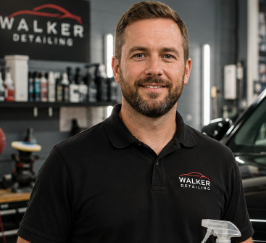
You want a clean car without wasting water or time. Car dry cleaning uses low- or no-water products and tools to lift dirt, stains, and grime from both the interior and exterior, often with eco-friendly sprays, microfiber cloths, and specialized machines. It gives fast, effective cleaning that protects surfaces while using little to no water.
This method suits quick touch-ups, stain removal, and interiors that need gentle care. James Walker from Tech9AutoRepair.com notes pros use the right chemicals and techniques to avoid damage and get longer-lasting results, so DIYers should follow product instructions and work in small sections for best results.
Key Takeaways
- Dry cleaning uses minimal or no water with targeted products and tools.
- Proper technique and products prevent damage and extend results.
- Professional service offers deeper cleaning, while DIY works for spot care.
Defining the Process of Car Interior Cleaning
Car interior cleaning removes dirt, stains, odors, and contaminants from seats, carpets, hard trim, and vents. It uses targeted tools and products to restore surfaces and protect them from wear without harming materials.
Key Steps Involved
Detailing begins with a full inspection to note material types, stains, and odors. Technicians vacuum seats, carpets, and crevices to remove loose dirt and debris.
Next comes agitation and extraction. Cleaners are applied to fabric and carpet, brushed or agitated to lift soil, then extracted with a wet/dry vacuum or extractor. For leather, a pH‑balanced cleaner is used with gentle brushes and a microfiber towel.
Hard surfaces get an all‑purpose or dedicated trim cleaner, followed by dressing or protectant. Vents and crevices receive compressed air, brushes, and steam if needed. Final steps include glass cleaning, deodorizing, and reinspection.
Types of Materials and Surfaces Treated
Common interior surfaces include fabric upholstery, leather, vinyl, plastic trim, carpet, headliner, and glass. Each surface needs a matched product: fabric cleaners and extractors for cloth, leather cleaner and conditioner for hides, and mild, pH‑neutral cleaners for vinyl and plastic.
Delicate surfaces like suede, Alcantara, and painted or carbon fiber trim get low‑moisture methods or specialized cleaners. Electronics and screens are cleaned with low‑moisture wipes and soft cloths to avoid damage. For heavy soils, steam or hot water extraction may be used, but technicians test a hidden area first.
Here is a quick reference table of common surfaces and preferred methods:
| Surface | Preferred Method | Notes |
|---|---|---|
| Cloth upholstery | Vacuum → fabric cleaner → agitation → extractor | Pre‑treat stains; avoid overwetting |
| Leather | pH‑balanced cleaner → soft brush → conditioner | Test colorfastness; avoid harsh solvents |
| Vinyl & plastic | All‑purpose cleaner → microfiber wipe → protectant | Use UV protectant to prevent fading |
| Headliner | Low‑moisture cleaner → gentle blotting | Do not saturate to avoid sagging |
Differences from Standard Car Wash
Interior cleaning focuses on the cabin and uses different tools and chemicals than a typical exterior wash. A standard car wash mainly removes road grime from paint and wheels with pressure washers and soap.
Interior cleaning relies on vacuums, extractors, brushes, steam, and specialty cleaners designed for fabrics, leather, and plastics. It addresses smells, deep stains, and hidden dirt in vents and under seats—tasks an exterior wash does not cover.
Dry cleaning methods (low‑moisture cleaning and steam) are often used inside to limit wetting and speed drying. This makes interior cleaning safer for electronics and delicate materials than heavy water use.
Main Benefits for Vehicle Owners
Dry cleaning saves water, protects fabrics, and removes smells and allergens with targeted products and tools. It uses microfiber cloths, low-moisture cleaners, and gentle agitation to clean without soaking materials.
Preservation of Upholstery
Dry cleaning reduces fabric and leather exposure to water, which helps prevent shrinking, dye transfer, and stiff leather. Technicians use pH-balanced, low-moisture detergents and soft brushes to lift dirt from fibers rather than saturating them. This method keeps foam padding from getting waterlogged, which slows mold growth and helps seat cushions keep their shape.
For leather, conditioners are applied after dirt removal to maintain suppleness and prevent cracking. For cloth seats, spot-treatment follows by microfiber drying to remove residual cleaner. These steps extend the usable life of upholstery and save on costly repairs or reupholstery later.
Enhanced Hygiene and Allergen Reduction
Dry cleaning removes dust, pet hair, pollen, and dust-mite allergens without heavy moisture that can trap particles. Vacuuming with high-efficiency tools and using anti-allergen sprays or encapsulating cleaners pulls out small particles from seams and carpet fibers.
An example table shows common targets and techniques:
| Target | Dry Technique | Benefit |
|---|---|---|
| Pollen | HEPA vacuum + microfiber wipe | Reduces allergic reactions |
| Pet hair | Rubber brush + vacuum | Removes hair from fabric and crevices |
| Dust mites | Dry enzyme or encapsulator spray | Neutralizes allergens without soaking |
These steps make cabin air fresher and lower the risk of sneezing and irritation for sensitive passengers. They also help maintain resale value by keeping interiors visibly clean.
Odor Removal Techniques
Dry cleaning addresses odors with targeted, low-moisture methods that avoid locking moisture into padding. Technicians first identify odor sources—spill residue, mildew, smoke, or pet accidents—and then apply appropriate treatments.
Common techniques include enzymatic sprays for organic stains, activated charcoal or baking soda for neutralizing odors, and ozone or hydroxyl treatments for deep smoke removal when safe and professional. Microfiber extraction and rapid drying steps follow to remove residues. This layered approach removes smells rather than just masking them, leaving the cabin more pleasant for drivers and passengers.
Professional Methods and Equipment
Car dry cleaning uses targeted tools and methods to remove dirt, stains, and odors with little or no water. Professionals choose systems that protect paint, fabrics, and electronics while cutting drying time and water use.
Dry Foam and Steam Technology
Dry foam cleaners use thick, low-moisture foam sprayed onto upholstery and carpet. The foam encapsulates dirt and lifts it to the surface. Technicians agitate with a soft brush, then extract the residue with a vacuum or blot with microfiber towels. This limits soak-through and reduces drying time to a few hours.
Steam cleaners use heated, low-pressure steam to loosen grime on fabric, vinyl, and hard surfaces. Steam kills many bacteria and dissolves oils without chemical residues. Operators keep the nozzle moving and control steam volume to avoid overheating or wetting padding beneath upholstery.
Key benefits:
- Fast drying compared to wet shampooing.
- Less risk of mildew or water damage.
- Effective on grease and body oils when combined with proper detergents.
Vacuum Extraction Methods
Wet-dry extraction machines combine agitation, detergent application, and suction to remove soils. Technicians spray a controlled cleaning solution, scrub fibers, then use a powered wand that injects hot water and immediately vacuums it back out. This pulls out embedded dirt and shortens drying time.
Portable extraction units serve tight spots and car interiors. They vary in suction power, water tank size, and nozzle design. The table below compares common machine types:
| Type | Suction Power | Best Use | Dry Time |
|---|---|---|---|
| Truck-mounted | High | Full-detail jobs, deep stains | 1–3 hours |
| Portable extractor | Medium | Interior spots, quick jobs | 2–6 hours |
| Handheld vac wand | Low–Medium | Tight areas, spot cleaning | 3–8 hours |
Technicians must monitor solution concentration and use multiple passes for heavy soils. Proper filtration and tank maintenance prevent cross-contamination.
Eco-Friendly Cleaning Solutions
Waterless and low-water cleaners use surfactants, polymers, and lubricants to trap dirt and protect surfaces. They come as sprays, concentrated liquids, or tablets that dissolve in small water volumes. Professionals pick pH-balanced formulas for paint, leather, and fabrics to avoid fading or drying out materials.
Biodegradable detergents and enzyme cleaners address organic stains and odors without harsh solvents. Detailers often carry dilution charts and labels to ensure safe mixing. The list below shows practical choices:
- pH-neutral all-purpose cleaners for dashboards and door panels.
- Enzyme-based spotters for food, urine, and organic stains.
- Polymer-based drying aids to reduce water spotting on paint.
Using eco products reduces runoff and complies with local water restrictions. Technicians still test products in hidden spots to confirm compatibility before full application.
Typical Pricing and Service Options
Prices and options vary by vehicle size, the level of cleaning, and add-on services. Basic dry cleaning often costs less, while deep fabric restoration, stain removal, or odor treatments raise the price.
Average Cost Ranges
Typical national ranges in 2026 put basic dry-clean-style interior refreshes between $50 and $150.
More thorough interior dry cleaning that includes seat shampooing, steam cleaning, and fabric protection usually runs $150 to $350.
High-end jobs—deep stain extraction, full odor removal, or specialty fabric care—can exceed $350, sometimes reaching $500 for large SUVs or heavy contamination.
| Service Level | Typical Price | Common Inclusions |
|---|---|---|
| Basic Refresh | $50–$150 | Vacuum, wipe-down, light fabric cleaning |
| Standard Dry Clean | $150–$350 | Seat steam/encapsulate, spot treatment, fabric protectant |
| Deep/Restore | $350–$500+ | Stain extraction, odor removal, full interior shampoo |
Package Versus Single-Service Pricing
Detail shops usually offer packages that bundle multiple interior services at a lower combined price than buying each separately.
A common package might include vacuuming, steam clean seats, carpet extraction, and fabric protectant for one set price. This saves 10–30% versus add-on pricing.
Single services let customers target one problem—stain extraction, odor treatment, or UV fabric guard.
Shops price single services from $25 for a spot treatment to $150+ for intensive stain or odor work. Mobile detailers may add a travel fee of $20–$75.
Factors Affecting Service Charges
Vehicle size changes labor and material needs: small cars cost less, full-size SUVs and vans cost more.
Condition matters a lot; heavy staining, pet hair, or mold requires extra time and stronger products, so fees rise.
Location influences price: urban areas and high-cost regions charge more.
Service method also matters—steam and encapsulation use more labor than a surface dry-clean and can increase cost.
Add-ons like fabric protectors, odor neutralizers, or specialty upholstery cleaners each add $20–$150 depending on product and coverage.
DIY Approaches Versus Professional Services
This section compares doing dry cleaning at home with hiring a pro. It highlights what tools, time, and risks each option brings.
Accessibility of At-Home Techniques
Many homeowners can perform basic dry cleaning using spray-line upholstery cleaners, microfiber cloths, a soft brush, and a wet-dry vacuum. These items sell at auto stores and cost much less than a single professional visit. Small stains, dust removal, and fabric refreshes respond well to spot-clean sprays and gentle agitation with a brush.
However, deep soiling, ink, or old stains often need extraction machines or specialty solvents that most people do not own. Professionals bring truck-mounted extractors, controlled drying, and stain-specific chemistry. They also protect trim and electronics when cleaning modern interiors. Time matters too: a DIY session can take one to three hours, while pros finish faster and reduce risk of re-soiling from improper drying.
Common Mistakes in DIY Cleaning
A frequent error is using too much water or wrong solvent on porous surfaces. That causes fabric shrinkage, dye bleed, mildew, or warped trim. Users should test a hidden spot first and follow product dilution instructions.
Another common problem is aggressive scrubbing with stiff brushes. That frays fabric and rubs dirt deeper into fibers. People also skip proper drying and leave damp areas, which invites mold and odors. Finally, relying only on household cleaners—like general degreasers or carpet shampoos—can strip protective coatings or leave sticky residues that attract more dirt.
Comparing Car Dry Cleaning With Other Detailing Services
Car dry cleaning saves water and targets light soil without harsh chemicals. It works quickly on fabric, vinyl, and leather and often costs less than full-detail options. The next two subsections compare dry cleaning to waterless cleaning and deep shampooing, focusing on time, results, and ideal use cases.
Waterless Cleaning
Waterless cleaning also aims to reduce water use but differs in method and scope. It uses spray-on lubricants and microfiber cloths to lift dirt from painted surfaces. This method suits lightly soiled exteriors and quick touch-ups. It does not remove heavy grime, tar, or embedded brake dust, and it risks scratching if the vehicle is very dirty.
For interiors, waterless exterior products are not recommended. Dry cleaning for interiors uses low-moisture cleaners or foam designed for upholstery and carpet. That makes dry cleaning safer for interior fabrics and tougher stains than exterior waterless sprays.
Pros and cons at a glance:
- Pros: fast, low water, good for light dirt.
- Cons: not for heavy grime, higher scratch risk on neglected paint, limited interior use.
Deep Shampooing
Deep shampooing targets heavily soiled carpets, cloth seats, and floor mats. Technicians apply a foaming cleaner, agitate with brushes, then extract the solution with a wet vacuum. This process removes ground-in dirt, pet hair residues, and older stains that dry cleaning often cannot fully remove.
Deep shampooing requires drying time—often several hours to a day—so the vehicle may be out of service longer. It uses more water and powerful extraction tools, which can add cost. However, it restores texture and removes odors in ways low-moisture dry cleaning cannot.
When to choose deep shampooing:
- When fabrics feel stiff, have set-in stains, or smell musty.
- When previous dry cleaning gave partial results and deeper action is needed.
Choosing a Reliable Provider
Look for a provider that proves skill and uses safe, eco-friendly products. Check credentials, real customer feedback, and examples of past work before booking.
Certifications and Experience
A reliable provider shows formal training and clear experience with dry cleaning methods like waterless wash, steam interior cleaning, and fabric-safe stain removal. Ask for certificates from detailing organizations or training schools and for proof of insurance that covers accidental damage. Experience matters: a technician who has worked on a wide range of cars — leather seats, suede headliners, clear coats — will know which chemicals and tools avoid harm. Request before-and-after photos or a portfolio with recent jobs. Also ask how long they have used specific eco-friendly products and whether they follow manufacturer care guides for fabrics and paint.
Customer Reviews and Reputation
Customer feedback reveals how consistently the provider delivers quality work and handles problems. Read recent online reviews and look for comments about punctuality, communication, and whether promised results matched reality. Check for responses to complaints; a professional will address issues and offer fixes. For local context, compare ratings across platforms and ask for references from nearby customers. If uncertain, inspect a car the provider recently serviced in person. For general background on industry standards, see a neutral source like car wash practices.
Aftercare and Maintenance Tips
After dry cleaning, they should avoid heavy rain for at least 24 hours to let sealants and coatings bond fully. If water lands on the surface, blot it gently with a clean microfiber cloth to prevent spots.
They should wash the car gently between dry cleanings using a pH-neutral shampoo and plenty of water to keep contaminants from embedding in the paint. Use a soft wash mitt and rinse often to reduce the risk of scratches.
For quick upkeep, a blower or a soft microfiber towel works well to remove light dust without rubbing. A leaf blower or car dryer can reach crevices and speed drying without contact.
They should protect treated surfaces with a maintenance spray or spray wax every 4–8 weeks to maintain hydrophobic properties. This helps repel water and reduce streaks after future washes.
Inspect rubber seals, trim, and glass after cleaning. Use a dedicated trim restorer and glass cleaner to keep these areas functional and clear.
For deeper learning about coatings and safe cleaning products, readers can check general coating information on Wikipedia on car wax. For professional standards on car care practices, a resource like the Specialty Coffee Association shows how trade groups publish care guidelines (note: use for format example only).
FAQS
What is car dry cleaning?
Car dry cleaning, also called waterless or dry washing, uses special sprays or foams to lift dirt without large amounts of water. It cleans the surface with minimal rinsing and usually requires microfiber cloths to wipe residue away.
Is dry cleaning safe for paint?
When done correctly, it is safe. It needs the right products and soft, clean microfiber towels to avoid scratching the paint.
When should someone choose dry cleaning over a regular wash?
They choose dry cleaning where water is limited, for quick touch-ups, or when they want an eco-friendly option. It also works well for light dirt rather than heavy mud.
What are the limits of dry cleaning?
Heavy mud, salt, or thick grime often needs a traditional wash. Dry cleaning may not remove stuck-on contaminants or deep stains.
How often can dry cleaning be used?
It can be used frequently for maintenance. Still, occasional full washes and deep detailing help protect the finish and remove contaminants dry methods miss.
What tools and products are needed?
Basic needs: a waterless wash product, several clean microfiber towels, and a spray bottle. Professionals may use specialized cleaners and finishing sprays.
Will dry cleaning save water?
Yes. It uses far less water than a full hose-and-soap wash, making it a good choice in drought-prone areas or where water use is restricted.
Conclusion
Car dry cleaning offers a low-water, efficient option for keeping vehicles clean inside and out. It uses targeted products and tools to remove dirt, stains, and odors without soaking surfaces.
This method helps protect paint, fabrics, and electronics from water damage. It also saves time and reduces the chance of water spots or rust when done correctly.
People should weigh cost, care needs, and environmental goals when choosing dry cleaning. For heavy grime or badly stained upholstery, traditional wet cleaning may work better.
Benefits include water conservation, faster turnaround, and gentle care for sensitive materials. Drawbacks include limits on deep soil removal and the need for proper technique.
Tips for success:
- Use quality, product-specific cleaners.
- Work in sections and follow manufacturer instructions.
- Test products on hidden areas first.
When performed properly, dry cleaning keeps vehicles presentable and helps preserve interior and exterior surfaces. It serves as a practical option for routine maintenance and for owners who want a quicker, eco-friendlier clean.
