
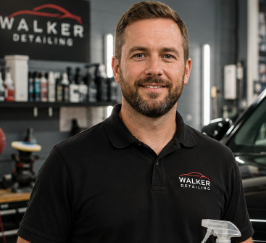
By James Walker
Quick Answer: For most cars, you need a pH-neutral car wash soap, two buckets with grit guards, a microfiber wash mitt, microfiber drying towels, an interior all-purpose cleaner, glass cleaner, and a soft-bristle interior brush. Avoid dish soap and household cleaners, since they can strip wax and dry out interior trim.
Knowing what to use for car cleaning can feel confusing because store shelves are packed with soaps, sprays, and gadgets that all claim to be “the best.” Some products are genuinely useful, while others can dull paint, dry out leather, or leave streaks behind. This guide breaks down exactly what to use for car cleaning inside and out, in the right order, with the right tools, so you get a safe and consistent result whether you’re washing a daily driver or a family SUV.
This article is for general educational and purchasing guidance only. It does not guarantee vehicle performance or safety outcomes and does not replace advice from a qualified mechanic or auto technician. Some tasks may require the work of a licensed/registered professional or compliance with local vehicle regulations. Always check your vehicle’s manual, warranty terms, and current local regulations, and consult a qualified professional when needed.
What “Car Cleaning Products” Actually Means
When people ask what to use for car cleaning, they’re usually talking about two separate categories: exterior wash products (soap, wax, tire care) and interior cleaning products (upholstery cleaner, glass cleaner, dashboard care). These two categories use different chemistry. Exterior products are built to rinse away safely and protect painted surfaces. Interior products are built to clean fabric, plastic, and glass without leaving a greasy residue that attracts dust. Mixing the two up is one of the most common reasons people end up with streaky glass, dull paint, or sticky dashboards.
In my testing experience, most of the disappointment people feel after a home car wash comes down to using the wrong product for the wrong surface, not a lack of effort. Getting the basics right matters more than buying expensive gear.
Why the Right Products Matter for Your Car
Choosing the right products isn’t just about appearance. Harsh household cleaners, degreasers, or dish soap can strip wax or sealant off paint, leaving it more exposed to sun and road grime. Ammonia-based glass cleaners can dry out and discolor tinted windows over time. Rough sponges or dirty towels can create fine swirl marks in the clear coat, which show up as scratches under sunlight. So when you’re deciding what to use for car cleaning, you’re also deciding how well your car’s surfaces hold up over the next few years.
How Cleaning Products Work, in Simple Terms
Most car wash soaps are pH-neutral or slightly acidic, which means they lift dirt without eating into wax or sealant the way alkaline dish soap does. Interior cleaners typically use mild surfactants that break down oils from skin contact and food residue without leaving a sticky film. Glass cleaners work best when they’re ammonia-free, especially on vehicles with tinted windows. Understanding this basic chemistry helps you avoid guessing when you’re standing in the cleaning aisle wondering what to use for car cleaning.
Comparing Your Main Product Options
Before you buy anything, it helps to see how the common options compare side by side.
Tools and Vehicle Compatibility
What to use for car cleaning also depends on your vehicle type. Larger SUVs and trucks usually need a longer-handled wash brush and more soap volume per wash, while smaller hatchbacks and sedans can often be washed with a single bucket setup if you’re careful. Vehicles with matte paint finishes need cleaning products specifically labeled as matte-safe, since regular wax-based products can create shiny patches. Leather-seated vehicles need a dedicated leather cleaner and conditioner rather than a generic all-purpose spray, since generic sprays can dry leather out over repeated use.
Step-by-Step: A Full Car Cleaning Routine
Here is a practical order to follow once you’ve gathered the right products.
Rinse the exterior with plain water first to loosen loose dirt and grit before any soap touches the paint.
Wash with pH-neutral car shampoo using a microfiber mitt, working top to bottom and rinsing the mitt in a separate bucket to avoid dragging grit across paint.
Rinse thoroughly and dry with a clean, dedicated microfiber drying towel to avoid water spots.
Vacuum the interior, including seat gaps, footwells, and the trunk area, before applying any liquid cleaner.
Wipe down dashboard, doors, and console with an interior-safe all-purpose cleaner and a microfiber cloth, spraying the cloth rather than the surface directly near electronics.
Clean glass inside and out with an ammonia-free glass cleaner, using separate cloths for interior and exterior glass.
Finish with tire dressing and a light exterior wax or spray sealant if the paint is already in good condition.
This flow works whether you’re doing a quick weekly refresh or a deeper monthly clean, and it’s the same logical order most detailers follow when deciding what to use for car cleaning at each stage.
Here’s how that same routine looks as a visual flow.
Full Cleaning Process Flow
This flow is a practical guide, not a strict scientific standard. Skipping the initial rinse is the single most common reason people scratch their paint while washing.
Safety Considerations When Cleaning Your Car
Most car cleaning is low-risk, but a few situations call for extra caution. Working near the engine bay with degreasers requires letting the engine cool first to avoid burns. Pressure washers should never be aimed directly at electrical connectors, sensors, or door seals at close range, since forced water can cause corrosion or trigger warning lights. If you use any wheel or engine cleaner in an enclosed garage, ventilate the space to avoid inhaling fumes.
Safety Note: Always read the product label before use. Some interior and engine-bay cleaners are not safe for skin contact without gloves, and some should not be used near open flames or while the engine is running.
Deciding what to use for car cleaning also means knowing when a product is genuinely risky versus when it’s simply less ideal.
Safety Decision Path
Is the engine cool and off? → Yes: safe to clean the bay carefully. No: wait before applying any product.
Is the space ventilated? → Yes: proceed with sprays. No: open doors or move outdoors first.
Is the product labeled for this surface? → Yes: apply as directed. No: choose a surface-specific product instead.
Common Problems and How to Fix Them
Common Mistakes When Choosing What to Use for Car Cleaning
Warning: Household glass cleaners with ammonia may cause tinted windows to bubble or discolor over time. Check the label before using any glass product on a tinted vehicle.
Pro Tips and What Experienced Owners Check
Experienced DIYers tend to check a few things beginners often skip: whether their wash mitt is actually clean before each use, whether the wheels are washed with a separate bucket and mitt to avoid brake dust contamination on paint, and whether their drying towel is free of grit before it touches the car. These small habits matter as much as the products themselves when figuring out what to use for car cleaning consistently over time.
Tip: Keep a dedicated bucket and mitt just for wheels. This one habit can help you avoid dragging brake dust across your paint on your next wash.
Note: Microfiber towels vary in grade. A plush, high-pile microfiber towel is generally gentler on paint than a thin, low-pile one, so it’s worth checking towel quality, not just price.
Here’s a quick way to see which red flags mean you should stop and switch products.
Red-Flag Checklist Dashboard
Which Products Fit Your Vehicle Type
Product Fit Dashboard
This article may contain affiliate links. If you buy through these links, we may earn a small commission at no extra cost to you. We only mention products that are relevant to the topic and do not replace advice from a qualified mechanic or auto technician.
pH-Neutral Car Wash Shampoo
May help support a regular exterior wash routine without stripping existing wax or sealant.
Microfiber Wash Mitt and Drying Towel Set
Can help with day-to-day car care by reducing the risk of light scratches during washing and drying.
All-Purpose Interior Cleaner
May make routine interior maintenance checks easier on plastic, vinyl, and rubber surfaces.
When to DIY vs When to Hire a Professional
Here’s how these tasks typically rank in complexity for a home car cleaning routine.
Relative Complexity Meter (Practical Guide)
Exterior wash
Interior wipe-down
Stain and odor removal
Engine bay cleaning
When to Contact a Professional: If you notice persistent odors, mold growth, deep stains that don’t respond to interior cleaner, or you’re unsure whether a product is safe near your car’s electronics or sensors, it’s best to consult a professional detailer or a qualified mechanic before continuing.
Frequently Asked Questions
What to use for car cleaning if I only want to buy a few basic products?
A pH-neutral car shampoo, a microfiber wash mitt, a microfiber drying towel, and an all-purpose interior cleaner will cover most routine needs.
Can I use dish soap to wash my car?
It’s not recommended. Dish soap can strip wax and sealant off the paint over repeated washes, leaving the surface less protected.
Is it safe to use household glass cleaner on car windows?
Only if it’s ammonia-free. Ammonia-based cleaners may damage tinted windows over time, so an automotive-specific glass cleaner is usually the safer choice.
What should I use to clean leather seats specifically?
Use a dedicated leather cleaner and conditioner rather than a general-purpose interior spray, since generic products can dry leather out with repeated use.
How often should I do a full interior and exterior car cleaning routine?
A quick exterior rinse weekly and a fuller interior and exterior clean every two to four weeks works well for most drivers, adjusted for weather and mileage.
Do I need different products for a matte-finish car?
Yes. Matte finishes need matte-safe soap and should avoid gloss wax or sealant, which can create uneven shiny patches.
When should I stop DIY cleaning and call a professional?
If you notice persistent odors, mold, deep stains, or you’re unsure whether a product is safe near electronics or sensors, a professional detailer or qualified mechanic is the safer option.
Final Thoughts: Once you know what to use for car cleaning, both inside and out, the process becomes quick and repeatable. Stick to pH-neutral, surface-specific products, keep separate tools for glass, paint, and wheels, and don’t rush the drying step. For anything involving persistent stains, odors, or work near sensitive electronics, check your vehicle’s manual and consult a qualified mechanic or professional detailer before proceeding.
