
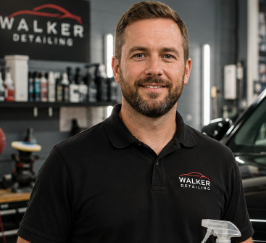
By James Walker
If you’ve ever booked an interior car cleaning appointment or tried to do it yourself, you’ve probably wondered exactly what should be covered. Some people picture a quick vacuum job. Others expect a full deep clean with stain removal and conditioning. Knowing what interior car cleaning includes helps you compare services, budget your time, and avoid paying for — or skipping — steps your vehicle actually needs.
This guide breaks down every stage of interior car cleaning, from basic upkeep to a full deep clean, so you can build a routine that fits your vehicle, your schedule, and your budget.
What Interior Car Cleaning Actually Covers
When people ask what does interior car cleaning include, they’re usually comparing a quick tidy-up to a full detail. In practice, interior car cleaning sits on a spectrum. On one end is a basic wipe-and-vacuum routine you can do in 20 minutes. On the other end is a full interior detail that can take several hours and involves deeper stain, odor, and surface treatment.
At its core, interior car cleaning includes removing loose dirt and debris, cleaning hard surfaces like the dashboard and door panels, cleaning glass from the inside, treating fabric or leather seats, and addressing lingering odors. Some services also include cleaning air vents, cup holders, and the trunk area, since these spots collect dust and crumbs just as much as the seats do.
Understanding what interior car cleaning includes matters because it affects both cost and vehicle condition. Skipping stages like fabric protection or odor treatment can mean stains return faster or musty smells creep back within weeks, especially in vehicles used daily or exposed to spills.
Why a Clear Interior Cleaning Routine Matters
A consistent interior cleaning routine does more than make your car look tidy. Dust, crumbs, and moisture that build up on seats and carpets can encourage mold or musty odors over time, particularly in humid climates or if a spill isn’t dried properly. Regular cleaning also protects surfaces — UV exposure through the windshield can dry out and crack untreated dashboard and door panel materials faster than surfaces that are cleaned and conditioned periodically.
For anyone planning to sell or trade in a vehicle, a clean, well-maintained interior is one of the first things a buyer notices. It can support a stronger impression of how well the vehicle was cared for overall, though it does not by itself guarantee a higher resale value.
Basic Clean vs Full Interior Detail
Before comparing tools or booking a service, it helps to see how a basic clean and a full interior detail differ side by side.
How Interior Cleaning Works, Step by Step
Most interior car cleaning routines follow a logical order, working from dry debris removal through to final touches. Doing steps out of order — like spraying cleaner before vacuuming — can push dirt deeper into carpet fibers instead of lifting it out.
Here’s a visual overview of a typical interior cleaning process:
Interior Cleaning Process Flow
Practical guide: following this order helps stop dirt from being pushed back into fabric after it’s already been lifted out.
The step-by-step routine below expands on each stage.
Compatible Vehicle Types and Interior Materials
What interior car cleaning includes can shift slightly depending on your vehicle’s interior materials. Cloth seats generally need vacuuming plus a fabric-safe stain remover, while leather or leatherette seats need a dedicated leather cleaner and occasional conditioner to prevent drying and cracking. Vehicles with a lot of glass, sunroofs, or touchscreen infotainment systems need extra care to avoid streaking or damaging electronic surfaces with the wrong cleaner.
Older vehicles with worn upholstery may need gentler products and more careful stain testing, since aged fabric or cracked leather can be more sensitive to certain cleaners. Newer vehicles with more plastic trim, touch-sensitive controls, and ambient lighting elements benefit from cleaners labeled safe for electronics and interior plastics specifically.
Common Interior Cleaning Problems and Likely Causes
Safety Considerations for Interior Cleaning
Interior car cleaning is generally low-risk, but a few precautions matter, especially when mixing or using chemical products in an enclosed space like a car cabin.
Safety Decision Path
Practical guide: this decision path is meant to help you choose the safer approach, not to replace product label instructions.
Safe Use vs Risky Use of Interior Cleaning Products
Signs Your Interior Needs a Deeper Clean
Not every wash needs to be a full detail. Watch for a few warning signs that point to a deeper interior cleaning session rather than a quick wipe-down.
Red-Flag Checklist: Time for a Deeper Interior Clean
Practical guide: two or more of these signs together usually means it’s time for more than a quick vacuum.
Choosing the Right Approach for Your Vehicle
The right interior cleaning approach depends on how the vehicle is used day to day. A commuter car with light daily use needs a different routine than a family SUV with kids, pets, or frequent road trips.
Interior Cleaning Fit by Vehicle Use
The dashboard below gives a general sense of how much attention each vehicle type typically needs, based on common usage patterns rather than fixed data.
Interior Cleaning Fit Dashboard
Low-to-moderate attention; steady light upkeep works well.
Higher attention; benefits from frequent vacuuming and stain checks.
Highest attention for odor and fur control; more frequent deep cleans help.
Moderate attention; focus on durable, easy-wipe surface care.
Practical guide: use this as a starting point, then adjust based on how your specific vehicle actually gets used.
Common Mistakes When Cleaning a Car Interior
Even careful car owners make a few repeat mistakes when handling interior cleaning themselves. Knowing these ahead of time can help you get better, longer-lasting results.
Mistake vs Better Choice
Pro Tips and What Experienced Owners Check
In my testing experience, the difference between an average interior clean and a genuinely fresh-feeling cabin usually comes down to a few small habits rather than expensive products.
Here’s a general sense of how much time and priority different interior cleaning tasks tend to need relative to each other.
Relative Priority Meter: Interior Cleaning Tasks
Typical priority: vacuuming and surface wiping tend to be needed most often, while deep stain work and odor control are usually less frequent but more time-intensive when they are needed.
Helpful Products for Interior Car Cleaning
Cordless Handheld Car Vacuum
A compact cordless vacuum can help make routine vacuuming quicker and may support easier cleanup of crumbs and dust between full cleaning sessions.
All-Purpose Interior Detailer Spray
A multi-surface interior cleaner may help with day-to-day wipe-downs of the dashboard, console, and door panels without needing several different products.
Microfiber Detailing Cloth Set
A set of microfiber cloths can help make it easier to use separate cloths for glass, dashboard, and fabric surfaces, which may reduce cross-contamination of cleaning residue.
When to Contact a Professional Detailer or Mechanic
When to DIY vs When to Hire a Professional
Frequently Asked Questions
What does interior car cleaning include?
Interior car cleaning typically includes vacuuming seats, carpets, and mats, wiping down hard surfaces like the dashboard and door panels, cleaning interior glass, treating visible stains, and reducing odors. Full interior details may add steam cleaning, leather conditioning, and vent cleaning.
How often should I clean my car’s interior?
A light interior cleaning every one to two weeks and a deeper clean every one to three months works well for many drivers, though vehicles used daily, with kids, or with pets may benefit from more frequent attention.
Can I clean my car interior with regular household cleaners?
Some household cleaners can be too harsh for car interiors, particularly on leather, touchscreens, or certain plastics. It’s generally safer to use products labeled for automotive interior use and to test any new product on a hidden spot first.
How do I remove smells from a car interior?
Start by finding and cleaning the source of the smell, such as a spill or trapped moisture, then air out the cabin and use a light interior-safe deodorizer. Persistent odors that don’t improve may need professional cleaning or an inspection for hidden moisture.
Is vacuuming enough, or do I need a deeper interior clean too?
Vacuuming handles loose dirt and dust, but it doesn’t address set-in stains, surface grime on the dashboard, or odors. A well-rounded interior car cleaning routine combines vacuuming with surface wiping and occasional deeper stain or odor treatment.
What’s the difference between interior cleaning and interior detailing?
Interior cleaning usually refers to routine upkeep like vacuuming and wiping surfaces, while interior detailing is a more thorough process that can include steam cleaning, deep stain removal, leather conditioning, and targeted odor treatment.
When should I hire a professional instead of cleaning the interior myself?
Consider hiring a professional for deep-set stains, suspected mold, persistent odors that don’t respond to cleaning, or any cleaning task near airbags, sensors, or interior wiring, where a qualified mechanic or auto technician should be consulted instead.
Final Thoughts
Knowing what interior car cleaning includes helps you decide how much to do yourself and when to bring in a professional. A simple routine of decluttering, vacuuming, wiping surfaces, cleaning glass, and airing out the cabin covers most day-to-day needs, while deeper stain, odor, or leather care can be added as needed. For anything involving airbags, sensors, wiring, or persistent mold and moisture, check your vehicle’s manual and consult a qualified mechanic or auto technician before attempting a DIY fix, and always confirm current local regulations before making any permanent interior modifications.
Additional Resources
EPA guidance on indoor air quality can offer useful background if you’re dealing with persistent musty odors, since similar moisture and mold principles apply inside an enclosed car cabin. For general chemical safety when using cleaning sprays and solvents, the OSHA Hazard Communication guidance outlines safe handling practices that also apply to household and automotive cleaning products. The U.S. Consumer Product Safety Commission provides broader guidance on safe use of household and cleaning products that is worth reviewing if you’re using new chemical products for the first time.
