
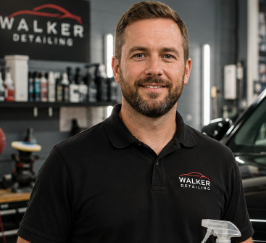
Written by James Walker · Car Washing
Quick Answer
A car wash works by moving your vehicle through several stages: a pre-soak spray loosens dirt, soap breaks down grime, brushes or high-pressure jets lift it away, clean water rinses everything off, and air blowers or towels dry the surface. Automatic and hand car washes follow this same basic sequence, just with different tools.
If you have ever sat in your car while it rolls through a tunnel wash, you have probably wondered exactly how does a car wash work behind the scenes. It is not magic — it is a fairly simple mix of water pressure, soap chemistry, moving parts, and timing. Understanding the process helps you pick a wash type that is actually safe for your paint, your trim, and your budget, instead of guessing.
Automatic Car Wash Touchless Wash Friction Wash Hand Wash Basics Paint Safety
A quick note before you continue: This article is for general educational and purchasing guidance only. It does not guarantee vehicle performance or safety outcomes and does not replace advice from a qualified mechanic or auto technician. Some tasks may require the work of a licensed or registered professional, or compliance with local vehicle regulations. Always check your vehicle’s manual, warranty terms, and current local regulations, and consult a qualified professional when needed.
What Is a Car Wash and How Does It Actually Work?
At its core, a car wash removes dirt, road grime, salt, and residue from your vehicle’s exterior using a mix of water, soap, and mechanical action. When people ask how does a car wash work, they are usually picturing an automatic tunnel wash, where your car is pulled along by a conveyor or drives through under its own power while equipment does the cleaning.
Inside the tunnel, sensors detect the shape and height of your vehicle so the equipment can adjust spray angles and brush pressure. A pre-soak solution is applied first to loosen dirt without scrubbing it into the paint. Soap follows, then either soft cloth strips, foam brushes, or high-pressure touchless jets do the actual cleaning. A final rinse removes soap residue, and drying is handled by large air blowers, absorbent cloth, or a combination of both.
Hand car washes follow the same logic on a smaller scale: pre-rinse, soap, agitation with a mitt or sponge, rinse, then dry. The tools change, but the sequence behind how a car wash works stays consistent whether it is fully automated or done by hand in your driveway.
Why Understanding This Process Matters for Your Vehicle
Knowing how a car wash works is not just trivia. It affects real decisions, like whether a touchless wash is safer for a car with a matte wrap, or whether a friction wash could catch on a loose side mirror or roof rack. It also helps you judge value. A five-minute automatic wash and a twenty-minute hand wash are not solving the same problem in the same way, and knowing the mechanics behind each helps you choose based on your vehicle’s actual needs rather than habit.
In my testing experience trying different wash types on the same vehicle over several months, the biggest difference was not cleanliness right after the wash, but how the paint and trim held up over weeks of repeated washing. That is a direct result of the process, not just the soap used.
Touchless vs. Friction Wash Systems
Touchless washes rely on high-pressure water and stronger detergent chemistry instead of physical brushes. Nothing but water and soap touches the car, which lowers the risk of swirl marks but may leave stubborn grime behind on heavily soiled vehicles. Friction washes use soft cloth strips or foam brushes that physically wipe the surface. This lifts dirt more effectively but carries a slightly higher risk of fine scratching if the equipment is not well maintained or the car has embedded grit on its surface.
Water Pressure, Soap Chemistry, and Recycling Systems
Most automatic washes use multiple pressure zones: gentler pressure for pre-soak and delicate areas like mirrors, and stronger jets for wheel wells and the undercarriage. Soap chemistry is formulated to break the bond between dirt and paint without stripping wax. Many modern facilities also recycle a portion of their wash water through filtration systems before the final rinse, which uses fresh water for a spot-free finish.
Comparing the Main Car Wash Methods
How an Automatic Car Wash Works, Step by Step
Here is the typical sequence a vehicle goes through in a tunnel-style automatic car wash, which is the clearest way to answer how does a car wash work from start to finish.
Entry and vehicle scanning. Sensors or an attendant guide your car into position on the conveyor or track, checking clearance for mirrors and roof accessories.
Pre-soak application. A low-pressure spray coats the vehicle with a chemical solution that begins breaking down bugs, dirt, and road film.
Soap and agitation. Foam soap is applied, then friction cloths or high-pressure jets work through the dirt loosened by the pre-soak.
Wheel and undercarriage cleaning. Dedicated nozzles and sometimes rotating brushes target wheels, tires, and the underside where salt and grit collect.
High-pressure rinse. Clean water removes all remaining soap so nothing dries onto the surface and leaves streaking.
Spot-free rinse and drying. A final filtered or deionized rinse reduces mineral spotting, then large blowers and sometimes soft cloth strips dry the exterior.
Getting Your Car Ready Before You Drive Through
Preparation matters just as much as the wash itself. A little setup before you pull into the bay reduces the chance of trim, antennas, or accessories getting caught in the equipment.
Pre-Wash Setup Flow
Practical interpretation: skipping any of these steps is one of the most common reasons a wash bay incident happens, even though the equipment itself is working correctly.
Tip: If your vehicle has a roof rack, bike rack, or aftermarket antenna, an automatic tunnel wash may not be the right choice at all. A touchless wash or a careful hand wash can be a safer option for that setup.
Is an Automatic Car Wash Safe for Every Vehicle?
Most everyday sedans, hatchbacks, and SUVs go through an automatic wash without issue, because the equipment is designed around common vehicle shapes. Problems tend to come from things that stick out or hang loosely: broken trim, cracked windshields, loose spoilers, or an already-detached side mirror. Newer vehicles with sensitive sensor housings near the grille or bumper can also be more sensitive to strong touchless jets aimed directly at those areas for long periods.
Safety Note: Stay inside your vehicle with your seatbelt on while moving through a tunnel wash unless attendants direct otherwise, keep your foot off the brake unless instructed, and never exit the vehicle inside the wash bay while equipment is running.
Should You Use an Automatic Wash? Decision Path
This is a practical guide based on common wash bay setups, not a guarantee for every facility or vehicle.
Common Car Wash Problems and What Causes Them
Understanding how a car wash works also means understanding why things sometimes go wrong. Most complaints trace back to a specific step in the process rather than the wash as a whole.
Problem vs. Likely Cause
Red-Flag Checklist: When to Question a Wash Facility
Practical interpretation: any one of these on its own may be minor, but two or more together is a reasonable sign to choose a different facility or wash method that day.
Common Car Wash Mistakes People Make
Safe Use vs. Risky Use
Choosing the Right Wash Method for Your Vehicle
Not every vehicle should be washed the same way, even though the underlying process of how a car wash works stays similar. Vehicle size, finish, and how often you drive in rough conditions all play a role.
Wash Method Fit by Vehicle Type
Vehicle Fit Dashboard
This is a practical starting guide, not a fixed rule for every vehicle or facility.
Hand Washing at Home vs. Using a Professional Car Wash
Both approaches rely on the same basic principle behind how a car wash works, but they trade off differently on time, cost, water use, and control.
Relative Priority Meter: Hand Wash vs. Automatic Wash
Time required (hand wash)
Paint-safety control (hand wash)
Water usage (automatic wash, with recycling)
Convenience (automatic wash)
These are practical, relative comparisons based on typical setups, not lab-measured data.
This article may contain affiliate links. If you buy through these links, we may earn a small commission at no extra cost to you. We only mention products that are relevant to the topic and do not replace advice from a qualified mechanic or auto technician.
Tools That May Help With At-Home Washing
pH-Neutral Car Wash Shampoo
May help support a gentler wash routine that is designed for painted surfaces rather than household cleaning.
Microfiber Wash Mitt and Drying Towel Set
Can support a scratch-conscious hand wash routine when paired with the two-bucket rinsing method.
Pro Tips: What Experienced Car Owners Check Before Every Wash
Check trim and mirrors first
Experienced owners glance over loose trim, wraps, or aftermarket parts before choosing friction versus touchless. Beginners often skip this and pick whichever wash is fastest.
Rinse wheels separately when possible
Brake dust is abrasive, so a separate wheel rinse or dedicated wheel cleaner before the main wash reduces the chance of that grit being dragged across the paint.
Ask about brush maintenance
A quick question to staff about how often cloth strips or brushes are replaced can tell you a lot about whether a friction wash is likely to be gentle on your paint.
Dry with a clean towel after air blowers
Air blowers do not always catch every drop. A quick pass with a clean microfiber towel around mirrors and door handles helps prevent water spotting.
When to Contact a Professional Detailer or Auto Technician Instead
When to contact a professional: If you notice deep swirl marks, oxidized or peeling paint, damaged trim after a wash, mechanical warning lights, or fluid leaks around wheels and the undercarriage, it is best to consult a qualified auto detailer or mechanic rather than attempting DIY fixes. Do not attempt to correct paint damage, electrical faults near washing equipment, or vehicle body repairs yourself if you are unsure of the cause.
Frequently Asked Questions
How does a car wash work in simple terms?
A car wash works by moving your vehicle through a sequence: pre-soak, soap application, cleaning with brushes or high-pressure water, a full rinse, and drying. The same basic sequence applies whether it is automatic or done by hand.
Is a touchless car wash better than a friction wash?
Touchless washes tend to be gentler on delicate finishes since nothing but water and soap touches the car, while friction washes clean more aggressively but carry a slightly higher risk of fine scratching if equipment is not well maintained.
Can an automatic car wash damage my paint?
It is possible if brushes are worn or dirty, but most modern facilities maintain their equipment well. Choosing touchless for delicate finishes and checking for red flags like grit-covered brushes lowers the risk.
Why is my car still dirty after going through a car wash?
Heavy dirt, dried mud, or thick brake dust sometimes does not fully break down during the pre-soak stage. A second pass, a stronger wash package, or a hand rinse of stubborn spots afterward usually solves this.
Is it safe to stay in my car during an automatic car wash?
Yes, staying inside with your seatbelt on and following posted instructions is standard practice. Avoid exiting the vehicle inside the wash bay while equipment is operating.
Do all automatic car washes recycle their water?
Many facilities filter and reuse a portion of their wash water, then use fresh water for the final spot-free rinse, but practices vary by facility and location.
Should I remove my roof rack before a car wash?
If it is not permanently fixed, removing it before an automatic wash is a safer choice. Loose racks and accessories are one of the more common causes of wash bay damage.
Helpful Resources
For more general guidance on responsible vehicle cleaning, you can review the EPA’s guidance on car washing and stormwater runoff and consumer information from the International Carwash Association.
Final Thoughts
Once you understand how does a car wash work at each stage, picking the right method for your vehicle becomes much easier. Match the wash type to your car’s finish, accessories, and condition rather than defaulting to whatever is fastest. For anything more complex, like paint damage, mechanical concerns, or specialized coatings, check your vehicle’s manual and consult a qualified mechanic or auto technician before making decisions.
