
You want a clear price answer fast, plus a simple guide to what affects the bill and how to get the best value. Expect to pay roughly $50–$300 for most professional car details, with basic jobs near the low end and full-service or specialty treatments pushing past $300.
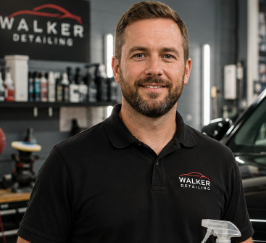
A certified auto technician like James Walker notes that vehicle size, condition, and chosen services drive prices. Tough stains, heavy pet hair, paint correction, or ceramic coating add cost, while express packages, smaller cars, and off-peak bookings cut it.
Key Takeaways
- Prices vary mainly by service level, vehicle size, and condition.
- Extra services like paint correction or odor removal raise the total.
- Choose vetted pros and clear service lists to get better value.
Factors Influencing Car Cleaning Prices
Prices change mainly because of the car’s size, how dirty it is, and where the service happens. These three things drive time, products, and labor needed for the job.
Vehicle Size and Type
Larger vehicles take more time and supplies, so they cost more. A compact sedan often falls at the low end of price ranges, while full-size SUVs, vans, and trucks require extra shampoo, wax, and drying time. Luxury or performance cars may need special cleaners and gentle tools to protect paint and trim, which raises the price.
Vehicle materials matter too. Leather seats require conditioner and careful cleaning, while cloth needs deep-extraction machines for stains. Trucks with heavy bed grime or lifted SUVs with more surface area often add a flat fee or hourly surcharge.
Level of Dirt and Stains
Light dust and crumbs need a basic vacuum and wipe down, which keeps the price low. Heavy soiling—mud, pet hair, smoke odor, or set-in stains—requires deeper work: steam cleaning, multiple chemical treatments, and longer drying cycles. Each extra step adds labor time and product cost.
Detailers often set tiers: basic, deep clean, and restorative. Restorative work for mold, severe stains, or odor removal may require multiple visits or specialist equipment and carries a premium. They may also quote by condition, not just time.
Service Location and Accessibility
Where the car is cleaned affects the price. Mobile detailers who travel to homes or offices often charge a travel fee or minimum price for convenience. Urban shops in high-rent areas typically charge more than suburban or rural shops.
Accessibility adds cost when parking spots are tight, or the vehicle must be moved across rough ground. Indoor shop detailers may charge extra for indoor bays, heated drying, or climate-controlled work that protects finishes. Remote locations or gated communities can trigger higher rates or scheduling fees.
Types of Professional Car Cleaning Services
Most shops break services into three main types: exterior-focused packages, interior-focused detailing, and full-service cleanings that combine both. Prices and time vary by vehicle size, condition, and add-ons like paint protection or odor removal.
Exterior Wash Packages
Exterior packages range from a basic wash to multi-step paint correction. A basic wash includes hand washing, drying, wheel cleaning, and tire dressing. It typically takes 20–45 minutes and suits daily drivers.
Mid-tier packages add clay bar treatment, bug and tar removal, and a polymer or spray sealant. These steps remove bonded contaminants and add short-term shine, often costing more and taking 1–2 hours.
Premium exterior services offer machine polishing, paint correction, and ceramic coating application. These aim to remove swirl marks and provide long-lasting protection. Expect several hours to a full day and higher prices. Use the table below to compare common exterior options and typical goals.
| Package | Main Tasks | Typical Time | When to Choose |
| Basic Wash | Hand wash, dry, wheels, tires | 20–45 min | Routine maintenance |
| Mid-tier | Clay-bar, sealant, buff | 1–2 hrs | Remove contaminants, improve shine |
| Premium | Polish, correction, ceramic coat | Several hrs–1 day | Restore paint, long-term protection |
Interior Detailing Options
Interior detailing focuses on cleaning, sanitizing, and protecting cabin surfaces. Basic interior service includes vacuuming, wiping surfaces, window cleaning, and a quick fabric or leather conditioning. It suits light to moderate dirt and takes 30–90 minutes.
Deep interior detailing covers shampooing carpets and upholstery, steam cleaning, stain and odor removal, and treating leather. Technicians may remove seats or panels for thorough access when needed. This service handles heavy soiling, pet hair, and persistent smells.
Add-on services include ozone or HEPA treatments for odors, fabric protection sprays, and full deodorizing. Expect deep cleaning to cost more and take several hours. Customers should ask about stain guarantees and chemicals used if allergies or sensitivities matter.
Full-service Cleaning
Full-service cleaning combines exterior and interior work into one appointment. Typical full-service includes a detailed exterior wash, polish or sealant, full interior vacuum, shampoo or steam, trim care, and glass cleaning. It saves time versus booking separate services.
Most shops offer tiered full-service packages: standard (basic interior + basic exterior), deluxe (mid-tier options on both sides), and elite (premium paint work and deep interior detailing). Time ranges from 1.5 hours for small cars to a full day for large SUVs with heavy soiling.
Shops may list prices by vehicle size or require an estimate after inspection. Customers should confirm which specific tasks are included to avoid surprise fees for add-ons like pet-hair removal or engine bay cleaning.
Cost Breakdown by Cleaning Method
Prices depend on method, vehicle size, and level of detail. Expect basic washes to cost tens of dollars, deeper methods to run into the low hundreds, and specialty eco or steam treatments to fall between those ranges based on time and equipment.
Hand Wash vs. Automated Wash
Hand washes usually cost $20–$150. Basic hand wash and dry at a local shop runs $20–$50. A full hand detail with clay, sealant, and interior wipe-down typically lands at $100–$200.
Automated (touchless or friction) washes cost $5–$30 for a single pass. Monthly subscription tunnels run $20–$40 per month. Automated machines save time but may miss heavy grime and can be harsher on paint if brushes are used.
Hand wash pros: better paint care, targeted stain removal, and safer for wax/ceramic layers. Automated pros: fast, cheap, and convenient. Choose hand wash for high-value or dirty cars; pick automated for quick, low-cost cleanups.
Steam Cleaning
Steam cleaning targets interiors and engine bays and costs $75–$250 depending on scope. A steam-only interior refresh for seats and carpets is often $75–$150. Full steam deep clean, including sanitizing vents and engine bay steam, can reach $150–$250.
Steam kills bacteria, lifts oil and grease, and uses little water. It works well on upholstery stains and mold but may not remove deep-set odor sources or heavy pet hair without vacuuming first. Technicians need training to avoid over-saturating electronics and trim. Ask the shop about experience and equipment temperature/pressure specs.
Eco-friendly Options
Eco-friendly detailing uses low-water washes, biodegradable detergents, or waterless sprays. Prices vary: waterless or spray-on wash services typically cost $25–$100. Full eco detail with biodegradable products and reduced water use often falls in the $75–$200 range.
Benefits include lower water use, gentler chemicals, and safe runoff for sensitive areas. Limitations include less effectiveness on very dirty cars and extra labor for heavy soils. The table below compares common eco options:
| Option | Typical Cost | Best For |
|---|---|---|
| Waterless wash | $25–$75 | Light dirt, quick touch-ups |
| Low-water rinse & foam | $50–$150 | Regular maintenance, moderate dirt |
| Biodegradable full detail | $75–$200 | Environmentally conscious owners |
Average Price Ranges by Region
Prices change with location, local wages, and how many detailers compete nearby. Expect higher base rates in big cities, lower rates in small towns, and clear cost gaps between regions with high living costs and those with lower overhead.
Urban vs. Rural Differences
In cities, labor and rent drive prices up. Basic interior or exterior detailing in a large metro often starts around $100–$150 for a sedan and can reach $250–400 for full-service or SUV jobs. Detailers charge more when they must pay higher shop rent and carry licensing or liability insurance.
Rural areas tend to offer lower hourly rates and fewer premium services. Standard detailing in small towns commonly runs $60–$120 for a sedan. Specialty services like paint correction or ceramic coating may not be available locally, or they cost more if a technician must travel in.
Travel fees and appointment availability matter. Urban buyers get more same-day options; rural customers often schedule in advance. Competition in cities also creates more packaged deals and discounts.
Regional Price Variations
Coastal and high-cost states typically have higher detailing prices than inland states. For example, Pacific Coast metros and parts of the Northeast often list premium packages above $300 for large vehicles. Midwestern and Southern markets usually report lower averages for comparable services.
Climate affects demand and price too. Areas with harsh winters need more interior cleaning and rust-prevention work, raising annual costs. Dry, dusty regions may increase frequency of exterior cleans but not necessarily raise per-job prices.
Below is a simple regional comparison to show typical mid-range prices by region for a standard sedan full detail:
| Region | Typical Full Detail (Sedan) | Notes |
|---|---|---|
| West Coast | $150–$300 | High labor and rent; many premium services |
| Northeast | $140–$280 | High demand, year-round services |
| Midwest | $90–$180 | Lower overhead, fewer premium shops |
| South | $80–$170 | Competitive pricing, seasonal spikes |
Typical Metropolitan Costs
Major metro areas show the widest price spread. In dense cities, basic wash-and-vac packages can start as low as $50, but a full interior shampoo, clay bar, and polish often costs $200–$500 depending on vehicle size.
Specialty options add significant cost in metros. Ceramic coating in a large city can range from $600 to $2,000. Mobile detailers in urban zones may charge a convenience premium of $25–$75 plus the base price.
Customers in metros should compare several shops and watch for bundled offers. High competition often yields seasonal deals, loyalty discounts, or added-value services like free headlight restoration with a full detail.
Add-On Services and Their Fees
These extra services target specific problems that standard detailing does not fully address. Prices vary by service complexity, vehicle size, and condition.
Pet Hair Removal
Pet hair removal often costs more than a standard interior clean because it requires special tools and extra labor. Typical fees range from $30 to $150 depending on how embedded the hair is and the vehicle size. Technicians may use motorized brushes, rubber brooms, vacuum attachments, and fabric rakes to lift hair from carpet, seats, and crevices.
Deep infestations on fabric or textured surfaces can add time and a flat surcharge. Leather seats usually cost less to clear than cloth, but hair in seams still needs careful hand work. Expect the tech to inspect for mats, use adhesives or lint rollers for surface hair, and apply grooming tools for stubborn areas.
Odor Elimination Treatments
Odor treatments address smoke, pet smells, mildew, and food odors that regular cleaning cannot remove. Options and costs commonly include: fogging/ozone (about $40–$150), enzyme treatments ($30–$100), and activated-charcoal or ozone packages for persistent smells ($75–$200). Choice depends on odor source and cabin materials.
Technicians first identify odor cause, then choose an approach. Enzyme cleaners break down organic residues on fabrics. Ozone and fogging neutralize airborne molecules but require the car to be vacated for several hours. Prices rise when technicians must remove and clean headliners, replace vents, or repeat treatments.
| Treatment | Typical Price | Best For |
|---|---|---|
| Enzyme cleaner | $30–$100 | Pet urine, food residues |
| Ozone/fogging | $40–$200 | Smoke, strong persistent odors |
| Charcoal/adsorbents | $25–$75 | General musty smells |
Upholstery Shampooing
Upholstery shampooing deep-cleans cloth seats and carpets and can cost $75–$250 for a full interior, based on vehicle size and soil level. The process includes pre-treatment of stains, agitation with brushes or rotary extractors, hot-water extraction, and drying. Stain removal, pet urine, or set-in dirt can add time and fees.
Synthetic fabrics and nylon respond well to extraction; delicate fabrics and suede need gentler cleaners and may cost more. Leather usually gets a different process—cleaning plus conditioning—priced separately. For heavy staining, technicians may recommend spot treatments or repeated passes, each adding an extra charge.
Benefits of Choosing Professional Services
Professional car cleaning delivers visible results, protects the vehicle’s surfaces, and saves the owner time. It uses trained staff, specialized tools, and industry products to reach areas and apply treatments that DIY methods usually miss.
Enhanced Vehicle Appearance
Professionals remove embedded dirt, stains, and swirl marks using machine polishers, clay bars, and targeted cleaners. They match polish abrasives and pad types to the paint’s condition, which reduces the risk of new scratches. Interior teams use extraction machines that lift deep grime from carpet and upholstery rather than just surface vacuuming.
Detail shops also offer paint-correction, headlight restoration, and wheel and brake-cleaning that restore original shine. Ceramic or polymer coatings add long-lasting gloss and easier cleaning after the service. For more on protective coatings and how they differ, readers can consult a technical overview like this primer on ceramic coatings.
Preservation of Value
Regular professional cleaning slows material wear and prevents corrosion that lowers resale value. Removing road salts, tar, and acidic contaminants from paint and undercarriage reduces rust risk on metal components. Interior cleaning and conditioning protect leather, vinyl, and fabric from cracking, fading, and permanent staining.
Detailers often document condition with photos and written notes, which helps when selling or trading the vehicle. Services like paint decontamination and clear-coat protection address issues that would otherwise require costly repairs, making maintenance an investment in retained market value.
Time and Convenience
A professional detail saves hours compared with DIY deep cleaning. Technicians work with efficient, purpose-built tools—pressure washers, extractors, buffers—that finish tasks faster and more thoroughly than consumer equipment. Mobile detailers bring full service to the homeowner, avoiding travel and waiting times.
Booking systems and package options let owners pick services tailored to needs and budgets. For owners who value time and predictable results, a scheduled professional clean offers convenience and consistent maintenance without buying specialized tools.
Tips for Getting the Best Value
Focus on comparing prices, checking exactly what each package includes, and timing bookings to use discounts. Smart choices save money and get better results for the vehicle.
Comparing Local Providers
They should list nearby detailers and note prices for the same service level. Call or check websites for “basic wash,” “full detail,” and add-ons like ceramic coating so comparisons match apples to apples.
Look at reviews and ask for photos of recent work. A shop charging $150 for a full detail but showing clear before-and-after photos may offer better value than a $100 place with no evidence.
Check if mobile detailers or shops include materials and drying time in the price. For larger vehicles, confirm size-based surcharges up front. A simple comparison table helps: provider, service name, price, included items, and estimated time.
Understanding Service Packages
They should read each package line-by-line. Identify what the base price covers (vacuum, shampoo, wax) and what costs extra (stain removal, paint correction, headlight restoration).
Ask if the detail includes a final inspection and warranty on work, such as water-spot removal or sealant longevity. If a shop lists “interior deep clean” ask whether that includes fabric shampoo or just surface vacuuming.
Match services to need. If the paint is fine, skip paint correction and save money. If protecting the finish is the goal, compare ceramic coating options and expected lifespan. For more on protective finishes, see ceramic coating basics.
Seasonal Offers and Discounts
They should watch for slower-season deals and bundle discounts. Detailers often run specials after winter when demand drops, or offer package upgrades during weekdays.
Sign up for shop emails or loyalty programs to get first access to promos. Ask about referral discounts and multi-car rates if they plan to detail more than one vehicle.
Confirm the fine print: limited-time offers may exclude certain vehicle sizes or require full payment upfront. When booking, request the promo code or written proof of the discount to avoid surprises.
FAQS
What does a basic professional clean include?
A basic clean usually covers exterior wash, tire cleaning, vacuuming, and a light interior wipe-down. Prices for this start low and vary by location and vehicle size.
How much does interior shampooing cost alone?
Standalone upholstery or carpet shampooing commonly runs about $75–$150. Larger vehicles or heavy soiling can raise that price.
What is the range for full detailing?
Full detailing often falls between $150 and $500+. Simple packages can be $100–$150, while premium services or large SUVs may exceed $500. Extras like paint correction or ceramic coating add more.
Can one save money with DIY cleaning?
Yes. DIY can cut costs but needs time and proper products. Professional results cost more but usually last longer and use specialized tools.
How often should a car be detailed?
It depends on use and condition. Many recommend detailing every 4–12 months for regular drivers. Frequent drivers or those in harsh climates may need it more often.
Are prices affected by location?
Yes. Urban areas and high-cost regions charge more. Labor, local demand, and business overhead drive price differences.
What should a customer check before booking?
They should read service lists, compare quotes, and ask about materials used. Clear expectations prevent surprises.
How do add-on services affect cost?
Add-ons such as stain removal, pet hair removal, or odor treatment increase the final price. Each add-on has its own fee.
Conclusion
They can expect a wide price range for professional car cleaning. Basic services often cost $50–$150, while full details or large vehicles can run $200–$500 or more.
Price depends on vehicle size, service level, and condition. Add-ons like stain removal, odor treatment, or paint correction raise the cost.
Choosing the right service means balancing needs and budget. A light clean keeps the car tidy and costs less. Deep cleaning or protective coatings last longer but cost more up front.
Practical tips help save money. Compare local shops, read reviews, and ask for itemized quotes. Consider doing small maintenance between professional visits to extend time between full details.
The reader should feel prepared to request quotes and compare services. Knowing typical price ranges and common add-ons makes it easier to pick a service that fits both the car and the budget.
