
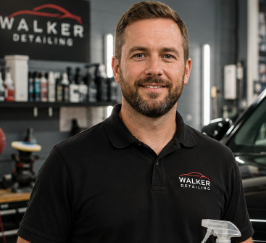
A deep car cleaning usually costs between about $100 and $350, depending on your vehicle size, condition, and the services you choose. Expect a lower price for a basic full interior and exterior deep clean on a small sedan and higher costs for SUVs, severe stains, or added services like leather conditioning, paint correction, or ceramic coating.
If you want the best value, know what you need before booking and ask what each package includes. James Walker at Tech9AutoRepair.com notes that clear pricing, targeted stain treatment, and protecting finishes after cleaning save money over time and keep the car looking newer.
Key Takeaways
- Prices vary by vehicle size, condition, and chosen services.
- Opting for targeted treatments and protective finishes gives better long-term value.
- Ask for a clear package breakdown to avoid surprise fees.
Factors Impacting Deep Car Cleaning Prices
Prices change based on the vehicle’s size, how dirty it is, and which services the owner picks. Each factor can add time, equipment use, or specialty products that raise the final cost.
Vehicle Size and Type
Vehicle size directly affects labor time and product use. A compact sedan usually takes less than an hour for a thorough interior and exterior deep clean, while an SUV or pickup can take 1.5–3 hours. Luxury cars and specialty vehicles often require gentler products and extra care, which adds cost.
Larger interiors mean more vacuuming, shampooing, and drying time. Cargo areas, third-row seats, or extended cabs increase labor and water or solvent use. Tire and wheel size can also affect exterior decontamination and polishing steps.
| Vehicle Type | Typical Time | Common Price Range |
|---|---|---|
| Compact sedan | 45–90 minutes | $80–$180 |
| SUV / Pickup | 90–180 minutes | $120–$300 |
| Luxury / Specialty | 120+ minutes | $150–$400+ |
Level of Dirt and Staining
The condition of the vehicle changes the work needed. Light dust and crumbs usually require standard vacuuming and wipe-downs. Heavy soiling—mud, pet hair, spilled drinks, or smoke residue—needs deeper cleaning like hot-water extraction, multiple chemical treatments, and sometimes multiple passes.
Stain removal can be time-consuming. Old or set-in stains may need specialized solvents, steam, or fabric repair, each costing extra. Odors from mold or smoke often require ozone or enzyme treatments that add both product cost and processing time.
Selected Interior or Exterior Services
Customers pick packages or individual add-ons that change price. Basic deep cleaning often includes vacuum, wipe-down, window cleaning, and shampoo. Add-ons such as leather conditioning, carpet steam extraction, odor removal, engine bay clean, or fabric protection raise the bill.
Detailing shops price many add-ons separately. For example: leather conditioning might be $25–$75, stain extraction $30–$150 per seat or area, and ceramic coating for paint protection runs much higher. Clear pricing for each service helps owners compare value and choose what they actually need.
Types of Deep Cleaning Services
Deep cleaning can target the inside, the outside, or specific problem areas. Prices and time vary by vehicle size, so owners should pick services that match stains, odors, or paint needs.
Interior Deep Cleaning Options
Interior deep cleaning removes dirt from seats, carpets, and vents and treats odors. Basic packages include vacuuming, shampooing carpets, and wiping hard surfaces. They often add steam-cleaning for fabric seats and hot-water extraction for heavy grime.
Leather care uses a cleaner, conditioner, and sometimes a protective sealant to stop cracking. Dashboard and trim cleaning can include plastic restoration and UV protectants. For stain or odor removal, technicians may use enzyme cleaners or ozone treatments.
Common add-ons:
- Spot stain removal
- Pet hair extraction
- Fabric protection or Scotchgard
- Air-filter replacement or cabin deodorizing
A small sedan interior usually takes 1–2 hours. Larger SUVs or very dirty cars can take 3–5 hours and cost more.
Exterior Detailing Packages
Exterior packages focus on paint, wheels, glass, and trim. Basic exterior deep cleans include hand wash, wheel cleaning, tar removal, and full drying. Mid-level packages add clay bar decontamination and a single-stage polish to remove light swirls.
High-end packages include multi-stage paint correction and ceramic coatings or paint sealants for longer protection. Wheel and brake-area cleaning often gets a separate chemical decon. Glass polishing and headlight restoration are common upgrades.
HTML table comparing common exterior tiers:
| Package Level | Key Services | Typical Time |
|---|---|---|
| Basic | Hand wash, wheels, tar removal | 30–60 min |
| Mid | Clay bar, single polish, trim clean | 1–3 hrs |
| Premium | Paint correction, ceramic coat | 4–12+ hrs |
Specialized Treatments
Specialized treatments address hard problems like heavy stains, odors, and engine bay cleaning. Stain removal uses targeted solvents and hot-water extractors to lift coffee, blood, or grease. Technicians sometimes need multiple passes for set-in stains.
Odor elimination may use enzyme cleaners, ozone generators, or air-scrubbing treatments to remove smoke, pet, or mildew smells. Engine bay and undercarriage cleaning remove grease and road salt, plus they can include protective sprays.
Other options include headlight oxidation removal, paint touch-up, and upholstery repair. These services are priced per problem and can add significant time depending on severity.
Regional Price Differences
Prices change a lot by location. Large cities, small towns, and busy suburbs each shape what customers pay for a deep car cleaning.
Urban Versus Rural Markets
In big cities like New York, Los Angeles, or Chicago, detail shops often charge more. Rent, labor, and supply costs push basic deep clean prices toward the $150–$300 range for sedans, while large SUVs can reach $300–$450. Mobile detailers in cities may add travel or parking fees.
In rural areas and small towns, overhead is lower and prices often fall. A deep clean for a compact car might cost $100–$180. However, fewer specialist shops can limit options, so some services may be less thorough or take longer to book.
Suburban markets sit between these extremes. Competition from local chains can keep prices competitive, and weekend demand spikes may raise rates slightly.
Local Demand and Competition
High local demand raises prices during peak times. Near commuter hubs or event venues, detailers charge more on weekends and after bad-weather periods when cars need extra cleaning. Shops with steady appointment lists often use surge pricing for busy weeks.
Competition lowers prices when several detailers serve the same neighborhood. Independent detailers, chains, and mobile services create price tiers. Shops that offer bundled services (interior, exterior, odor removal) often undercut single-service providers. Customers who compare packages and read reviews can find better value.
Certification and specialty services (pet-hair removal, ozone treatment, stain extraction) also affect local pricing. Areas with higher disposable income see more premium offers and wider price spreads.
Professional Versus DIY Deep Cleaning
Deep cleaning choice comes down to price, time, and the level of stain or odor removal needed. Professionals cost more but save time and often handle tough issues; DIY costs less up front but needs tools, products, and hours of work.
Cost Comparison
Professional deep cleaning usually ranges from $100 to $300 for most cars, with premium packages up to $500 for large vehicles or heavy stain and odor work. It covers labor, commercial-grade cleaners, extraction machines, and sometimes odor treatment. Customers pay more for immediate convenience and guaranteed results.
DIY deep cleaning can cost roughly $20–$100 per session. Initial purchases like a wet/dry vacuum, carpet cleaner, and quality shampoo push costs higher but last for multiple uses. A simple cost table helps compare:
| Item | Typical Pro Cost | Typical DIY Cost (one-time) |
|---|---|---|
| Basic deep clean | $100–$200 | $20–$50 |
| Stain & odor removal | $150–$400 | $30–$150 |
| Tools & equipment | Included | $50–$300 |
Factor in time: DIY sessions often take 3–6 hours, while pros finish in 1–2 hours and handle disposal of removed soils.
Quality and Outcomes
Professionals use extraction machines, hot water steam, and industrial cleaners that lift deep-set dirt and kill bacteria. That leads to more consistent results on upholstery, carpets, and vents. Professionals can also treat source odors and fix set-in stains that DIY methods often miss.
DIY results vary by skill and gear. A careful person with a good extractor can match many pro results on recent spills and light dirt. However, DIY struggles with mold under seats, severe pet odors, and heavy ground-in grime. Regular DIY maintenance still extends interior life and reduces the need for expensive professional interventions.
Add-Ons and Custom Service Costs
Prices for add-ons vary by vehicle size, condition, and shop. Typical extra services include targeted pet hair removal, odor elimination with ozone or steam, and focused stain treatment; each can add $25–$250 depending on severity and methods used.
Pet Hair Removal
Pet hair removal often charges by time or by vehicle area. Light surface hair on a sedan’s seats may cost $25–$50. Heavy embedment across carpets, fabric seats, and tight crevices can run $100–$200 or more.
Technicians use tools like high-powered vacuums, rubber brushes, and compressed air. Shops may employ specialized extractors and lint-removal machines for upholstery. Removing hair from floor mats and trunk usually adds separate line items.
Expect longer labor for larger SUVs and repeated passes for stubborn hair. If hair has caused stains or odor, companies may combine hair removal with shampooing or deodorizing at extra cost.
Odor Elimination
Odor work varies by source and intensity. A basic deodorizer or ozone treatment for mild odors often costs $40–$120. More severe odors—smoke, mildew, or urine—may need deep steam cleaning plus an ozone cycle, costing $150–$300.
Ozone machines neutralize airborne molecules but require the vehicle to be vacant for several hours. Enzyme cleaners treat organic odors at the source but may need multiple applications. Shops should disclose safety steps like airing out the car after ozone.
If technicians locate a physical source (mold, wet padding, pet accidents), they will quote removal and replacement of affected materials. That repair work raises the total beyond typical odor-only pricing.
Stain Treatment
Stain pricing depends on the stain type, material, and age. Simple water-based stains on cloth seats might be $15–$40 per spot. Set-in stains from oil, grease, ink, or blood often require chemical solvents and agitation, costing $50–$150 per spot.
Leather or vinyl stains need gentle cleaners and conditioners to avoid damage; expect $40–$120 for complex leather work. Carpet dyeing or patching for badly damaged areas adds $100–$300, plus labor.
Technicians usually inspect stains before quoting. Many shops offer bundled rates if they treat multiple spots or include stain removal as part of a deep-clean package.
Average Price Ranges and What to Expect
Prices usually fall into clear bands based on vehicle size, service depth, and condition. Expect basic deep cleans for small cars to start near the low end and luxury or heavily soiled vehicles to push prices higher.
Typical Pricing for Standard Vehicles
A standard sedan typically costs between $100 and $250 for a deep interior and exterior clean. This usually includes vacuuming, shampooing carpets and seats, cleaning door jambs, cleaning and conditioning leather or vinyl, exterior wash, and a basic polish.
Factors that raise the price include heavy pet hair, nicotine staining, mold, or extensive staining that needs specialized cleaners or extra labor. Location matters: urban areas and high-cost regions often add 10–30% to listed rates.
Use this quick comparison table to estimate costs:
| Service Level | Typical Price Range | What’s Included |
|---|---|---|
| Basic Deep Clean | $100–$150 | Vacuum, wipe, window clean, exterior wash |
| Standard Deep Detail | $150–$250 | Carpet/shampoo, seat cleaning, trim care, light polish |
| Conditioned/Corrective | $250–$400+ | Stain removal, odor treatment, paint correction add-ons |
High-End and Luxury Vehicle Considerations
Luxury and high-end vehicles often start at $200 and can exceed $500 for a deep clean. Technicians use specialty products and gentler techniques on delicate materials like Alcantara, open-pore wood, and bespoke leathers.
Owners should expect additional line items for services such as paint correction, ceramic coating prep, and electronic sensor-safe cleaning. Dealers or boutique detailers commonly charge labor premiums for trained technicians and insured work.
Ask for itemized estimates and specific product names when booking. That helps avoid surprise charges for stain extraction, odor removal, or micro-scratches that require more time and skill.
Tips To Get the Best Value
Smart timing and package choices cut costs without cutting results. Look for date-based discounts, combine services that share labor, and choose only the add-ons that address real problems like stains or pet hair.
Seasonal Discounts and Promotions
They should check for slower-season deals. Detailing shops often run discounts in late fall and winter when demand drops; this can lower a deep clean by 15–30%. Sign up for shop emails or follow social pages to catch flash sales and weekday specials.
Ask about loyalty programs. Regular customers may earn free add-ons or percentage discounts after a few visits. Also ask if off-peak appointments (midweek, midmorning) have lower rates.
Confirm what the discount covers. Some promos apply only to exterior washes or basic interior cleaning, not heavy stain removal or engine bay work. If unsure, request a written list of services tied to the price.
Bundled Service Deals
Bundling saves money when services share steps. Common bundles pair interior deep cleaning, carpet shampoo, and upholstery treatment. Buying the bundle usually costs less than adding each service a la carte.
Compare bundled pricing by item. If a bundle includes waxing or paint sealant the buyer doesn’t need, ask for a custom bundle that swaps in needed interior work instead. Shops often adjust bundles to match vehicle size or condition.
Verify time and materials limits. Some bundles carry caps on stain removals or odor treatments. Clarify whether heavy-duty stain work costs extra and get the final price in writing before work starts.
Car wash practices can help readers understand common services and why bundles lower labor time.
FAQS
What does a deep car cleaning include?
A deep clean usually covers both interior and exterior. It often adds shampooing, steam cleaning, stain removal, and trim restoration beyond a basic wash.
How much does a deep clean cost?
Prices vary by vehicle size, condition, and services. Typical ranges are about $100–$300 for sedans and higher for SUVs or luxury cars.
Does the owner need to empty the car first?
They should remove personal items and loose trash. Technicians will handle stubborn debris and deep stains, but clearing the cabin speeds the process.
How long does a deep clean take?
Times differ by service level and condition. Expect anywhere from 1.5 to 4 hours for most jobs, longer for heavy soiling or added treatments.
Are add-on services available?
Yes. Common add-ons include odor removal, leather conditioning, carpet protection, and engine bay cleaning. Each add-on raises the total cost.
Can a deep clean fix stains and odors completely?
Many stains and odors improve significantly, but full removal depends on age and severity. Technicians can assess likely outcomes before work begins.
How should someone choose a service?
They should compare included tasks, read reviews, and confirm pricing for vehicle size and condition. Clear communication about expectations helps avoid surprises.
Conclusion
A deep car cleaning usually costs more than a basic wash because it covers stubborn dirt, interior detailing, and extra treatments. Prices commonly range from about $100 for a standard sedan up to $350 or more for larger or heavily soiled vehicles, with add-ons like stain removal and ceramic coatings raising the total.
Customers should compare services, read reviews, and ask for itemized quotes to match needs and budget. They should also consider vehicle size and current condition when estimating cost.
Doing some prep work, like removing personal items and vacuuming, can lower the time and price of a professional job. DIY deep cleaning can save money but may not match a pro’s tools and results.
Use this guide to pick the right level of service: basic deep clean for regular upkeep, full detail for heavy grime, or premium treatments for protection and long-term value. They will get the best outcome by balancing cost, time, and desired results.
