
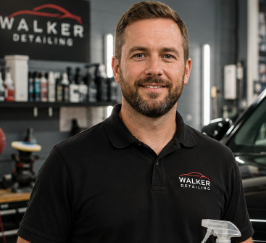
Picture two neighbors with the same model sedan. One pays for a quick express wash every few weeks. The other books a full detail twice a year, including interior shampoo and paint protection. Their bills look completely different by December — and both approaches are reasonable, depending on the goal.
This guide breaks down how much is car detailing across service levels, what actually drives the price up or down, and how to avoid paying for extras you don’t need.
Detailing Cost Interior vs Exterior Ceramic Coating Pricing Mobile Detailing DIY vs Pro
What “Car Detailing” Actually Covers
A minivan owner asking a shop for “a detail” and a pickup truck owner asking the same question can end up with two completely different services — and two completely different bills. That’s because detailing isn’t one fixed task. It’s a menu.
At the simple end, detailing can mean an exterior wash, wheel cleaning, and a quick vacuum. At the involved end, it can mean a full paint decontamination, machine polishing to remove swirl marks, steam cleaning of seats and carpets, leather conditioning, engine bay wipe-down, and a protective coating applied at the end. How much is car detailing depends almost entirely on where on that menu you land.
Because pricing varies so much by scope, the most useful way to think about cost isn’t “what does detailing cost” but “what level of detailing am I actually buying.”
Why Detailing Cost Varies So Much
A sedan that’s washed weekly and garage-kept needs far less labor than a pickup that hauls job-site debris and sits outside year-round. Labor time is the single biggest driver of price, followed by the products used and the detailer’s location and overhead.
In my experience comparing quotes across different shops, the spread between a basic package and a full correction-and-coating package on the same vehicle can be several times higher — not because one shop is overcharging, but because the scope of work is genuinely different.
Average Price Ranges by Service Type
The table below compares the three most commonly booked detailing tiers so you can match the service name to what you’re actually paying for.
Comparison: Basic Wash vs Full Detail vs Ceramic Coating Package
Here’s the general order a full detail follows once your vehicle is dropped off or the mobile van arrives:
Pre-rinse → Foam wash & wheel cleaning → Clay bar decontamination → Interior vacuum & shampoo → Paint correction (if included) → Wax, sealant, or ceramic coating → Final inspection
Each added step increases labor time, which is why a simple wash and a full correction package land at very different price points even on the same car.
What Actually Moves the Price: Vehicle, Condition, and Location
Take a compact sedan and a full-size pickup booked for the same “full detail” package. The truck almost always costs more, simply because there’s more surface area, more seats, and often more dirt embedded in the carpet from work or outdoor use.
Condition matters just as much as size. A garage-kept SUV that’s washed regularly needs less decontamination time than a similar SUV that’s been neglected for a year, has pet hair ground into the seats, or has tree sap baked onto the clear coat.
Location and overhead play a role too. A shop paying commercial rent in a dense urban area typically prices differently than a mobile detailer working out of a van in a smaller town. Neither is automatically the better deal — it depends on convenience, water access, and the equipment each option can bring to your driveway.
Vehicle & Condition Fit Table
Not sure whether to book mobile detailing, drive to a shop, or handle it yourself? Walk through this decision path:
Is your driveway detailer-friendly (water access, power outlet)? → Yes: mobile detailing is convenient. → No: consider a shop with water reclamation. Is your car’s paint heavily swirled or oxidized? → Yes: a shop with machine correction equipment is usually the better fit. → No: a mobile basic-to-mid package or a DIY wash-and-wax may be enough.
This isn’t a strict rule — it’s a starting point for narrowing your options before you call around for quotes.
What Happens During a Full Detail
The vehicle is pre-rinsed to remove loose dirt and grit before any contact wash begins, reducing the risk of scratching the paint.
A foam wash and wheel-specific cleaner lift dirt and brake dust from the body and wheel faces separately, using different tools for each to avoid cross-contamination.
A clay bar or similar decontamination step removes bonded contaminants like tree sap and rail dust that a wash alone can’t lift off the clear coat.
Interior vacuuming, steam cleaning, and shampooing target carpets, floor mats, and upholstery, with leather seats getting a separate conditioning step.
If correction is included, a machine polisher with the appropriate pad and compound reduces swirl marks and light scratches in the clear coat.
A wax, paint sealant, or ceramic coating is applied last to add gloss and a protective layer over the freshly corrected paint.
Common Price Surprises and What Causes Them
A common myth is that a quoted detailing price is always the final price. In reality, most quotes given over the phone are starting estimates based on a description of the car, not an inspection. The actual number often changes once the detailer sees the vehicle in person — which is normal, not a red flag, as long as the reason is explained clearly.
Common Issue vs Likely Cause
Before you book, run through this quick checklist so the quote you get matches the car you’re actually presenting:
✔ Note any pet hair, stains, or odors in the interior
✔ Check for tree sap, bird droppings, or road tar on the paint
✔ Mention if the vehicle hasn’t been washed in over a month
✔ Ask whether water and power access at your location affects the price
✔ Confirm whether “ceramic coating” means a true coating or a spray sealant
Going through this list before calling for quotes usually means fewer surprises when the final invoice arrives.
Getting the Most for What You Pay
A common mistake is booking the cheapest available package without checking what’s actually included. A “full detail” at one shop might mean a wax finish; at another, it might mean only a spray sealant with a much shorter lifespan. Comparing scope, not just price, is what actually determines value.
Best Practice vs Less-Effective Approach
Where does your detailing spend typically go? Here’s a practical guide to relative time and cost weight across a full package:
Exterior wash & decontamination
Interior deep clean
Paint correction
Wax or sealant application
These bars reflect typical priority and complexity, not scientific measurements — paint correction usually takes up the largest share of labor time, which is why it drives price the most.
Safety and Care Considerations
Detailing involves more chemical exposure than a quick rinse at home. Interior cleaners, wheel-specific acid-based cleaners, and polishing compounds should always be used in a ventilated space and kept away from skin and eyes.
Washing at home also has an environmental side. Runoff from soap and grime can carry into storm drains rather than a treatment system, which is part of why many municipalities encourage washing on grass or using a commercial facility with water reclamation.
DIY Detailing vs Hiring a Professional
A weekend DIY wash-and-vacuum is reasonable for most vehicle owners and costs far less than a professional package. Where DIY becomes riskier is paint correction and coating application, where a mistake can mean paying a professional even more later to fix it.
When to DIY vs When to Hire a Professional
Experienced owners tend to check a few things beginners often skip: whether the quoted price includes headlight restoration, whether engine bay cleaning is separate, and whether the coating warranty requires specific maintenance products to stay valid.
Products That Can Help You Save on Ongoing Costs
Spray-On Ceramic Detailer
Can help extend the life of an existing wax or coating between full details, adding gloss and light water-beading protection without a full correction session.
Microfiber Towel & Wash Mitt Set
Often used to maintain results between professional visits, since soft microfiber can help reduce the risk of new swirl marks compared to standard sponges.
Interior Upholstery & Carpet Cleaner
May help with light spills and everyday grime between professional interior shampoo sessions, which can reduce how deep a future clean needs to go.
Helpful External Resources
For guidance on water-efficient washing practices, see the EPA WaterSense program. For general chemical product safety information, the U.S. Consumer Product Safety Commission publishes consumer guidance. If you want tips on comparing service estimates before you book, the FTC Consumer Advice site covers general practices for getting and comparing quotes.
Frequently Asked Questions
How much does a full car detail typically cost?
A full interior-and-exterior detail generally falls in a mid-range price tier compared to a basic wash or a correction-and-coating package. The exact amount depends on vehicle size, condition, and location.
Is interior detailing more expensive than exterior detailing?
Interior deep cleaning often takes more labor time than a straightforward exterior wash, especially with stains, pet hair, or odor treatment involved, which can make it the pricier half of a full detail.
Why did my detailing quote go up after the shop inspected my car?
Phone quotes are usually estimates based on a general description. Once a detailer sees actual conditions like pet hair, stains, or heavy paint contamination, the price is adjusted to reflect the real amount of work involved.
Is mobile detailing cheaper than a shop?
Not always. Mobile detailing adds convenience, but if your location lacks accessible water or power, the detailer may charge more to bring their own supply, which can offset any savings.
How much does ceramic coating add to the price of a detail?
A true multi-year ceramic coating adds noticeably to the total cost because it requires paint correction beforehand and a controlled application process, placing it in the highest pricing tier compared to a basic wax or sealant.
Can I detail my car myself to save money?
Basic washing, vacuuming, and waxing are reasonable DIY tasks for most owners. Machine paint correction and ceramic coating application carry more risk of paint damage if done without experience, so many owners leave those steps to a professional.
How often should I pay for a full detail?
Many owners book a full detail once or twice a year, with lighter maintenance washes in between. Vehicles kept outdoors or used for work may benefit from more frequent detailing to prevent buildup that raises future costs.
Final Thoughts
How much is car detailing ultimately comes down to what you’re asking for, not just who you’re asking. A basic wash, a full interior-and-exterior detail, and a correction-plus-coating package sit at very different price points because the labor and products behind them are genuinely different.
Before booking, match the service name to the actual scope, be upfront about your vehicle’s condition, and decide whether a mobile detailer, a shop, or a DIY session fits your situation best. For anything involving heavy correction, coating application, or existing paint damage, a qualified detailing professional can give you an accurate, condition-based quote. Always check your vehicle’s manual and any local rules on at-home washing before you get started.
