Close Menu
    Facebook X (Twitter) Instagram
    Tech9AutoRepair
    • Home
    • Tools & Equipment
    • Car Electronics
    • Car Accessories
      • OBD2 Scanner
      • Car Stereo
    • Cleaning & Detailing
    Tech9AutoRepair

    How to Wash a Car at Home: A Complete Step-by-Step Guide

    James WalkerBy James WalkerAugust 22, 2026 Car Washing
    Share
    Facebook Twitter LinkedIn Pinterest Email Copy Link

    Written by James Walker

    Quick Answer: Washing a car at home safely means rinsing loose dirt first, using two separate buckets (wash and rinse) with a pH-neutral car shampoo, cleaning from top to bottom with a microfiber mitt, and drying with a clean microfiber towel. Avoid direct sun, dish soap, and dry wiping to protect your paint.

    Most people learn to wash a car at home the way they saw it done growing up — a hose, a sponge, and some dish soap. That approach can actually damage your paint over time. This guide walks through a safer, more effective way to wash a car at home, using the same basic logic professional detailers rely on, adapted for a driveway or garage setup.

    DIY Car Care Paint Safety Two-Bucket Method Beginner Friendly Water-Wise Tips

    A quick note before you start: This article is for general educational and purchasing guidance only. It does not guarantee vehicle performance or safety outcomes and does not replace advice from a qualified mechanic or auto technician. Some tasks may require the work of a licensed or registered professional, or compliance with local water and vehicle regulations. Always check your vehicle’s manual, warranty terms, and current local rules, and consult a qualified professional when needed.

    What Washing a Car at Home Really Means

    Washing a car at home is more than spraying water on the body panels. It’s a routine that involves loosening dirt safely, lifting it away without grinding it into the clear coat, and drying the surface without leaving marks. Done correctly, it protects the paint’s clear coat, keeps rubber seals and trim from drying out, and helps you spot early signs of rust, chips, or damage before they get worse.

    The basic idea is simple: dirt on your car’s surface is abrasive. If you wipe it around with a dry towel or a soap that strips wax and protective coatings, you can create fine scratches called “swirl marks.” A proper home wash reduces that risk by using plenty of lubrication (soapy water), soft tools, and a two-bucket system that keeps grit out of your wash mitt.

    Why It Matters for Your Vehicle’s Long-Term Condition

    Regularly washing a car at home helps remove road salt, bird droppings, tree sap, bug residue, and airborne pollutants before they sit long enough to etch into the clear coat or trim. This matters more in areas with harsh winters, coastal air, or high UV exposure, where a neglected finish can dull noticeably within a year or two. A clean car is also easier to inspect — you’re more likely to notice a stone chip, a loose trim clip, or a slow-forming rust spot when the surface isn’t hidden under grime.

    For newer vehicles, careful washing can help preserve factory paint and any protective ceramic or wax layer. For older vehicles, gentle washing reduces the chance of accelerating existing wear on faded or thin clear coat. Either way, the goal is the same: remove contaminants without adding new marks.

    How Home Washing Compares to Other Methods

    There isn’t one single “correct” way to wash a car at home — the right method depends on your water access, time, and how much dirt you’re dealing with. The table below compares the three most common home-friendly approaches.

    Comparison: Home Car Wash Methods

    Method Water Use Best For Watch-Out
    Two-bucket hand wash Moderate Most drivers, weekly routine care Needs a hose and two buckets
    Foam cannon / pressure rinse Higher Heavily soiled vehicles, faster loosening of dirt Requires a pressure washer or foam attachment
    Rinseless / waterless wash Very low Light dust, apartments, water restrictions Not ideal for heavy mud or road grime

    Tools and Supplies You’ll Need

    Before you wash a car at home, gather your supplies so you’re not walking away mid-wash with soap drying on the panels.

    Wash Buckets & Mitts

    See also  How to Clean Car Wash Microfiber Towels Properly

    Use two buckets (one for soapy water, one for rinsing your mitt) plus a grit guard insert. Choose a soft microfiber or lambswool mitt instead of a sponge, which can trap grit against the paint.

    Cleaning Solutions

    A pH-neutral car shampoo is designed for paint and won’t strip wax the way dish soap can. Keep a separate wheel cleaner, since wheels carry brake dust that’s more abrasive than body dirt.

    Drying Tools

    Large, plush microfiber drying towels or a synthetic chamois absorb water without dragging debris across the surface. Avoid old cotton bath towels, which are more likely to leave fine scratches.

    Wheel & Tire Tools

    A dedicated wheel brush with soft bristles reaches behind spokes without scratching the finish. Tire dressing applicators help keep sidewalls looking finished once the wash is done.

    Here’s how a typical home wash session flows from prep to finish before you pick up a mitt.

    Pre-Wash Setup Flow

    Park in shade
    Rinse loose dirt
    Fill two buckets
    Wash top to bottom
    Rinse and dry

    Practical guide: following this order keeps you from dragging heavy road grime through areas you’ve already cleaned.

    Step-by-Step: How to Wash a Car at Home

    This is the routine most detailers recommend for anyone learning how to wash a car at home safely, adapted for a standard driveway setup.

    1

    Pick the right conditions. Wash in the shade, or early morning/evening, when the body panels are cool. Hot panels dry soap too fast and can leave streaks or spots.

    2

    Rinse the whole car first. A full rinse with a hose or pressure washer loosens loose dirt and grit so you’re not grinding it in with your mitt.

    3

    Wash wheels first, body last. Clean wheels and tires before the body panels, since brake dust is abrasive and you don’t want to reuse that mitt on paint.

    4

    Wash top to bottom. Dip your mitt in the soap bucket, wash a section, rinse the mitt in the rinse bucket against the grit guard, then repeat. Roof and hood first, lower panels last.

    5

    Rinse thoroughly. Rinse off all soap before it dries, working from the top down so runoff clears already-rinsed panels.

    6

    Dry with a blotting motion. Use a large microfiber towel and blot or drag lightly rather than scrubbing, to avoid pulling grit across the surface.

    Should You Wash Now? A Quick Decision Path

    Panels feel hot to the touch? → Wait or move to shade.
    Direct sun on the car? → Reposition before starting.
    Only light dust, no mud? → A rinseless wash may be enough.
    Heavy mud, salt, or sap present? → Full two-bucket wash recommended.

    Practical guide: this isn’t a strict rule, just a quick check to avoid streaking and wasted effort.

    Safety Considerations When Washing at Home

    Washing a car at home is a low-risk task, but a few precautions matter, especially around electrical components and slippery surfaces.

    Note: Avoid spraying water directly and forcefully into the engine bay, alternator, or fuse box areas. Modern vehicles have some water resistance, but concentrated pressure near electrical connectors can cause issues over time.
    Warning: Never wash a car in direct, hot sun. Rapid drying can bake soap residue into the paint and leave visible spots that are hard to remove without polishing.
    Safety Note: Wet driveways and garage floors get slippery quickly, especially with soap residue. Keep hoses coiled out of walkways and wear shoes with good grip, particularly if children or pets are nearby.

    Common Problems and Likely Causes

    Problem Likely Cause
    Water spots after drying Washing in direct sun or letting water air-dry instead of towel-drying
    Fine swirl marks appearing Using a sponge or dry towel instead of a soft, lubricated microfiber mitt
    Soap streaks left behind Letting soap dry on the panel before rinsing it off
    Dull, hazy finish over time Repeated use of dish soap, which strips wax and protective coatings
    See also  How to Exit Car Wash Mode Tesla Model Safely and Fast
    Red-Flag Checklist Before You Finish

    ⚠ Soap residue drying on a panel — rinse it now
    ⚠ New chip or rust spot spotted under the dirt — note it for later inspection
    ⚠ Wheel well trim looking loose — avoid pressure washing that area directly
    ⚠ Wiper blades dragging grit — lift and clean the blade edge separately

    Practical guide: catching these early prevents small issues from becoming bigger repairs.

    Common Mistakes People Make Washing a Car at Home

    Even careful owners repeat a few habits that quietly damage the finish over months of washing a car at home the wrong way.

    Safe Use vs Risky Use

    Habit Safe Use Risky Use
    Soap choice pH-neutral car shampoo Dish soap or household cleaners
    Wash tool Soft microfiber mitt, rinsed often Kitchen sponge or reused shop rag
    Pressure washer distance 30cm+ away, wide fan tip Close range, narrow jet near seals or badges
    Drying Blotting with plush microfiber towel Letting the car air-dry in the sun

    Which Wash Setup Fits Your Vehicle and Situation

    Wash Method Fit Table

    Situation Recommended Approach
    Compact/sedan, light weekly dust Rinseless wash or quick two-bucket routine
    SUV/family vehicle, frequent mud or trail use Pressure rinse first, then full two-bucket wash
    First-time DIY washer Start with two-bucket method and a pH-neutral shampoo
    Apartment or limited water access Rinseless wash products with microfiber towels
    Vehicle Fit Dashboard

    Compact car, light dirt — Low effort
    Midsize sedan, weekly commute grime — Moderate effort
    SUV/truck, mud and trail use — Higher effort
    Multiple vehicles, weekly routine — Highest ongoing effort

    Practical guide: this reflects typical time investment, not a fixed rule for every vehicle.

    Pro Tips From Experienced DIY Detailers

    In my testing experience, the biggest difference between a good and average home wash usually comes down to patience with rinsing, not fancy products.

    Tip: Keep a separate, clearly marked mitt just for wheels and tires. Cross-contaminating it with your body-panel mitt is one of the most common causes of fine scratches.

    Experienced car owners also tend to check things beginners often skip: the door jambs and trunk seal (where grit collects and transfers onto clothes), the underside of side mirrors, and the gap around the fuel door. These spots trap dirt that eventually finds its way onto freshly washed paint.

    Where to Focus Your Effort

    Rinsing before washing

    Wheel and tire cleaning

    Body panel washing

    Final drying

    Practical guide: this reflects typical priority, not a scientific measurement — rinsing well upfront saves effort later.

    Mistake vs Better Choice

    Common Mistake Better Choice
    Washing in circular scrubbing motion Wash in straight lines with light pressure
    Skipping the pre-rinse step Always rinse loose dirt before contact washing
    Deep scratches, paint damage, or rust discovered Stop DIY correction attempts and consult a qualified auto detailer or body shop
    This article may contain affiliate links. If you buy through these links, we may earn a small commission at no extra cost to you. We only mention products that are relevant to the topic and do not replace advice from a qualified mechanic or auto technician.

    Helpful Tools for Washing a Car at Home

    Two-Bucket Wash Kit with Grit Guards

    A matched bucket-and-mitt set may help support a cleaner, more consistent home wash routine by keeping grit away from your mitt.

    See also  How to Use a Self-Service Car Wash: Step-by-Step Guide

    Check Price on Amazon

    pH-Neutral Car Shampoo

    A pH-neutral formula can help support day-to-day car care without stripping existing wax or sealant as aggressively as household soaps.

    Check Price on Amazon

    Large Plush Microfiber Drying Towels

    A soft, absorbent towel set may make maintenance checks and final drying easier while reducing the chance of drag marks.

    Check Price on Amazon

    When to Contact a Professional Instead of DIY

    Contact a professional mechanic or auto detailer if: you notice deep scratches down to bare metal, active rust bubbling under the paint, water leaking into the interior after washing, or electrical issues (warning lights, non-functioning accessories) appearing after a wash. These situations go beyond routine cleaning and may affect your vehicle’s warranty, roadworthiness, or safety if handled incorrectly at home.

    You should also check your vehicle’s manual and local water-use regulations before installing permanent driveway wash equipment, since some areas restrict runoff or require using a commercial wash bay for certain vehicles.

    Frequently Asked Questions

    How often should I wash a car at home?

    Most vehicles benefit from a wash every one to two weeks, or sooner after exposure to road salt, sap, or bird droppings, which can etch the clear coat if left too long.

    Can I use dish soap to wash my car?

    It’s best avoided. Dish soap is formulated to strip grease and can also strip wax or sealant, leaving paint less protected over time. A pH-neutral car shampoo is a safer choice.

    Is it safe to wash a car in direct sunlight?

    It’s not recommended. Hot panels dry soap and water too quickly, which often leaves visible water spots and streaks. Shade or cooler hours give better results.

    Do I need a pressure washer to wash a car at home?

    No. A pressure washer can speed up rinsing, but a garden hose and the two-bucket method work well for most routine washes. If you do use one, keep it at a safe distance from seals and trim.

    Why does my car have swirl marks after washing?

    Swirl marks usually come from washing with a dry or dirty tool, using a sponge instead of a soft microfiber mitt, or not rinsing grit out of the mitt between passes.

    Is a rinseless wash as effective as a full wash?

    For light dust and everyday grime, a rinseless wash can work well and uses far less water. For heavy mud, salt, or sap, a full two-bucket wash is usually more effective.

    Are there rules about washing a car in my driveway?

    Some areas have water-use or runoff rules that affect driveway washing, especially regarding soapy water reaching storm drains. Check your local regulations before setting up a regular routine.

    Final Thoughts

    Learning how to wash a car at home safely comes down to a few consistent habits: rinse first, use soft tools with plenty of lubrication, work top to bottom, and dry gently. These small choices protect your paint far more than any single product. For anything beyond routine cleaning — deep scratches, rust, or electrical issues — consult a qualified mechanic or auto detailer, and always check your vehicle’s manual and local regulations before making permanent changes to your wash setup.

    Related category: Car Detailing

    Further reading: EPA WaterSense water-efficiency guidance and EPA guidance on stormwater runoff for background on responsible home car washing.

    Author

    • author
      James Walker

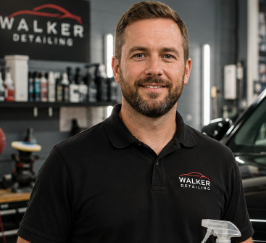
      James Walker is a car cleaning and detailing expert with over 10 years of hands-on experience in automotive care and paint protection. He tests and reviews car cleaning products, detailing tools, and maintenance solutions to help drivers make informed decisions. At Tech9AutoRepair, James shares practical, honest, and easy-to-follow advice to help car owners achieve professional-quality results and keep their vehicles looking their best.

    Share. Facebook Twitter Pinterest LinkedIn Tumblr Email

    Related Posts

    How to Wash a Car Without Water: A Safe Step-by-Step Guide

    August 22, 2026

    How to Use a Self-Service Car Wash: Step-by-Step Guide

    August 22, 2026

    How to Use a Foam Cannon for Car Washing (Beginner Guide)

    August 22, 2026
    Leave A Reply Cancel Reply

    You must be logged in to post a comment.

    Ryan Carter
    Ryan Carter
    Certified Auto Technician & Automotive Writer

    Ryan Carter is a certified auto technician with 12+ years of experience in diagnostics, engine repair, and vehicle maintenance. He shares simple, practical advice to help drivers understand their cars and make smarter repair decisions.

    View All Posts →
    Categories
    • Automotive Products & Reviews (105)
    • Car Accessories (16)
    • Car Battery Charger (9)
    • Car Battery Charger Blog (4)
    • Car Battery Charger Guides (118)
    • Car Battery Charger Reviews (60)
    • Car Care by Brand & Model (1)
    • Car Cleaning Tips (48)
    • Car Electronics (397)
    • Car Electronics Product Review (51)
    • Car GPS Tracker (65)
    • Car Stereo (60)
    • Car Tools & Equipment (57)
    • Car Vacuum (39)
    • Car Wash Comparisons & Guides (1)
    • Car Washing (48)
    • Ceramic Coating Care (17)
    • Cleaning & Detailing (8)
    • Dash Cam (31)
    • DIY & Household Hacks (1)
    • Exterior Car Care (5)
    • Informative Content (1)
    • Interior Car Care (3)
    • Jump Starter Guide (63)
    • Jump Starter Review (5)
    • motorhomes & overlanding (1)
    • OBD2 Scanner (100)
    • or interference from a Bluetooth car adapter? (1)
    • Product Comparison (26)
    • Product Review (2)
    • Surface & Problem-Specific Care (1)
    • Top Car Cleaning Products (20)
    • Top Jump Starter Product (43)
    Latest Posts

    How to Wash a Car Without Water: A Safe Step-by-Step Guide

    August 22, 2026

    How to Wash a Car at Home: A Complete Step-by-Step Guide

    August 22, 2026

    How to Use Car Wash Mode on Tesla and Rivian: Full Guide

    August 22, 2026

    How to Use a Car Wash at a Gas Station: Full Step Guide

    August 22, 2026

    Type above and press Enter to search. Press Esc to cancel.

    × Cordless Tire Inflator Air Compressor

    Cordless Tire Inflator Air Compressor

    160 PSI • Digital Gauge • Fast Inflation • DeWalt 20V Compatible

    Check on Amazon →

    About Tech9AutoRepair

    Tech9AutoRepair helps drivers with expert car advice, honest product reviews, and practical maintenance tips to make car ownership easier and smarter.

    ✔ Trusted by thousands of car owners worldwide

    Categories

    • Car Electronics
    • Car Accessories
    • Tools & Equipment
    • Cleaning & Detailing

    Quick Links

    • About Us
    • Contact
    • Privacy Policy
    • Affiliate Disclaimer

    🚗 Get Car Tips & Deals

    Get weekly car tips, deals & product picks (free)

    🚗 Looking for the best dash cam? Check our top picks →

    Tech9AutoRepair.com is a participant in the Amazon Services LLC Associates Program, an affiliate advertising program designed to provide a means for sites to earn fees by advertising and linking to Amazon.com.

    © 2026 Tech9AutoRepair.com | All Rights Reserved

    Sponsored · Recommended For You

    Amazon Pick

    View on Amazon →

    Product details, price and availability may change on Amazon.