
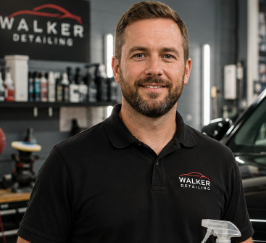
You want a clean car without using a hose, and you can get great results with waterless products and the right technique. Waterless car wash sprays lift dirt and grime so you can wipe them away safely with microfiber towels, giving a scratch-free finish when done correctly. Tech9AutoRepair’s James Walker notes that using quality sprays, soft towels, and light pressure stops paint damage and keeps finish protection intact.
This method saves water and time, and it works well for light to moderate dirt, quick touch-ups, and protected paint. Follow simple, step-by-step care, pick products matched to your vehicle’s finish, and use proper tools to avoid swirl marks and trapped grit — the same practical approach technicians use in shops.
Key Takeaways
- Use dedicated waterless wash products and soft microfiber towels for safe cleaning.
- Focus on technique and the right tools to prevent scratches and protect paint.
- Reserve waterless washing for light soils and routine maintenance.
Understanding Waterless Car Cleaning
Waterless car cleaning uses sprays, lubricants, and microfiber cloths to lift dirt and protect paint without a hose. It suits light dust, quick touch-ups, and places with water limits. It reduces runoff and saves time when done correctly.
Definition and Principles
Waterless cleaning relies on a lubricant-plus-capture process. A specially formulated spray coats the paint with slick polymers and surfactants. These chemicals loosen and suspend dust and light grime so cloth fibers can lift debris without grinding it into the finish.
Microfiber towels play a key role. Use multiple clean towels and a folding technique to avoid reintroducing dirt. Apply product panel by panel, wipe gently, then flip to a clean face. For heavier contamination, rinseless wash (mixing product with a bucket of water and a grit guard) or a pre-rinse with minimal water is safer.
Environmental Benefits
Waterless methods cut water use dramatically compared with a hose or automatic wash. This matters in areas with restrictions and for people who want lower household water bills. Less water also means less contaminated runoff entering storm drains, which reduces the spread of detergents, oils, and brake dust into rivers and lakes.
Products vary in biodegradability and VOC content, so choosing low-VOC, phosphate-free sprays reduces environmental harm. Proper disposal of used towels and minimal use of aerosols further limits pollution. Overall, waterless cleaning lowers water consumption and can reduce local runoff pollution when the right products and techniques are used.
Common Misconceptions
One myth claims waterless cleaning always scratches paint. That is false when using the right product and technique. Scratches happen when heavy grit is present; waterless systems are designed for light dirt only. For mud, bird droppings, or road grime, a rinseless or full-water wash is safer.
Another misconception says all products are the same. Formulations differ in lubrication, protection (wax or polymer), and residue. Some sprays add temporary polish or hydrophobic coatings; others only lift dirt. Users should read labels and test on a small panel. Finally, people assume it replaces professional detailing—waterless cleaning handles light maintenance but cannot replace clay bars, polish, or paint correction for heavy defects.
| Use Case | Recommended Method | Risk Level |
|---|---|---|
| Light dust or pollen | Waterless spray + microfiber | Low |
| Moderate road grime | Rinseless wash (bucket method) | Medium |
| Muddy or caked dirt | Traditional wash with hose or pressure rinse | High |
Choosing the Right Products
Picking the right products makes waterless washing safe and effective. Focus on cleaners that lift dirt, provide lubrication, and protect paint without harsh chemicals.
Types of Waterless Car Wash Solutions
Waterless car wash products fall into three main types: waterless sprays, rinseless wash concentrates, and foam/detailing sprays. Waterless sprays come ready to use in spray bottles and are best for light to moderate dirt. They work panel by panel and require multiple clean microfiber towels. Rinseless wash concentrates mix with a single bucket of water and are better for heavier dirt. They let users wipe away grime without a final rinse. Foam or detailing sprays add extra lubrication and gloss, and they pair well with both sprays and rinseless mixes.
Choose based on how dirty the car gets and how much water the user can use. For city cars with light dust, a waterless spray is fast and low-waste. For weekly or muddy use, rinseless concentrate reduces the risk of dragging grit across the paint.
Key Ingredients to Look For
Look for surfactants, lubricants, and corrosion inhibitors in the ingredient list. Surfactants lift and suspend dirt so towels don’t grind particles on the paint. Lubricants, such as synthetic polymers or silicone-free oils, give a slick surface that lets the towel glide without scratching. Corrosion inhibitors and mild pH buffers protect metal and trim from harsh chemistry.
Avoid products with strong solvents, high alcohol content, or abrasive additives. Those can strip wax, dull clearcoat, or damage plastic trim. If the product lists phosphate, bleach, or heavy solvents, it’s best to skip it. Labels that state “paint-safe,” “pH-neutral,” or “lubricant-enhanced” are useful markers for safer waterless cleaning.
Product Safety and Compatibility
Test compatibility on a hidden panel before full use. Spray a small area like inside the door jamb or behind the wheel, wait a minute, then wipe to check for staining or finish change. This prevents surprises on older paint, matte finishes, or vinyl wraps.
Use microfiber towels designated by purpose: one set for washing, another for buffing. Replace towels when they pick up grit. Follow manufacturer instructions for dilution ratios and maximum panel coverage. If a product states “not for matte finishes” or “not for vinyl,” do not apply it to those surfaces.
| Finish Type | Recommended Product | Notes |
|---|---|---|
| Gloss paint | Waterless spray or rinseless concentrate | Most work well; choose lubricant-rich formulas |
| Matte paint | Matte-specific cleaners | Avoid wax or gloss additives that change texture |
| Vinyl wrap | pH-neutral, solvent-free sprays | Test first; avoid strong solvents |
Essential Tools and Materials
Choose high-lubricity cleaning products, soft microfiber for every panel, foam or soft applicators, and basic protective gear. Focus on items that reduce abrasion and trap dirt away from paint.
Best Microfiber Towels
Microfiber quality matters most. Use 300–400 GSM towels for drying and plush 500–600 GSM towels for lifting dirt on paint and trim. Thinner 200–300 GSM towels work for glass and light polishing.
Wash towels separately from other laundry, no fabric softener, and dry on low heat. Replace towels when fibers flatten or show hard particles. One recommended setup:
| Use | GSM | Quantity |
|---|---|---|
| Wash/Dry | 300–400 | 3–5 |
| Detailing/Polish | 500–600 | 2–4 |
| Glass | 200–300 | 1–2 |
Rotate towels to avoid cross-contamination. Fold towels into small squares to create multiple clean faces while working.
Applicators and Accessories
Use soft foam or microfiber applicator pads for wax, sealant, and waterless wash solutions. Choose flat foam pads for even product spread and rounded edges to avoid creasing near trim.
Carry a few grit guards or a small bucket with a rinseless wash mixture for very dirty areas. Keep a set of soft-bristled brushes for wheels and crevices. A spray bottle with a high-lubricity rinseless solution helps break down grime before wiping.
Helpful accessories:
- Plastic scraper for bug residue.
- Soft wheel brush.
- Small detailing brushes for seams and badges. Store products in a tote to avoid spills and to keep items separated by use.
Protective Gear Recommendations
Wear nitrile gloves to protect hands from chemicals and to keep oils off paint. Gloves also prevent sweat from transferring to microfiber towels and causing streaks.
Use safety glasses when spraying solutions to prevent eye irritation. If working in bright sun, wear a wide-brim hat and UV-blocking sunglasses to reduce glare and avoid drying products too fast.
A simple apron or old shirt protects clothing and provides pockets for small tools. Non-slip shoes help maintain steady footing on wet driveways.
Step-by-Step Cleaning Process
This section lists the exact actions, tools, and order to clean a car without water. It covers how to pick a safe spot, how to apply products to avoid scratches, and how to buff to a streak-free finish.
Preparation and Area Selection
They should choose a shaded, well-ventilated area to work in so products won’t dry too fast or leave streaks. Park on a flat surface away from dust, pollen, and heavy foot traffic. If possible, open a garage door to avoid wind that can blow grit onto the paint.
Gather supplies before starting: a waterless wash solution or rinseless wash product, several clean microfiber towels (at least 6–8), a soft-bristled wheel brush, interior cleaner, and wheel cleaner. Use a separate towel for lower panels, wheels, and glass to avoid cross-contamination.
Test the product on a small painted area first. Wait five minutes and check for haze or finish change. If the test passes, work one panel at a time to control product use and reduce drying before buffing.
| Item | Purpose | Recommended Quantity |
|---|---|---|
| Microfiber towels | Lift dirt, buff finish | 6–8 (color-code for zones) |
| Waterless wash spray | Loosen and encapsulate grime | 1 bottle (24–32 oz) |
| Wheel brush | Clean tires and rims | 1 soft brush |
Application Techniques
They should work panel-by-panel, starting at the top and moving down. Spray a liberal, even mist of the waterless product onto a single door or hood section. Let it sit 10–20 seconds to lubricate, but don’t let it dry.
Use a clean microfiber towel folded into quarters. Gently wipe in straight lines to lift dirt. Turn to a fresh face of the towel as it becomes dirty. For stubborn spots, spray product onto the towel first, then gently rub the spot until the residue loosens.
Use separate towels for lower panels and wheels. Rinseless methods allow heavier buildup removal with a bucket of diluted rinseless wash and a grit-guard-equipped pad if needed. Avoid circular motions to reduce swirl marks and avoid aggressive scrubbing on delicate finishes.
Buffing and Finishing Touches
They should immediately buff each panel after lifting dirt. Use a fresh, dry microfiber towel and buff with light pressure in overlapping passes. This removes residue and brings out the shine without water.
Address glass, trim, and tires last. Use a glass cleaner and a separate towel for windows. Apply a trim restorer if plastic looks dull. For tires, use a tire dressing applied sparingly to avoid sling onto the paint.
If any haze remains, lightly mist the panel again and re-buff. Store used towels in a sealed bag to prevent contaminating clean towels later. Dispose of or recycle any waste according to local rules.
Addressing Challenging Surfaces
Use the right product and tool for each surface. Work from least dirty to dirtiest, and keep microfiber towels separate so grit from one area doesn’t contaminate another.
Dealing with Heavy Dirt or Mud
They should remove thick mud before using a waterless product. Let mud dry slightly so it flakes off more easily, then use a soft-bristled brush or plastic scraper to lift large chunks. Avoid rubbing hard; that can grind grit into the paint.
After scraping, apply a rinseless wash solution to a small panel and let it dwell 10–20 seconds to loosen stuck grime. Use a clean microfiber towel folded into sections to gently wipe away soil, flipping to a clean face as it fills. For very stubborn spots, reapply solution and use light back-and-forth strokes rather than circular scrubs.
Use two-bucket rinseless systems or a dedicated grit bucket for tools. Mark contaminated towels and set them aside until they can be washed to avoid cross-contamination.
Cleaning Windows and Mirrors
They should use a glass-specific waterless cleaner to avoid streaks. Spray directly onto the glass or onto a microfiber glass towel. Work top to bottom to prevent drips onto cleaned areas.
For bird droppings or tree sap, let the glass cleaner sit 20–30 seconds to soften the residue, then lift with a single-pass stroke. Use a separate towel for edges and moldings so metal or plastic grime doesn’t transfer to clear glass. For interior mirrors and windows, use a lighter spray and wipe with a dry, lint-free towel to avoid smears.
Use this quick reference for cloth choice:
| Surface | Recommended Cloth |
| Exterior glass | Glass microfiber (low-lint) |
| Interior glass | Soft lint-free towel |
| Mirrors/edges | Small detailing towel |
Treating Wheels and Tires
They need stronger cleaners than body panels. Spray a dedicated wheel cleaner onto cool surfaces only; hot brakes can cause chemicals to dry and stain. Allow 1–3 minutes for the cleaner to break down brake dust, but do not let it dry.
Use a stiff brush for the tire sidewalls and a softer brush for wheel spokes. Work in sections and rinse brushes in a separate bucket or rinse bottle before touching the car body. After agitation, wipe wheels with a heavy-duty microfiber or waffle-weave towel to remove loosened grime.
Apply a tire dressing last with an applicator pad, wiping off excess to avoid sling onto the painted surfaces. Store wheel towels apart from body towels to prevent transfer of abrasive particles.
Preventing Scratches and Surface Damage
Washing a car without water relies on lubrication, gentle tools, and proper motion to remove dirt without grinding it into paint. Good technique keeps swirls, micro-scratches, and trim damage from forming.
Correct Towel Handling Methods
They should use clean, high-quality microfiber towels only. Fold a towel into quarters and use a fresh face for each panel to avoid moving grit from one area to another.
Work in straight lines or single-direction wipes rather than circular motions to reduce swirl marks. Keep towels damp with the waterless wash solution; never let a towel dry out on the paint. Replace towels once they feel gritty or show embedded particles.
Wash and dry towels separately from other laundry to avoid contamination. Use a dedicated microfiber soap and hang to air dry. Store folded in a dust-free bag to keep them ready for the next use.
Spot Cleaning Strategies
Start by lifting loose dust and pollen with a soft brush or a blower to reduce abrasion risk. For stuck-on bugs or tar, apply a dedicated dissolving spray and let it sit the recommended time before gently wiping with a microfiber pad.
Work small areas at a time—about 2×2 feet—so the cleaning solution stays active and you don’t drag dirt across large panels. Use two-towel technique: one towel to lift dirt, a second to dry and polish. For glass and trim, use separate towels and products to avoid cross-contamination.
If heavy contamination appears, stop and rinse with water if available, or repeat a low-friction lift with fresh solution and towel rather than scrubbing.
Common Mistakes to Avoid
They should never use household detergents, abrasive pads, or towels with loose seams. These items remove protective wax and scratch clear coat. Avoid working under direct sun or on very hot panels; heat dries solutions fast and increases friction.
Do not reuse a towel face after it has collected dirt; dragging it spreads abrasives. Avoid excessive pressure—let the cleaner and towel do the work. Finally, don’t skip lubricant. A quality waterless wash or rinseless mix keeps particles afloat; instructions often recommend a ratio, so follow the product label carefully and test on a small area first.
For product science and safety basics, readers can check car wash background, or consult industry guidance from trusted sources like the Specialty Coffee Association for best practices in textile care (useful for microfiber handling).
Routine Maintenance and Care Tips
This section covers how often to clean, how to protect the paint after a waterless or rinseless wash, and how to store cleaning supplies safely so they last and stay effective.
Recommended Cleaning Frequency
They should wash the car every 2–4 weeks if they drive daily in city traffic or park under trees. Road salt, bird droppings, and brake dust need more frequent attention; remove these within 48 hours to prevent paint damage. For cars kept in a garage and driven lightly, a monthly wash and a quarterly deeper treatment works well.
Use a quick waterless spray or detailer between full rinseless washes to lift fresh dust. Keep a small roll of clean microfiber towels in the trunk for spot cleaning. Track conditions and adjust the schedule: after long road trips or during pollen season, clean sooner.
Preserving Paint Protection
They must apply a paint sealant or carnauba wax every 3–6 months if they rely on waterless products. These products create a slick surface that reduces friction and lowers the chance of swirls when wiping. Ceramic coatings last longer, often 1–3 years, but require proper surface prep before application.
When using any product, work panel by panel and inspect the surface under good light. Always use fresh, folded microfiber towels and a clean pad for application. For more on coating types and longevity, readers can check materials like automobile detailing.
Storage Tips for Cleaning Supplies
They should store sprays, sealants, and microfibers in a cool, dry place away from direct sun. Heat can break down chemicals and fade labels, while moisture breeds mildew on towels. Keep bottles upright and tightly closed; transfer products to smaller, clearly labeled containers for a portable kit.
Organize microfibers by use: one set for wheels, one for glass, one for paint. Wash towels separately in mild detergent and avoid fabric softener. For safe disposal and product info, consult manufacturer guidance or reputable resources such as cleaning agent.
FAQS
What is a waterless car wash?
A waterless car wash uses a spray-on cleaner that lifts dirt from paint so towels can remove it. It limits water use and works well for light to moderate dirt.
Is it safe for all paint types?
Yes, when done correctly with soft microfiber towels and a proper product. Heavy dirt or grit needs rinseless or traditional washing to avoid scratches.
How often can someone use it?
They can use waterless products every few weeks to keep the car tidy. Frequent use of polish or wax-type products should follow label instructions.
Will it remove bird droppings or tar?
Some products soften light contaminants, but stubborn spots like tar or dried bird droppings may need a targeted cleaner. Trying to wipe without a pre-softening step can cause scratches.
What supplies are needed?
At minimum: a waterless wash spray, several clean microfiber towels, and a separate towel for drying or buffing. Gloves are optional for skin protection.
Can it replace a full wash?
It replaces regular washing for short-term maintenance and lightly soiled cars. It does not replace deep cleaning, undercarriage rinse, or heavy-duty detailing.
Are waterless washes eco-friendly?
Yes, they save water and reduce runoff. Buyers should choose biodegradable, low-VOC formulas to limit environmental impact.
Conclusion
Waterless car washing gives a practical way to clean a vehicle when water is limited or unavailable. It uses specially formulated sprays and microfiber towels to lift dirt without damaging paint.
When done correctly, it saves time and water while reducing runoff and environmental impact. The method suits light to moderate dirt; heavy mud or stuck grime still needs a rinse or professional service.
They should choose quality products and soft microfiber cloths to avoid scratches. Work in small panels, use fresh cloth sections, and follow product directions for best results.
Users must inspect the car first and skip waterless washing if grit or thick debris is present. For regular maintenance, it keeps finishes tidy between full washes and helps protect wax or sealant layers.
Quick checklist:
- Use a safe waterless product
- Have several clean microfiber towels
- Clean small areas and change towels often
- Avoid waterless methods on very dirty vehicles
These steps help people get a clean, protected car without a hose, while keeping the process simple and safe.
