
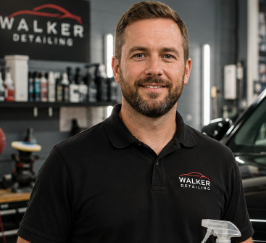
Car detailing means a deep, hands-on clean and protection plan for a vehicle’s inside and outside. It restores surfaces, removes tough contamination, and applies protection so your car looks better and lasts longer. James Walker from Tech9AutoRepair.com often says detailing goes beyond a wash by fixing paint defects, treating upholstery, and sealing surfaces against future damage.
You will learn practical steps, safe products, and simple DIY tips you can use or ask a professional to perform. Expect clear guidance on washing, claying, polishing, waxing or ceramic coating, tire and glass care, and interior cleaning that cuts odors and stains while preserving value.
Key Takeways
- Detailing cleans, restores, and protects both interior and exterior surfaces.
- Proper technique and products prevent damage and extend the vehicle’s finish.
- Regular care keeps the car looking newer and helps maintain resale value.
Difference Between Detailing and Car Washing
Detailing digs deeper into the car’s finish and interior to restore and protect, while washing focuses on quick dirt and grime removal. The next parts explain how their goals, tools, and recommended schedules differ in clear, practical terms.
Purpose and Results
Detailing targets long-term care and appearance. It removes embedded contaminants, corrects paint flaws like swirl marks and light scratches, and applies protective coatings such as wax, sealant, or ceramic. Inside, detailing extracts stains, treats odors, and conditions leather and trim to extend life. The result should look and feel closer to new and resist damage longer.
Car washing aims for immediate cleanliness. It removes road grime, salt, bird droppings, and pollen from the exterior and vacuums loose debris from the interior. Results are a visibly clean car for day-to-day use, but washing does not fix paint defects or add lasting protection.
| Service | Main Goal | Typical Result |
|---|---|---|
| Detailing | Restore and protect finish and interior | Correction of flaws; long-term protection; deep-cleaned cabin |
| Car Washing | Remove surface dirt quickly | Short-term cleanliness; no paint correction or long-term protection |
Techniques Used
Detailing uses specialized, often multi-step methods. Paint correction can include clay bar treatment, machine polishing, and paint sealants or ceramic coatings. Detailers use pH-balanced shampoos, foam cannons, dual-action polishers, and microfiber systems to avoid new swirl marks. Interior detailing involves steam cleaning, hot-water extraction for carpets, conditioning agents for leather, and plastic/vinyl restorers.
Car washing uses faster, simpler techniques. Typical tools include pressure washers, automated brushes or touchless systems, buckets with grit guards, and quick-dry towels. Interior cleaning during a wash usually means vacuuming and wiping surfaces with general-purpose cleaners. These methods save time but won’t remove embedded contaminants or correct paint imperfections.
Frequency of Service
Detailing happens less often and depends on goals. For protection and paint correction, a professional detail every 6–12 months suits most owners. Those with ceramic coatings may need less frequent full details but still require periodic maintenance. Interior detail frequency depends on use: families or pets may need it every 3–6 months.
Car washing is more frequent and focused on maintenance. Many drivers wash weekly or biweekly to prevent buildup that can damage paint or trim. After heavy salt exposure or dirty roads, an immediate wash is advisable. Combining regular washes with periodic detailing gives both short-term cleanliness and long-term protection.
Key Steps in the Detailing Process
Detailing breaks into three focused areas: cleaning and correcting the paint and exterior, deep-cleaning the cabin and trim, and then protecting surfaces for lasting results. Each step uses specific tools and products and follows a clear order to avoid recontamination.
Exterior Cleaning Methods
The exterior starts with a two-bucket wash using a pH-balanced car shampoo and a soft wash mitt to remove road grime without scratching. They rinse wheels and lower panels first, then work upward to keep dirt from running onto clean areas.
Clay bar or iron remover follows to strip embedded contaminants from paint and glass. This step prevents swirl marks during polishing.
If defects remain, machine polishing with appropriate pads and polish corrects light scratches and oxidation. They test a small area first to choose the right pad/polish combo.
Final cleaning includes trim dressing and window polish. They dry with a microfiber towel and inspect under good light for missed spots.
Below is a quick tool-product comparison:
| Task | Common Tools | Typical Products |
|---|---|---|
| Wash | Two buckets, wash mitt, grit guard | pH-neutral car shampoo |
| Decontaminate | Clay bar, iron remover | Clay lubricant, fallout cleaner |
| Polish | Dual-action or rotary polisher, pads | Compound, polish |
| Protect | Applicator pads, microfiber towels | Wax, sealant, ceramic coating |
Interior Detailing Steps
Interior detailing starts with removing trash and personal items, then vacuuming seats, carpets, and crevices. They use crevice tools and brush attachments to reach between seats and under mats.
Hard surfaces get a pH-safe cleaner and a soft brush to lift dirt. For leather, they clean with a leather-specific cleaner and follow with conditioner to prevent drying and cracking.
Fabric seats and carpets may need a hot-water extractor or carpet shampoo for deep stains. They blot stains rather than rub to avoid spreading.
Windows and mirrors get a streak-free glass cleaner last to avoid re-soiling. Vents and seams receive compressed air or small brushes for dust removal.
Finishing Touches
Protection locks in the work. They apply wax, paint sealant, or a ceramic coating based on desired longevity and budget. Waxes give shine for weeks, sealants last months, and ceramic coatings can protect for years.
Tire dressing and trim protectant restore matte or glossy appearance and help prevent UV fading. They apply sparingly to avoid sling onto paint.
Final inspection checks for missed spots, polish haze, and interior odors. They use a microfiber towel to remove any residue and a quick detail spray for spot correction.
A checklist helps ensure nothing is missed:
| Final Item | Why It Matters |
|---|---|
| Paint protection | Keeps finish durable and easier to clean |
| Trim & tire dressing | Restores appearance and blocks UV |
| Interior scent & inspection | Improves comfort and catches missed work |
Types of Car Detailing Services
Car detailing ranges from basic refreshes to deep restoration and long-term protection. Services focus on the exterior, the interior, or specialty work like paint protection and odor removal.
Full-Service Packages
Full-service packages combine exterior and interior work into one visit. Typical steps include a hand wash, clay bar to remove bonded contaminants, machine polish to reduce swirls, and a wax or sealant for shine. Inside, technicians vacuum carpets, shampoo upholstery, clean vents and trim, and condition leather.
These packages often add wheel and tire cleaning, glass polishing, and engine-bay dressing. Time and cost vary by vehicle size and condition; expect 2–6 hours for a standard car and higher prices for SUVs or heavy soiling. Full-service suits owners who want a complete, one-stop refresh and value both appearance and maintenance.
| Service Element | Typical Tasks | Why It Matters |
|---|---|---|
| Exterior | Hand wash, clay bar, polish, wax/sealant | Restores paint depth and protects from elements |
| Interior | Vacuum, shampoo, leather conditioning, odor removal | Improves comfort and reduces wear |
| Wheels & Tires | Brake dust removal, tire dressing | Enhances look and prevents corrosion |
Express Detailing
Express detailing targets quick improvements for people short on time. Common services include exterior hand wash, quick wax or spray sealant, tire shine, and interior vacuuming with surface wipe-downs. Technicians often finish in 30–90 minutes.
Express works well between full details to keep a car presentable. It does not include deep paint correction, heavy stain removal, or full shampooing. Owners should use express detailing for routine upkeep or before events when full restoration isn’t needed.
Specialty Treatments
Specialty treatments address specific problems and long-term protection. Options include paint correction (multi-stage compounding to remove scratches), ceramic coating for durable hydrophobic protection, and paint protection film (PPF) for high-impact areas. Technicians also offer headlight restoration, odor elimination with ozone or enzyme treatments, and fabric protection sprays.
These services require skilled labor and sometimes curing time. Ceramic coatings can last years, while paint correction and PPF significantly improve resale value and reduce future repair needs. Specialty work suits owners who want targeted results or long-term defense against wear.
Essential Tools and Products
This section lists the specific cleaners, coatings, and tools a detailer uses to clean, protect, and restore a vehicle. It focuses on items that make detailing different from a basic car wash and that produce lasting, visible results.
Cleaning Agents
Detailing uses targeted cleaners, not just soap and water. A pH-balanced car shampoo removes road grime without stripping wax or sealant. An iron fallout remover dissolves embedded rail dust and brake dust from paint and wheels. A dedicated wheel cleaner tackles brake dust and baked-on grime; choose an acid-free formula for alloy rims.
For glass and interior surfaces, use a streak-free glass cleaner and a mild upholstery or leather cleaner. Trim and plastic restorer products bring back color and protect against UV fading. For removing light scratches and swirl marks, a polish or compound paired with the right pad is essential. These products let a detailer do more than a normal car cleaning—detailers clean, correct, and prepare surfaces for protection.
Protective Coatings
Protective coatings extend results and cut down how often a car needs full cleaning. Paste or spray wax gives short-term shine and water beading for weeks. Paint sealants last longer and add durable gloss for months. Ceramic coatings bond chemically to paint and can protect for years; they need a clean, corrected surface before application.
For glass, hydrophobic coatings improve visibility in rain. Fabric and leather protectants repel stains and slow soiling. Trim protectants help prevent fading on plastic and rubber. Choosing the right coating depends on desired longevity, cost, and how much prep work the surface needs.
Equipment for Detailing
Good tools make detail work faster and safer. A two-bucket wash system with grit guards prevents sanding the paint when washing. Microfiber wash mitts and towels lift dirt without scratching. A dual-action polisher and a selection of foam pads let a detailer remove swirls and apply polish or finish safely.
Pressure washers and foam cannons speed up degreasing and rinsing. Small brushes, crevice tools, and vacuum attachments reach vents, seams, and cupholders. For professional results, an LED inspection light shows defects in paint. Many of these tools distinguish detailing from ordinary car cleaning by allowing correction and precise protection.
Benefits of Regular Car Detailing
Regular detailing keeps a car looking newer, protects paint and interior materials, and reduces allergens and odors. It targets scratches, stains, and weak seals so owners avoid bigger repairs and maintain a clean, comfortable cabin.
Aesthetic Improvements
Detailing restores shine and removes visual flaws that washing alone cannot fix. Professionals remove swirl marks, tar, and road grime with clay bars and paint correction, then apply wax or sealant to boost gloss and depth.
Interior detailing removes stains, ground-in dirt, and upholstery marks. Leather gets conditioned to prevent cracking, and fabric seats receive shampooing and deodorizing to lift odors and spots.
A quick comparison helps show typical effects:
| Task | Typical Result | Longevity |
| Paint correction | Fewer scratches, improved gloss | Months to years (with protection) |
| Wax/sealant | Water beading, UV barrier | 1–6 months (varies by product) |
| Interior shampoo | Stain removal, fresher look | Weeks to months (depends on use) |
Preservation of Value
Detailing slows surface damage that lowers resale value. Paint protection shields against UV fade, bird droppings, and road salts that etch clear coat. Regular interior care prevents upholstery tears, permanent stains, and brittle plastics.
Buyers and inspectors notice a well-kept exterior and clean cabin. That attention often translates to higher trade-in offers or faster sales. Records of scheduled detailing also serve as proof of maintenance.
Investing in periodic sealant or ceramic coating can reduce the need for future repainting. Small costs now can prevent large restoration expenses later.
Health and Comfort Advantages
Detailing improves air quality and comfort inside the vehicle. Vacuuming, steam cleaning, and filter replacement remove dust, pollen, pet hair, and mold spores from vents and carpets.
Upholstery and carpet cleaning reduce bacteria and allergens that trigger sneezing or asthma. Deodorizing and ozone or steam treatments remove persistent odors like smoke or mildew.
A cleaner cabin also means fewer distractions while driving. Clear windows, streak-free mirrors, and well-maintained HVAC vents help visibility and comfort on long trips.
Choosing a Professional Detailer
Choosing a professional detailer means checking specific skills, services, and trust signals. The right detailer offers clear pricing, proven results, and safe products for paint and interiors.
Factors to Consider
Check the detailer’s service list and ask for a written price sheet. Important services include paint correction, ceramic coating, clay decontamination, and interior steam or shampoo. Compare equipment and product brands; look for dual-action polishers, IR curing lights for coatings, and pH-neutral cleaners for leather and fabric.
Inspect a shop’s workspace for cleanliness and proper ventilation. A clean bay reduces dust and risk of contamination during paint work. Review before-and-after photos and recent client testimonials for work on cars similar to yours—classic, daily driver, or high-end finishes.
Ask about turnaround time, warranty or service guarantees, and whether they use subcontractors. Confirm if they offer pickup/drop-off or mobile detailing, and whether mobile work includes weather contingencies.
Certifications and Experience
Experience matters for paint correction and ceramic coating. Look for technicians with formal training from recognized programs and brands. Certifications from manufacturers (for example, coating makers) show hands-on product knowledge.
Years in business and a portfolio of consistent results indicate skill. A technician who can explain paint thickness readings, bonding mechanisms for coatings, and safe dye removal demonstrates practical know-how. Ask if they document paint condition with paint depth meters or photos before and after.
Check for local business licenses, insurance, and worker coverage. Insurance protects the owner and the vehicle if damage occurs. For technical claims about coatings or chemical properties, readers can get background from credible sources like technical overviews of ceramic coatings.
Questions to Ask
Start with: “What exact prep and protection steps are included in this package?” A good detailer will list wash method, decontamination, paint correction stages, and final protection (wax, sealant, or coating). Ask how they measure paint correction success and whether compounding or polishing will affect clear coat warranty.
Inquire about product names and safety for your vehicle’s materials. Request the brand and type of coatings, dressings, and cleaners. Also ask how they protect glass, trim, and soft-touch surfaces during machine polishing.
Confirm timelines, cure times for protective coatings, and aftercare instructions. Ask for a written estimate, work photos, and any service warranty terms. If the car is stored or driven infrequently, ask about long-term maintenance plans that fit that usage.
DIY Car Detailing Tips
They should start with a good wash. Use two buckets — one for soapy water and one for rinse — to cut down on swirl marks. A soft wash mitt and car-specific shampoo protect paint better than dish soap.
Work top to bottom and dry panels with a microfiber towel. Small circular motions remove grime without scratching. For stubborn spots, clay bars or a dedicated decontamination product help restore smoothness.
Protect paint with wax or a paint sealant after cleaning. Waxes give shine; sealants last longer. Apply thin layers and buff with a clean microfiber cloth for even coverage.
Interior cleaning needs attention to materials. Vacuum first, then use a brush for carpet fibers and crevices. Use a mild, pH-neutral cleaner for upholstery and a vinyl or leather protectant where appropriate.
Keep tools and products organized. A basic kit should include microfiber towels, brushes, applicators, a clay bar, car shampoo, wax/sealant, and a tire cleaner. Replacing worn towels prevents scratches and improves results.
For more detailed history and terms related to car care, readers may consult general references like automotive appearance overviews. For advice on materials and safe cleaners, manufacturer guides often give useful, specific recommendations.
FAQS
What is car detailing?
Car detailing is a deep clean and restoration of a vehicle’s interior and exterior. It goes beyond a regular wash to remove contaminants, restore finishes, and protect surfaces.
How often should a car be detailed?
Frequency depends on use and goals. For daily drivers, every 3–6 months is common; show cars may need monthly care.
What services are included?
Common services include washing, paint decontamination (clay), polishing, wax or sealant, interior vacuuming, shampooing, and glass and trim cleaning. Optional add-ons include paint correction and ceramic coating.
How long does a detail take?
Simple exterior or interior jobs can take 1–3 hours. Full-service or paint-correction jobs can take a day or more.
Will detailing fix paint scratches?
Light swirls and minor scratches can improve with polishing. Deep scratches that cut through paint need professional repair or repainting.
Are DIY and professional detailing different?
DIY works for basic maintenance and saves money. Professionals have tools and products for deeper cleaning and long-lasting protection.
How much does detailing cost?
Prices vary by service, vehicle size, and location. Expect a basic detail to start low and full corrections or coatings to cost significantly more.
What protection options exist?
Common protections are wax, paint sealant, and ceramic coatings. Each offers different durability and ease of maintenance.
Conclusion
Car detailing keeps a vehicle clean, protected, and better preserved over time. It targets both visible dirt and embedded contaminants that regular washes miss.
Detailing improves resale value and can extend the life of paint, trim, and interior materials. It also makes driving more pleasant and reduces the need for costly repairs later.
Owners can choose professional shops or mobile services based on budget and convenience. Regular, simple upkeep between detailing visits helps protect the results.
Key benefits at a glance:
- Protection: waxes and sealants shield paint from elements.
- Restoration: polishing and cleaning remove defects and stains.
- Preservation: interior treatments prevent wear and fading.
They should view detailing as part of routine maintenance, not just a one-time cleanup. Small, regular steps keep the car looking and performing better for years.
