
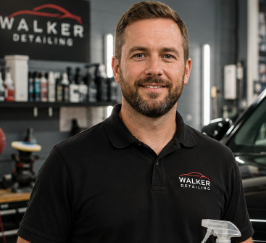
By James Walker · Ceramic Coating Care
Quick Answer:
Ceramic detail spray is a liquid top-up product containing silica (SiO2) or similar ceramic particles that you wipe onto clean paint to add short-term shine and water beading. It’s not the same as a full ceramic coating — it’s more like a spray-on booster that refreshes an existing wax, sealant, or coating between washes.
If you’ve scrolled past a bottle labeled “ceramic detail spray” at the auto parts store and wondered whether it’s the same thing as a full ceramic coating, you’re not alone. The two products share chemistry but do very different jobs. This guide explains exactly what ceramic detail spray is, how it works, how it compares to wax and full coatings, and how to use it correctly so you get the shine without wasting product or streaking your paint.
A quick note before you start: This article is for general educational and purchasing guidance only. It does not guarantee vehicle performance or safety outcomes and does not replace advice from a qualified mechanic or auto technician. Some tasks may require the work of a licensed/registered professional or compliance with local vehicle regulations. Always check your vehicle’s manual, warranty terms, and current local regulations, and consult a qualified professional when needed.
What Is Ceramic Detail Spray, Exactly?
Ceramic detail spray is a liquid detailing product, usually applied by hand with a microfiber towel, that carries small amounts of silica or ceramic-based polymers in a quick-drying carrier solution. When it’s wiped onto clean, cool paint, it leaves behind a thin film that adds gloss and helps water bead up and roll off rather than sit flat.
In my testing experience, the easiest way to think about it is as a “refresher” rather than a standalone protective layer. Ceramic detail spray is designed to be fast — most bottles promise a five-to-ten-minute panel wipe-down — which is very different from a multi-hour full ceramic coating application.
Note: “Ceramic” on a spray label doesn’t always mean the same concentration or durability as a professionally applied ceramic coating. Always read the product description rather than assuming spray and coating perform identically.
Why It Matters for Everyday Car Care
Most owners don’t have time for a full detailing session every weekend. Ceramic detail spray fills that gap — it’s a way to maintain shine and beading between washes, or to refresh an aging wax or coating without stripping it and starting over. For daily drivers that see rain, dust, and pollen, a quick spray-and-wipe can noticeably improve how the paint looks and how easily it rinses clean at the next wash.
It also matters for owners who already paid for a full ceramic coating, since regular use of a compatible ceramic detail spray is one of the more common ways to extend the visible life of that coating between professional top-ups.
How the Chemistry Works
Most ceramic detail sprays use SiO2 (silica) particles suspended in an alcohol- or water-based carrier, sometimes with added polymers for slickness. As the carrier evaporates, the silica bonds lightly to the surface, filling in micro-scratches in the existing wax or coating layer and creating a smoother, more hydrophobic surface. This bond is much thinner and shorter-lived than the cross-linked layer built by a full ceramic coating, which is why detail sprays are measured in weeks of protection rather than years.
Where It’s Compatible
Ceramic detail spray generally works over painted body panels, clear-coated wheels, and glass. Many formulas are also safe on plastic trim, though a dedicated trim coating still restores faded plastic more effectively. Always check the label before spraying it on matte or satin wraps, since some sprays can add unwanted gloss to a matte finish.
How It Compares to Other Protection Options
Because “ceramic” appears on so many bottles, it helps to see how detail spray stacks up against wax, sealant, and a full ceramic coating side by side.
How to Apply Ceramic Detail Spray
The process is short, but skipping steps is the main reason people end up with streaks or high spots.
Application Flow at a Glance
Practical guide: the whole process for an average sedan usually runs 20–30 minutes total, panel by panel, once the car is already clean.
Tip: Keep two microfiber towels on hand — one slightly damp for spreading, one bone-dry for the final buff. Reusing one dirty towel for both steps is a common cause of light swirl marks.
Common Problems and Their Likely Causes
Safety Considerations
Ceramic detail sprays are generally mild compared to solvent-heavy trim coatings, but they still often contain alcohols or mild solvents. Use them in a ventilated space, avoid spraying near your face, and wash hands after extended use. Keep the bottle away from open flames if the label lists flammable ingredients, and store it out of reach of children and pets.
Safety Note: Never spray ceramic detail spray directly onto a hot hood, brake components, or near an open engine bay. Let the vehicle cool fully, and check the product’s safety data sheet if you notice any skin or respiratory irritation during use.
Safety Decision Path
This is a general practical guide, not a substitute for the specific safety instructions printed on your product’s label.
Safe Use vs Risky Use
Signs You Should Reach for Ceramic Detail Spray
Not every situation calls for this product. These signs usually mean a quick spray-and-wipe is the right move.
When Ceramic Detail Spray Makes Sense
If the paint is heavily faded, swirled, or oxidized, spray alone won’t fix it — that calls for polishing or a full detail first.
Choosing the Right Type for Your Situation
Product Fit Dashboard
A single small bottle usually covers several full applications
More surface area to cover — a larger bottle stretches further per session
Look for formulas that stay workable longer before flashing
Stick to sprays labeled compatible with your specific coating brand
Common Mistakes vs Better Choices
Where to Focus Your Effort
This is a practical guide to relative priority, not a lab-tested ranking — technique matters more than which bottle you grab.
Pro Tips and What Experienced Detailers Check
Beginners often focus on how much shine a single application gives. Experienced detailers pay closer attention to consistency and compatibility over time.
Rather than waiting for beading to disappear completely, many experienced owners reapply ceramic detail spray every one to three washes to keep protection consistent.
Touching the hood before spraying is a quick habit that avoids the flash-and-streak problem beginners run into on sunny days.
Swapping to a fresh microfiber section for each panel prevents dragging trapped grit across the paint, which can cause fine swirl marks over time.
Before switching brands, experienced users check whether the new detail spray is compatible with an existing coating rather than assuming all ceramic products layer well together.
Warning: Some budget ceramic detail sprays are heavily diluted and add little more than a wax-like shine with no measurable water-beading improvement. Reading verified reviews before buying can help set realistic expectations.
When to Contact a Professional Detailer
Consider professional help if: your paint shows heavy swirl marks, oxidation, or fading that ceramic detail spray can’t mask; you’re unsure whether a spray is compatible with an existing professional coating; or you want a longer-term protection plan instead of routine spray maintenance. A professional detailer can also advise if repeated topping products could affect any coating warranty you already have.
Helpful Products for Ceramic Detail Spray Maintenance
This article may contain affiliate links. If you buy through these links, we may earn a small commission at no extra cost to you. We only mention products that are relevant to the topic and do not replace advice from a qualified mechanic or auto technician.
Ceramic Detail Spray (SiO2 Formula)
A silica-based detail spray may support regular shine maintenance and water-beading between full washes.
Microfiber Detailing Towel Set
A set of clean, plush microfiber towels can help with even spreading and a streak-free final buff during routine detailing.
Frequently Asked Questions
What is ceramic detail spray used for exactly?
Ceramic detail spray is used to add a quick layer of shine and water beading to clean paint. It’s typically used between washes or to refresh an existing wax, sealant, or ceramic coating rather than as a standalone long-term protectant.
Is ceramic detail spray the same as a full ceramic coating?
No. A full ceramic coating is a thicker, cured layer applied over several hours that can last a year or more. Ceramic detail spray is a much thinner, faster-drying topper that typically lasts weeks and is meant for routine maintenance.
How often should I use ceramic detail spray?
Many users apply it every one to three washes, or whenever water stops beading as well as it did before. There’s no single fixed schedule — it depends on the specific product and how often the car is washed.
Can I use ceramic detail spray over an existing ceramic coating?
Often yes, but it’s best to use a spray labeled as coating-compatible or recommended by the coating’s manufacturer. Some sprays aren’t designed to layer well over every coating chemistry.
Does ceramic detail spray work on plastic trim and wheels?
Many formulas are safe on clear-coated wheels and some plastic trim, but check the label first. A dedicated trim-specific coating usually restores faded plastic more effectively than a general detail spray.
Why did my ceramic detail spray leave streaks?
Streaking is usually caused by applying too much product, working in direct sun, or not buffing it off before it fully dried. Working in the shade with light, even passes typically solves this.
Should I get a full ceramic coating instead of just using detail spray?
It depends on your goals. If you want low-effort, long-term protection and don’t mind the upfront time or cost, a full coating may fit better. If you just want a quick shine boost between washes, ceramic detail spray is usually enough. A professional detailer can help you decide based on your paint’s current condition.
Final thoughts: Ceramic detail spray is a simple, low-effort way to keep paint looking sharp and shedding water between full details, but it’s not a replacement for a full ceramic coating if you want long-term protection. Wash first, work in the shade, and buff it off before it fully dries for the best results. For paint that’s heavily faded, swirled, or already professionally coated, check your coating’s care guide or speak with a qualified detailer before choosing a maintenance product, and always follow current local regulations for chemical use and disposal.
